
Unpacking Cognitive Dimensions: Great Pyrenees vs. Brittany
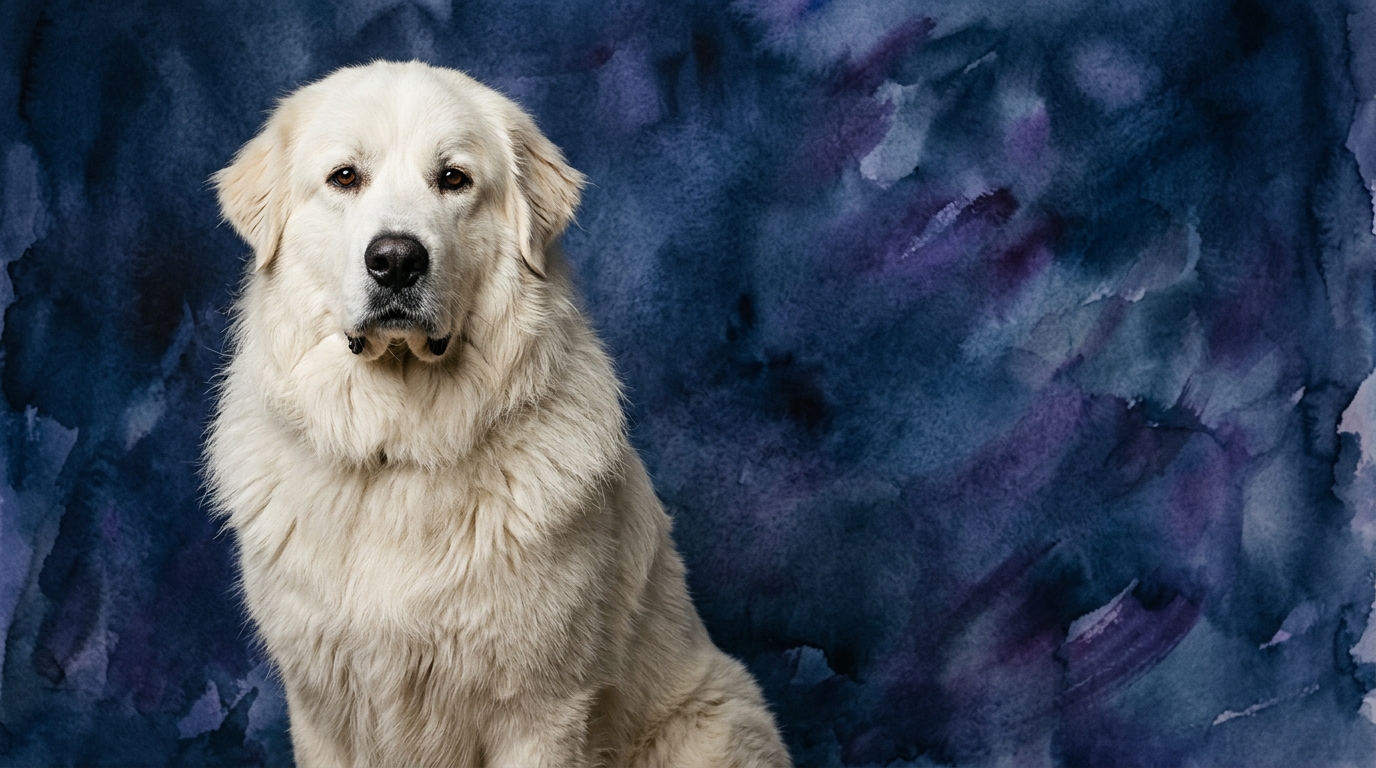
Our Pet IQ Lab scores offer a granular look at five distinct cognitive dimensions, providing a clearer picture than a single 'intelligence' metric. For the Great Pyrenees, its Coren rank of #64 reflects its independent working style, while the Brittany, at #19, showcases its responsiveness. Understanding these underlying scores is key to appreciating each breed's unique mental strengths.
The Great Pyrenees exhibits a Problem Solving score of 3/5. This suggests an adequate capacity for independent decision-making within its guardian role, such as assessing threats or managing livestock without direct human intervention. However, it implies a more deliberate, rather than quick, approach to novel or abstract challenges. Its Training Speed, also 3/5, indicates a moderate pace for learning new commands, necessitating consistency and patience from its handler. This breed often weighs the utility of a command before compliance, a hallmark of its self-reliant heritage.
Social Intelligence for the Great Pyrenees stands at 3/5. It is sufficient for discerning cues from its charges and potential threats, focusing its social energy on its protective duties rather than seeking constant human interaction or complex social games. An Instinctive Drive of 3/5 reflects a steady, unwavering protective instinct, focused on vigilance and defense of its territory or flock, without being overly driven by prey or retrieve. Finally, its Memory score of 3/5 means it retains routines and learned behaviors reliably, though perhaps not with the intricate recall needed for highly complex, multi-step tasks over extended periods.
In contrast, the Brittany boasts a Problem Solving score of 4/5. This higher rating signifies a greater aptitude for adapting to dynamic situations and figuring out complex tasks, particularly those encountered in a hunting environment. Its Training Speed is also 4/5, indicating a quick grasp of new commands and a strong willingness to engage in handler-directed learning. This breed typically enjoys the process of training and excels at forming associations rapidly.
The Brittany’s Social Intelligence is rated 3/5, similar to the Pyrenees, yet it manifests differently. While not overly focused on nuanced human social cues, it engages readily with its handler during tasks, prioritizing cooperation in its sporting role. Its Instinctive Drive, also 3/5, points to a well-balanced birding and retrieve drive – present and effective for its purpose, but typically manageable and not prone to excessive or uncontrollable energy. The Brittany truly shines with a Memory score of 5/5, demonstrating exceptional recall for commands, locations, and sequences, which is invaluable for intricate field work and competitive dog sports.
The Unsung Strengths of the Great Pyrenees
While the Brittany's scores might appear higher across several metrics, the Great Pyrenees excels in a unique cognitive domain: independent, self-directed problem-solving within its specialized guardian context. Its 3/5 Problem Solving score, while moderate, reflects a deep-seated capacity to assess threats and make decisions autonomously, often without human direction. This isn't about speed, but about a deliberate, calculated assessment of risk and the implementation of protective strategies, a quality honed over centuries of solitary work.
Its moderate Social Intelligence (3/5) and Instinctive Drive (3/5) are perfectly calibrated for its role. A Great Pyrenees doesn't need constant reassurance or complex social interactions to perform its duty. Instead, it possesses a steady, unwavering focus on its charges, capable of discerning friend from foe with a calm, discerning nature. This independent judgment, rather than immediate obedience, is its cognitive triumph. It 'wins' by being the ultimate self-sufficient protector, requiring minimal micro-management and demonstrating a steadfast resolve that few breeds can match.
Brittany's Edge in Adaptability and Recall
The Brittany's cognitive profile clearly positions it as a superior candidate for tasks requiring rapid learning, complex problem-solving in dynamic environments, and outstanding memory. Its 4/5 Problem Solving score allows it to quickly adapt to changing field conditions, track scent trails, and navigate varied terrain with intelligence. This breed isn't just following commands; it's actively processing information and making tactical decisions during its work.
The most striking cognitive advantage for the Brittany is its 5/5 Memory score. This exceptional recall is not merely about remembering basic commands; it's about retaining intricate sequences, remembering specific locations of retrieves, and holding multiple instructions in its working memory. Coupled with its 4/5 Training Speed, the Brittany becomes an incredibly efficient learner, capable of mastering advanced obedience, agility, and field commands with remarkable proficiency. This combination makes it highly versatile and a joy for owners who value a cooperative, engaged working partner.
Training Dynamics: Great Pyrenees vs. Brittany
When considering ease of training, the Brittany unequivocally takes the lead, largely due to its higher Training Speed (4/5) and exceptional Memory (5/5). Brittanys are bred to work in close partnership with a human handler, and their innate desire to please, combined with their quick cognitive processing, makes them highly responsive. They absorb new commands rapidly, retain them over long periods, and are generally eager to participate in training sessions. Their enthusiasm for learning means they often require fewer repetitions to solidify a behavior, making the training process feel rewarding and efficient for both dog and owner.
The Great Pyrenees presents a different training challenge, stemming from its independent nature and a Training Speed of 3/5. This breed was developed to make its own decisions in the absence of human instruction, leading to a tendency to evaluate commands rather than immediately comply. They are not 'stubborn' in a malicious sense, but rather 'deliberate' and 'self-reliant.' Training a Great Pyrenees requires immense patience, consistency, and a deep understanding of their guardian instincts. Success comes from building trust and convincing the dog that cooperation aligns with its own protective logic, rather than expecting swift, unquestioning obedience. Their memory (3/5) is sufficient for routines, but complex, rapid-fire command sequences are less natural for them than for a Brittany.
Lifestyle Suitability: Active vs. Relaxed Owners
The disparity in cognitive profiles directly translates into suitability for different owner lifestyles. The Brittany, with its higher problem-solving aptitude, rapid training speed, and outstanding memory, thrives with active, engaged owners. These dogs require consistent mental stimulation through training, puzzles, and interactive play, alongside significant physical exercise. Owners who enjoy hiking, running, dog sports like agility or field trials, or simply long, exploratory walks will find a Brittany to be an enthusiastic and capable companion. Their desire to work and learn means they can become bored or destructive if their cognitive and physical needs are not met.
Conversely, the Great Pyrenees is generally better suited for owners seeking a more relaxed pace, though 'relaxed' should not be mistaken for 'negligent.' While they are not high-energy sprinters requiring daily marathons, their needs are centered around providing a secure territory to guard and consistent, calm management. Their independent decision-making and steady temperament mean they are less demanding of constant, high-intensity interaction. Owners who appreciate a stoic, watchful presence and have ample space for their dog to patrol will find the Great Pyrenees a fitting match. They require mental engagement through their guardian duties, rather than through complex obedience drills or high-speed activities, making them ideal for a quieter, yet responsible, household.
The Verdict
Choose a Great Pyrenees if you seek an independent, calm guardian for property or livestock, valuing deliberate decision-making over rapid obedience and providing ample space for their protective instincts to flourish.
Opt for a Brittany if you're an active owner desiring a cooperative, quick-witted companion for outdoor adventures, field sports, or a highly trainable family dog that thrives on consistent engagement and intellectual challenges.
🧠 Find Your Pet's IQ Score
Our Pet IQ Lab assessment covers 25+ tests across 5 cognitive dimensions — personalized to your breed.
Take the Full IQ Test →Frequently Asked Questions
Does Coren rank reflect overall intelligence in these breeds?
Coren rank primarily assesses 'working and obedience intelligence,' focusing on trainability and compliance with human commands. While the Brittany's higher rank reflects its responsiveness, the Great Pyrenees' lower rank highlights its independent nature and preference for self-directed decision-making in its guardian role, rather than a lack of cognitive ability for its specific purpose.
How does the 'Instinctive Drive' score of 3/5 differ between the two breeds?
For the Great Pyrenees, a 3/5 indicates a steady, protective drive essential for guarding, manifesting as vigilance without excessive aggression or prey drive. For the Brittany, 3/5 points to a well-balanced birding and retrieve drive, strong enough for effective field work but typically manageable and not overly high-strung, allowing for good handler control.
Can a Great Pyrenees excel in obedience despite its lower training speed?
While a Great Pyrenees may take longer to master complex obedience commands due to its independent decision-making and 3/5 training speed, it can certainly achieve a good level of obedience with consistent, patient, and positive reinforcement training. Success often depends on building trust and understanding its motivation, rather than expecting the quick compliance seen in more biddable breeds.