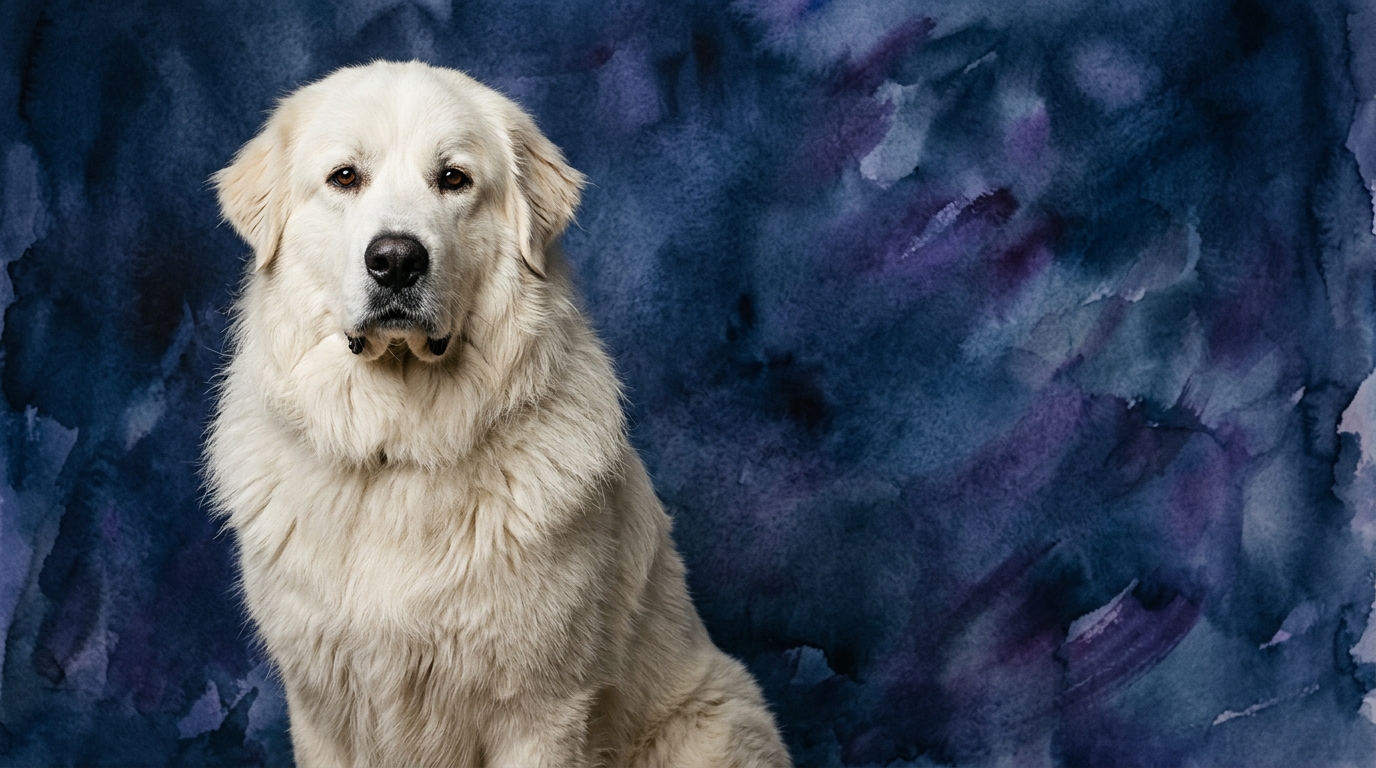
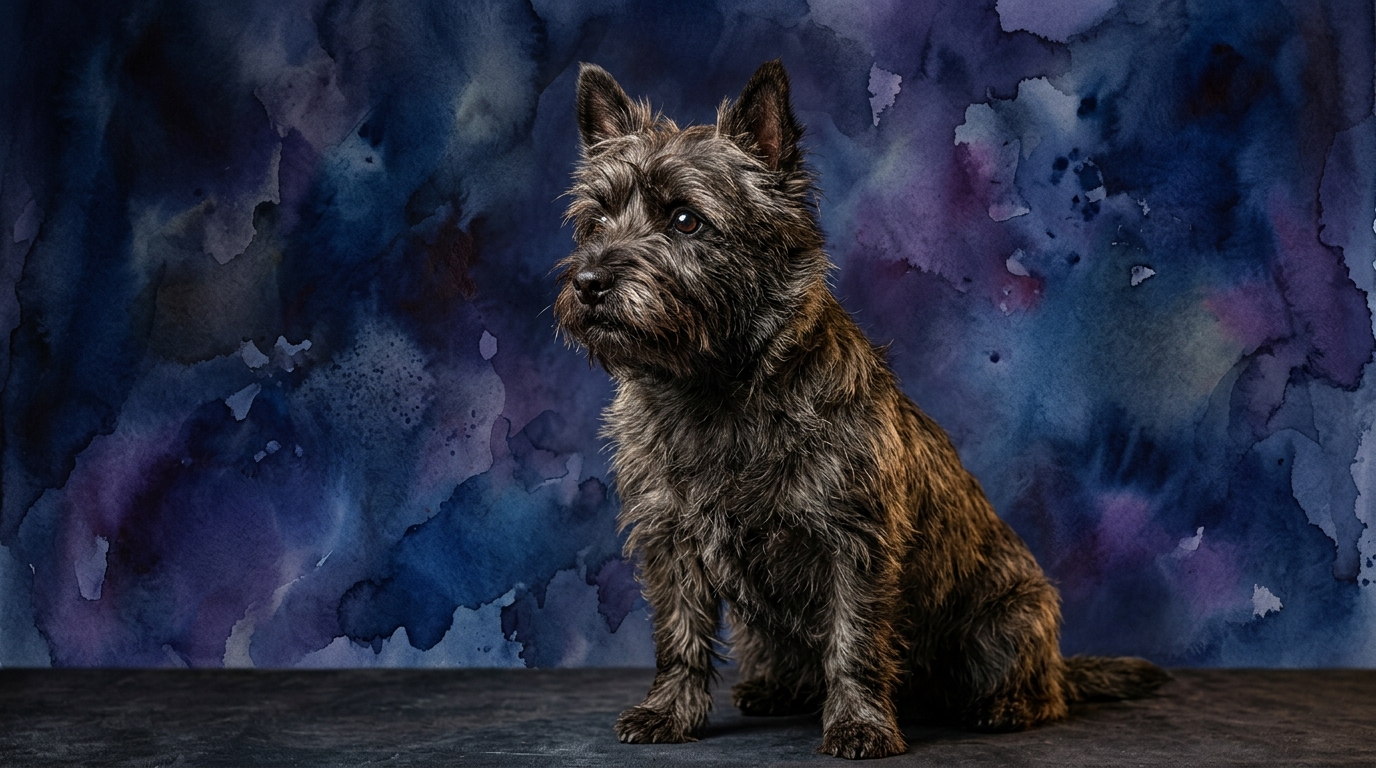
Side-by-Side IQ Profile: Great Pyrenees vs. Cairn Terrier
The Cosmic Pet Pet IQ Lab provides a structured way to understand canine cognition across five dimensions. Let's examine how the Great Pyrenees and Cairn Terrier stack up, revealing their inherent aptitudes and tendencies.
Great Pyrenees (Coren Rank #64): Problem Solving (3/5): These gentle giants display a measured approach to challenges, relying on independent judgment honed over centuries of protecting flocks. Their problem-solving involves assessing threats and making autonomous decisions, not quick tricks. Training Speed (3/5): The Great Pyrenees learns at a moderate pace. Their inherent independence means they process commands, but their primary drive is often self-directed guardianship, requiring patient, consistent instruction. Social Intelligence (3/5): Their social acumen is evident in their profound bond with their charges, be it sheep or family. They understand hierarchical dynamics and exhibit a calm, protective social presence. Instinctive Drive (3/5): Their core instinct is protection. This drive manifests as vigilance, territorial awareness, and unwavering commitment to their perceived flock, guiding much of their behavior. Memory (3/5): A Great Pyrenees possesses solid memory, retaining important boundaries, routines, and identities of family and flock. They remember threats and safe zones, crucial for their guarding role.
Cairn Terrier (Coren Rank #35): Problem Solving (4/5): Cairn Terriers exhibit a sharp, opportunistic problem-solving style. They excel at figuring out how to get to a desired object or location, demonstrating cleverness and tenacity in overcoming obstacles. Training Speed (4/5): These spirited dogs pick up new commands and routines with impressive speed. Their eagerness to engage and quick wit make them responsive pupils, thriving on mental challenges and positive reinforcement. Social Intelligence (3/5): Cairns are generally sociable, adapting well to family dynamics and understanding human cues. They can be adept at manipulating situations to their advantage within a social context. Instinctive Drive (3/5): The terrier's innate drive to hunt small prey is strong, leading to behaviors like digging and chasing. This instinct fuels their determination and provides foundational motivation. Memory (4/5): Cairn Terriers possess keen memory, quickly recalling learned commands, hidden toys, and past experiences. This strong recall contributes to their trainability and ability to navigate environments.
Where the Great Pyrenees Wins Cognitively
The Great Pyrenees distinguishes itself through a cognitive framework built for autonomous decision-making and unwavering vigilance, making them exceptional in their traditional role. Their 3/5 problem-solving isn't about rapid solutions, but deliberate, independent assessment of their environment, particularly when safeguarding their flock. This breed's strength lies in operating without constant human direction, making nuanced judgments on threats. Their social intelligence, rated 3/5, is specifically tailored for bonding deeply with their charges, understanding subtle flock dynamics, and discerning friend from foe with a calm, watchful presence. This cognitive independence, coupled with a steady memory for their territory, provides a unique advantage in roles requiring profound protective instinct.
Where the Cairn Terrier Wins Cognitively
The Cairn Terrier shines with a cognitive profile geared towards rapid learning, sharp recall, and tenacious problem-solving, making them highly adaptable companions. Their impressive 4/5 score in problem-solving reflects a breed actively seeking solutions, from retrieving toys to navigating scent trails. A significant advantage is their 4/5 training speed, indicating they absorb new commands and behaviors with remarkable alacrity. This makes them rewarding for owners who enjoy teaching intricate tricks or dog sports. Furthermore, their 4/5 memory score ensures lessons are retained effectively, building a robust foundation for cumulative learning. These higher scores position the Cairn Terrier as a breed thriving on mental engagement.
Which Is Easier to Train and Why
When considering ease of training, the Cairn Terrier generally presents a more straightforward path for most owners. Their 4/5 training speed means they grasp new commands and concepts quickly, often eager to please and respond to positive reinforcement. A Cairn’s higher problem-solving also translates into a dog that readily understands a task's 'how' and 'why,' making them receptive to structured training and agility challenges. They are typically motivated by food, praise, and play, making guiding their behavior relatively efficient. In contrast, the Great Pyrenees, with its 3/5 training speed and deeply ingrained independence, requires a different approach. They are deliberate, not necessarily difficult. Historically bred to make its own decisions, a Pyrenees might process a command and decide if it aligns with perceived duties, rather than executing it immediately. Their training demands immense patience, consistency, and understanding that their ultimate loyalty is often to protective instincts, which can override a learned command. This makes them less 'easy' in conventional obedience, but effective in specialized roles.
Which Suits Active Owners vs. Relaxed Owners
For owners with an active lifestyle seeking a partner for engaging activities, the Cairn Terrier is often the more fitting choice. Their higher problem-solving and memory scores mean they thrive on mental stimulation, enjoying obedience, agility, or trick training. They possess robust energy requiring regular outlets, which an active owner can channel into productive endeavors, preventing boredom. They are eager participants in daily adventures. Conversely, the Great Pyrenees suits more relaxed owners, or those whose 'activity' centers around maintaining a stable, secure environment. While large, their inherent temperament is often calm indoors. They are not typically high-energy dogs seeking constant vigorous play; rather, they prefer to survey their domain. Their independence means they don't demand constant engagement, ideal for individuals appreciating a self-reliant companion but understanding their need for a secure outdoor space to patrol and a slow, steady walking routine. They thrive on a relaxed, predictable routine where their primary role is watchful companionship.
The Verdict
Choose the Great Pyrenees if you value an independent, calm, and profoundly protective companion whose cognitive strengths lie in autonomous decision-making and steadfast vigilance over a perceived flock or family. They thrive with owners who appreciate their self-reliant nature and are prepared for a deliberate training journey focused on partnership rather than strict obedience.
Opt for the Cairn Terrier if you desire a spirited, adaptable, and highly trainable companion eager to engage in mental challenges and learn new skills. They suit active owners who can provide consistent mental stimulation and appreciate a dog with quick wit and tenacious problem-solving abilities.
🧠 Find Your Pet's IQ Score
Our Pet IQ Lab assessment covers 25+ tests across 5 cognitive dimensions — personalized to your breed.
Take the Full IQ Test →Frequently Asked Questions
Do Great Pyrenees and Cairn Terriers get along well with other pets?
Great Pyrenees are often good with other animals they consider part of their flock, showing a calm, protective nature. Cairn Terriers, with their strong prey drive, may need careful introduction to smaller pets but can coexist peacefully with appropriate socialization.
Which breed is better for apartment living?
Given their size and need for a secure outdoor area to patrol, Great Pyrenees are generally not ideal for apartment living. Cairn Terriers, being smaller and adaptable, can thrive in apartments provided they receive ample daily exercise and mental stimulation.
What are the primary motivations for each breed in training?
Great Pyrenees are often motivated by strong bonds with their owner and a desire to understand their role, responding well to patient, positive reinforcement. Cairn Terriers are typically highly food-motivated and enjoy interactive play, making them eager participants in reward-based training.