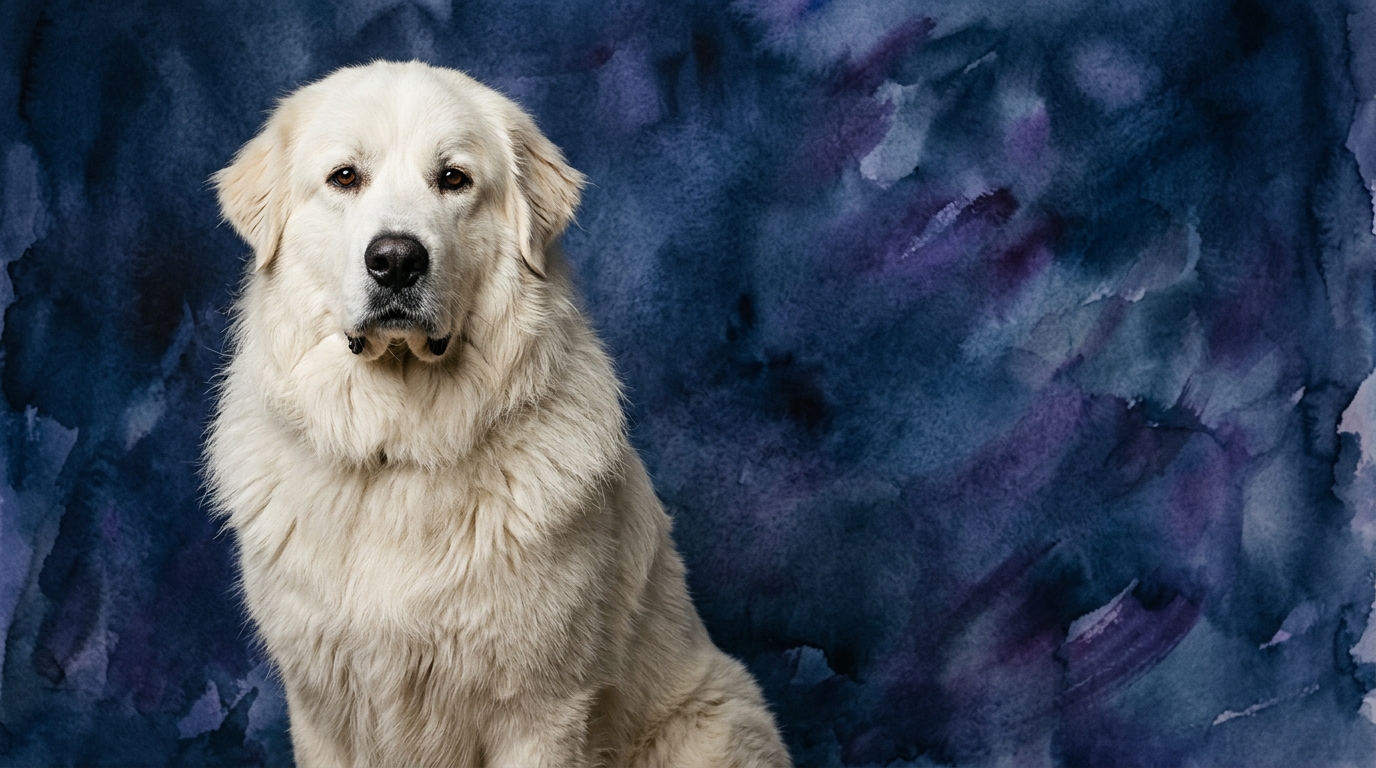
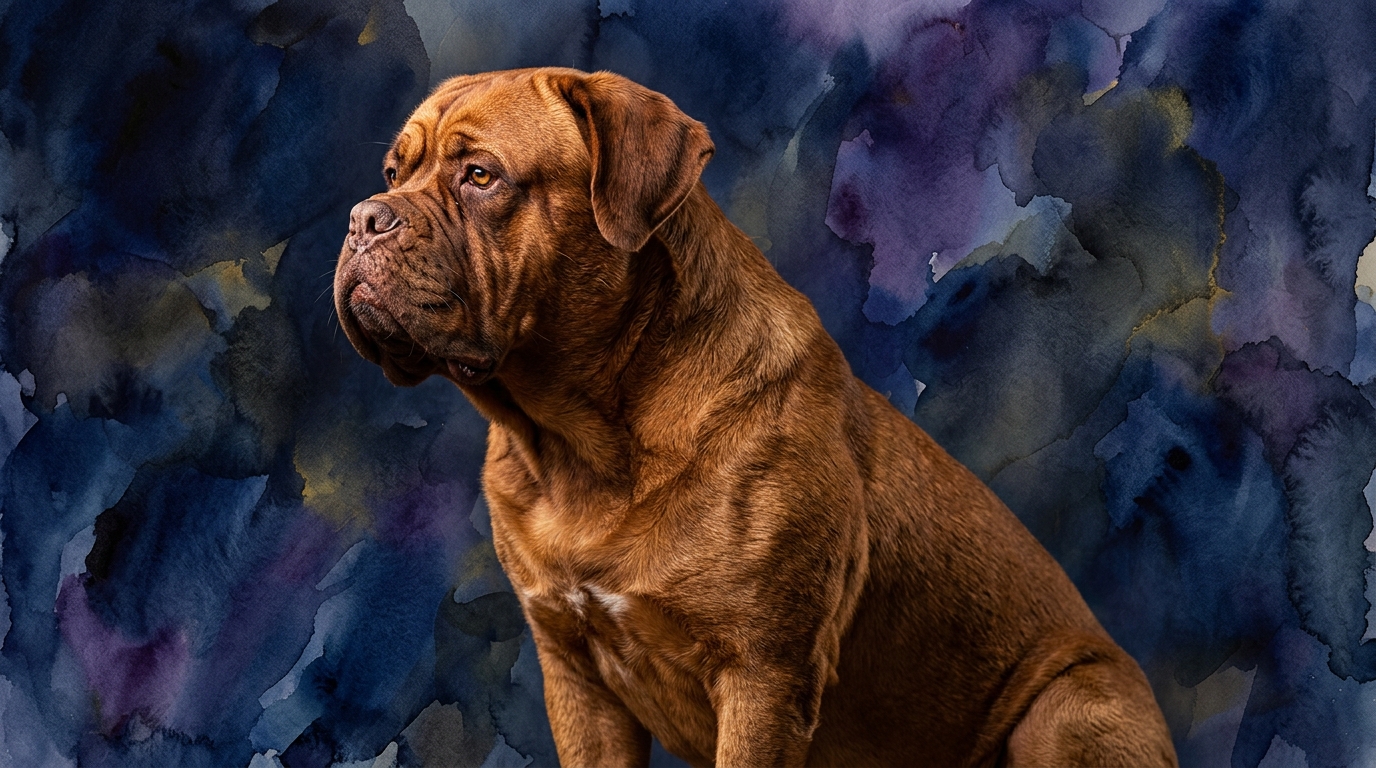
Side-by-Side Cognitive Profiles: Great Pyrenees vs. Dogue de Bordeaux
Both the Great Pyrenees and the Dogue de Bordeaux, despite their distinct appearances and origins, share identical scores across the five dimensions of The Cosmic Pet Pet IQ Lab. This uniformity in raw cognitive scores (3/5 for problem-solving, training speed, social intelligence, instinctive drive, and memory) suggests a moderate capacity in each area, but the *application* of these capacities varies significantly based on their ancestral tasks and inherent breed characteristics. Understanding these nuances is key to appreciating their individual cognitive strengths.
For the Great Pyrenees, a Working dog breed, their Coren rank of #64 places them within the average working/obedience intelligence group, indicating they typically learn new commands in 25-40 repetitions and obey a known command on the first try about 30% of the time. Their 3/5 problem-solving manifests in independent decision-making, crucial for a livestock guardian assessing threats and reacting without human direction. Training speed at 3/5 suggests they are capable learners, though their independent nature means compliance can be selective. Social intelligence at 3/5 is often directed towards their flock or family, displaying discernment rather than effusive openness. Their instinctive drive at 3/5 is profoundly protective and territorial, while their memory at 3/5 allows them to recall threats and safe boundaries over time.
The Dogue de Bordeaux, also a Working dog, is not ranked by Coren, which typically indicates a breed that falls below the threshold for understanding new commands in 40+ repetitions or obeying less than 30% of the time on the first command. This does not imply a lack of cognitive ability but rather a different kind of intelligence or motivation. Their 3/5 problem-solving is often geared towards discerning perceived threats to their family or territory. A 3/5 training speed suggests they are capable of learning, but their strong will and focus on their human family can influence their motivation to perform standard obedience tasks. Their social intelligence at 3/5 is deeply rooted in loyalty to their inner circle, often making them reserved with strangers. Instictive drive at 3/5 is intensely protective of their home and people, and their memory at 3/5 helps them remember routines and family members.
Where the Great Pyrenees Excels Cognitively
The Great Pyrenees' cognitive strengths lie in their autonomous decision-making and environmental awareness, a direct reflection of their history as solitary livestock guardians. Their 3/5 problem-solving isn't about solving puzzles for treats, but about evaluating complex, dynamic situations like predator threats and herd movements in vast, open spaces without direct human input. This requires a sophisticated ability to assess risk, prioritize actions, and adapt strategies based on subtle environmental cues. Their instinctive drive, also rated 3/5, fuels this independent judgment, allowing them to act decisively to protect their charges, a cognitive function that prioritizes vigilance and self-reliance above all else.
Furthermore, their social intelligence, while rated 3/5, is uniquely tuned to their guardianship role. They develop deep bonds with their 'flock'—be it sheep, other animals, or their human family—and exhibit a discerning understanding of who belongs and who poses a threat. This isn't a broad, universally friendly social intelligence, but rather a focused, protective one that allows them to distinguish friend from foe with quiet confidence. Their memory (3/5) supports this by allowing them to recall established territories, past threats, and the routines of their charges, contributing to their consistent and reliable protective behavior.
Where the Dogue de Bordeaux Shows Cognitive Strengths
The Dogue de Bordeaux, with identical 3/5 scores, demonstrates its cognitive strengths through profound loyalty and a nuanced understanding of family dynamics. Their problem-solving (3/5) often manifests in their ability to interpret human emotions and situations within the home, discerning when comfort is needed or when a perceived threat requires their intervention. This isn't about independent outdoor decision-making, but rather an acute awareness of their immediate human environment, making them highly attuned family protectors and companions. Their social intelligence (3/5) is intensely focused on their chosen people, allowing them to form deep, empathetic bonds and understand subtle human cues, making them remarkably sensitive to their family's needs.
Their instinctive drive (3/5) is powerfully territorial and family-oriented, leading to a strong protective instinct that is often expressed with discernment rather than aggression. They are capable of assessing who is a genuine threat and who is merely a stranger, demonstrating a level of cognitive processing that balances their protective urges with their social understanding. The Dogue's memory (3/5) supports their strong family bonds, allowing them to remember routines, favored family members, and established safe zones within their home, contributing to their consistent and reliable presence as a guardian and companion.
Trainability: Great Pyrenees vs. Dogue de Bordeaux
When assessing trainability, both breeds carry a 3/5 rating for training speed, indicating a moderate capacity to learn. However, their Coren ranks (Pyrenees #64, Bordeaux unranked) tell a more complete story about their willingness to comply with standard obedience. The Great Pyrenees' independence, stemming from centuries of making their own decisions while guarding livestock, means they learn commands but often choose when to execute them. They are not inherently eager to please in the typical canine sense; their motivation is often rooted in perceived purpose or their own assessment of a situation. Training a Pyrenees requires immense patience, consistency, and a deep understanding of positive reinforcement to appeal to their self-sufficient nature, rather than expecting rote obedience. They learn best when they believe it's their idea or serves a clear purpose.
The Dogue de Bordeaux, despite also having a 3/5 training speed, presents a different set of challenges. Being unranked by Coren suggests a higher difficulty in achieving consistent obedience compared to the Pyrenees. This is often due to a strong will and a tendency towards stubbornness, rather than an inability to learn. While deeply loyal to their family, a Dogue may not see the immediate value in repetitive obedience drills if it doesn't align with their comfort or desire to be near their people. Training requires a firm but gentle hand, early socialization, and consistent motivation, often through praise and affection from their beloved family. They respond best to training that feels like a collaborative effort, with their primary handler, rather than a series of strict commands.
Suitability for Active vs. Relaxed Owners
For owners with an active lifestyle, neither the Great Pyrenees nor the Dogue de Bordeaux are typically high-energy dogs in the traditional sense, though their exercise needs differ. The Great Pyrenees, while capable of long patrols in their historical role, are generally calm indoors but require a secure, spacious outdoor area where they can survey their 'territory.' They are not suited for owners seeking a jogging partner or a dog for intense agility sports. Their activity is more about purposeful roaming and vigilance. They thrive with owners who appreciate their independent nature and can provide a large, fenced yard and routine, moderate walks, without demanding high-impact exercise.
The Dogue de Bordeaux is generally a more relaxed indoor companion, often content to lounge near their family. While they appreciate regular, moderate exercise—such as daily walks or playtime in a secure yard—they are not built for endurance or intense physical activity due to their heavy build and brachycephalic (short-nosed) structure. They are better suited for owners who enjoy leisurely strolls and indoor companionship rather than rigorous outdoor adventures. Both breeds require owners who understand their moderate energy levels and specific needs, rather than expecting a dog that will enthusiastically participate in demanding physical activities.
The Verdict
Choose the Great Pyrenees if you seek an independent, vigilant guardian capable of autonomous decision-making, and you appreciate a dog whose loyalty is expressed through quiet, self-sufficient protection rather than constant interaction.
Opt for the Dogue de Bordeaux if you desire a deeply loyal, devoted family companion whose protective instincts are intensely focused on their inner circle, and you value a dog that thrives on close human connection and companionship.
🧠 Find Your Pet's IQ Score
Our Pet IQ Lab assessment covers 25+ tests across 5 cognitive dimensions — personalized to your breed.
Take the Full IQ Test →Frequently Asked Questions
Are Great Pyrenees good apartment dogs?
Great Pyrenees are generally not ideal apartment dogs due to their large size, deep bark, and inherent need for a secure outdoor space to survey. While calm indoors, their instinct to patrol and guard is best satisfied with a large, fenced yard.
Do Dogue de Bordeaux drool a lot?
Yes, Dogue de Bordeaux are known for drooling, especially after eating or drinking, due to their loose jowls. Owners should be prepared for this characteristic and have towels on hand.
Which breed is better with children?
Both breeds can be excellent with children when properly socialized and raised, often displaying a gentle and protective nature. However, due to their size, supervision is always essential, and their individual temperaments will vary.