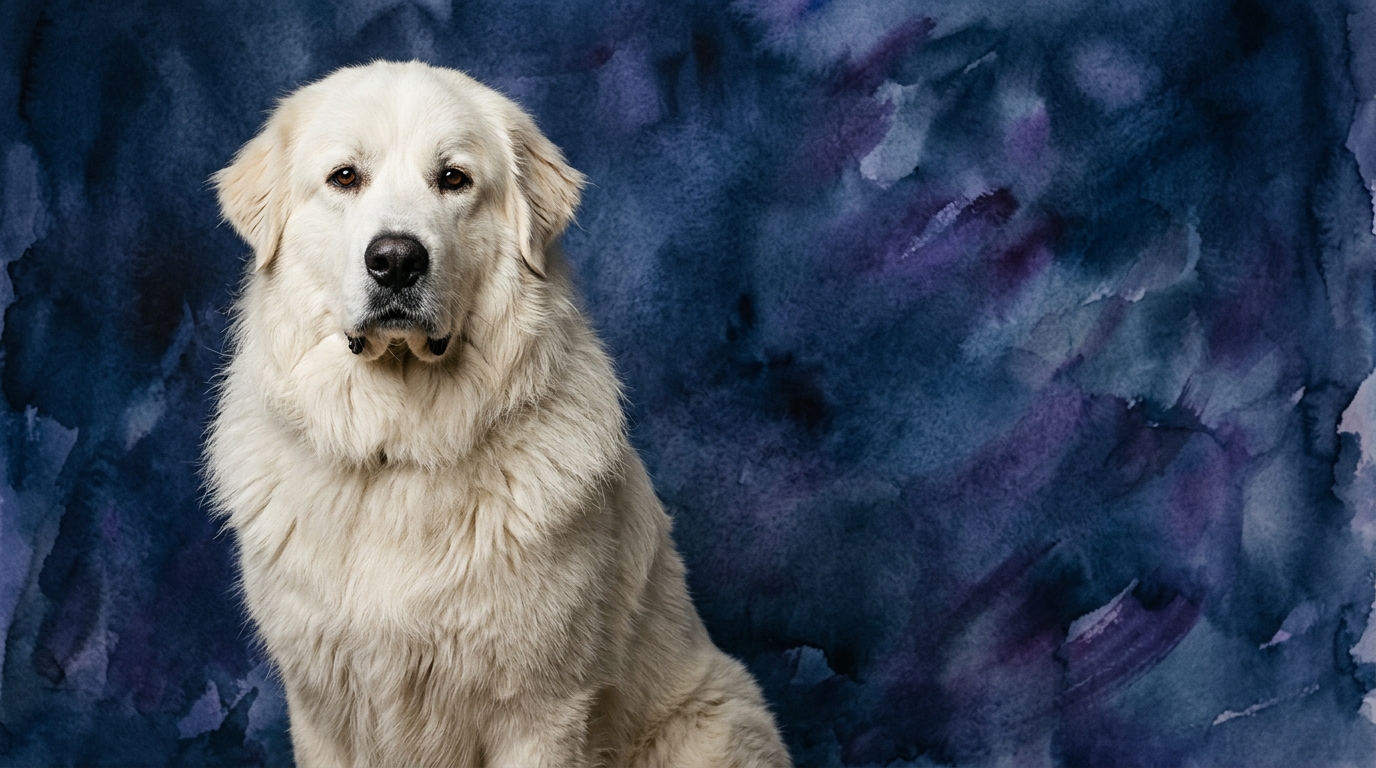

Side-by-Side IQ Profile: Great Pyrenees vs. English Cocker Spaniel
The Great Pyrenees, ranked #64 by Coren, demonstrates a cognitive profile optimized for autonomous guardianship. Their Problem Solving is rated 3/5, indicating a moderate capacity for independent thought and strategic action, particularly in assessing threats to their flock. With a Training Speed of 3/5, they absorb commands steadily but require patience due to their inherent independence. Their Social Intelligence scores 3/5, allowing for bonds with humans but prioritizing their protective duties. An Instinctive Drive of 3/5 reflects a consistent, deep-seated motivation for guarding, while their Memory, also 3/5, is sufficient for recalling essential routines and familiar entities.
In contrast, the English Cocker Spaniel, with a higher Coren rank of #18, exhibits a cognitive makeup tailored for collaborative fieldwork. Their Problem Solving is 4/5, showcasing a greater aptitude for navigating complex environments and overcoming obstacles in pursuit of a goal. A Training Speed of 4/5 means they pick up new commands relatively quickly, eager to please and engage. Their Social Intelligence is 3/5, enabling them to form strong attachments and interpret handler cues effectively. An Instinctive Drive of 3/5 translates to a focused natural inclination for hunting and retrieving, and notably, their Memory scores a perfect 5/5, signifying an exceptional ability to retain a vast array of information, crucial for their sporting role.
Where the Great Pyrenees Wins Cognitively
The Great Pyrenees' cognitive strengths are deeply rooted in their original purpose: autonomous livestock guardianship. Their Problem Solving score of 3/5, while not the highest, truly shines in situations demanding independent judgment and strategic thinking without direct human command. Unlike a breed designed for immediate handler response, a Pyrenees excels at surveying a large territory, identifying potential threats like predators, and making on-the-spot decisions to deter them. This isn't about solving a puzzle box, but rather assessing a dynamic, real-world situation and acting decisively based on an innate understanding of their role.
Their moderate Instinctive Drive (3/5) is perfectly calibrated for this, providing a consistent, unwavering motivation to protect without becoming overly reactive or dependent on human guidance. They possess a patient, watchful intelligence, capable of long periods of observation before a calculated intervention, a unique cognitive advantage for their specific duties. This independent, deliberative problem-solving, focused on environmental assessment and protection, is where the Pyrenees' cognition truly differentiates itself.
Where the English Cocker Spaniel Wins Cognitively
The English Cocker Spaniel's cognitive profile showcases a different kind of brilliance, particularly evident in their superior memory and problem-solving skills tailored for their role as gundogs. Their Memory score of 5/5 is a standout, enabling them to flawlessly recall complex scent patterns, the precise location of multiple fallen birds, and an extensive vocabulary of commands. This exceptional recall is not just about remembering tricks; it’s a critical asset for efficient and effective fieldwork, allowing them to execute intricate search patterns and retrievals with precision.
Coupled with a Problem Solving score of 4/5, they demonstrate a keen ability to navigate challenging environments, overcome obstacles to reach a target, or figure out how to flush game from dense cover. While their Social Intelligence is 3/5, this combines effectively with their problem-solving to interpret handler signals rapidly and adapt their strategies mid-task, making them highly effective, responsive partners in the field. Their cognitive edge lies in their capacity for rapid learning, detailed recall, and adaptable problem-solving in a collaborative, task-oriented setting.
Which is Easier to Train and Why
When considering ease of training, the English Cocker Spaniel generally presents a more straightforward experience for the average owner, largely due to their higher Training Speed (4/5) and exceptional Memory (5/5). They are eager to please and thrive on engagement, quickly grasping new commands and retaining them with remarkable consistency. Their motivation often stems from working closely with a handler, making positive reinforcement highly effective. Their sporting background means they are bred to work in partnership, making them naturally responsive to direction and keen to perform tasks for their human companion.
In contrast, the Great Pyrenees, with a Training Speed of 3/5, requires a different approach. While capable of learning, their historical role as independent guardians means they are wired to make their own decisions rather than slavishly follow every human directive. They often weigh a command against their perception of its necessity or their inherent protective instincts. This can translate into a charming stubbornness or a perceived slowness to respond, requiring immense patience, clear boundaries, and a deep understanding of their guardian mindset. Training a Pyrenees is less about rote obedience and more about building a respectful partnership where they understand expectations and choose to comply, rather than simply obeying out of biddability.
Suitability for Active vs. Relaxed Owners
The choice between these breeds significantly depends on an owner's lifestyle. The English Cocker Spaniel is an ideal fit for active owners who relish consistent engagement and provide ample mental and physical stimulation. Their background as sporting dogs means they possess a moderate Instinctive Drive (3/5) for activity, coupled with a high Training Speed (4/5) and Problem Solving (4/5) that makes them excellent candidates for dog sports, advanced obedience, and long, varied excursions. They thrive on having a 'job' and being an active participant in family life, requiring regular, stimulating activities to prevent boredom.
Conversely, the Great Pyrenees aligns better with more relaxed owners who appreciate a calm, watchful presence and are prepared for a different kind of daily interaction. While they need exercise, their moderate Instinctive Drive (3/5) is more about patrolling and observing than high-intensity bursts. Their preference for surveying their domain and their independent nature mean they are content with a steady routine and less demanding of constant, high-energy interaction, although regular, moderate activity is still essential for their well-being. They are often content to be a steadfast, observant presence rather than a constant participant in high-octane activities.
The Verdict
Choose the Great Pyrenees if you seek an independent, watchful companion, appreciating a dog whose quiet problem-solving and protective instincts are paramount, and you are prepared for a patient, partnership-based training journey.
Opt for the English Cocker Spaniel if you desire an engaged, responsive partner for active pursuits, valuing their quick learning, exceptional memory, and enthusiasm for collaborative tasks and training.
🧠 Find Your Pet's IQ Score
Our Pet IQ Lab assessment covers 25+ tests across 5 cognitive dimensions — personalized to your breed.
Take the Full IQ Test →Frequently Asked Questions
Do Great Pyrenees dogs learn quickly?
Great Pyrenees have a moderate Training Speed (3/5), meaning they learn at a steady pace but often require patience and consistent methods. Their independent nature can sometimes be misinterpreted as slowness, but they are capable learners with a different motivation than more biddable breeds.
What makes English Cocker Spaniels good at retrieving?
English Cocker Spaniels excel at retrieving due to their exceptional Memory (5/5) and strong Problem Solving (4/5) skills. This allows them to remember fall locations, navigate challenging terrain, and interpret handler cues efficiently, making them highly effective in field tasks.
How do their social intelligences compare?
Both Great Pyrenees and English Cocker Spaniels score 3/5 in Social Intelligence. This indicates they are capable of forming strong bonds and reading human cues, but neither is necessarily a breed defined by overwhelming social need; rather, they engage sufficiently for their historical working partnerships.