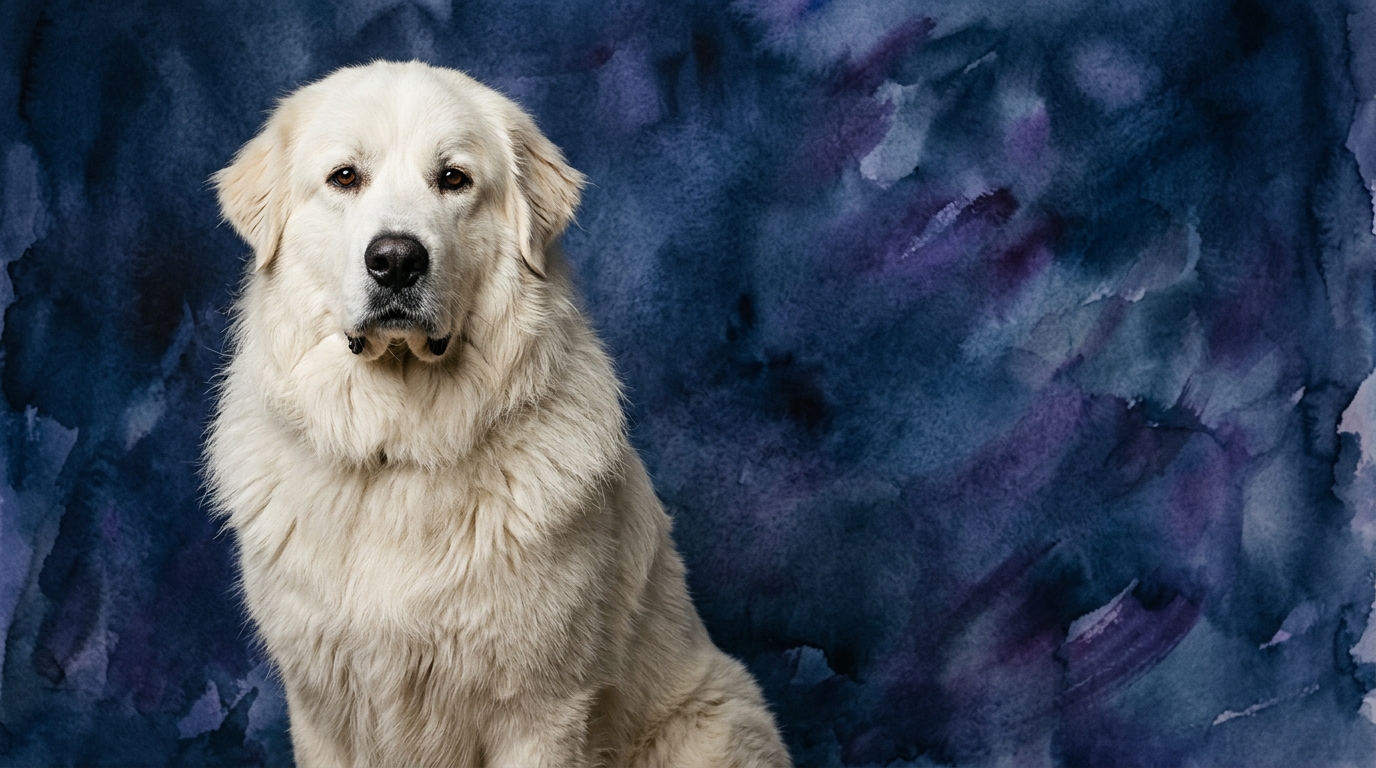
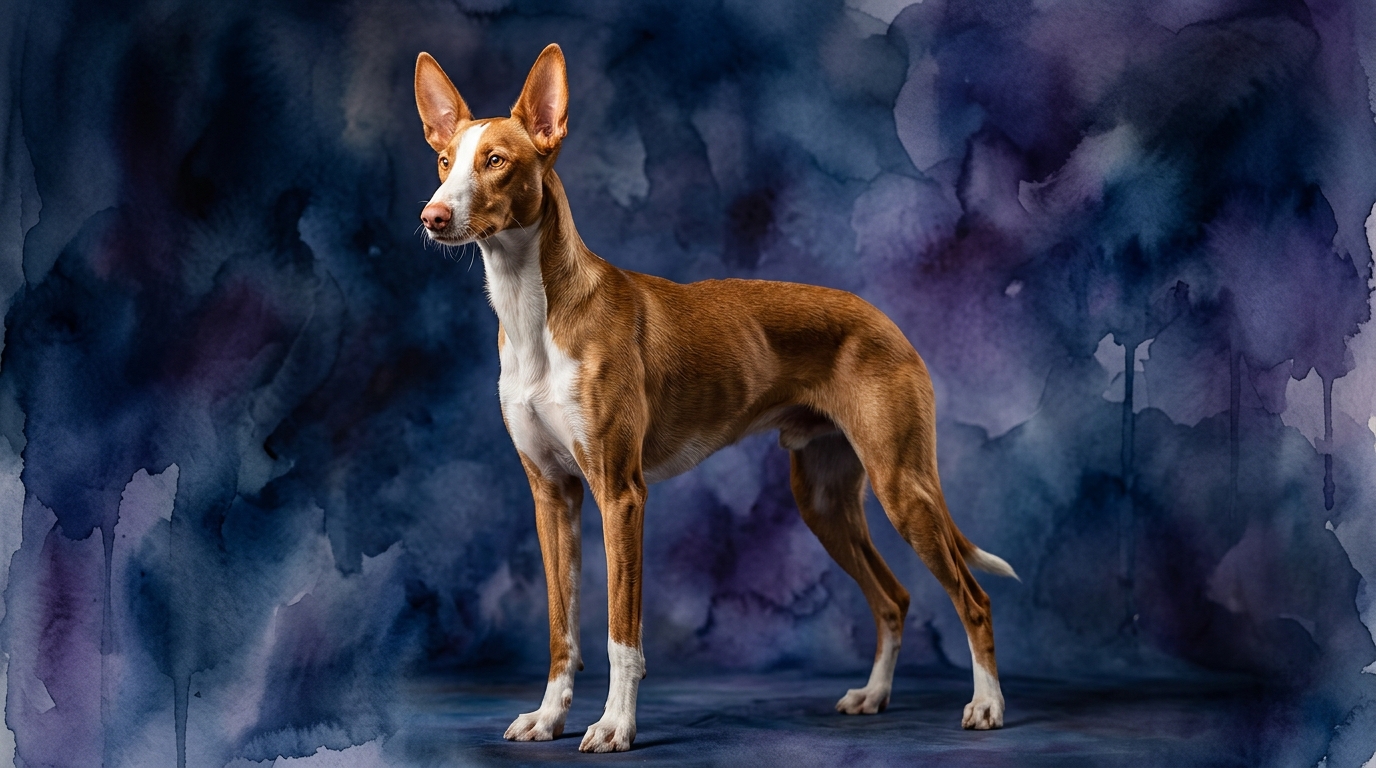
Side-by-Side IQ Profile: Great Pyrenees vs. Ibizan Hound
The Cosmic Pet Pet IQ Lab assesses canine intelligence across five key dimensions, and for both the Great Pyrenees and the Ibizan Hound, the scores are remarkably uniform. Let's break down what a consistent 3/5 score means for each breed, considering their unique heritage.
For the **Great Pyrenees (Coren Rank #64, Working Group)**, a 3/5 in **Problem Solving** reflects their capacity to independently assess threats to their flock, determining the most effective, often non-confrontational, deterrent. Their **Training Speed (3/5)** indicates they can learn commands, but their independent nature means they often weigh a request against their primary guardian duties before complying. **Social Intelligence (3/5)** is evident in their protective vigilance over their family or livestock, understanding subtle social cues within their 'flock' and identifying outsiders. Their **Instinctive Drive (3/5)** is powerfully expressed as a deep-seated guardian instinct, prompting them to patrol, observe, and protect. Finally, **Memory (3/5)** allows them to recall routines, safe boundaries, and past interactions with potential threats or allies.
The **Ibizan Hound (Coren Rank #53, Hound Group)** also scores 3/5 across the board, but their cognitive application is geared towards the hunt. Their **Problem Solving (3/5)** manifests in navigating complex terrain during a chase, figuring out how to outmaneuver prey, or finding the most efficient path. **Training Speed (3/5)** suggests they can grasp concepts, yet their intense prey drive and independent sighthound nature mean they can be easily distracted if a more compelling scent or movement arises. **Social Intelligence (3/5)** helps them coordinate within a hunting pack, understanding their role and the movements of other hounds, and they form close bonds with their human families. Their **Instinctive Drive (3/5)** is overwhelmingly focused on their prey drive – to spot, chase, and capture. **Memory (3/5)** enables them to recall successful hunting strategies, familiar hunting grounds, and the specific commands associated with the hunt, as well as their daily human routines.
Where the Great Pyrenees Excels Cognitively
The Great Pyrenees' cognitive strengths lie in their nuanced, independent decision-making in a protective context. While their problem-solving score is 3/5, this translates into an exceptional ability to evaluate a situation and choose the least aggressive, yet most effective, course of action to protect their charges. They might use their imposing presence, a low growl, or subtle body language to deter perceived threats, rather than immediate confrontation. This requires a sophisticated understanding of cause and effect, and an ability to 'read' the environment and its inhabitants. Their social intelligence, while rated 3/5, is specifically tuned to the dynamics of a group they consider their family or flock, allowing them to gently guide and protect, displaying remarkable patience and discernment regarding who belongs and who poses a risk. This makes them masters of calm, steadfast vigilance, a cognitive trait invaluable for their original purpose as livestock guardians.
Where the Ibizan Hound Excels Cognitively
The Ibizan Hound's cognitive brilliance shines in their unparalleled observational skills and strategic pursuit. Their 3/5 problem-solving ability is geared towards dynamic, real-time challenges: rapidly assessing distances, calculating trajectories, and adapting their running path to outwit fast-moving prey. This isn't about static problem-solving but fluid, immediate cognitive processing under high stakes. Their memory (3/5) is particularly adept at recalling the nuances of specific hunting grounds, remembering where prey was last seen, or which routes lead to success. The Ibizan Hound's instinctive drive, while also a 3/5, is a finely honed instrument of the chase, demonstrating incredible focus and agility both mentally and physically. They possess a keen ability to use their senses in concert—sight, hearing, and scent—to achieve their objective, showcasing a specialized form of intelligence geared entirely toward the thrill and strategy of the hunt.
Training: Great Pyrenees vs. Ibizan Hound
Given their identical 3/5 training speed scores, the perceived ease of training for Great Pyrenees and Ibizan Hounds often comes down to their underlying motivations and breed-specific behaviors, rather than raw learning capacity. The Great Pyrenees, as an independent livestock guardian, was bred to make decisions without human intervention. This means they often view commands as suggestions, especially if they conflict with their perceived duty to protect. Training a Pyr requires immense patience, consistency, and an understanding that their compliance is often voluntary, based on whether they deem the command logical or necessary for the family's well-being. They can be slow to respond if distracted by a perceived threat or if they simply don't see the point, making them challenging for novice owners seeking instant obedience.
The Ibizan Hound, while also independent, is driven by a powerful prey instinct. Their 'training speed' can be excellent when the task aligns with their natural drives, like lure coursing. However, outside of these contexts, their strong desire to chase anything that moves can make them highly distractible. A sudden squirrel or distant movement can completely override any command, regardless of how well-learned. They are also known to be sensitive, responding best to positive reinforcement and gentle guidance rather than harsh corrections. Both breeds require creative, engaging training methods that respect their inherent independence and channel their specific drives, making neither inherently 'easier' in the traditional sense, but rather requiring different approaches to foster compliance and partnership.
Which Suits Active Owners vs. Relaxed Owners?
The Great Pyrenees generally suits a more relaxed owner who appreciates a calm, observant companion, but understands the need for consistent, low-key activity and mental stimulation related to their guardian nature. While not a high-energy dog in terms of intense, sustained exercise, they thrive on having a 'flock' to watch over and require a securely fenced yard to prevent independent wanderings. Their mental activity is often internal, observing their surroundings and processing potential threats, making them ideal for owners who enjoy a dog with a thoughtful, self-sufficient presence rather than a constant demand for engagement.
The Ibizan Hound, conversely, is better suited for active owners who can provide ample opportunities for physical exertion and mental engagement that taps into their sighthound instincts. Their high prey drive and need for speed mean they excel in activities like lure coursing, long off-leash runs in secure areas, or competitive dog sports. While affectionate and generally quiet indoors, they require significant daily exercise to prevent boredom and destructive behaviors. Owners who enjoy hiking, running, or have a large, securely fenced property where an Ibizan can really stretch their legs will find a compatible partner in this breed, providing outlets for their intense, fast-paced cognitive and physical energy.
The Verdict
Choose a Great Pyrenees if you seek a calm, independent guardian who excels at nuanced threat assessment and offers a steadfast, protective presence for your family or livestock.
Opt for an Ibizan Hound if you're an active owner who can provide outlets for a keen-sighted, agile companion whose intelligence shines in strategic pursuit and dynamic problem-solving during fast-paced activities.
🧠 Find Your Pet's IQ Score
Our Pet IQ Lab assessment covers 25+ tests across 5 cognitive dimensions — personalized to your breed.
Take the Full IQ Test →Frequently Asked Questions
Are Great Pyrenees good off-leash?
Great Pyrenees possess a strong independent streak and a tendency to roam to patrol their perceived territory, making them generally unreliable off-leash outside of very secure, familiar environments. Their guardian instinct often overrides recall commands if they detect something they deem a threat or an anomaly.
How much exercise does an Ibizan Hound need daily?
Ibizan Hounds require a significant amount of daily exercise, typically at least one to two hours of vigorous activity, such as running or fast-paced walks. They thrive on opportunities to gallop in a securely fenced area or participate in sighthound-specific sports to satisfy their powerful prey drive and need for speed.
Do Great Pyrenees and Ibizan Hounds get along with other pets?
Great Pyrenees are generally good with other pets they consider part of their 'flock,' often displaying a gentle, protective nature. Ibizan Hounds can coexist peacefully with other dogs, especially if raised together, but their strong prey drive means small, fast-moving pets like cats or rabbits may trigger their hunting instincts and require careful supervision.