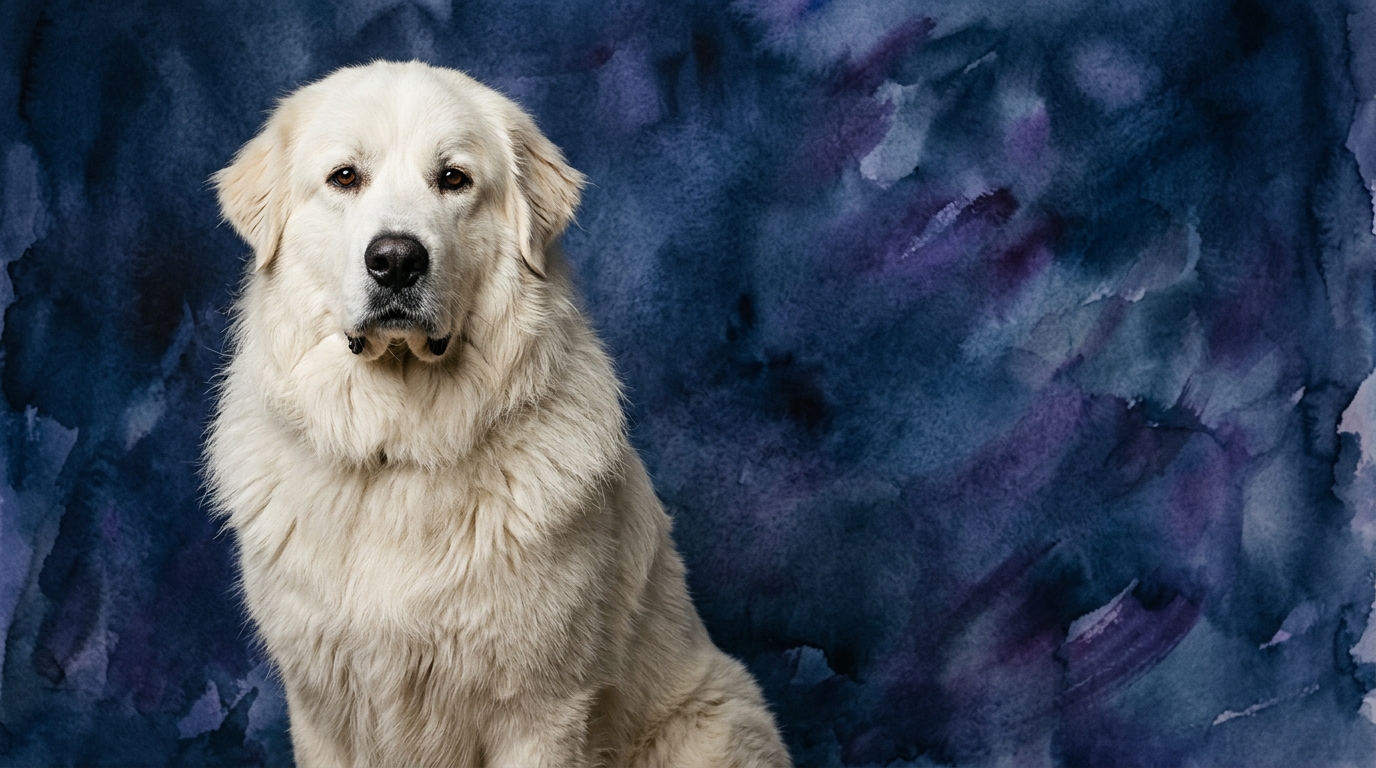
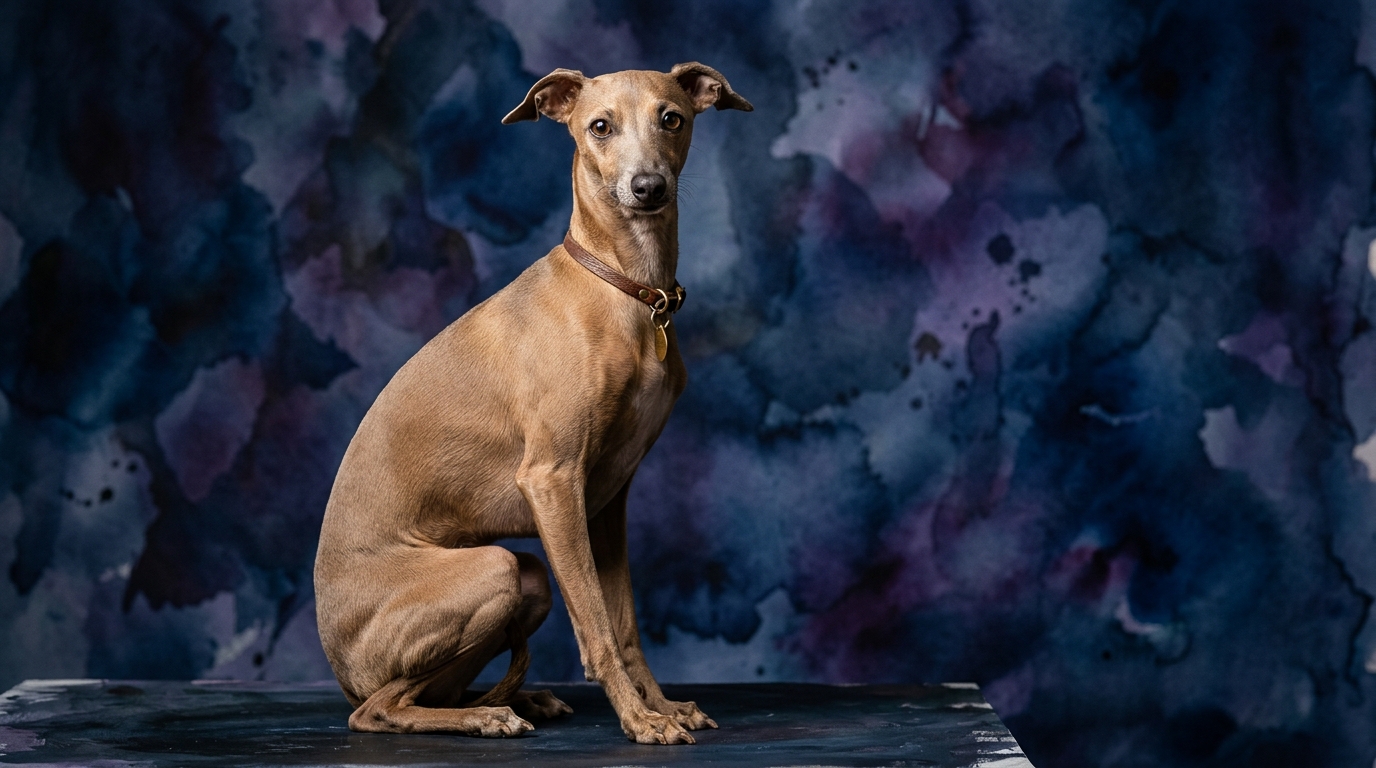
Side-by-Side IQ Profile: Great Pyrenees vs. Italian Greyhound
The Cosmic Pet Pet IQ Lab assesses canine intelligence across five key dimensions: Problem Solving, Training Speed, Social Intelligence, Instinctive Drive, and Memory. For both the Great Pyrenees and the Italian Greyhound, each of these dimensions scores a balanced 3 out of 5, indicating a respectable, mid-range cognitive capacity. However, the *application* and *manifestation* of these scores differ dramatically between these two breeds, reflecting their divergent histories and purposes.
For the Great Pyrenees, a working dog with a Coren rank of #64, their 3/5 Problem Solving often manifests as independent decision-making in the field. This breed was developed to discern threats and protect livestock autonomously, requiring them to assess situations and react without direct human command. Their 3/5 Training Speed reflects a deliberate learning style; they can master commands, but their strong will and independent nature mean they often weigh the perceived value of an instruction against their own priorities. Social Intelligence at 3/5 means they are highly attuned to their family unit and their flock, capable of reading subtle shifts in behavior from animals and humans, though they can be reserved with strangers. Their 3/5 Instinctive Drive is overwhelmingly oriented towards guarding and territorial protection, expressed through vigilance and vocalization. Finally, their 3/5 Memory supports their ability to recall routines, territory boundaries, and the individuals they are tasked to protect over long periods.
The Italian Greyhound, a toy breed not Coren-ranked, interprets the same 3/5 scores through a lens of companionship and agility. Their 3/5 Problem Solving often involves navigating complex indoor environments, finding the warmest sunbeam, or devising clever ways to gain attention or access to forbidden soft furnishings. Their 3/5 Training Speed suggests they are capable learners, particularly with positive reinforcement and engaging methods, but their sensitive nature and occasional distractibility can make consistency a challenge. Social Intelligence, also 3/5, is expressed through a deep connection with their human companions, where they are adept at reading emotional cues and seeking comfort or play. Their 3/5 Instinctive Drive leans heavily into the sighthound's urge to chase small, fast-moving objects, coupled with a powerful drive for warmth, comfort, and close physical contact with their chosen people. Their 3/5 Memory allows them to remember routines, favored people, and the locations of their prized sleeping spots or hidden toys.
Cognitive Strengths of the Great Pyrenees
The Great Pyrenees' cognitive strengths are deeply rooted in their historical role as a livestock guardian. Their 3/5 Problem Solving, while not about complex puzzles, excels in real-world scenarios requiring independent judgment. They possess a remarkable ability to assess environmental cues, distinguish between familiar and unfamiliar, and determine appropriate responses—whether it’s a deterrent bark, a watchful stance, or a direct intervention to protect their charges. This isn't a reactive intelligence but a proactive, analytical one, honed over centuries to make life-or-death decisions without human oversight.
Their 3/5 Social Intelligence is uniquely developed for discerning the needs and behaviors of both their flock and their human family. A Pyrenees understands the subtle distress signals of a lamb or the emotional state of a child, responding with appropriate gentleness or protective vigilance. This nuanced understanding of social dynamics within their sphere of influence is a profound cognitive asset, allowing them to integrate seamlessly into a multi-species household while maintaining their primary guardian role. Their memory supports this by allowing them to recall the specific behaviors and patterns of individuals within their care.
Furthermore, their Instinctive Drive, rated 3/5, is a powerful cognitive tool. It's not merely a reactive impulse but a deeply ingrained framework for processing environmental stimuli and prioritizing protection. This drive underpins their persistent territorial awareness and their capacity for sustained vigilance, making them exceptionally reliable in their intended purpose. Their physical presence, combined with this cognitive fortitude, creates a formidable and intelligent guardian.
Cognitive Strengths of the Italian Greyhound
The Italian Greyhound's cognitive strengths, while scoring 3/5 across the board, shine in areas distinct from the Pyrenees. Their 3/5 Problem Solving is particularly adept at navigating intricate indoor spaces and manipulating their environment for comfort or attention. This might involve strategizing to reach a high perch, figuring out how to open a specific cupboard, or employing a series of charming behaviors to solicit a treat or cuddle. Their intelligence here is less about guarding and more about optimizing their personal well-being and social interactions.
Their 3/5 Social Intelligence is a significant asset, characterized by an acute sensitivity to human emotions and body language. Italian Greyhounds are masters at reading their owners' moods, often adjusting their own behavior to either provide quiet comfort or initiate playful interaction. This deep attunement fosters strong, reciprocal bonds, making them exceptionally empathetic companions. Their ability to anticipate human actions and respond appropriately demonstrates a sophisticated understanding of social cues, even if they sometimes choose to ignore commands for a more appealing alternative.
The Italian Greyhound's 3/5 Instinctive Drive also presents a unique cognitive advantage in their agility and quick reaction times. While focused on chasing, this drive requires rapid assessment of moving targets and instantaneous physical responses, showcasing a fast processing speed for visual stimuli and motor planning. Coupled with their 3/5 Memory, which allows them to recall favored locations and routines, they are adept at making their home environment their own, consistently returning to cherished spots and anticipating daily events.
Training Trajectories: Understanding Ease and Challenges
When considering which breed is 'easier' to train, the 3/5 Training Speed score for both points to a need for understanding their specific motivations and challenges. For the Great Pyrenees, training isn't about rapid-fire obedience but about building a respectful partnership based on trust. Their independent nature means they will often consider a command before executing it, especially if it seems to contradict their primary guarding instinct. Training them requires immense patience, consistency, and the ability to convince them that a command aligns with their protective duties or is otherwise beneficial. They aren't 'slow' learners, but rather 'deliberate' thinkers who need a compelling 'why' for compliance.
The Italian Greyhound, with its 3/5 Training Speed, presents a different set of considerations. They are sensitive and eager to please those they love, which can make them quick to pick up new behaviors with positive reinforcement. However, their sighthound instincts can lead to intense focus on moving objects outdoors, making recall challenging in unprotected areas. House-training can also be a prolonged process due to their small bladder size, aversion to cold or wet weather, and inherent sensitivity, requiring meticulous consistency and management. Their 'ease' of training is tied to the owner's ability to make learning fun, gentle, and relevant to their comfort-seeking and social nature, while managing their prey drive and delicate physical needs.
Ultimately, neither breed is inherently 'easy' in the conventional sense if one expects robotic obedience. The Great Pyrenees demands an owner who understands and respects their independent judgment, focusing on foundational trust and clear boundaries. The Italian Greyhound thrives with an owner who can provide gentle, consistent, and engaging training methods, while being mindful of their physical and emotional sensitivities. The 'ease' of training is less about the dog's raw capacity and more about the owner's ability to adapt to the breed's specific cognitive and behavioral blueprint.
Lifestyle Compatibility: Active vs. Relaxed Owners
The question of compatibility for active versus relaxed owners highlights the stark physical and temperamental differences between these two breeds, despite their similar 3/5 IQ scores. The Great Pyrenees, while capable of bursts of activity when patrolling their territory or engaging in play, is generally a more laid-back breed indoors, provided their guardian instincts are satisfied. They require a large, securely fenced yard where they can survey their domain and perform their 'work' of watching over their property. Their ideal owner is someone with a spacious rural or suburban home, prepared for a dog that needs moderate daily exercise, consistent grooming, and ample outdoor space to feel content. They suit owners who appreciate an independent, watchful companion rather than a constant playmate.
In contrast, the Italian Greyhound, though small, possesses surprising bursts of energy and speed, earning them the nickname '45 mph couch potatoes.' They love to run at full sprint in safe, enclosed areas, but are equally content to curl up on a soft blanket for hours. Their delicate build and thin coat make them sensitive to cold, requiring indoor living and protection from harsh weather. An Italian Greyhound thrives with an owner who can provide secure opportunities for zoomies, enjoys a dog that will enthusiastically participate in indoor games, and is prepared for a highly affectionate companion who will seek out warmth and snuggles. They are well-suited for apartment living, provided their exercise needs are met through short, brisk walks and safe indoor play sessions.
Therefore, an active owner who enjoys long hikes and rugged outdoor adventures might find the Great Pyrenees a more suitable, albeit independent, partner, especially if those adventures involve large open spaces. A relaxed owner who prefers indoor activities, short bursts of play, and a devoted lap companion would likely find the Italian Greyhound a better fit. The key is aligning the owner's lifestyle with the breed's intrinsic needs and how their 3/5 cognitive abilities are naturally directed.
The Verdict
Choose the Great Pyrenees if you seek an independent, watchful guardian for a spacious property, valuing a partner with strong protective instincts and deliberate decision-making.
Opt for the Italian Greyhound if you desire a sensitive, affectionate companion for indoor living, appreciating their playful bursts of energy and deep emotional attunement.
🧠 Find Your Pet's IQ Score
Our Pet IQ Lab assessment covers 25+ tests across 5 cognitive dimensions — personalized to your breed.
Take the Full IQ Test →Frequently Asked Questions
Do Great Pyrenees and Italian Greyhounds have the same intelligence level?
According to The Cosmic Pet Pet IQ Lab, both breeds score 3/5 across Problem Solving, Training Speed, Social Intelligence, Instinctive Drive, and Memory, suggesting a similar foundational cognitive capacity. However, how these scores manifest in their behavior and problem-solving approaches differs significantly due to their distinct breed purposes and temperaments.
Which breed is easier to house-train?
House-training can be a challenge for both breeds, but for different reasons. Italian Greyhounds are often more difficult due to their small bladder size, sensitivity to cold weather, and delicate nature. Great Pyrenees can also be challenging due to their independent streak, requiring consistent motivation and understanding of their deliberate nature, but typically less so than the sensitive IG for house-training specifically.
Can an Italian Greyhound live with a Great Pyrenees?
Yes, they can coexist, but careful introductions and supervision are crucial due to the vast size difference and the Pyrenees' strong protective instincts. The Pyrenees might view the smaller dog as part of its 'flock' to be protected, while the Italian Greyhound's delicate nature means they need to be shielded from accidental rough play or being stepped on by their much larger housemate. Their distinct exercise needs also require separate considerations.