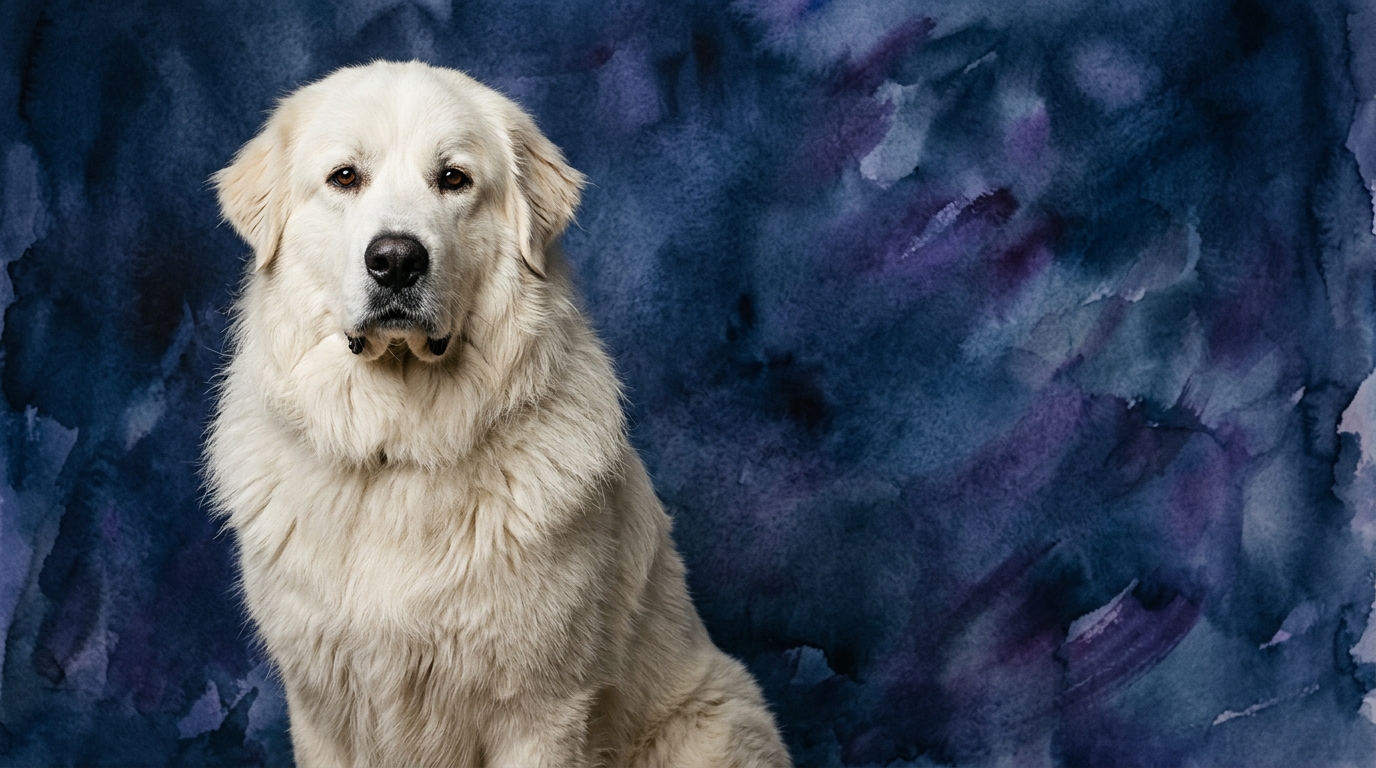
Side-by-Side IQ Profile: Great Pyrenees
The Great Pyrenees exhibits a pragmatic, independent problem-solving approach honed over centuries as a livestock guardian. Their cognitive efforts are primarily directed towards assessing environmental threats, distinguishing friend from foe, and making autonomous decisions to protect their charges without direct human command. This isn't about solving complex puzzles, but rather about situational awareness and strategic, often subtle, intervention to maintain security, earning them a 3/5 in problem solving.
While capable of learning, the Great Pyrenees often processes commands through the lens of their inherent purpose, resulting in a 3/5 for training speed. Their training speed isn't about rapid obedience in the traditional sense, but about understanding the *value* of a command within their perceived duties. They can be deliberate learners, sometimes requiring repetition and a clear demonstration of how a task contributes to their guarding role or family harmony, rather than simply complying for compliance's sake.
Their social intelligence, rated 3/5, is finely tuned to their "flock" – whether that's sheep, goats, or their human family. They demonstrate a profound understanding of group dynamics, recognizing vulnerable members and potential threats. With strangers, their social intelligence manifests as reserved observation; they can discern intentions but are not prone to immediate effusive greetings, prioritizing assessment and protection.
A strong, deeply ingrained instinctive drive for guarding defines the Great Pyrenees, scoring 3/5. This isn't a frenetic energy but a persistent, watchful vigilance. Their drive compels them to patrol, bark warnings, and place themselves between their charges and perceived danger, a fundamental aspect of their cognitive makeup that dictates much of their behavior and decision-making.
The memory of a Great Pyrenees is robust, particularly regarding territory, routines, and individuals, earning a 3/5. They remember paths, the layout of their domain, and who belongs within it, alongside any past encounters deemed threatening. This memory underpins their consistent guarding behaviors and their ability to recognize familiar faces over long periods, contributing to their reliability as protectors.
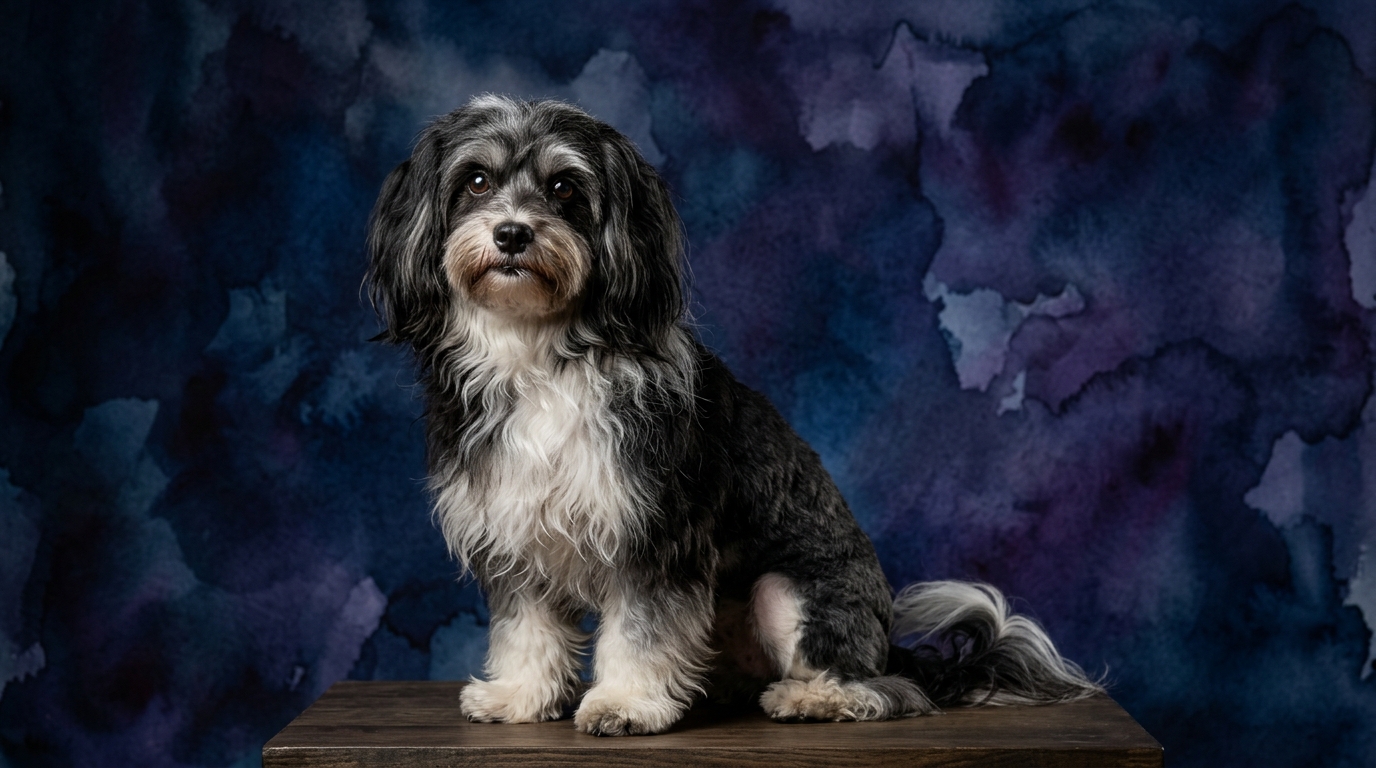
Side-by-Side IQ Profile: Löwchen
The Löwchen's problem-solving skills, rated 3/5, are geared towards their role as an engaging companion. They excel at figuring out how to initiate play, obtain attention from their humans, or navigate household dynamics. This might involve strategizing to retrieve a favorite toy from a tight spot or understanding complex routines to anticipate walks or meal times. Their cognitive focus is on social interaction and navigating their immediate domestic environment.
Löwchen generally display a willingness to learn, often motivated by positive reinforcement and the desire to please their family, resulting in a 3/5 for training speed. Their training speed is influenced by their lively spirit; while they can grasp concepts relatively quickly, their playful nature might sometimes lead to momentary distractions. They respond well to engaging, varied training sessions that keep their attention and leverage their natural enthusiasm for interaction.
Löwchen possess a keen social intelligence, rated 3/5, particularly attuned to human emotions and household moods. They are adept at reading cues from their family members, often adjusting their behavior to comfort, entertain, or simply sit quietly. While typically outgoing, they may exhibit a discerning reserve with new people, assessing social situations before fully engaging, showcasing a nuanced understanding of social dynamics.
The Löwchen's primary instinctive drive, scoring 3/5, centers around companionship and social engagement. They have a strong desire to be part of family activities, to play, and to offer affection. Unlike working breeds, their drive isn't task-oriented but relationship-oriented, fueling their vibrant personality and their need for interaction. This drive shapes their adaptability and their capacity for deep bonds.
Löwchen demonstrate a solid memory for commands, routines, and the people they encounter, earning a 3/5. They remember training cues, the sequence of daily events, and who constitutes their inner circle, often greeting familiar faces with enthusiasm even after an absence. This memory contributes to their consistent responsiveness and their ability to form lasting connections within their family.
Where Great Pyrenees Wins Cognitively
The Great Pyrenees' cognitive strengths lie in their autonomous decision-making, particularly in situations demanding independent judgment to protect. Their problem-solving (3/5) is less about following a human's complex instructions and more about their ability to survey a large area, identify potential threats, and initiate a response without waiting for a command. This self-sufficiency, a cornerstone of their ancestral role, means they excel in environments where constant human oversight isn't feasible or desired for protection tasks.
Furthermore, their social intelligence (3/5) is uniquely adapted for discerning subtle shifts in the environment and the behavior of those under their care. They possess an innate ability to assess the intentions of strangers or unfamiliar animals, prioritizing the safety of their 'flock.' This isn't just about reacting to overt threats, but about a continuous, low-level vigilance and a sophisticated understanding of their protective responsibilities, allowing them to make nuanced judgments in complex social-ecological contexts.
Where Löwchen Wins Cognitively
The Löwchen shines in cognitive domains centered around human interaction and adaptability within a domestic setting. Their social intelligence (3/5) is finely tuned to the nuances of human communication, allowing them to quickly pick up on emotional states, intentions, and household routines. This makes them exceptionally responsive companions, capable of adjusting their behavior to match the mood of their family, whether it's offering comfort or initiating playful engagement.
Their problem-solving (3/5), while not about guarding livestock, is highly effective in navigating social situations and engaging in interactive play. They can quickly ascertain how to get attention, initiate games, or even "train" their humans through charming persistence. This cognitive flexibility and focus on reciprocal interaction allow them to thrive in varied home environments and form deep, communicative bonds, making them masters of companion-centric intelligence.
Which Is Easier to Train and Why
When evaluating ease of training, the Löwchen generally presents a more straightforward path for conventional obedience and trick training. Their training speed (3/5) is enhanced by their strong desire for human interaction and positive reinforcement. They are typically eager to please and enjoy the engagement that training sessions provide, making them receptive to learning new commands and behaviors in an upbeat, reward-based environment. While they have a lively spirit that can sometimes lead to distraction, their fundamental motivation to interact with their people often overrides minor playful stubbornness.
The Great Pyrenees, with its equally rated training speed (3/5), approaches learning from a different perspective. Their historical role as independent guardians means they are accustomed to making their own decisions. They will learn commands, but their compliance is often contingent on whether they perceive the command as logical or necessary within their worldview. This independence can be interpreted as stubbornness by owners expecting immediate, unquestioning obedience. Training a Great Pyrenees requires immense patience, understanding of their intrinsic motivations, and consistency, often focusing on building trust and demonstrating the relevance of commands to their protective instincts or family harmony rather than simple repetition. Their memory (3/5) is excellent for remembering what is important to them, but less so for arbitrary commands without perceived value.
Which Suits Active Owners vs. Relaxed Owners
For active owners who enjoy a consistent, engaging companion for various activities, the Löwchen is often a more suitable match. Their instinctive drive (3/5) for companionship and play means they thrive on regular interaction, short walks, and mental stimulation through games or training. While not requiring endurance activities, they appreciate being involved and can adapt well to urban living or smaller spaces, provided their social and mental needs are met with daily engagement. They are generally adaptable to an owner’s routine, making them excellent companions for those who want a dog that is an active participant in their daily life without demanding extensive physical exertion.
The Great Pyrenees, conversely, aligns better with owners who appreciate a more relaxed, watchful presence, particularly those with ample space or specific needs for a guardian. Their instinctive drive (3/5) is rooted in vigilance and protection, meaning they are content to survey their domain, often with bursts of activity when a perceived threat arises. They require consistent, moderate exercise to maintain their physical condition, but their temperament is generally calm and deliberate. Owners who prefer a dog that is less demanding of constant interactive play but provides a steadfast, independent presence, perhaps on a larger property where their natural guarding instincts can be fulfilled, will find the Great Pyrenees a rewarding companion.
The Verdict
Choose the Great Pyrenees if you seek an independent, watchful guardian with a deep-seated protective instinct, valuing a calm, self-reliant companion for a spacious environment where their natural role can flourish.
Opt for the Löwchen if you desire an engaging, adaptable, and affectionate companion who thrives on close human interaction, fitting seamlessly into active family life and smaller living spaces with consistent social engagement.
🧠 Find Your Pet's IQ Score
Our Pet IQ Lab assessment covers 25+ tests across 5 cognitive dimensions — personalized to your breed.
Take the Full IQ Test →Frequently Asked Questions
Do Great Pyrenees need extensive daily exercise to be content?
While large, Great Pyrenees are not typically high-energy dogs requiring intense, prolonged exercise. They prefer moderate activity, such as patrolling a yard or taking leisurely walks, balancing their need for physical well-being with their calm, watchful temperament.
Are Löwchen good with children and other pets?
Löwchen generally possess a cheerful and affectionate disposition, making them suitable companions for respectful children and other pets when properly socialized. Their playful nature and desire for companionship often make them adaptable and engaging family members.
How does the "3/5" IQ score manifest differently in these two breeds?
Although both breeds rate 3/5 across cognitive dimensions, the manifestation varies significantly; the Great Pyrenees applies its problem-solving and social intelligence to independent guarding and assessing threats, while the Löwchen focuses its similar capabilities on navigating human social dynamics and enhancing companion interaction. Their breed-specific historical roles dictate the application of their cognitive strengths.