Side-by-Side Cognitive Profile
The Cosmic Pet Pet IQ Lab assesses canine cognition across five key dimensions, providing a granular view of how different breeds process their world. Interestingly, both the Great Pyrenees and the Redbone Coonhound register a consistent 3/5 across all five categories, suggesting a balanced, mid-range cognitive capacity. However, the *application* of these scores differs profoundly based on their breed-specific roles.
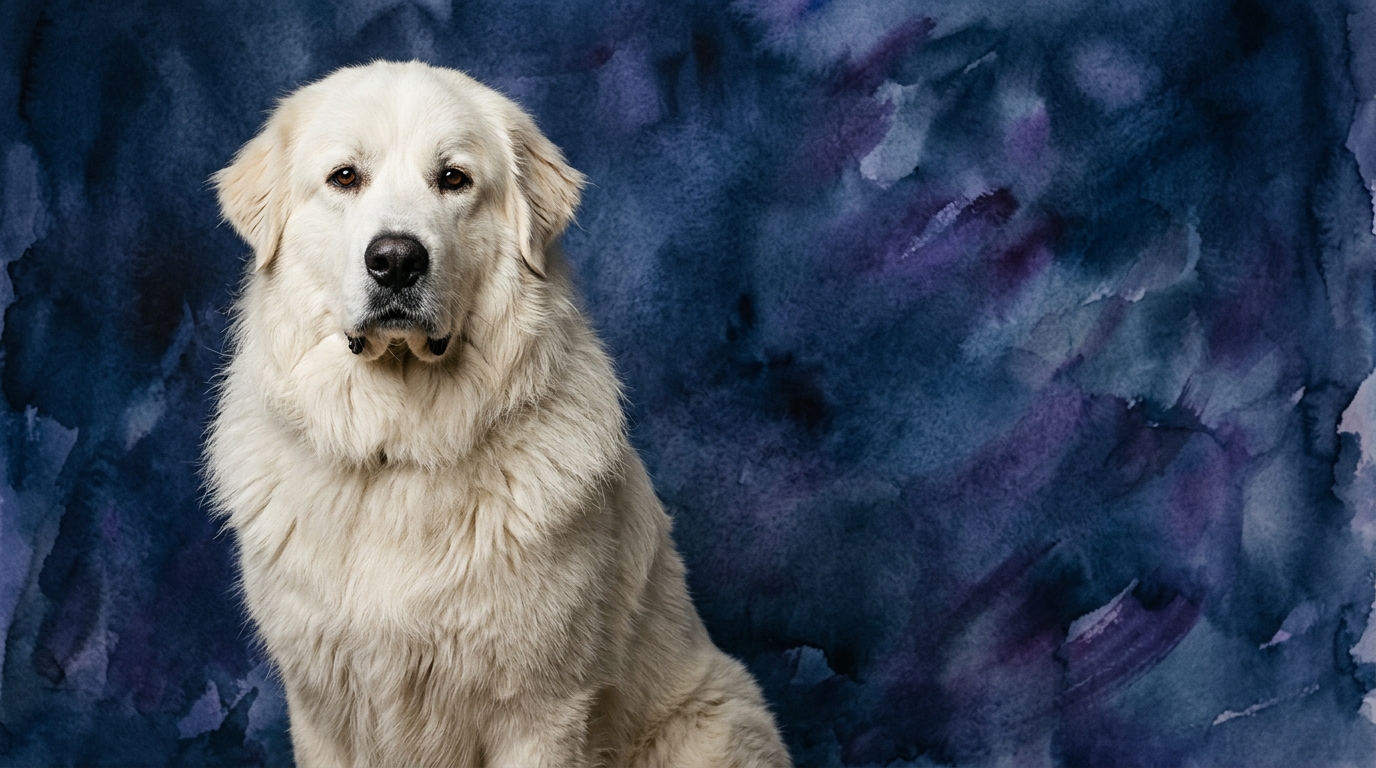
For the **Great Pyrenees**, a working dog Coren-ranked at #64, their 3/5 in **Problem Solving** manifests as an ability to independently assess and mitigate threats to their flock, whether livestock or family. They might strategize how to deter a perceived danger without direct confrontation, or find the most efficient patrol route around a property. Their **Training Speed** at 3/5 reflects a thoughtful, sometimes questioning approach; they can learn commands, but often weigh the perceived value or necessity of the instruction before complying, rather than rushing to please. **Social Intelligence** at 3/5 means they are highly attuned to the dynamics of their immediate 'flock,' understanding subtle cues and intentions, yet they maintain a reserved, watchful demeanor with outsiders. Their **Instinctive Drive** also at 3/5 is primarily focused on vigilant protection and territorial patrolling, exhibiting a steady, persistent dedication to their charge. Finally, a 3/5 in **Memory** allows them to recall past threats, safe zones, and the routines of their environment, contributing to their reliable guardianship.
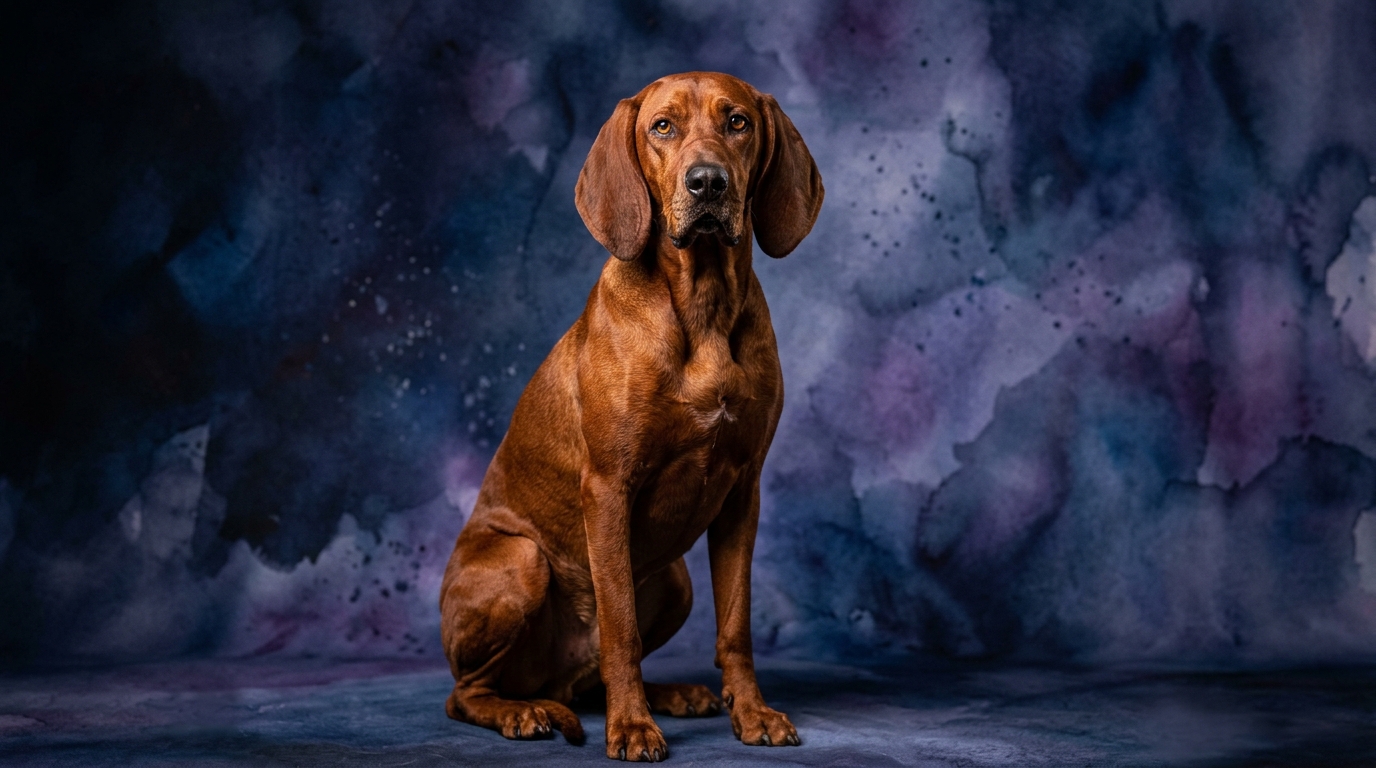
The **Redbone Coonhound**, a member of the Hound group and not Coren-ranked, showcases its 3/5 cognitive scores through the lens of a dedicated hunter. Their **Problem Solving** (3/5) is acutely geared towards olfactory puzzles: how to reacquire a lost scent trail, navigate complex terrain while tracking, or determine the most efficient path to their quarry. **Training Speed** at 3/5 means they are capable learners, but their primary drive—scent—can often override other commands, making training appear slower or more challenging in distracting environments. Their **Social Intelligence** (3/5) is expressed within the context of a pack; they understand hierarchy and are generally amiable, but their focus can become singularly fixed on a scent, temporarily diminishing their responsiveness to social cues. The **Instinctive Drive** of a Redbone Coonhound, also 3/5, is overwhelmingly dominated by their powerful nose and the relentless pursuit of a scent, demonstrating remarkable stamina and focus once on a trail. Their **Memory** at 3/5 allows them to recall specific successful scent trails, productive hunting grounds, and the nuances of various animal scents, aiding in their sustained tracking efforts.
Where the Great Pyrenees Excels Cognitively
The Great Pyrenees' cognitive strengths lie in their capacity for independent, nuanced decision-making within their guardian role. Their 3/5 Problem Solving isn't about fetching a ball, but about assessing complex environmental factors to protect their charges. They demonstrate a sophisticated form of situational awareness, weighing potential threats and strategizing non-confrontational deterrence. For instance, a Pyrenees might use its imposing presence and a deep bark to warn off a predator, rather than engaging directly, showcasing a measured application of its instinctive drive. This breed’s social intelligence, while reserved, is deeply attuned to the emotional states and safety of its family or flock, often anticipating needs or perceived dangers before humans are aware. Their memory supports this by allowing them to learn and retain information about safe boundaries, recurring patterns, and who belongs within their protected sphere, contributing to a stable and reliable guardianship.
Where the Redbone Coonhound Excels Cognitively
The Redbone Coonhound's cognitive strengths are deeply rooted in its olfactory prowess and sustained, single-minded focus. Their 3/5 Problem Solving shines brightest when presented with an intricate scent puzzle; they can meticulously deconstruct a trail, ignore distractions, and navigate challenging terrain purely by scent, a testament to their specialized intelligence. This goes beyond simple tracking; it involves interpreting faint signals, discerning fresh from old scents, and making complex navigational decisions based on olfactory information alone. Their instinctive drive, while rated 3/5, is channeled with an intensity and endurance that few other breeds can match when engaged in scent work. This relentless pursuit, coupled with a strong memory for specific scents and successful hunting patterns, allows them to perform their specialized tasks with remarkable persistence and accuracy. Their cognitive architecture is optimized for the intricate, sensory-driven world of the hunt.
Which Is Easier to Train and Why?
Determining which breed is 'easier' to train is less about inherent cognitive capacity and more about aligning training methods with their ingrained motivations and behavioral tendencies. The Great Pyrenees, with its 3/5 Training Speed, often requires an owner to demonstrate the 'why' behind a command. They are not typically driven by an overwhelming desire to please, but rather by their own assessment of a situation. This can be perceived as stubbornness; however, it is often an independent thought process. Training a Pyrenees demands consistency, patience, and often involves positive reinforcement that makes the command relevant to their guardian instincts or comfort. For example, teaching recall might be challenging if they perceive a need to stay and guard, requiring a strong foundation of trust and clear communication to override their independent judgment.
The Redbone Coonhound, also with a 3/5 Training Speed, presents a different set of challenges. Their powerful instinctive drive to follow a scent can make them highly distractible. While they are capable of learning commands, their single-minded focus on scent can make recall or obedience in an open, stimulating environment particularly difficult. Training a Redbone requires high-value rewards, engaging methods that make learning a game, and proactive management of their environment to minimize overpowering scent distractions. While they might pick up a trick quickly in a quiet room with a treat, their ability to generalize that learning to a distracting outdoor setting is often hindered by their olfactory focus. Neither breed is 'easier' in a universally applicable sense; rather, they demand different approaches and a deep understanding of their unique motivations and priorities.
Which Suits Active Owners vs. Relaxed Owners?
The Great Pyrenees, despite its large size, often suits a more 'relaxed' owner in terms of high-impact physical activity, but demands an 'active' owner in terms of mental engagement and consistent boundary setting. Once mature, they are not typically high-energy dogs requiring extensive running; rather, they prefer patrolling a secure perimeter and observing. However, their independent nature and guardian instincts mean an owner must be actively engaged in their training, socialization, and providing a secure, spacious environment. They need an owner who is present and consistent, not necessarily one who runs marathons. Their mental stimulation comes from their role as a protector and their environmental observations.
Conversely, the Redbone Coonhound is definitively suited for active owners. Their powerful instinctive drive and endurance mean they require significant physical exercise and mental stimulation, ideally involving their sense of smell. Owners must be prepared for long walks, runs, or engaging scent work activities like tracking or nose work. A relaxed, sedentary owner would likely find a Redbone Coonhound challenging, as unmet exercise and mental needs can lead to destructive behaviors or excessive vocalization. They thrive with owners who enjoy outdoor adventures and are willing to incorporate their dog's natural abilities into daily life. Their cognitive profile demands a lifestyle that allows them to utilize their specialized problem-solving and instinctive drives.
The Verdict
Choose the Great Pyrenees if you seek an independent, thoughtful guardian for your home or livestock, and are prepared to engage with a dog that values its own judgment and requires patient, consistent guidance.
Opt for the Redbone Coonhound if you are an active individual or family eager to provide ample exercise and mental stimulation, particularly through scent-based activities, and appreciate a vocal, dedicated, and affectionate companion.
🧠 Find Your Pet's IQ Score
Our Pet IQ Lab assessment covers 25+ tests across 5 cognitive dimensions — personalized to your breed.
Take the Full IQ Test →Frequently Asked Questions
Do Great Pyrenees dogs bark a lot?
Great Pyrenees are known for their vigilant nature, which often includes barking as a primary method of communication and deterrence. They will bark to alert to perceived threats, strangers, or unusual sounds, fulfilling their guardian role.
Are Redbone Coonhounds good family pets?
Redbone Coonhounds can be wonderful family pets, known for being affectionate and generally good with children when properly socialized. However, their high energy and strong scent drive mean they require a committed owner who can meet their exercise and mental stimulation needs.
How do these breeds compare in terms of housebreaking?
Both breeds, with consistent training and routine, can be successfully housebroken. The Great Pyrenees' independent nature might require more consistent reinforcement, while the Redbone Coonhound's focus on scent might lead to distractions during outdoor potty breaks, requiring patience.