Side-by-Side IQ Profile: A Tale of Two Canines
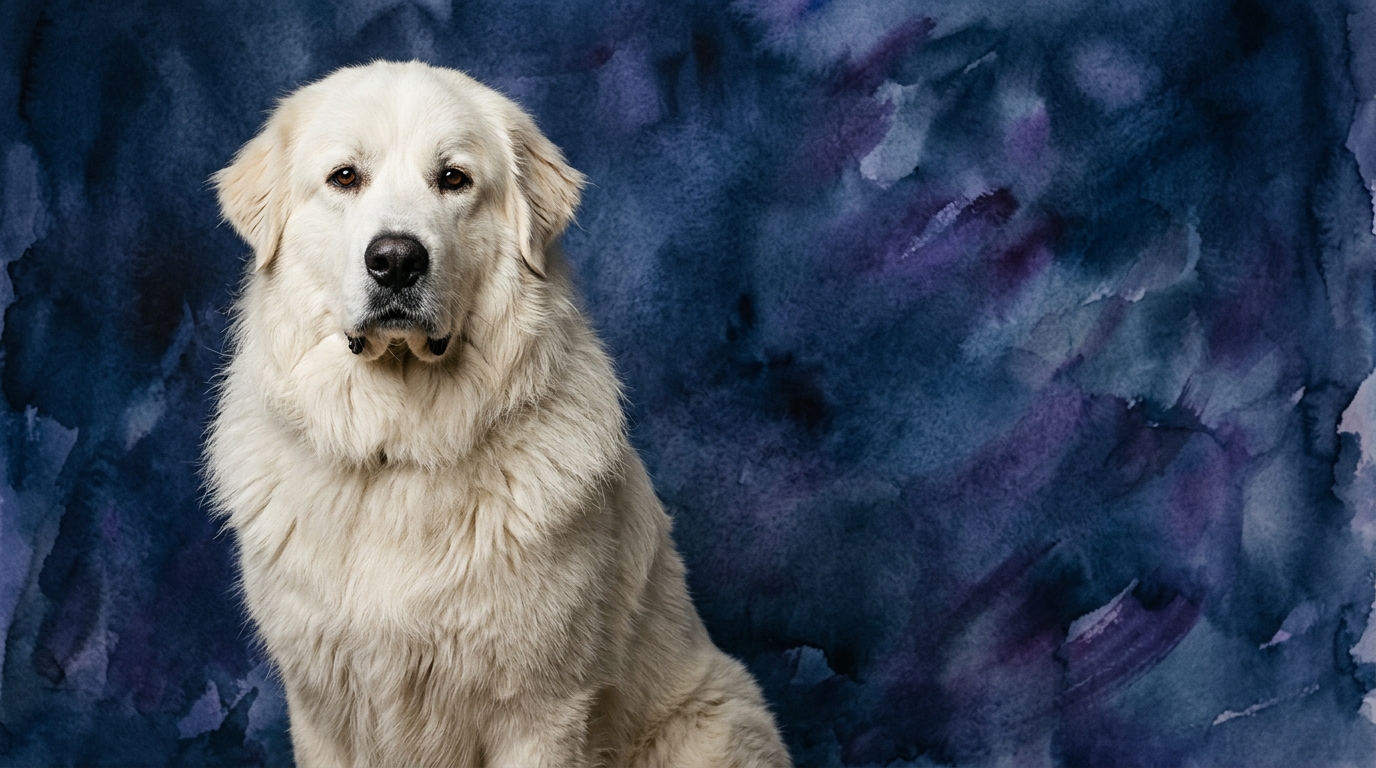
The Great Pyrenees, a Working breed ranked #64 by Coren, presents a balanced cognitive profile reflecting its historical role. Its Problem Solving (3/5) is characterized by independent assessment, particularly in situations involving flock protection or navigating complex terrain to maintain vigilance and deter threats without direct human intervention. Training Speed (3/5) is moderate, as they grasp concepts but weigh the perceived value of a command against their own judgment, requiring patience and consistency. Social Intelligence (3/5) is discerning, forming deep bonds with their established 'flock' but remaining reserved with strangers, centering on their guardianship role. Their Instinctive Drive (3/5) is primarily geared towards guardianship and protection, manifesting as a strong territorial instinct and watchful presence. Memory (3/5) is robust, especially regarding territory, routines, and protected individuals, contributing to their effectiveness as guardians.
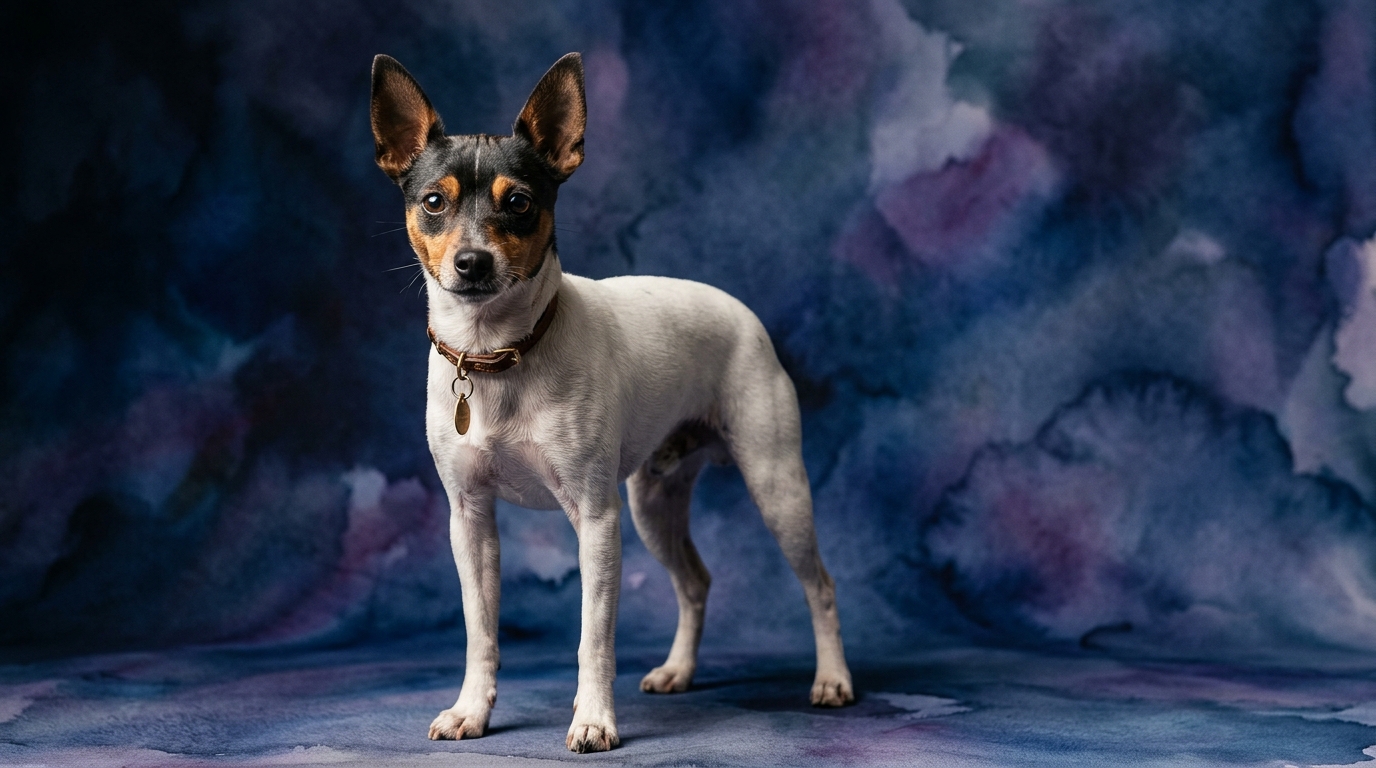
The Toy Fox Terrier, a Toy breed not Coren-ranked, shares identical scores across all dimensions, yet expresses these traits differently. Its Problem Solving (3/5) shines in navigating its environment to achieve desired outcomes, often involving finding hidden toys or outsmarting obstacles with quick-witted, creative solutions. Training Speed (3/5) is also moderate; while eager to please and quick to learn tricks, their independent terrier spirit can lead to selective hearing if something more exciting captures their attention. Social Intelligence (3/5) involves strong attachments to human families, adeptly reading emotions, and discerning companionship choices, sometimes exhibiting a 'big dog in a small body' attitude. Their Instinctive Drive (3/5) is rooted in terrier heritage – chasing small prey, digging, and being alert, manifesting as energetic pursuit of toys and keen watchfulness. Memory (3/5) is good for routines, commands, and the location of favorite items, contributing to their adaptability and personality.
Where the Great Pyrenees Excels Cognitively
The Great Pyrenees' cognitive strength lies in its capacity for independent judgment and sustained vigilance. Unlike many breeds trained for specific tasks, a Pyrenees' role demands autonomous decision-making in the absence of human command. This manifests as a superior ability to assess environmental threats, differentiate between perceived dangers and benign occurrences, and act appropriately without constant direction. Their problem-solving (3/5) is geared towards strategic, long-term guardianship, figuring out how to maintain their protective presence over vast areas or during extended periods. They demonstrate a nuanced understanding of their territory and the individuals within it, prioritizing the safety of their flock above all else. This deep-seated, self-directed protective instinct is a clear cognitive advantage in their traditional role.
Where the Toy Fox Terrier Excels Cognitively
The Toy Fox Terrier, while not a guardian, shines in its quick adaptability and clever manipulation of its immediate environment. Their problem-solving (3/5) is expressed through agility and resourcefulness in smaller, more dynamic scenarios. They are adept at figuring out how to access desired objects, navigate complex indoor spaces, or even 'train' their humans through charming persistence. Their social intelligence (3/5) is often geared towards engaging and eliciting responses from their human companions, making them particularly skilled at understanding subtle cues and using them to their advantage. This breed exhibits a sharp, reactive cognitive style, making them quick learners of tricks and routines, and adept at finding novel solutions to immediate, personal challenges.
Training Efficacy: Great Pyrenees vs. Toy Fox Terrier
Despite both breeds scoring 3/5 in Training Speed, the practical experience of training them diverges significantly due to their inherent temperaments and historical roles. The Great Pyrenees, bred for independent decision-making, often displays a thoughtful hesitation before complying with a command. They are not inherently disobedient, but rather prioritize their own assessment of a situation. This means training requires immense patience, consistent positive reinforcement, and a deep understanding that their primary motivation isn't always human approval, but often their own perceived duty. Their moderate training speed reflects this independent streak; they will learn, but on their own terms and timeline.
Conversely, the Toy Fox Terrier's moderate training speed is influenced by its spirited, sometimes distractible nature. While they are eager to engage and can pick up new commands and tricks quickly, their high energy and prey drive mean they can lose focus if not sufficiently challenged or if a more stimulating distraction arises. They benefit from short, engaging training sessions that tap into their desire for interaction and mental stimulation. Their willingness to please, coupled with their inherent cleverness, makes them receptive to training, but their terrier tendencies require consistent boundaries and engaging methods to maintain their attention and compliance.
Lifestyle Match: Active vs. Relaxed Ownership
For owners seeking a more relaxed, yet deeply loyal companion, the Great Pyrenees can be an excellent fit, provided their unique needs are understood. While they require space and routine outdoor time for patrolling their perceived territory, they are not typically high-energy dogs in the traditional sense. Their activity is often characterized by watchful observation and deliberate movement. They thrive in environments where they can feel responsible for their home and family, offering a calming, protective presence. They are not the ideal choice for intense, structured athletic activities but rather enjoy a more relaxed pace of life, punctuated by periods of alert guardianship.
The Toy Fox Terrier, on the other hand, is an ideal match for active owners who appreciate a lively, engaging companion. Despite their small size, they possess significant energy and a zest for life, thriving on regular walks, interactive play, and mental challenges. They excel in dog sports like agility or obedience and enjoy being involved in their owners' daily activities. Their spirited nature means they are best suited for homes where they receive ample stimulation and interaction, making them a vibrant addition to an active lifestyle rather than a sedentary one.
The Verdict
Choose Great Pyrenees when you desire a calm, independent guardian with a deep-seated protective instinct, valuing thoughtful deliberation over immediate obedience, and can provide ample space for their watchful presence.
Choose Toy Fox Terrier when you seek an energetic, clever companion eager for engagement and mental challenges, thriving on interactive play and a vibrant, active household.
🧠 Find Your Pet's IQ Score
Our Pet IQ Lab assessment covers 25+ tests across 5 cognitive dimensions — personalized to your breed.
Take the Full IQ Test →Frequently Asked Questions
Are Great Pyrenees difficult to train due to their independence?
While Great Pyrenees are not 'difficult' in the sense of lacking capacity, their independent nature (Training Speed 3/5) means they prioritize their own judgment. Training requires significant patience, consistency, and positive reinforcement to build trust and cooperation, rather than expecting instant obedience.
Do Toy Fox Terriers bark a lot, given their alertness?
Toy Fox Terriers are indeed alert and possess a strong instinctive drive (3/5) to signal perceived changes in their environment. This can manifest as frequent barking, especially if not properly managed through training and sufficient mental and physical stimulation.
Can a Great Pyrenees live in an apartment?
A Great Pyrenees can struggle in an apartment setting due to their need for space and a perceived territory to guard. While not overly energetic, their protective instincts and preference for outdoor vigilance make a home with a secure yard significantly more suitable for their well-being.