Side-by-Side IQ Profile: Unpacking Identical Scores
The Cosmic Pet Pet IQ Lab data presents both the Greater Swiss Mountain Dog and the American Foxhound with a consistent 3/5 across all five measured intelligence dimensions: Problem Solving, Training Speed, Social Intelligence, Instinctive Drive, and Memory. While the scores appear identical on paper, the manifestation of these cognitive traits differs significantly due to their distinct evolutionary paths and purposes. Understanding these nuances requires looking beyond the numbers to the specific applications of their mental faculties.
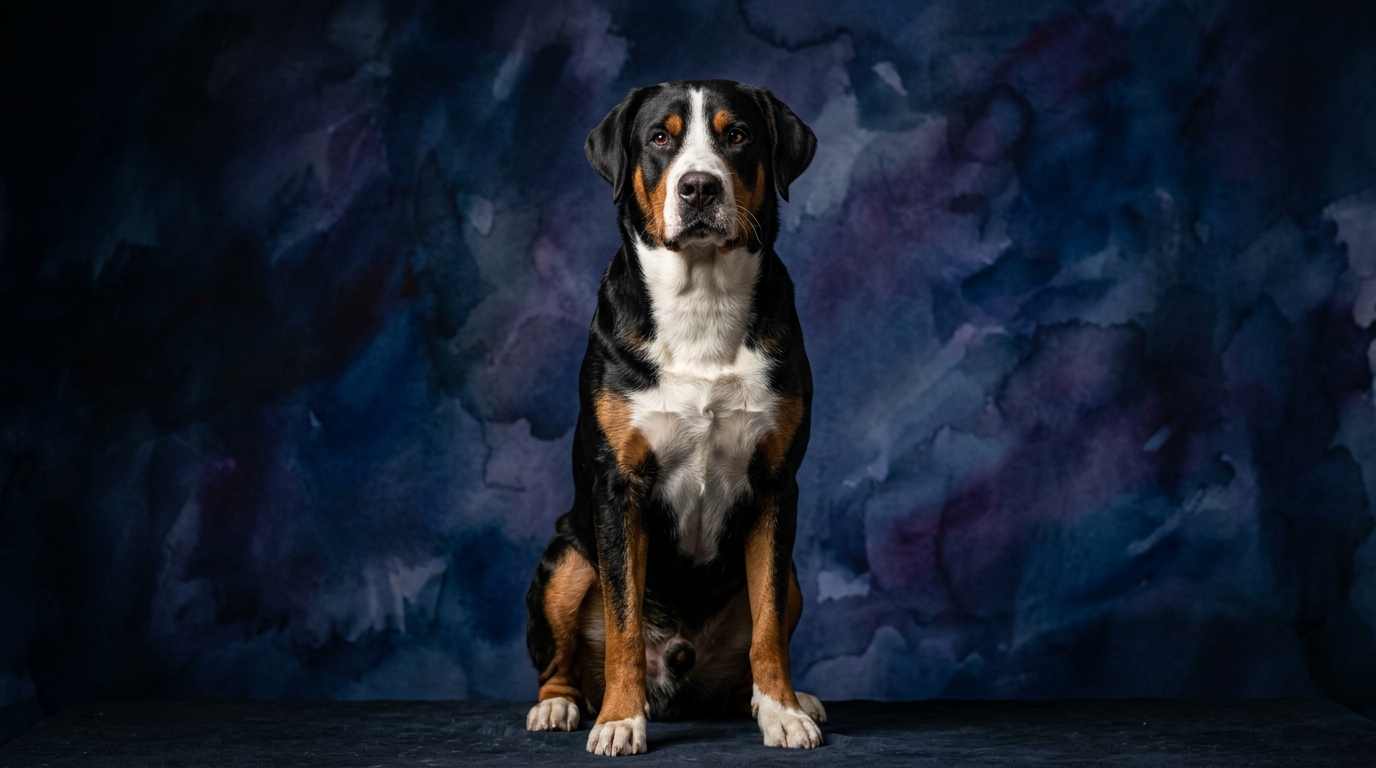
For the Greater Swiss Mountain Dog, a working breed, their Problem Solving at 3/5 often manifests as a practical understanding of tasks, such as navigating varied terrain while drafting or discerning safe pathways for livestock. Their Training Speed, also 3/5, reflects an eagerness to learn and cooperate in a structured environment, often motivated by a desire to please their human companions. Social Intelligence at 3/5 indicates an awareness of family dynamics and a generally amiable disposition towards people and other animals, contributing to their role as versatile farm dogs. Their Instinctive Drive, rated 3/5, is channeled into purposeful work like pulling carts, guarding, and herding, demonstrating a controlled yet robust work ethic. Finally, their Memory, also 3/5, supports their ability to recall complex routines, commands, and familiar routes, crucial for their utility roles.
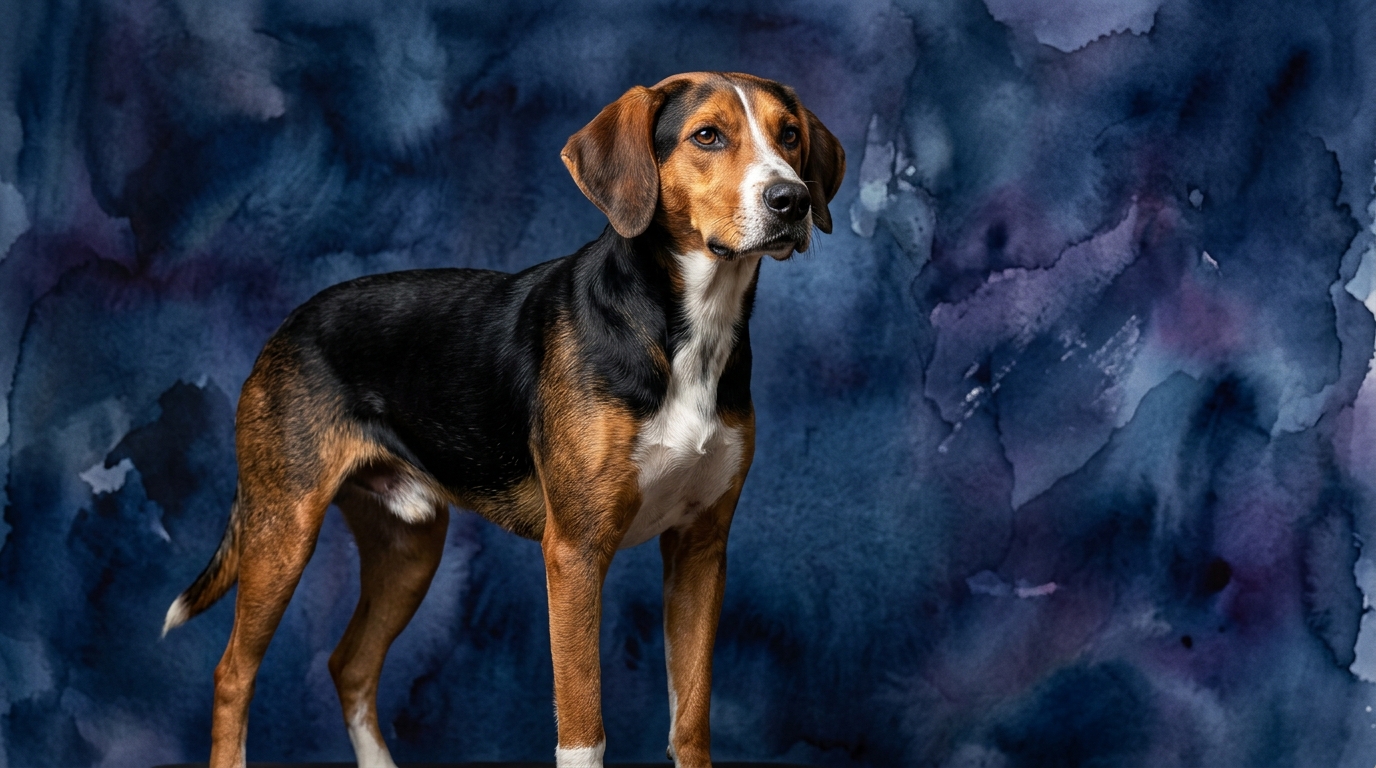
The American Foxhound, a hound breed, exhibits its 3/5 Problem Solving through acute abilities in tracking and navigating complex scent trails over vast distances, often independently. Their Training Speed, also 3/5, can be quick for specific commands, but their strong individualistic nature and intense focus on scent can make consistent obedience challenging in distracting environments. Social Intelligence at 3/5 is evident in their capacity for cooperative hunting within a pack and their ability to communicate effectively with other canines, though they can be more reserved with unfamiliar humans. Their Instinctive Drive, rated 3/5, is profoundly rooted in their powerful prey drive and relentless pursuit of scent, which is their primary motivation and purpose. Their Memory, also 3/5, is particularly specialized in recalling intricate scent patterns, mapping vast hunting territories, and remembering the locations of previous finds, essential for their specialized hunting role.
Where the Greater Swiss Mountain Dog Wins Cognitively
The Greater Swiss Mountain Dog, with its heritage rooted in farm work and companionship, often demonstrates a cognitive edge in cooperative problem-solving and contextual understanding. While both breeds score 3/5 in problem-solving, the Swissy's strength lies in tasks requiring human partnership and sequential reasoning. They are more likely to excel at learning multi-step commands for utility work, such as retrieving specific items or assisting with household chores, where understanding the human's intent is paramount. Their social intelligence, while rated identically, translates into a greater attentiveness to human cues and a desire for harmonious interaction, making them more receptive to nuanced communication.
Furthermore, their instinctive drive, though also 3/5, is more readily channeled into constructive tasks that benefit the family unit. This means their cognitive energy is often directed towards understanding and executing roles that support their human companions, whether it's pulling a wagon or gently supervising children. Their memory, while generalist, is adept at retaining a wide array of commands and routines, fostering a predictable and reliable temperament that prioritizes family interaction over independent pursuits. This focus on partnership and utility gives the Swissy a distinct cognitive advantage in environments where collaboration and an understanding of human-centric tasks are valued.
Where the American Foxhound Wins Cognitively
The American Foxhound's cognitive strengths, despite identical 3/5 scores, are undeniably rooted in its specialized hunting background, particularly in areas of independent problem-solving and sensory processing. Their problem-solving prowess excels when faced with complex scent puzzles and navigating challenging outdoor environments without direct human intervention. This breed's ability to interpret faint scent trails, differentiate between various odors, and make autonomous decisions to pursue a quarry demonstrates a highly specialized form of intelligence that few breeds can match. Their memory, while rated 3/5, is exceptional for intricate olfactory information, allowing them to recall specific scent signatures and retrace extensive hunting paths with precision.
The Foxhound's instinctive drive, also 3/5, is a powerful force that fuels its relentless pursuit and endurance, making it a master of sustained focus on a single objective: the chase. This singular dedication, while sometimes challenging for owners, is a testament to their cognitive specialization. Their social intelligence, while primarily geared towards pack dynamics, allows them to cooperate effectively with other hounds in a hunting scenario, demonstrating a sophisticated understanding of canine group strategy. In essence, the American Foxhound wins cognitively in any scenario demanding sustained, independent, scent-driven work and navigational acumen over vast and varied terrains, showcasing a profound adaptation to its ancestral role.
Which is Easier to Train and Why
When considering ease of training, the Greater Swiss Mountain Dog generally presents a more straightforward experience than the American Foxhound, despite both scoring 3/5 in Training Speed. The Swissy's working breed background imbues them with a natural desire to cooperate and a stronger innate drive to please their human companions. They tend to be more attentive during training sessions, eager to understand commands, and motivated by positive reinforcement such as praise and food. Their social intelligence, geared towards family harmony, means they are often more attuned to their owner's emotional state and intentions, fostering a responsive learning environment. This makes them more amenable to consistent, structured training for a wide range of tasks, from basic obedience to more complex utility work.
The American Foxhound, conversely, while capable of learning quickly, often requires a different approach due to its profound independent nature and powerful instinctive drives. Their primary motivation is often the pursuit of scent, and when a compelling scent presents itself, their selective hearing can make them appear stubborn or disobedient. Training a Foxhound means constantly competing with their innate drive to track, requiring immense patience, highly engaging rewards, and often specialized techniques like long lines and recall training in highly distracting environments. While they can learn commands, their follow-through is heavily influenced by environmental stimuli, making them less 'easy' in the conventional sense and more suited to owners who appreciate and can manage their independent spirit and scent-driven focus.
Which Suits Active Owners vs. Relaxed Owners
Matching a breed's energy and mental stimulation needs with an owner's lifestyle is crucial for a harmonious relationship. The Greater Swiss Mountain Dog, while certainly an active breed, offers a versatile balance that can suit both moderately active and somewhat relaxed owners, provided their core needs are met. They require regular exercise, including walks, play, and opportunities for mental engagement through training or supervised 'work' like carrying a pack. However, once their needs are satisfied, they are generally content to relax indoors with their family, often enjoying quiet companionship. Their adaptability means they can thrive in various home environments, from suburban homes with yards to rural settings, as long as they receive consistent attention and engagement.
The American Foxhound, on the other hand, is unequivocally suited for highly active owners who can commit to providing extensive daily exercise and mental stimulation that taps into their powerful instincts. These dogs were bred for endurance and relentless pursuit over vast distances; a simple walk around the block will not suffice. They thrive on long runs, hikes, or opportunities to engage in scent work, such as tracking sports. Their independent nature and high energy mean that under-exercised Foxhounds can become restless, vocal, and prone to destructive behaviors. A relaxed owner who cannot dedicate significant time to their physical and mental outlets will find themselves with a challenging and potentially unhappy companion, making the Foxhound a distinct choice for the truly active and engaged individual.
The Verdict
Choose the Greater Swiss Mountain Dog if you seek a loyal, cooperative companion eager to engage in family life and structured activities, valuing a balanced temperament and a strong desire to please. They are an excellent fit for owners who appreciate a dog that integrates well into a variety of social settings and enjoys learning alongside their human.
Choose the American Foxhound if you are a highly active individual or family passionate about outdoor pursuits, particularly long-distance activities or scent work, and you appreciate an independent spirit. They thrive with owners who understand and can channel their profound instinctive drives into appropriate, enriching outlets, embracing their unique, often vocal, personality.
🧠 Find Your Pet's IQ Score
Our Pet IQ Lab assessment covers 25+ tests across 5 cognitive dimensions — personalized to your breed.
Take the Full IQ Test →Frequently Asked Questions
Do Greater Swiss Mountain Dogs need a lot of exercise?
Greater Swiss Mountain Dogs are active working dogs and require regular, moderate exercise to stay healthy and content. This includes daily walks, playtime, and opportunities for mental stimulation, though they are generally content to relax indoors after their needs are met.
Are American Foxhounds good family pets?
American Foxhounds can be good family pets for active families who understand their high energy and strong scent drive. They are generally amiable with children and other dogs, but their independent nature and need for extensive exercise mean they thrive best in environments where their unique needs are met.
How do the training needs differ for these two breeds?
The Greater Swiss Mountain Dog generally responds well to consistent, positive reinforcement due to their cooperative nature. The American Foxhound, while capable of learning, requires more patient and specialized training methods to overcome their strong independent streak and profound scent distractions, making recall particularly challenging without dedicated effort.