Side-by-Side Cognitive Profiles
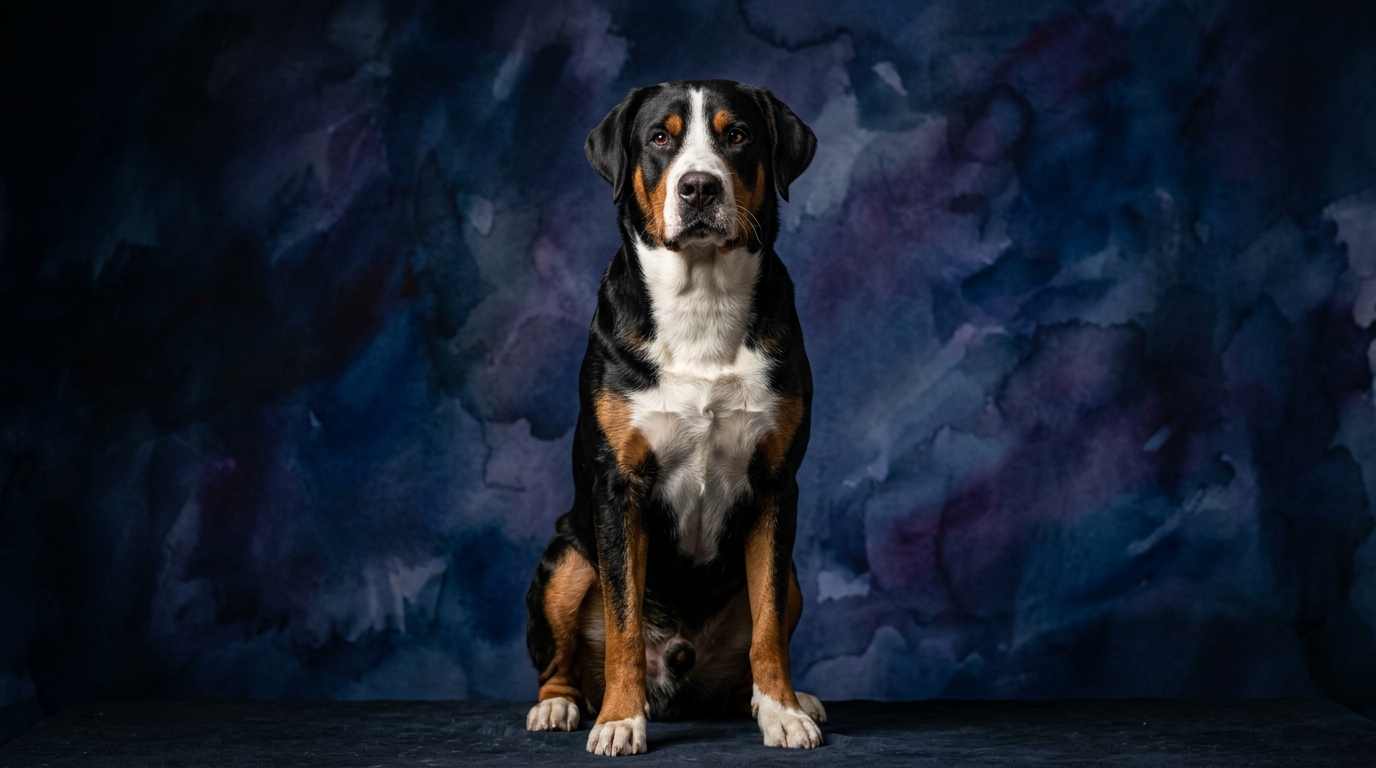
The Greater Swiss Mountain Dog, a robust member of the Working group, approaches the world with a steady demeanor that reflects in its cognitive dimensions. Their Problem Solving, rated 3/5, tends to be practical and methodical, often linked to their historical roles in herding and drafting, where deliberate action was key. Training Speed, also at 3/5, indicates they are capable learners but benefit from consistent, patient reinforcement rather than rapid-fire lessons. Social Intelligence, a balanced 3/5, allows them to form strong family bonds and understand cues, though they can be discerning with new acquaintances. Their Instinctive Drive, a moderate 3/5, is rooted in partnership and protection, guiding their interactions with a desire to 'work' alongside their people. Finally, their Memory, at 3/5, is solid, retaining learned behaviors and routines over time, making consistency a vital component of their development.
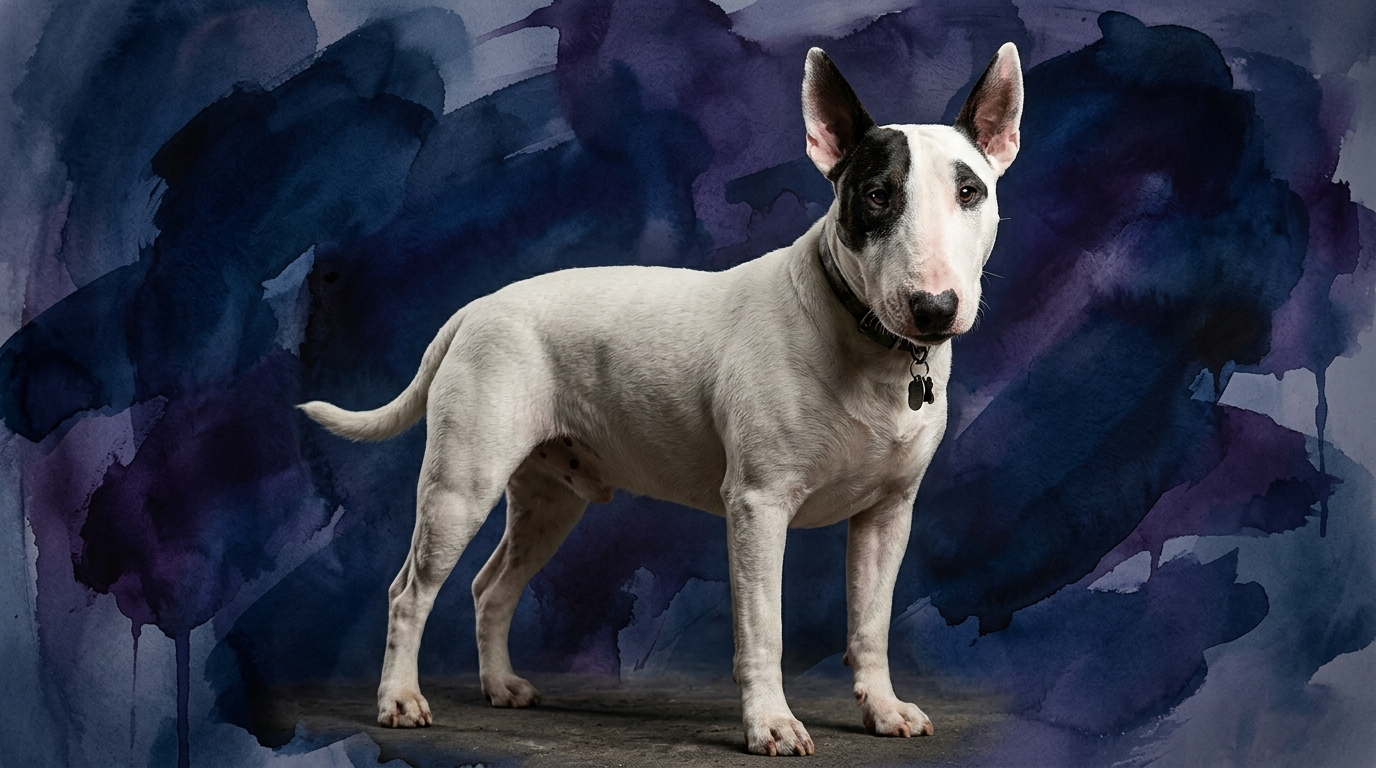
The Bull Terrier, an energetic Terrier, presents a unique cognitive profile, despite sharing the same 3/5 scores. Their Problem Solving, while also 3/5, is characterized by a tenacious, often creative, and sometimes mischievous approach, driven by a strong desire for a specific outcome. Training Speed, also 3/5, is influenced by their independent streak, meaning they learn but require engaging, varied methods to maintain focus and enthusiasm. Social Intelligence, a charming 3/5, sees them adept at understanding family dynamics, often using their playful nature to engage, though their social expressions can be quite boisterous. Their Instinctive Drive, a robust 3/5, is quintessential terrier – a strong prey drive and a need for vigorous play and exploration, guiding their determination. Their Memory, a reliable 3/5, allows them to recall past experiences and learned behaviors, particularly those associated with rewards or stimulating activities.
Where Greater Swiss Mountain Dog Wins Cognitively
The Greater Swiss Mountain Dog's cognitive strengths often manifest in their methodical approach to tasks and their inherent desire for partnership. Their problem-solving, while rated 3/5, tends to be more deliberate and less impulsive than some breeds, making them reliable in situations requiring a calm, considered response. For instance, when presented with a new obstacle, a Swissy might pause, observe, and then attempt a solution that minimizes risk, reflecting their historical role in safely moving livestock or carts.
Their social intelligence, also a 3/5, shines in their consistent, predictable interactions within a family unit. They excel at understanding established routines and expectations, providing a steady presence. This predictability, combined with their strong memory, allows them to maintain complex behavioral patterns, such as household manners or multi-step tasks, with less deviation once thoroughly learned, making them excellent companions for structured environments.
Where Bull Terrier Wins Cognitively
The Bull Terrier's cognitive advantages often lie in their spirited tenacity and unique blend of problem-solving. While also rated 3/5, their problem-solving tends to be more exploratory and driven by an intense curiosity or a desired outcome. A Bull Terrier might try multiple, sometimes unconventional, approaches to open a gate or retrieve a toy, demonstrating a creative and persistent drive that can be both amusing and effective, albeit occasionally mischievous.
Their particular brand of social intelligence, while also 3/5, is marked by an engaging, often comical, personality. They are adept at drawing attention and can be surprisingly empathetic, often sensing and responding to their owner's mood with comforting presence or playful antics. This distinct social dynamic, combined with their robust instinctive drive, makes them highly responsive to interactive play and mental challenges that tap into their innate zest for life and pursuit.
Which is Easier to Train and Why
When considering ease of training, the Greater Swiss Mountain Dog generally presents a more straightforward path for the average owner. Their Working group heritage instills a fundamental desire to collaborate and a more compliant nature. While their training speed is 3/5, their steady temperament and lower propensity for independent thought mean they are often more receptive to consistent, positive reinforcement methods. They tend to follow directions with fewer diversions, making foundational obedience and complex skill acquisition a more predictable process, provided patience is exercised.
The Bull Terrier, despite also scoring 3/5 in training speed, often requires a more nuanced approach due to their distinctive Terrier temperament. Their strong instinctive drive and problem-solving, while valuable, can manifest as stubbornness or a penchant for selective listening if not properly channeled. Training a Bull Terrier demands creativity, high-value rewards, and a firm but playful hand to keep them engaged and prevent boredom, which can lead to inventive, often undesired, behaviors. Owners must be prepared to make training a dynamic and ongoing mental exercise to harness their spirited nature effectively.
Which Suits Active Owners vs. Relaxed Owners
For active owners seeking a companion for adventures and consistent engagement, both breeds offer unique benefits, but the Greater Swiss Mountain Dog often aligns better with owners who appreciate a steady, reliable partner for structured activities. Their moderate instinctive drive and social intelligence make them suitable for hiking or carting, where consistency and a willingness to follow lead are valued. They thrive on having a purpose and participating in family activities that involve a degree of predictability and teamwork, enjoying physical exertion alongside their human companions.
The Bull Terrier, with its robust energy and tenacious spirit, is an excellent match for very active owners who relish energetic, often boisterous, play and enjoy a dog with a strong, independent personality. Their powerful instinctive drive means they excel in activities like agility, earthdog trials (where appropriate), or long, vigorous play sessions that satisfy their need for mental and physical stimulation. Relaxed owners might find the Bull Terrier's persistent need for engagement and their sometimes-boisterous nature challenging without significant commitment to channeling their energy, whereas a Swissy might adapt more readily to a calmer, albeit still active, routine.
The Verdict
Choose the Greater Swiss Mountain Dog if you seek a steadfast, predictable companion for a structured family life, valuing a methodical approach to tasks and a consistent, albeit moderately paced, training journey.
Opt for the Bull Terrier if you desire a spirited, tenacious partner who thrives on energetic engagement and creative problem-solving, appreciating a dog with a unique, often comical, personality and a need for consistent mental stimulation.
🧠 Find Your Pet's IQ Score
Our Pet IQ Lab assessment covers 25+ tests across 5 cognitive dimensions — personalized to your breed.
Take the Full IQ Test →Frequently Asked Questions
Do identical IQ scores mean these breeds are equally easy to live with?
Not necessarily; identical scores of 3/5 indicate similar cognitive potential across dimensions, but their breed-specific temperaments and historical roles mean these traits manifest quite differently in daily life. A Greater Swiss Mountain Dog might display its 3/5 social intelligence through calm, consistent family interactions, while a Bull Terrier might show it through playful, sometimes boisterous, engagement.
How does the "Working" vs "Terrier" group influence their 3/5 instinctive drive?
The Working group heritage of the Swissy means their 3/5 instinctive drive often relates to tasks like guarding, herding, or drafting, fostering a desire for purpose-driven activity alongside humans. The Terrier group heritage of the Bull Terrier means their 3/5 instinctive drive is typically geared towards chasing, digging, and robust play, often with a more independent and tenacious focus.
Since both have 3/5 problem-solving, will they solve problems in the same way?
While both score 3/5 for problem-solving, their approaches differ due to breed temperament. A Greater Swiss Mountain Dog might employ a more deliberate, methodical strategy, assessing options before acting. A Bull Terrier, conversely, might exhibit a more persistent, trial-and-error approach, driven by curiosity and a strong desire to achieve a specific outcome, sometimes leading to more inventive, though not always conventional, solutions.