Side-by-Side IQ Profile
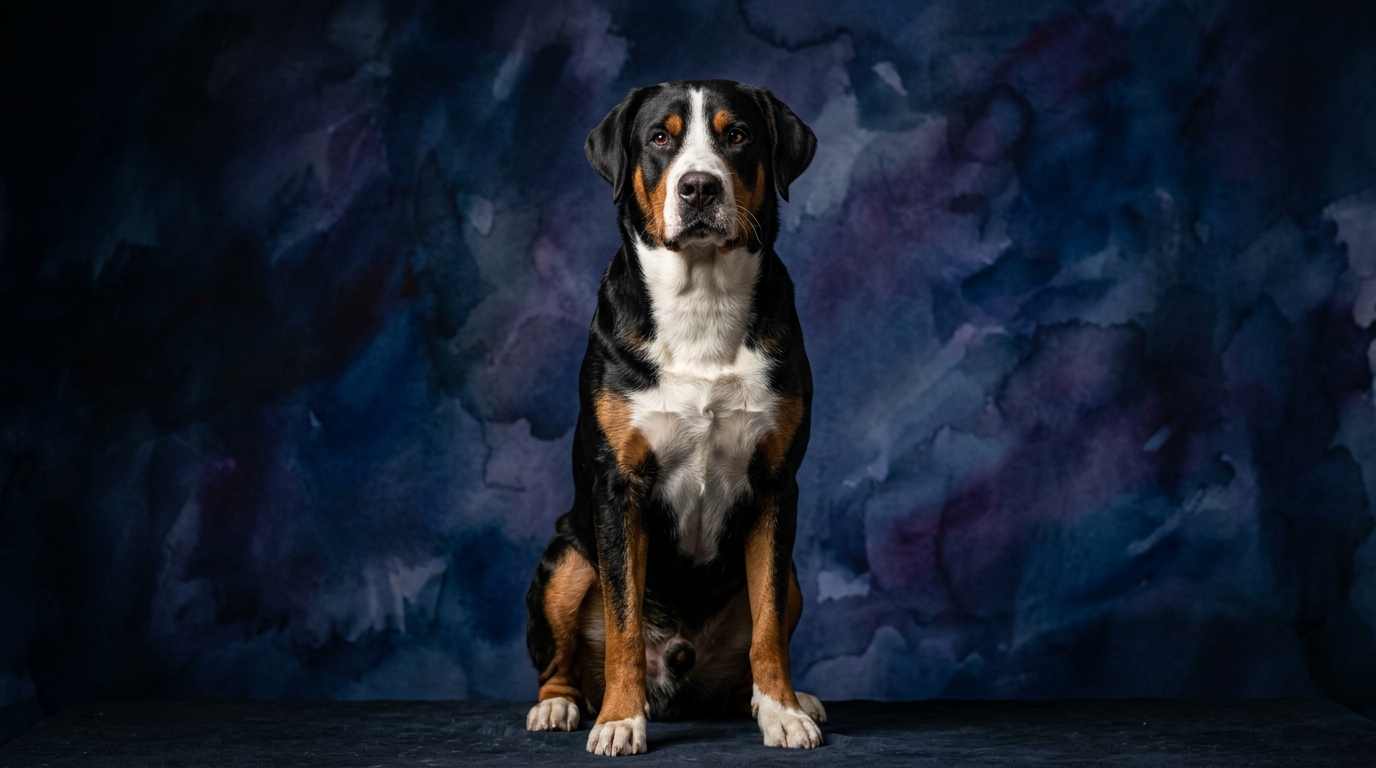
The Greater Swiss Mountain Dog, a robust member of the Working group, demonstrates a practical application of its cognitive abilities. Its Problem Solving (3/5) manifests as a capability for methodical, practical solutions, often involving physical manipulation or navigating complex environments to fulfill tasks like moving a cart or herding livestock, focusing on understanding cause-and-effect in a working context. Training Speed (3/5) indicates they are receptive to learning, absorbing commands and routines at a steady pace, benefiting from consistent, clear instruction and positive reinforcement. Social Intelligence (3/5) highlights their solid understanding of pack dynamics and human social cues, showing devotion to their family and an ability to gauge social situations within their trusted circle. Their Instinctive Drive (3/5) is rooted in purpose, protection, and companionship, rather than relentless pursuit, while Memory (3/5) ensures reliable retention of commands, routines, and environmental layouts, contributing to their dependable nature.
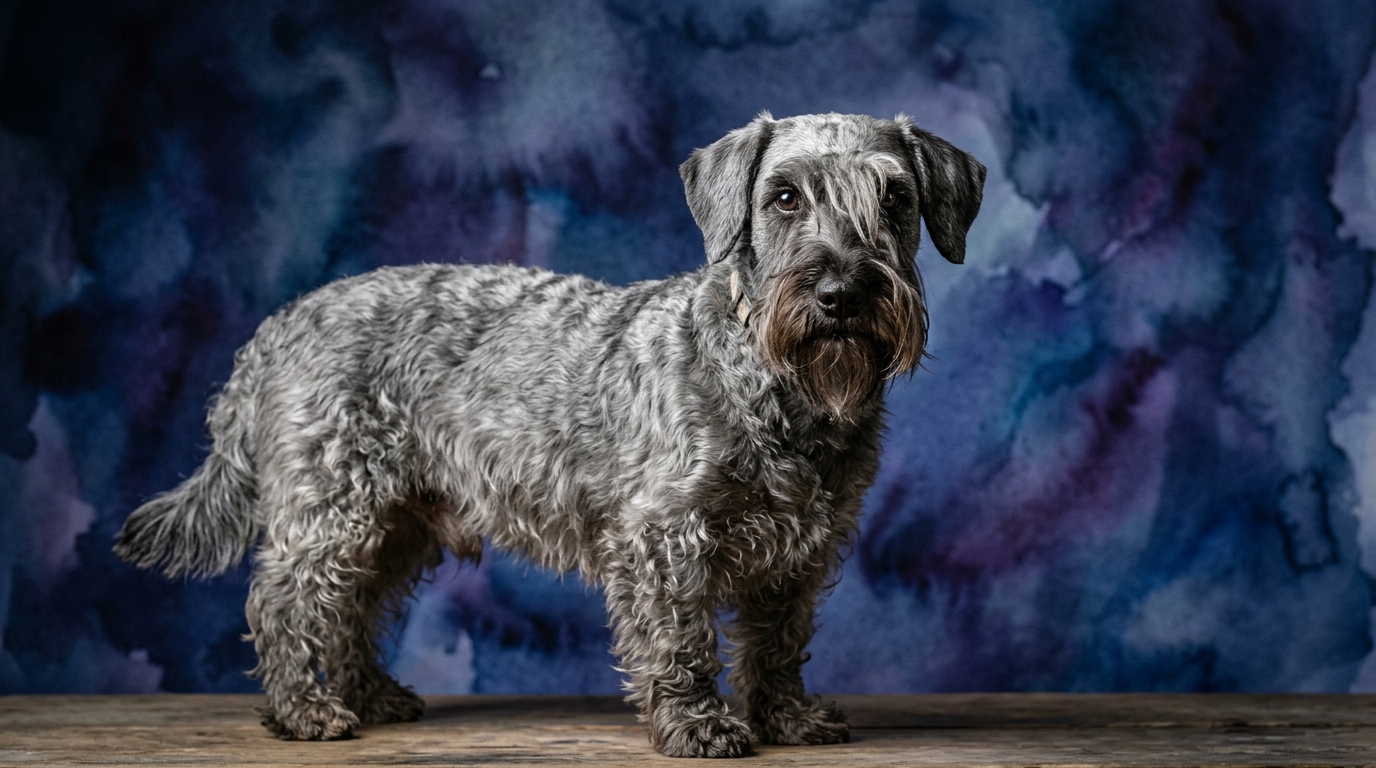
The Cesky Terrier, a tenacious Terrier, expresses its cognitive strengths with an independent flair. Its Problem Solving (3/5) often translates into resourceful, independent thinking, particularly when faced with challenges related to exploration or 'hunting' tasks, adept at navigating confined spaces or overcoming small physical obstacles with focused determination. Training Speed (3/5) suggests they learn at a moderate pace, but their terrier independence means training requires engaging methods and patience, as their inherent drive to explore can sometimes override immediate compliance. Social Intelligence (3/5) shows they are affectionate with family but exhibit a discerning social intelligence, often assessing new individuals or situations with reserve before engaging, maintaining a self-reliant demeanor. Their Instinctive Drive (3/5) is primarily geared towards their historical role as vermin hunters: a moderate but persistent prey drive, an inclination to explore, and a keen sense of their surroundings. Memory (3/5) allows them to recall places of interest, routines, and trusted individuals, though recall can be selective if a more enticing environmental stimulus presents itself.
Where Greater Swiss Mountain Dog Wins Cognitively
The Greater Swiss Mountain Dog's cognitive strengths shine in areas requiring sustained focus and cooperative effort, particularly within a family or working unit. Their Problem Solving (3/5) manifests as a methodical approach to physical tasks, such as understanding how to maneuver around obstacles or perform complex sequences of actions related to their historical drafting and herding roles. This isn't about quick, independent bursts of insight, but rather a steady, deliberate processing of information to achieve a larger goal. Their Social Intelligence (3/5) allows for a deep understanding of human cues and family dynamics, making them adept at anticipating needs and responding to subtle social signals, fostering a strong, reliable partnership. This cognitive advantage means they excel in environments where their physical presence and dependable nature are valued, contributing to a harmonious household through their calm, observant presence.
Where Cesky Terrier Wins Cognitively
The Cesky Terrier, despite identical cognitive scores, demonstrates distinct strengths in areas demanding independent thought and environmental engagement. Their Problem Solving (3/5) is often characterized by resourceful ingenuity in navigating their surroundings, such as figuring out how to squeeze into tight spaces or locate hidden objects, reflecting their terrier heritage of hunting vermin. This translates to a quick, adaptable cognitive style when faced with immediate, tangible challenges. Furthermore, their Instinctive Drive (3/5) fuels a persistent curiosity and a keen awareness of their environment, allowing them to rapidly assess and react to novel stimuli, whether it's a rustle in the bushes or a new scent. This particular cognitive bias enables them to excel in scenarios requiring self-reliance and acute sensory processing, making them highly attuned to their immediate world.
Which Is Easier to Train and Why
While both breeds score 3/5 in Training Speed, the *nature* of their trainability differs significantly due to their inherent behavioral tendencies. The Greater Swiss Mountain Dog, as a working breed, often possesses a stronger desire to cooperate and please its human companions. Their larger size and strength necessitate early, consistent training, but their Social Intelligence (3/5) means they generally respond well to positive reinforcement and clear directives, aiming to fulfill their role within the family structure. Conversely, the Cesky Terrier's terrier independence means that while they are capable learners, their Instinctive Drive (3/5) to explore or follow a scent can sometimes override immediate compliance. Training a Cesky requires creativity, variety, and an understanding that they might prioritize an interesting environmental stimulus over a command, making consistency and making training fun absolutely crucial to maintaining their engagement.
Which Suits Active Owners vs. Relaxed Owners
For owners with an active lifestyle, the Greater Swiss Mountain Dog offers a companion for robust outdoor activities. Their moderate Instinctive Drive (3/5) for purpose means they appreciate regular walks, hiking, or even carting, but they are equally content with a calm evening once their physical and mental needs are met. They suit owners who appreciate a steady, dependable presence and can provide consistent, gentle leadership. The Cesky Terrier, with its smaller size and keen senses, appeals to owners who enjoy engaging their dog in more focused, mentally stimulating activities like scent work, earthdog trials, or agility. While they require regular exercise to satisfy their moderate Instinctive Drive (3/5) for exploration, their energy output is generally less demanding than a large working breed, making them suitable for owners who prefer shorter, more intense bursts of activity and enjoy a dog with a persistent, curious nature.
The Verdict
Choose the Greater Swiss Mountain Dog if you seek a steadfast, cooperative companion who thrives on contributing to a harmonious family unit and appreciates a structured, purposeful life.
Opt for the Cesky Terrier if you are drawn to a tenacious, independent thinker who excels at resourceful problem-solving and enjoys engaging in mentally stimulating, exploratory activities.
🧠 Find Your Pet's IQ Score
Our Pet IQ Lab assessment covers 25+ tests across 5 cognitive dimensions — personalized to your breed.
Take the Full IQ Test →Frequently Asked Questions
Do Greater Swiss Mountain Dogs bark a lot?
Greater Swiss Mountain Dogs are generally not excessive barkers; their vocalizations are often purposeful, used for alerting their family to visitors or unusual sounds. Their 3/5 Social Intelligence and protective instincts mean they are observant but typically not prone to nuisance barking.
Are Cesky Terriers good with children?
Cesky Terriers can be good with respectful children, especially if raised with them. Their 3/5 Social Intelligence means they understand family dynamics, but their terrier independence requires supervision to ensure both dog and child interact appropriately and respectfully.
How much exercise does a Greater Swiss Mountain Dog need?
A Greater Swiss Mountain Dog requires moderate daily exercise, typically 30-60 minutes of walking or active play, to satisfy their 3/5 Instinctive Drive for purpose and maintain their physical condition. They thrive on consistent routines and opportunities to engage in purposeful activities.