Side-by-Side Cognitive Profiles: Greater Swiss Mountain Dog vs. Chinese Crested
While both the Greater Swiss Mountain Dog and the Chinese Crested register identical '3/5' ratings across all five cognitive dimensions in The Cosmic Pet Pet IQ Lab, the manifestation of these scores differs significantly due to their distinct breed histories and inherent motivations. Understanding these nuances is key to appreciating their unique mental landscapes.
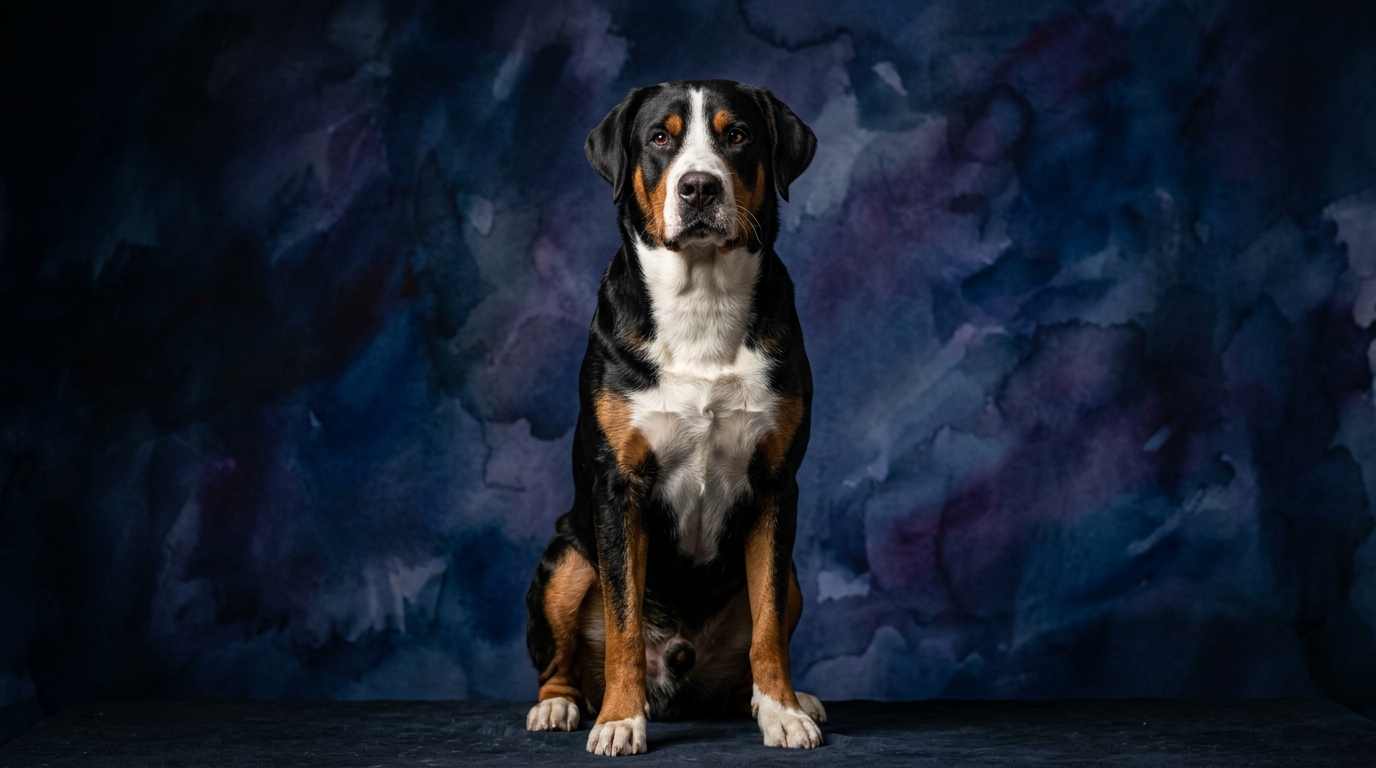
For the Greater Swiss Mountain Dog, a '3/5' in **Problem Solving** manifests as a methodical approach to challenges, especially those involving physical manipulation or navigating structured environments. They can understand multi-step tasks with clear practical outcomes, like opening a gate, and often persist through difficulties, applying their moderate cognitive capacity to tangible, real-world problems rather than spontaneously inventing novel solutions. A '3/5' in **Training Speed** indicates they are capable learners who benefit from consistent, patient repetition and clear commands. Their size necessitates early, firm training, and they respond well to positive reinforcement that acknowledges effort, gradually building reliable responses over time. The Greater Swiss exhibits '3/5' in **Social Intelligence** through a discerning loyalty to their family, adept at reading their primary human companions' moods and intentions. Their social acumen often manifests as a watchful, reserved approach to strangers, understanding social hierarchies and responding to consistent leadership. Their '3/5' **Instinctive Drive** is rooted in their farm dog heritage, showing a moderate inclination towards guarding, playful herding, and pulling. This consistent underlying motivation can be constructively channeled into activities like drafting or obedience, as they enjoy having a 'job' and can become restless if this need for purpose is unmet. Finally, a '3/5' in **Memory** for the Greater Swiss means they retain learned commands, routines, and experiences well, building upon previous learning to make subsequent training easier, and reliably recalling people and places, contributing to their overall reliability and adaptability to established norms.
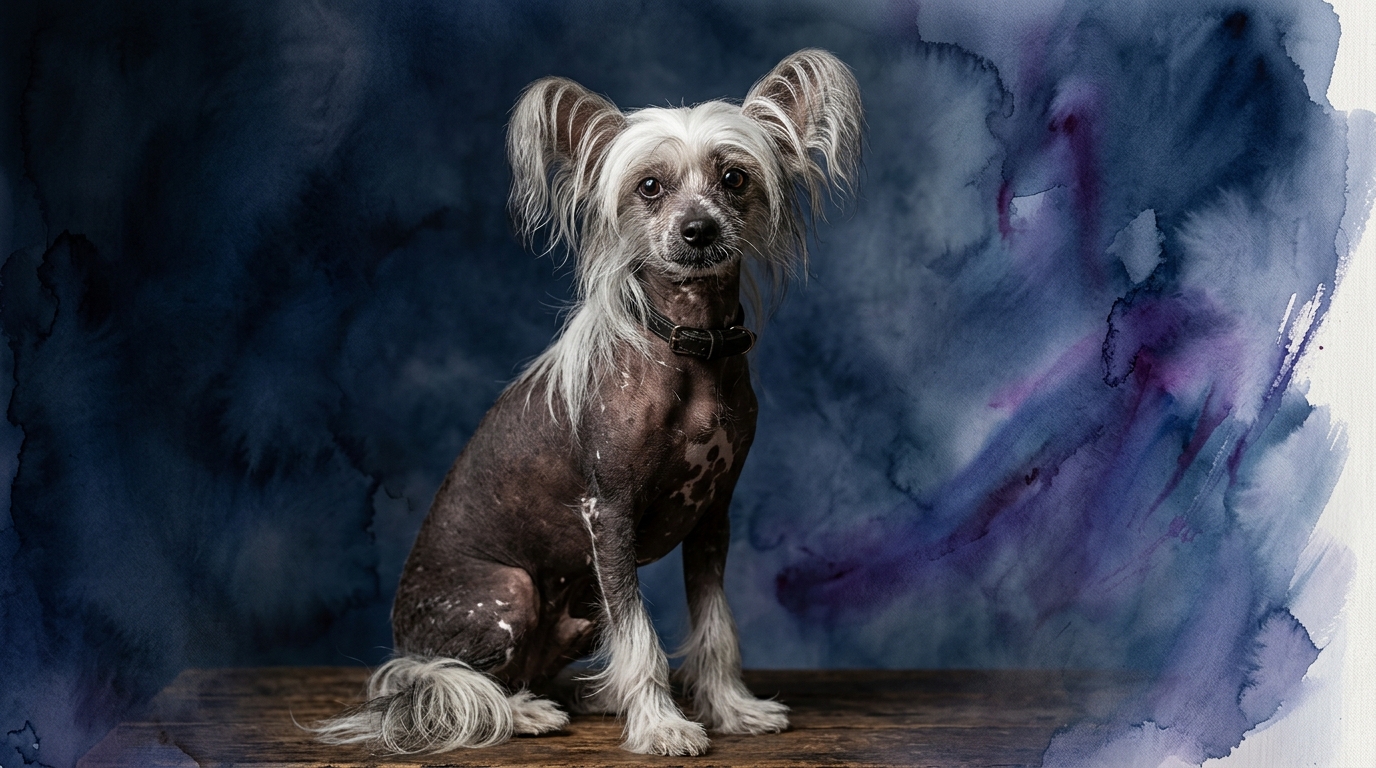
Conversely, for the Chinese Crested, '3/5' **Problem Solving** often involves cleverly navigating their environment to secure comfort, attention, or desired resources. This might manifest as figuring out how to burrow under blankets or manipulate humans with endearing persistence, showcasing a nimble cognitive approach to domestic challenges focused on personal gain and social interaction. A '3/5' in **Training Speed** signifies capable learning, often influenced by their sensitive nature and desire for connection. They pick up commands at a moderate pace, excelling in activities like agility, but their sensitivity means harsh corrections are counterproductive. They thrive with positive reinforcement, viewing training as a fun, cooperative game. The Chinese Crested's '3/5' **Social Intelligence** is acutely tuned to human emotions and needs. They are highly adept at interpreting subtle shifts in tone, expression, and body language, often anticipating their owners' moods or needs, which makes them exceptional companion animals, seamlessly integrating into family dynamics and adapting their behavior for social harmony. Their '3/5' **Instinctive Drive** leans towards companionship, burrowing, and a moderate prey drive for small objects. This intrinsic need for close physical contact and warmth guides their cognitive efforts towards maintaining preferred environments and social connections, rather than extensive outdoor tasks, though they enjoy playful chasing. A '3/5' in **Memory** for the Chinese Crested means reliable recall of routines, specific people, and past experiences. They remember where treats are hidden and whose lap is most inviting, allowing them to anticipate events and respond consistently to familiar cues, which strengthens their bonds and adaptability.
Where the Greater Swiss Mountain Dog Wins Cognitively
Despite identical numerical ratings, the Greater Swiss Mountain Dog's cognitive strengths shine in contexts requiring sustained physical effort combined with mental focus. Their 3/5 problem-solving is often geared towards practical, tangible tasks that leverage their robust physique, like moving heavy objects or navigating complex outdoor trails, applying their capacity to real-world, physically demanding challenges with a purposeful resilience. Their moderate instinctive drive means their cognitive resources are naturally directed towards understanding and executing tasks that feel like a 'job,' offering a mental resilience in structured work environments that the Crested, with its different innate motivations, might not prioritize.
Where the Chinese Crested Wins Cognitively
Conversely, the Chinese Crested, with its matching 3/5 cognitive profile, excels in areas demanding subtle social interpretation and adaptability within a domestic sphere. Their 3/5 social intelligence is particularly refined for understanding nuanced human emotional states, discerning slight shifts in mood or anticipating needs for comfort, employing their problem-solving to achieve social harmony or personal indulgence. Their memory and training speed, both 3/5, are often amplified by their strong desire for companionship and attention, leading them to quickly learn behaviors that elicit positive human interaction, making them exceptionally responsive to subtle cues in close-quarters training or social games.
Which Is Easier to Train and Why
Determining 'easier' training, given their identical '3/5' training speed, depends on owner approach and the specific behaviors being taught. The Greater Swiss Mountain Dog's training is rewarding when their moderate instinctive drive for purpose is engaged. They need consistent, clear guidance for tasks engaging mind and body; early leash training and impulse control are vital due to their size. Their memory solidifies learning, but consistency is key to managing their boundaries. An untrained Swiss can be physically challenging, not due to a lack of understanding, but due to their sheer strength when pulling or jumping. The Chinese Crested, also 3/5, is often eager to please and highly motivated by attention, making them responsive to positive, gentle methods. Their smaller size simplifies physical management, and their keen social intelligence helps them quickly grasp what earns praise. While they may not have the same 'working' drive, their sensitivity means harsh corrections are counterproductive, potentially leading to anxiety. For an owner seeking a highly responsive, emotionally attuned partner in a domestic setting, the Crested might feel 'easier'; for a robust working partner, the Swiss's drive is more straightforward to channel.
Which Suits Active Owners vs. Relaxed Owners
For owners with an active lifestyle and a desire for a canine companion to share outdoor adventures and purposeful tasks, the Greater Swiss Mountain Dog is often the more suitable choice. Their moderate instinctive drive and robust physique mean they thrive with regular exercise, mental stimulation, and a 'job' to do, whether it's hiking, carting, or advanced obedience. They are not content to be couch potatoes and require significant engagement to prevent boredom and destructive behaviors, channeling their 3/5 problem-solving into constructive activities. Conversely, the Chinese Crested typically aligns better with more relaxed owners who prioritize companionship, indoor activities, and a less physically demanding routine. While they enjoy short bursts of play and walks, their primary need is for close human interaction and comfort. Their keen social intelligence and smaller stature make them excellent lap dogs and adaptable apartment dwellers, content with snuggling and being a constant, warm presence. They still require mental engagement, but this often takes the form of puzzle toys, trick training, or simply being involved in household activities, rather than extensive physical exertion.
The Verdict
Opt for the Greater Swiss Mountain Dog if you are an active individual or family seeking a devoted, robust companion eager for purposeful work, outdoor adventures, and consistent, structured training to channel their moderate working drives effectively.
Select the Chinese Crested if you desire an affectionate, sensitive, and highly attuned companion who thrives on close human connection, enjoys indoor comforts, and appreciates gentle, positive reinforcement in their training and daily life.
🧠 Find Your Pet's IQ Score
Our Pet IQ Lab assessment covers 25+ tests across 5 cognitive dimensions — personalized to your breed.
Take the Full IQ Test →Frequently Asked Questions
Do Greater Swiss Mountain Dogs require a lot of mental stimulation?
Yes, their 3/5 problem-solving and instinctive drive mean they benefit significantly from mental challenges. Without purposeful engagement, they can become bored, potentially leading to unwanted behaviors as they seek their own 'work' or create their own entertainment.
Are Chinese Cresteds good at learning tricks?
Absolutely. Despite their 3/5 training speed, their high social intelligence and desire for attention make them enthusiastic trick learners. Positive reinforcement and making it a fun, interactive game yield excellent results, often showcasing their clever problem-solving in a social context.
How do their memory scores (3/5 for both) impact their daily lives?
A 3/5 memory means both breeds reliably recall routines, commands, and past experiences. This contributes to their consistency in learned behaviors and their ability to adapt to household norms, making them predictable companions once trained and allowing them to anticipate daily events.