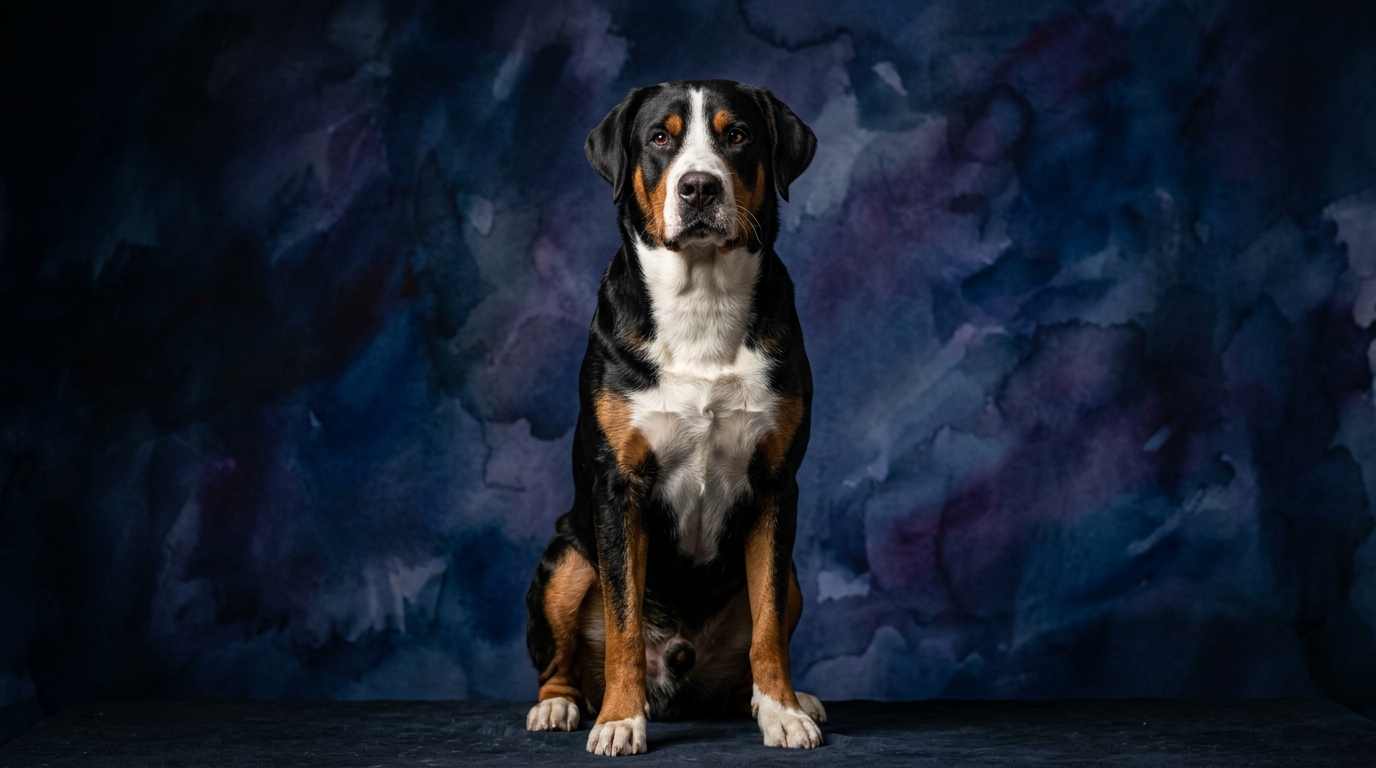
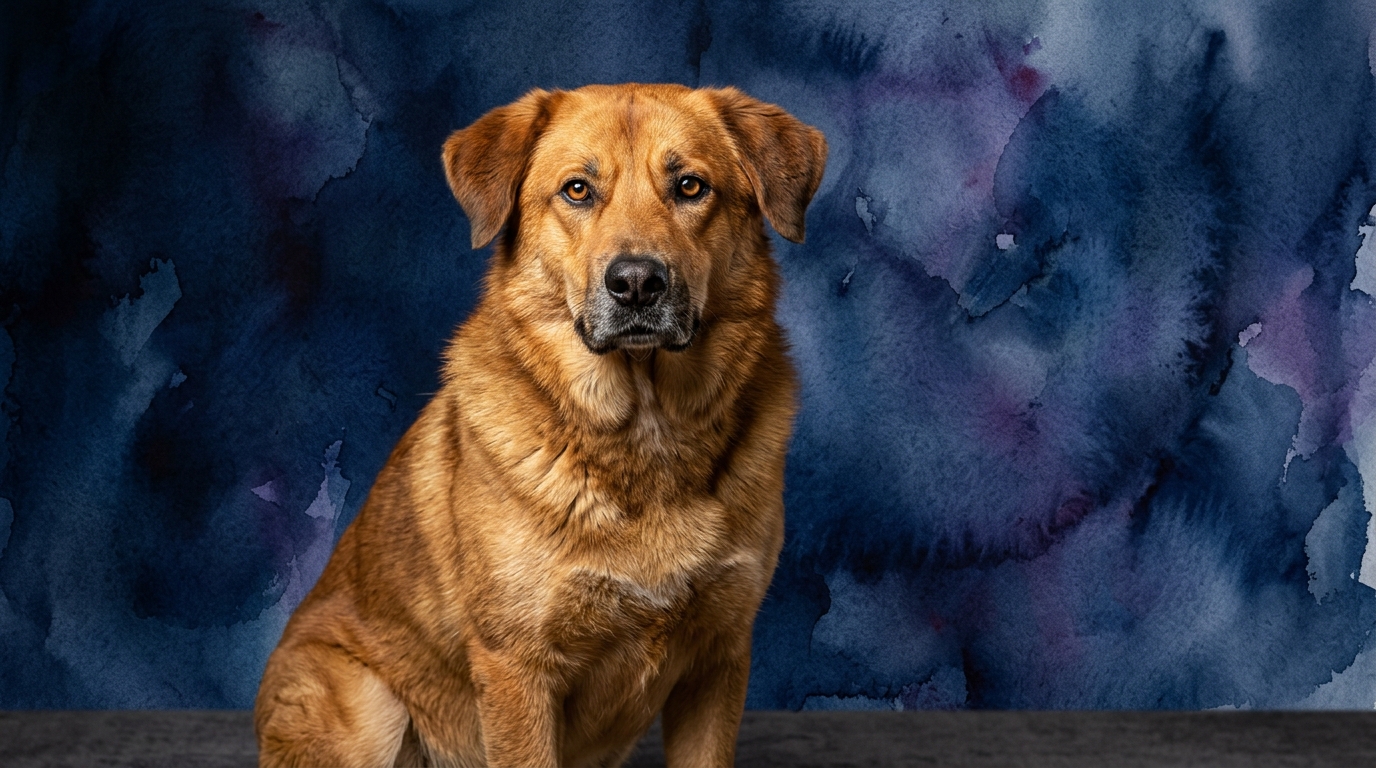
Side-by-Side IQ Profile: Practical Minds at Work
Both the Greater Swiss Mountain Dog and the Chinook register a solid 3/5 across all five measured cognitive dimensions, placing them firmly in a category of practical, capable working dogs. This consistency suggests neither is a 'genius' nor a 'struggler' in any single area, but rather possesses a balanced, functional intelligence well-suited to their respective historical tasks. Understanding the nuances within these identical scores requires looking beyond the numbers to their breed-specific applications.
For the Greater Swiss Mountain Dog, problem Solving at 3/5 often translates into a methodical approach, particularly when faced with physical obstacles or tasks requiring strength and persistence. Their training Speed, also 3/5, indicates they are receptive to learning but thrive on consistent, clear instruction, often showing a deliberate pace rather than rapid-fire assimilation. Social Intelligence at 3/5 means they are generally responsive to human cues and family dynamics, though they can be reserved with strangers, reflecting their protective instincts. Their Instinctive Drive of 3/5 is deeply rooted in guarding, drafting, and companionship, manifesting as a strong desire to be part of the family unit and to have a purpose. Finally, Memory at 3/5 ensures they retain learned commands and routines effectively, contributing to their reliability as working companions.
The Chinook, with an identical 3/5 in problem Solving, typically applies this intelligence to navigating complex environments or collaborating on tasks, reflecting their sledding heritage. Their 3/5 training Speed suggests a willingness to learn and please, often making them responsive and eager students, though they can be sensitive to harsh methods. Social Intelligence at 3/5 highlights their strong pack mentality and desire for close human connection, making them highly attuned to family emotions and social dynamics. An Instinctive Drive of 3/5 is evident in their love for pulling, exploring, and engaging in cooperative activities, aligning with their role as sled dogs and companions. Their Memory, also 3/5, is robust for recalling commands, routes, and positive associations, reinforcing their trainability and adaptability.
Where Greater Swiss Mountain Dog Wins Cognitively
While sharing the same 3/5 scores, the Greater Swiss Mountain Dog often demonstrates a particular cognitive advantage in tasks demanding sheer physical presence and unwavering determination. Their problem-solving, though rated 3/5, shines brightest when the solution requires methodical application of strength or persistence. For instance, if a gate needs to be nudged open repeatedly or a heavy object moved, the Swissy's cognitive approach often involves sustained effort rather than seeking an elaborate workaround, reflecting their heritage as draft and farm dogs. This isn't about raw intellect, but about how their cognitive functions are geared towards practical, often physical, solutions.
Their 3/5 instinctive drive is particularly potent in roles requiring a steadfast guardian presence. This translates into a cognitive framework that prioritizes vigilance and a deep-seated desire to protect their family and territory. They are less likely to be distracted by novel stimuli when they perceive a need for watchfulness, a cognitive trait that, while not 'smarter,' is certainly more focused on specific protective outcomes. This inherent seriousness means their social intelligence, while 3/5, often manifests as loyalty and a clear understanding of their place within the family hierarchy, making them exceptionally reliable within their established social circle.
Where Chinook Wins Cognitively
The Chinook, despite identical 3/5 cognitive scores, often exhibits a distinct edge in areas requiring cooperative problem-solving and adaptability within a team setting. Their problem-solving at 3/5 tends to be more fluid and collaborative, reflecting their sledding background where working in sync with other dogs and a musher was paramount. They might excel at navigating complex trail systems or understanding subtle cues during a shared task more readily than a Swissy, whose problem-solving is often more individually focused and physically driven.
Their 3/5 social intelligence is particularly strong in fostering deep, empathetic bonds. Chinooks often display a heightened sensitivity to their owner's moods and intentions, making them remarkably attuned companions. This isn't about superior intellect, but about how their cognitive wiring prioritizes emotional connection and subtle communication, a trait refined through generations of close partnership with humans. Furthermore, their instinctive drive, also 3/5, is channeled towards exploration and cooperative engagement, making them adept at learning new routes or adapting to varied outdoor activities with an enthusiastic, team-player attitude, a subtle cognitive strength that makes them excellent partners for adventurous owners.
Which is Easier to Train and Why
While both breeds score 3/5 in training Speed, the perceived ease of training can differ significantly due to their underlying temperaments and motivators. The Chinook often feels 'easier' to train for many owners because of their strong desire to please and their sensitivity to human feedback. They are typically eager to engage in training sessions and respond well to positive reinforcement, often picking up new commands with enthusiasm. Their cooperative nature means they are generally keen to work alongside their human and are less likely to express strong independent opinions during training, making the process feel smoother and more rewarding for the handler.
The Greater Swiss Mountain Dog, despite their 3/5 training Speed, can sometimes present more of a challenge due to their inherent independence and strength of will. They are perfectly capable of learning and retaining commands (memory 3/5), but they may require more consistent motivation and a firm, confident leader. A Swissy might question a command or take a moment to process if they perceive a task as unnecessary or if their handler isn't clear. This isn't a lack of intelligence, but rather a reflection of their self-reliant nature, which means training requires patience, consistency, and a clear understanding of their motivations. They excel when they understand the 'why' behind a command and when training is framed as a collaborative effort rather than a strict imposition.
Which Suits Active Owners vs. Relaxed Owners
The distinction between these two breeds, even with identical IQ scores, becomes clearer when considering lifestyle compatibility. The Chinook is an excellent fit for active owners who relish outdoor adventures and seek a canine partner for hiking, jogging, or even recreational sledding. Their 3/5 instinctive drive for exploration and physical activity, combined with their cooperative social intelligence, means they thrive on shared experiences and consistent engagement. They are adaptable to various environments but require regular mental and physical stimulation to prevent boredom and channel their energy constructively. Owners who enjoy teaching new tricks, exploring new trails, and incorporating their dog into daily activities will find the Chinook a responsive and joyful companion.
The Greater Swiss Mountain Dog, while certainly capable of activity, often suits owners who appreciate a more relaxed, yet structured, lifestyle. Their 3/5 instinctive drive leans more towards purposeful tasks like guarding and companionship rather than endless cardio. They enjoy walks, playtime, and being involved in family life, but their exercise needs are generally moderate once mature. They are robust and enjoy outdoor time, but are equally content to relax with their family after a good stroll. Their social intelligence and memory make them reliable household members, but their independent streak means they are not constantly demanding attention. Owners who value a calm, steadfast presence, enjoy consistent but not necessarily high-intensity engagement, and appreciate a dog that can transition easily between activity and quiet companionship will find the Swissy a fulfilling choice.
The Verdict
Choose the Greater Swiss Mountain Dog if you seek a steadfast, protective companion who thrives on routine and purposeful engagement, and you appreciate a dog with a robust, independent spirit.
Opt for the Chinook if you desire an eager-to-please, collaborative partner for outdoor adventures and shared activities, and you value a highly empathetic and adaptable canine companion.
🧠 Find Your Pet's IQ Score
Our Pet IQ Lab assessment covers 25+ tests across 5 cognitive dimensions — personalized to your breed.
Take the Full IQ Test →Frequently Asked Questions
Do Greater Swiss Mountain Dogs need a lot of exercise?
Greater Swiss Mountain Dogs have moderate exercise needs; they enjoy daily walks and playtime but are not typically high-energy dogs. Consistent, purposeful activity like carting or long hikes is beneficial, but they also appreciate quiet time with their family, adapting well to a balanced lifestyle.
Are Chinooks good family dogs?
Chinooks are generally excellent family dogs, known for their gentle, patient nature and strong bonds with their human 'pack.' Their high social intelligence makes them attuned to family dynamics, and they typically get along well with children and other pets, thriving on companionship and inclusion in family activities.
How do these breeds compare in terms of shedding?
Both the Greater Swiss Mountain Dog and the Chinook are double-coated breeds and will shed, particularly seasonally. The Swissy has a shorter, dense coat that sheds moderately year-round with heavier seasonal shedding, while the Chinook has a medium-length coat that also sheds moderately to heavily, requiring regular brushing to manage loose hair.