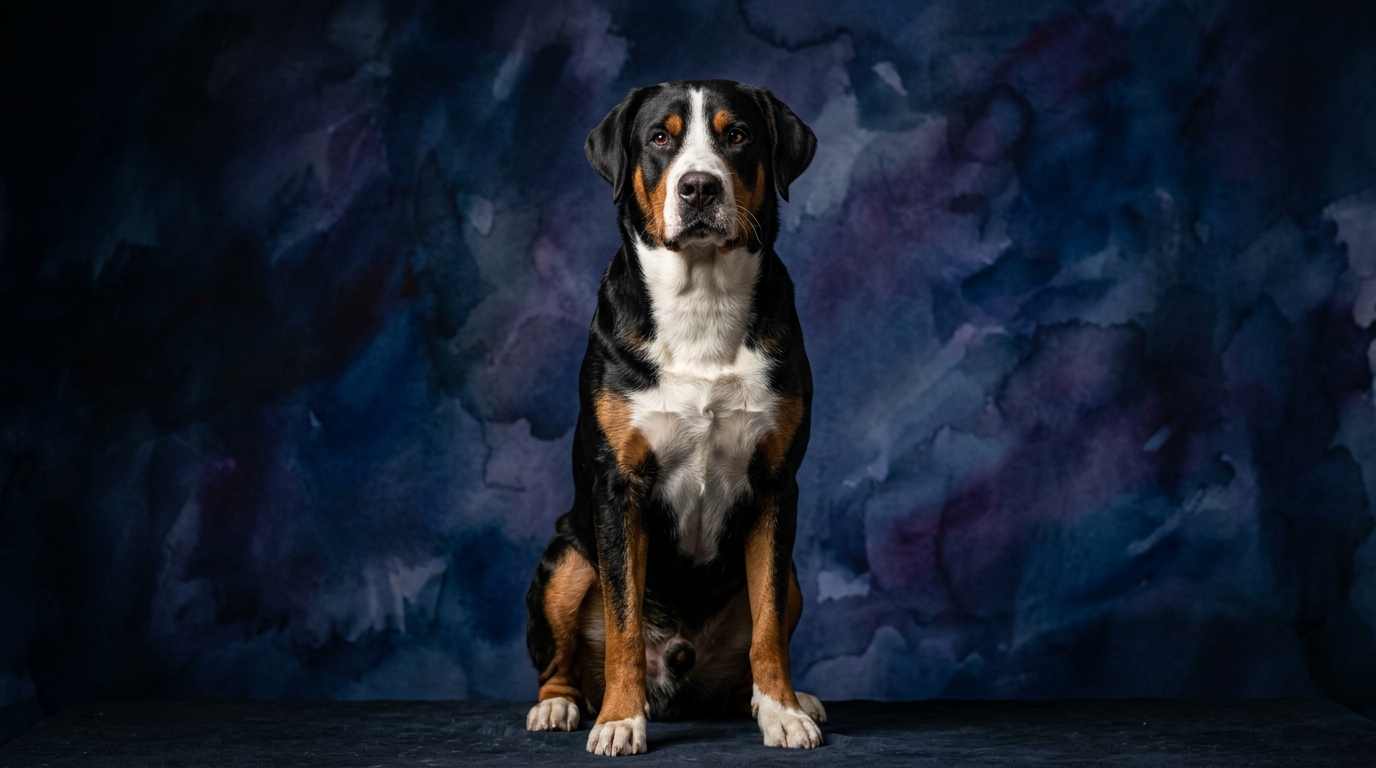
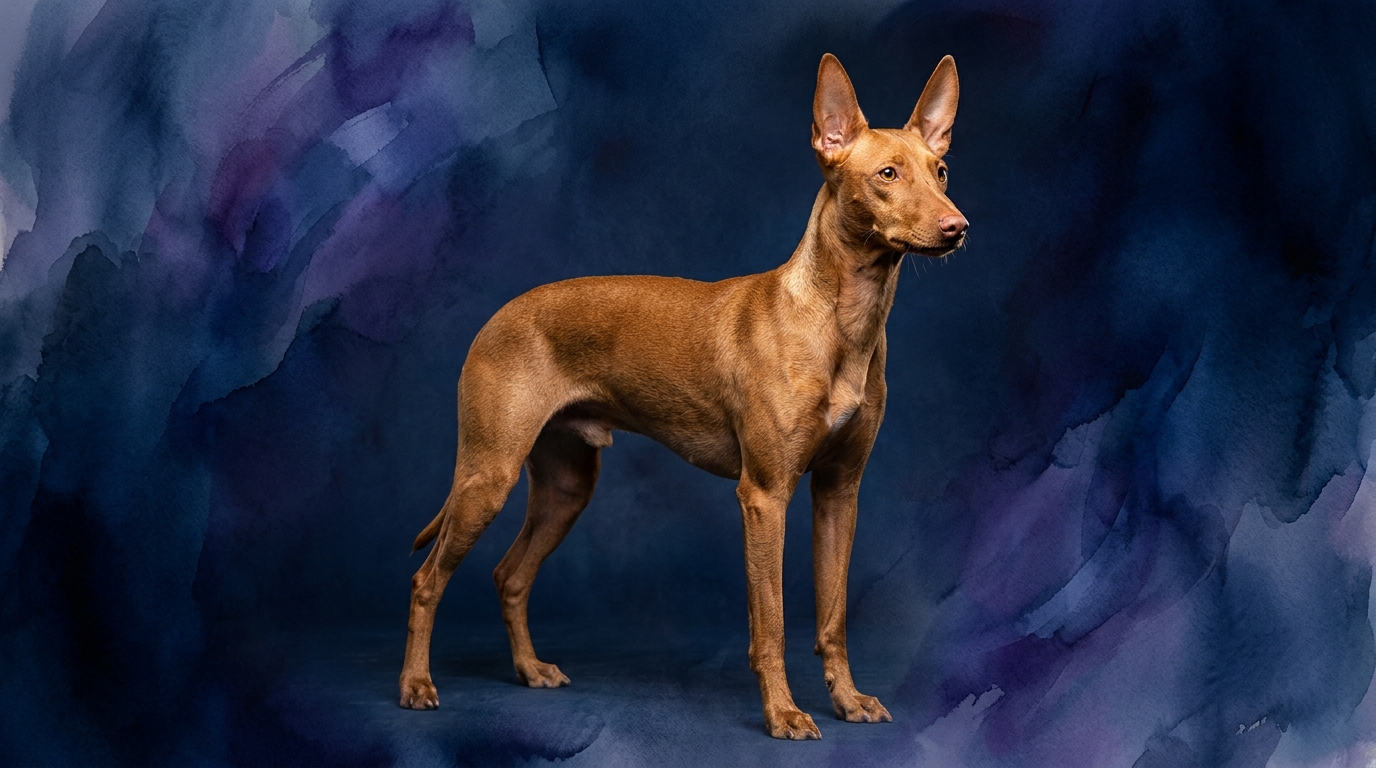
A Side-by-Side Look at Their Cognitive Profiles
Both the Greater Swiss Mountain Dog (GSMD) and the Cirneco dell'Etna (CdE) register a consistent 3 out of 5 across all five cognitive dimensions in The Cosmic Pet Pet IQ Lab. This uniformity in scores, however, masks a deeper divergence in how these breeds apply their inherent capabilities, shaped by centuries of selective breeding for vastly different purposes. Understanding these nuances requires looking beyond the numbers to the very essence of their working heritage.
For Problem Solving (3/5), the GSMD, a robust working dog, typically approaches challenges with a practical, methodical mindset, often seeking human direction or a structured solution. Their problem-solving leans towards tasks like navigating obstacles while pulling a cart or figuring out how to retrieve a dropped item within a familiar environment. The CdE, a swift sighthound, applies its 3/5 problem-solving more independently, often improvising solutions in dynamic, unpredictable environments, such as finding the best route to corner prey or navigating complex terrain during a hunt without direct human intervention.
Training Speed (3/5) for the GSMD reflects their desire to please and their inherent cooperativeness; they generally absorb commands steadily when given clear, consistent instruction. Their motivation often comes from companionship and the satisfaction of a job well done alongside their human. The CdE's 3/5 in training speed, conversely, indicates a capacity for learning but often requires more compelling motivation and patience due to their independent nature and strong prey drive; they learn quickly when the task aligns with their intrinsic interests, but can be selective.
Social Intelligence (3/5) in the GSMD manifests as a deep awareness of their family unit, often acting as a watchful but gentle guardian, adept at reading human emotions and responding with comfort or protective instincts. They integrate well into family dynamics, understanding their role within the 'pack.' The CdE's 3/5 social intelligence is often expressed in strong, selective bonds with their chosen humans, showing affection on their own terms, and a more reserved or observant interaction with strangers, reflecting their independent hunting heritage rather than a need for constant social engagement.
Instinctive Drive (3/5) for the GSMD is rooted in their history as farm dogs, encompassing herding, guarding, and drafting instincts, which translates to a drive for purpose-driven tasks and a desire to be part of the family's activities. Their drive is often channeled towards cooperative work. The CdE's 3/5 instinctive drive is profoundly shaped by their sighthound origins, manifesting as an intense prey drive, exceptional visual acuity, and a powerful urge to chase and hunt, demanding outlets for bursts of speed and focus on moving targets. This drive is inherently self-directed.
Finally, Memory (3/5) for the GSMD means they reliably recall routines, commands, and the locations of favored people or objects within their home territory. They thrive on predictability and remember what is expected of them in various situations. The CdE's 3/5 memory is particularly strong for spatial layouts of hunting grounds, the scent and visual cues of prey, and the most efficient routes for pursuit, making them highly effective in their specialized field, even if they might 'forget' a command if a rabbit scurries by.
Where the Greater Swiss Mountain Dog Shines Cognitively
The Greater Swiss Mountain Dog's cognitive strengths, despite identical scores, lie in their cooperative and structured application of intelligence. Their 3/5 in Problem Solving is particularly effective when tasks require sequential steps and a clear objective provided by a human partner; they excel in activities like competitive obedience or carting, where understanding and executing complex commands are paramount. This breed's Social Intelligence, also a 3/5, allows them to be exceptionally attuned to human emotional states and family dynamics, making them perceptive companions capable of offering comfort or alerting to changes, a trait less pronounced in more independently-minded breeds. Furthermore, their 3/5 Memory is robust for recalling routines and expectations within a domestic or working environment, contributing to their reliability and ease of integration into family life.
Their Instinctive Drive, rated 3/5, is geared towards utility and partnership, meaning they find satisfaction in tasks that involve working alongside humans, whether it's guarding, herding, or participating in family activities. This translates to a natural inclination to be 'useful' and to engage in purposeful activities directed by their owners, a cognitive advantage for those seeking a dog to actively participate in structured tasks. The GSMD's cognitive profile makes them particularly adept at understanding and responding to human-initiated interactions, making them excellent partners for various dog sports and family endeavors.
Where the Cirneco dell'Etna Excels Cognitively
The Cirneco dell'Etna, while sharing the same 3/5 scores, demonstrates a distinct cognitive brilliance in areas demanding independence, adaptability, and sensory acuity. Their 3/5 Problem Solving truly shines in dynamic, unstructured environments where quick, independent decisions are crucial, such as navigating complex terrain or outsmarting nimble prey; they are adept at finding novel solutions on the fly without waiting for direction. This breed's Instinctive Drive, also 3/5, is a powerful asset, manifesting as exceptional visual perception and an unwavering focus on movement, allowing them to track and pursue with remarkable efficiency, a cognitive specialization that defines their sighthound heritage.
The CdE's Memory (3/5) is particularly strong for spatial recall and sensory information relevant to their hunting instincts, enabling them to remember specific locations where prey was sighted or where a scent trail was last strong, even over varying periods. Their Social Intelligence, while scoring 3/5, translates into a capacity for forming deep, albeit sometimes reserved, bonds with their chosen people, showing a quiet understanding and loyalty that is less about overt cooperation and more about shared presence. These cognitive strengths make the Cirneco dell'Etna exceptionally self-reliant and effective in tasks requiring quick reflexes and independent judgment in challenging, open environments.
Training: Cooperation vs. Independent Spirit
When it comes to training, the identical 3/5 Training Speed scores for both breeds play out very differently due to their underlying behavioral tendencies. The Greater Swiss Mountain Dog, as a working breed, generally possesses an inherent desire to collaborate and a willingness to please its human companions. Their 3/5 training speed is often amplified by their strong social intelligence and drive for purposeful activity, meaning they are typically responsive to positive reinforcement and thrive on clear, consistent direction. They approach training sessions with a focus on teamwork, making them generally more straightforward to teach foundational obedience and more complex tasks.
The Cirneco dell'Etna, conversely, while equally capable of learning with its 3/5 training speed, often presents a greater challenge due to its strong independent spirit and profound instinctive drive for hunting. Their attention can be easily diverted by interesting sights or scents, requiring owners to be exceptionally patient, creative, and highly motivating. Training a Cirneco often involves finding ways to make the desired behavior more rewarding than following an instinctual urge, which can be a significant hurdle. While they can learn quickly, their independence means they may choose not to comply if they don't see the immediate benefit, or if something more stimulating captures their interest. Therefore, a GSMD is generally considered easier to train for cooperative tasks, while training a CdE demands a nuanced approach that respects their independent nature and harnesses their natural drives.
Matching Breeds to Lifestyles: Active vs. Relaxed Owners
The Greater Swiss Mountain Dog, with its 3/5 scores across the board, thrives with active owners who can provide consistent mental and physical engagement. Their problem-solving and instinctive drives benefit greatly from a structured routine that includes regular walks, hikes, and opportunities for purposeful 'work,' such as drafting, obedience, or even just helping around the house. They are excellent companions for families who enjoy outdoor activities and desire a dog that can actively participate in their adventures, requiring sustained interaction and a sense of belonging to the family's daily rhythm. A GSMD needs more than just exercise; they need a 'job' to feel fulfilled, making them a better fit for owners who are prepared to integrate their dog into their active lifestyle rather than simply providing exercise time.
The Cirneco dell'Etna, despite its powerful instinctive drive and need for bursts of intense activity, can surprisingly suit owners who appreciate a balance of explosive exercise and indoor tranquility. While they require daily opportunities to run at full speed in a secure area, their energy often manifests in short, intense bursts followed by periods of calm relaxation indoors. Their independent problem-solving and memory for their environment mean they can entertain themselves with independent exploration during walks but are typically content to nap on the couch afterward. This makes them a good match for active owners who can provide dedicated time for high-intensity play or secure off-leash running, but who also appreciate a relatively relaxed and undemanding presence inside the home, rather than a dog that constantly seeks out interaction or tasks.
The Verdict: Choosing Your Canine Companion
The Verdict
Choose the Greater Swiss Mountain Dog if you seek a cooperative, family-integrated companion eager for structured tasks and consistent interaction, thriving on a sense of purpose within your active lifestyle.
Opt for the Cirneco dell'Etna if you appreciate an independent, spirited dog that requires dedicated bursts of high-intensity exercise but is content with quiet relaxation indoors, and you're prepared for a unique, less overtly compliant training journey.
🧠 Find Your Pet's IQ Score
Our Pet IQ Lab assessment covers 25+ tests across 5 cognitive dimensions — personalized to your breed.
Take the Full IQ Test →Frequently Asked Questions
Do identical IQ scores mean these breeds are equally easy to live with?
No, identical IQ scores indicate a similar cognitive capacity but not necessarily similar temperaments or ease of living. Their historical roles and inherent drives mean their intelligence manifests differently in daily life, requiring distinct approaches to training and companionship.
Which breed is better for first-time dog owners?
The Greater Swiss Mountain Dog is generally a more forgiving choice for first-time owners due to their cooperative nature and eagerness to please. The Cirneco dell'Etna's independent streak and strong prey drive can be more challenging for inexperienced owners to manage effectively.
How can I provide mental stimulation for a Cirneco dell'Etna given its independent nature?
For a Cirneco dell'Etna, mental stimulation should often cater to their independent, sensory-driven intelligence; think puzzle toys that engage their scent drive, secure areas for independent exploration, and training games that mimic hunting scenarios rather than strict obedience drills.