Side-by-Side Cognitive Profiles
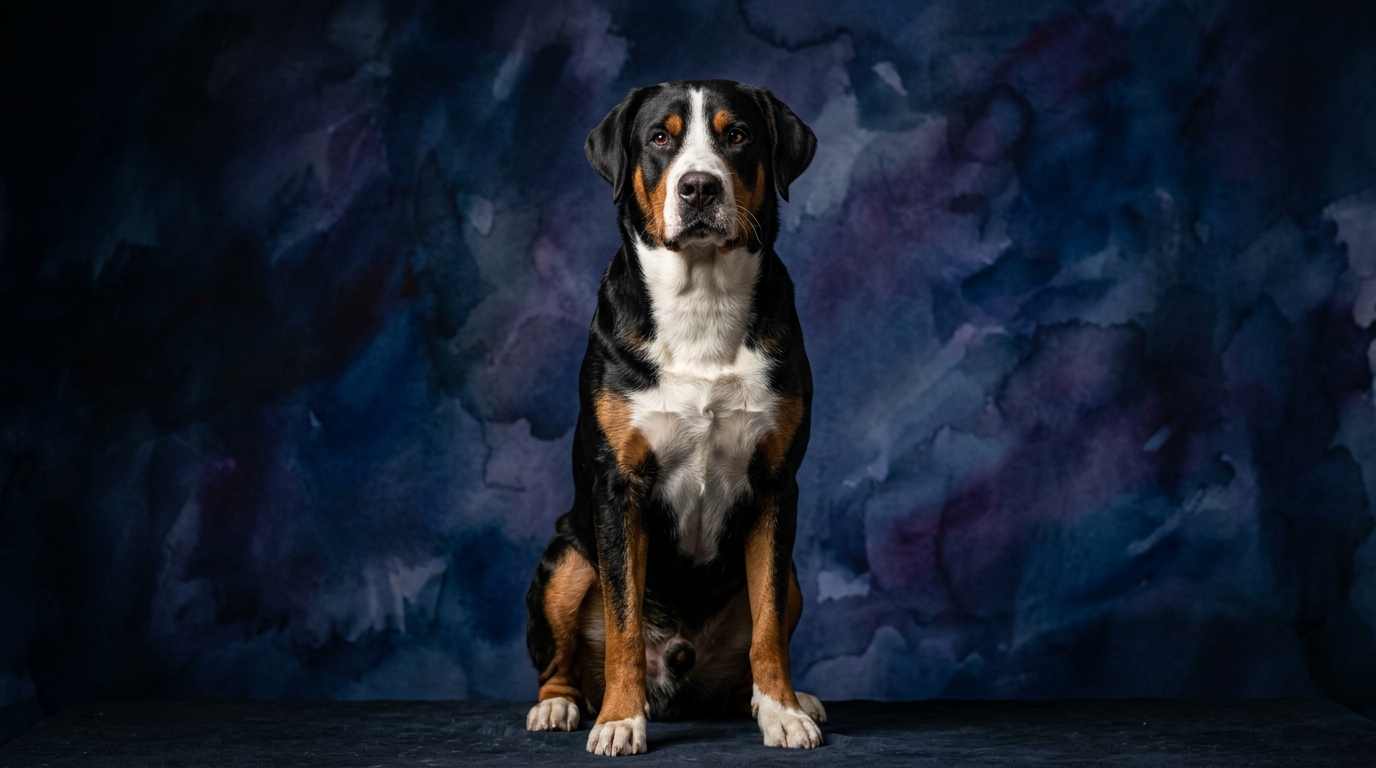
The Cosmic Pet Pet IQ Lab employs five key dimensions to assess canine cognition, revealing nuanced differences between breeds. For the Greater Swiss Mountain Dog, we observe a balanced but moderate intellectual profile across the board. Their problem Solving stands at 3/5, indicating an aptitude for practical, physically-oriented challenges, often requiring strength and endurance rather than intricate strategizing. Training Speed is also 3/5, suggesting a steady learning pace that benefits from consistent, clear guidance. Social Intelligence, at 3/5, reflects their observant and family-oriented nature, capable of forming strong bonds and understanding household dynamics. Their Instinctive Drive, rated 3/5, points to their historical roles in guarding and drafting, manifesting as a reliable, purposeful work ethic. Finally, Memory at 3/5 means they generally retain routines and commands effectively, though perhaps not the most complex sequences with high precision.
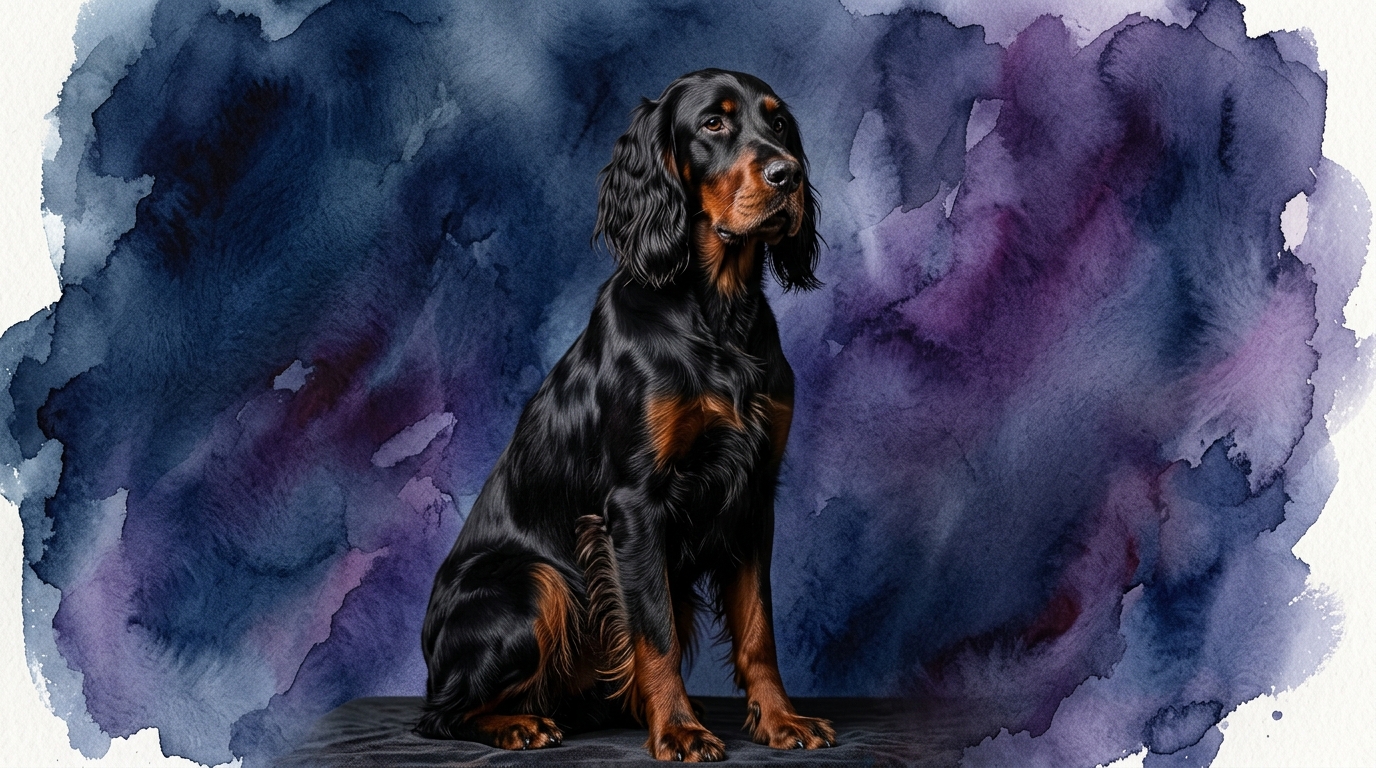
In contrast, the Gordon Setter presents a sharper, more specialized cognitive toolkit, particularly geared towards their sporting heritage. Their problem Solving is rated 4/5, demonstrating a greater capacity for strategic thinking, especially when navigating complex environments or overcoming obstacles to achieve a goal, like locating game. Training Speed also scores 4/5, indicating a quicker grasp of new commands and a more responsive disposition to instruction. Social Intelligence matches the Greater Swiss Mountain Dog at 3/5, signifying a similar capacity for connection and awareness within their social group. Instinctive Drive is likewise 3/5, but this drive is specifically channeled into scent work, tracking, and pointing, showcasing a focused pursuit. A notable distinction is their Memory, rated 4/5, suggesting a superior ability to recall detailed sequences, intricate field commands, and the locations of various stimuli over time.
Where the Greater Swiss Mountain Dog Cognitively Excels
The Greater Swiss Mountain Dog’s cognitive strengths lie in their robust, steady application of intellect to physical tasks and their grounded presence. While not as quick to learn complex sequences as the Gordon Setter, their 3/5 problem-solving ability often manifests as a resilient practicality. They excel at tasks requiring sustained effort and an understanding of physical mechanics, such as pulling a cart or navigating uneven terrain with a load. Their problem-solving might involve figuring out how to best brace themselves or maneuver around an obstacle using their strength, rather than devising a clever shortcut.
Furthermore, their consistent 3/5 ratings across most cognitive dimensions suggest a dependable, predictable mental temperament. In situations demanding unwavering focus on a repetitive or physically demanding chore, their steadiness can be a distinct advantage. Their social intelligence, while not higher than the Gordon Setter's, often translates into a calm, watchful companionship, making them adept at integrating into a family unit without the intense, singular focus on a handler that a high-drive sporting dog might exhibit. This even-keeled cognitive profile allows them to manage routine changes with less anxiety and maintain a solid emotional balance, which is a form of cognitive resilience.
Where the Gordon Setter Cognitively Excels
The Gordon Setter truly shines in areas demanding quick mental processing, strategic planning, and superior recall, primarily fueled by their sporting instincts. Their 4/5 problem-solving capacity is evident in their ability to quickly assess and adapt to changing environments, such as tracking a scent trail over varied ground or navigating dense cover. They are adept at devising efficient strategies to achieve their goal, often displaying a nuanced understanding of their surroundings and the task at hand. This strategic thinking allows them to learn complex patterns and apply them effectively in dynamic situations, a crucial trait for a bird dog.
The Gordon Setter’s 4/5 training speed and 4/5 memory are significant advantages. This combination allows them to absorb and retain a wider array of commands and multi-step routines rapidly. They can quickly link actions to consequences and remember intricate sequences of behavior over extended periods. This means they are often capable of advanced obedience, competitive field events, and learning specialized tasks that require a precise understanding of cues and a strong memory for execution. Their keen observational skills, coupled with their memory, enable them to anticipate handler intentions and react with remarkable alacrity.
Which is Easier to Train and Why
Based on their IQ profiles, the Gordon Setter generally proves easier to train for a wider range of activities due to their superior training speed and memory. With a 4/5 rating in both, Gordon Setters tend to grasp new concepts and commands more quickly, and they retain that knowledge with greater precision. Their responsiveness and eagerness to engage with their handler make them highly receptive to positive reinforcement, and they often excel in advanced obedience, agility, and field work, picking up complex sequences with fewer repetitions. For instance, teaching a Gordon Setter a multi-part retrieve or a precise field pattern might require fewer sessions because of their capacity to quickly connect the verbal cue with the desired action and remember the steps involved.
The Greater Swiss Mountain Dog, with a 3/5 training speed and memory, requires a more patient and consistent approach. While capable of learning, they may take more repetitions to solidify a command, especially if distractions are present. Their independent nature, a hallmark of many working breeds, means that while they are loyal, they may not possess the same inherent drive to please or the quick reflex to respond to every cue as a Gordon Setter. For example, teaching a Greater Swiss Mountain Dog reliable impulse control around novel stimuli might necessitate more structured, repetitive practice sessions to instill the desired behavior, as their problem-solving tends to be more about physical application than rapid cognitive adaptation to abstract commands.
Which Suits Active Owners vs. Relaxed Owners
For owners with an active lifestyle who are prepared to dedicate significant time to physical and mental engagement, the Gordon Setter is an exceptional match. Their strong instinctive drive for scent work and their superior problem-solving and memory skills mean they thrive on having a 'job.' This could involve long runs, extensive hiking, participation in field trials, tracking, or competitive obedience. A Gordon Setter needs consistent mental stimulation through training and varied activities to prevent boredom and channel their considerable energy constructively. Owners who enjoy teaching complex tasks and providing ample opportunities for their dog to use their keen senses will find a highly rewarding partnership.
The Greater Swiss Mountain Dog, while still requiring regular exercise to maintain their robust physique and prevent boredom, may be a better fit for owners whose activity levels are consistent but less intensely focused on specialized tasks. Their 3/5 instinctive drive is more about purpose-driven work like guarding or drafting, and less about constant, high-speed pursuit. They appreciate structured walks, opportunities to explore, and engaging in practical tasks around the home or yard. While they enjoy being active with their family, they might be more content with a steady routine of outdoor activity followed by relaxed companionship indoors, rather than the continuous mental and physical challenges a Gordon Setter often craves. Their social intelligence also means they value companionship deeply, making them suitable for families who want an involved, yet not perpetually 'on-the-go' canine member.
The Verdict: When to Choose Each Breed
Choosing between these two breeds hinges on the specific cognitive demands an owner is prepared to meet and the type of companionship desired. The Greater Swiss Mountain Dog is an excellent choice for individuals or families seeking a steadfast, physically capable companion who thrives on consistent, patient guidance and has a steady, predictable temperament. They are well-suited for practical, family-oriented roles where their strength and calm social intelligence are valued.
Conversely, the Gordon Setter is ideal for active, engaged owners who desire a quick-witted, highly responsive partner eager for complex training, competitive dog sports, or extensive field work. Their superior problem-solving, training speed, and memory make them shine in environments that consistently challenge their keen intellect and harness their natural drive.
The Verdict
Choose the Greater Swiss Mountain Dog if you seek a steadfast companion who excels in practical, physical challenges and thrives with consistent, patient guidance within a family setting.
Opt for the Gordon Setter if you seek a highly responsive, quick-witted partner eager for complex training, field work, or competitive dog sports that engage their keen memory and problem-solving skills.
🧠 Find Your Pet's IQ Score
Our Pet IQ Lab assessment covers 25+ tests across 5 cognitive dimensions — personalized to your breed.
Take the Full IQ Test →Frequently Asked Questions
Are Greater Swiss Mountain Dogs good for first-time owners?
Yes, with commitment. They are generally adaptable and loyal, but their independent streak and large size mean owners must be prepared for consistent training and socialization from a young age to manage their strength and ensure good manners.
What kind of mental exercise does a Gordon Setter need?
Gordon Setters benefit greatly from activities that engage their scenting abilities and memory, such as advanced obedience, field trials, tracking, or even complex puzzle toys. Regular training sessions keep their quick minds stimulated and prevent boredom, channeling their natural drive productively.
How do their social intelligence ratings compare?
Both breeds share a 3/5 social intelligence rating, indicating they are observant and capable of forming strong bonds with their human families. The difference lies more in how their other cognitive traits influence their social interactions, with the Gordon Setter's higher responsiveness sometimes appearing more outwardly engaged in interaction.