Side-by-Side Cognitive Profiles: Decoding the 3/5 Score
At The Cosmic Pet Pet IQ Lab, we assign five key cognitive dimensions to each breed: Problem Solving, Training Speed, Social Intelligence, Instinctive Drive, and Memory. Intriguingly, both the Greater Swiss Mountain Dog and the Leonberger register a consistent 3/5 across all these metrics. This identical scoring does not imply identical minds, but rather a shared level of reliable competence, with the practical expression of these abilities varying significantly between the breeds.
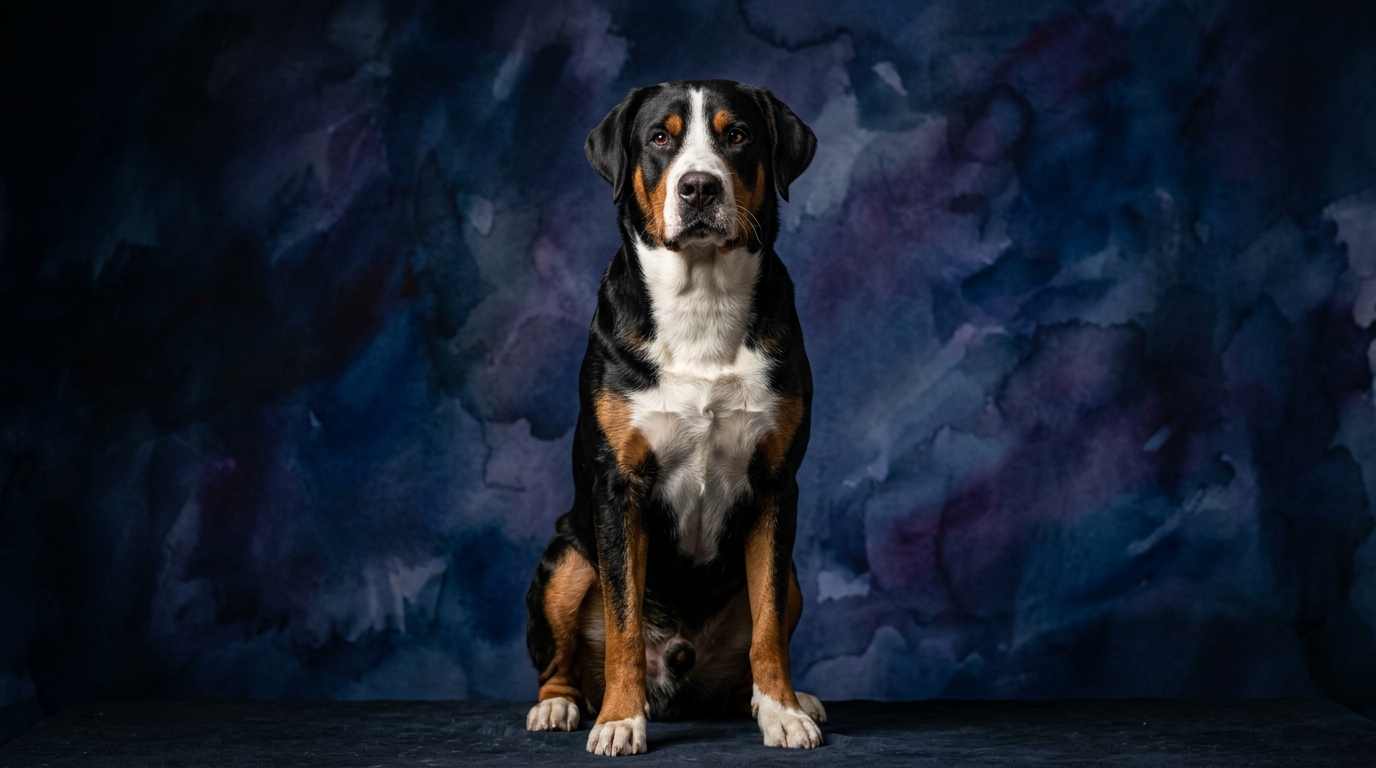
For the Greater Swiss Mountain Dog (GSMD), a 3/5 in Problem Solving reflects a practical, robust approach. Having historically served as versatile farm dogs, they excel at navigating physical obstacles, figuring out how to move objects, or finding solutions to immediate, tangible challenges. Their Training Speed at 3/5 means they are capable learners, absorbing commands and routines with consistent repetition, though they may require a firm, fair hand to overcome their independent streak. Social Intelligence, also 3/5, manifests as a strong loyalty to their immediate family, often accompanied by a reserved demeanor towards strangers, indicating a discerning social awareness rather than widespread affability. Their Instinctive Drive, a solid 3/5, is geared towards utility—drafting, guarding, and herding—tasks that require purpose and physical engagement. Finally, their Memory, rated 3/5, allows them to retain complex routines and spatial awareness essential for their working roles, remembering boundaries and established tasks reliably.
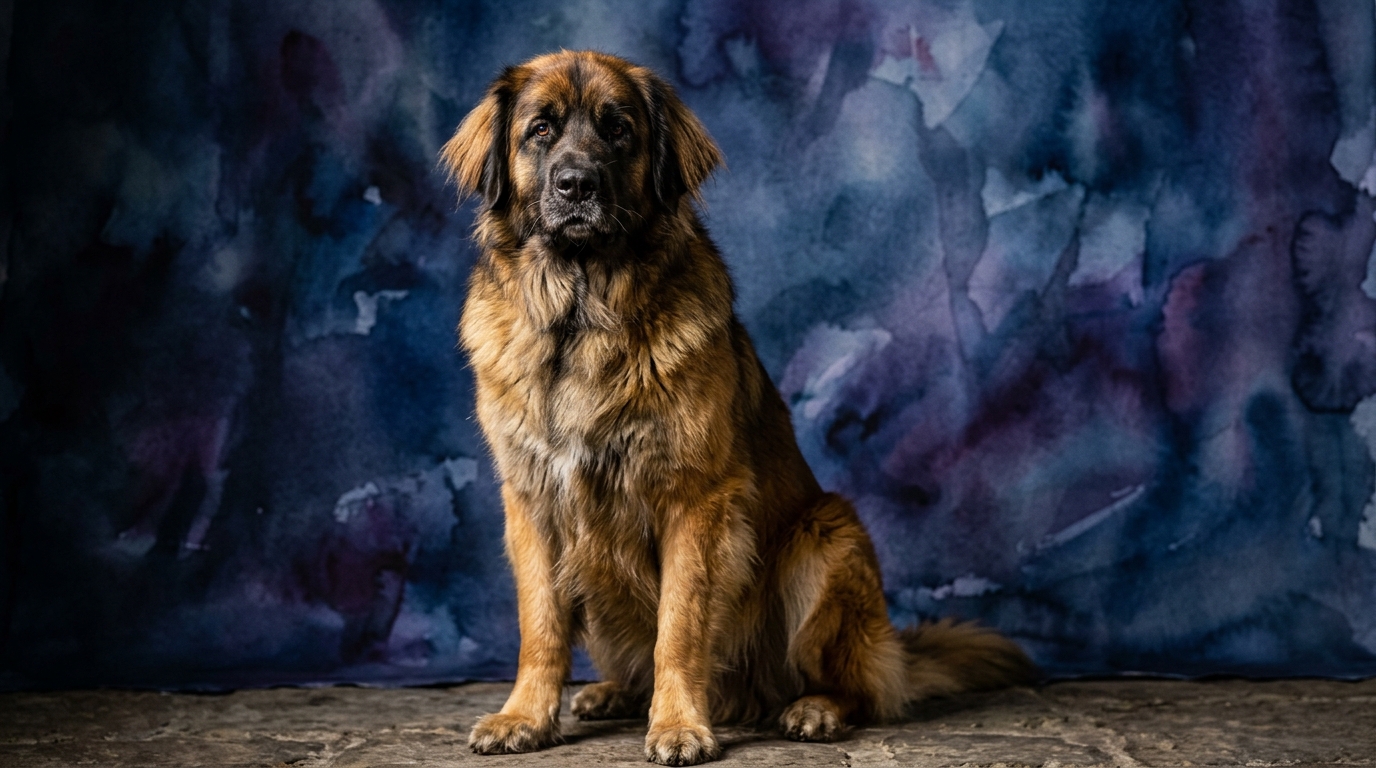
The Leonberger also scores 3/5 across the board, yet their expression of these traits is distinctly different, rooted in their role as noble companions and water rescue dogs. Their Problem Solving at 3/5 often involves more nuanced, human-centric challenges, such as understanding complex household dynamics or figuring out how to best comfort a distressed family member. A 3/5 in Training Speed highlights their eagerness to please, often responding well to positive reinforcement and gentle guidance, making them relatively amenable learners, though they can be sensitive to harsh methods. Their Social Intelligence, a 3/5, shines through in their gentle, tolerant nature, making them excellent family dogs and generally welcoming to new people and animals, demonstrating a broad, adaptable social understanding. The Leonberger’s Instinctive Drive, also 3/5, is strongly tied to companionship and protection, with a natural inclination towards water activities and a deep desire to be involved with their human family. Their Memory, rated 3/5, is particularly strong for social interactions, remembering people, their moods, and past experiences with remarkable clarity, fostering deep bonds.
Where the Greater Swiss Mountain Dog Excels Cognitively
The Greater Swiss Mountain Dog’s cognitive strengths truly stand out in scenarios demanding independent thought and physical resilience. Their problem-solving abilities are finely tuned for practical, real-world tasks that often require a degree of self-reliance. For instance, a GSMD might instinctively figure out how to navigate a complex trail or how to move a heavy object, relying on their physical strength and pragmatic understanding of their environment. This breed’s memory excels in recalling practical routines and spatial layouts, making them adept at consistent performance in a structured, working environment, whether it's navigating a farm or completing an agility course.
Their instinctive drive, combined with their problem-solving acumen, means they are often more inclined to make autonomous decisions when presented with a task, rather than waiting for explicit instruction. This independence, while sometimes perceived as stubbornness in training, is a cognitive advantage in situations where quick, on-the-spot judgment is needed without immediate human oversight. They possess a robust mental fortitude that enables them to persist through challenging conditions, making them excellent partners for endurance-based activities or roles requiring steady, unwavering application of effort.
Where the Leonberger Excels Cognitively
The Leonberger’s cognitive advantages are most apparent in their exceptional social and emotional intelligence, which transcends simple obedience. While both breeds score 3/5 in social intelligence, the Leonberger’s manifestation is characterized by a remarkable capacity for empathy and connection. They are adept at reading human emotions and responding with appropriate comfort or reassurance, often anticipating needs before they are vocalized. This makes them superb therapy dogs and companions, as their cognitive processing is heavily weighted towards understanding and fostering positive social bonds.
Their problem-solving skills, though rated similarly to the GSMD, often focus on interpersonal dilemmas. A Leonberger might 'problem-solve' how to get a shy child to interact, or how to subtly insert themselves into a situation to offer support. Their memory is particularly strong for human interactions, remembering not just faces but also the nuances of past shared experiences, which contributes to their profound loyalty and deep emotional attachments. This breed’s cognitive profile is geared towards harmonious living and active, sensitive participation in family life, making them masters of cooperative engagement.
Which is Easier to Train and Why
When considering ease of training, the nuanced differences in their cognitive profiles become evident. The Leonberger generally presents as the easier breed to train for most owners. Their strong social intelligence and eagerness to please mean they are highly motivated by positive reinforcement and praise from their human companions. They typically respond well to gentle, consistent methods and form strong associations between commands and rewards quickly, often showing a natural inclination to cooperate and learn new tasks. Their sensitivity, while requiring a soft touch, also means they are attentive to handler cues and generally aim to comply.
In contrast, the Greater Swiss Mountain Dog, while certainly trainable with a 3/5 training speed, can be more challenging due to their independent nature and strong will. Their problem-solving skills, while valuable for specific tasks, can sometimes translate into a tendency to 'think for themselves' rather than blindly follow commands, especially if they perceive a task as unnecessary or if their instincts suggest an alternative course of action. Training a GSMD requires immense consistency, patience, and clear, firm boundaries. Once a GSMD understands a command and respects their handler, they are incredibly reliable, but the initial learning phase can demand more persistence to overcome their inherent autonomy and ensure compliance.
Which Suits Active Owners vs. Relaxed Owners
The cognitive and temperamental distinctions between these two breeds also dictate their suitability for different lifestyles. For active owners seeking a purposeful partner, the Greater Swiss Mountain Dog is often the more fitting choice. Their robust instinctive drive and practical problem-solving capabilities thrive with a structured routine that includes regular physical exercise and mental engagement. They are happiest when they have a 'job' to do, whether it's participating in drafting, hiking, or other dog sports that leverage their strength and endurance. Owners who enjoy consistent outdoor adventures and can provide clear leadership will find a GSMD a rewarding companion, as their cognitive energy needs a productive outlet.
The Leonberger, while certainly enjoying activity, is often better suited for owners who prioritize companionship and a more relaxed, family-centric lifestyle. Their high social intelligence means they thrive on close human interaction and being an integral part of daily household life. While they need regular walks and opportunities for play, their activity requirements are generally more moderate compared to the GSMD, focusing more on quality time with their people than intense physical labor. Relaxed owners who appreciate a gentle giant that is content to lounge by their side after a good walk, and who can provide ample affection and soft training, will find the Leonberger an ideal family member.
The Verdict
Choose the Greater Swiss Mountain Dog if you are an active, consistent owner seeking a robust, independent working partner who thrives on purposeful tasks and physical exertion.
Opt for the Leonberger if you desire a gentle, sensitive giant who excels in companionship, thrives on social interaction, and integrates seamlessly into a family-focused, moderately active home.
🧠 Find Your Pet's IQ Score
Our Pet IQ Lab assessment covers 25+ tests across 5 cognitive dimensions — personalized to your breed.
Take the Full IQ Test →Frequently Asked Questions
Do Greater Swiss Mountain Dogs and Leonbergers have similar exercise needs?
While both are large working breeds, their exercise needs differ. Greater Swiss Mountain Dogs generally require more structured, vigorous activity and mental challenges, often enjoying 'jobs' like drafting or hiking. Leonbergers need regular exercise but prioritize companionship and family time, making them adaptable to more moderate activity levels.
Which breed is better with children?
Both breeds can be excellent with children, but their approaches differ. Leonbergers are often lauded for their gentle, patient, and empathetic nature, making them naturally sensitive and protective guardians of children. Greater Swiss Mountain Dogs are loyal to their family and generally good with children they are raised with, though their independent streak means early socialization and clear boundaries are crucial.
Are there significant health differences to consider between these breeds?
As large breeds, both are prone to certain orthopedic issues like hip and elbow dysplasia, as well as bloat. Leonbergers can also be susceptible to certain cancers and a specific genetic neurological condition. Prospective owners should always research breed-specific health clearances and responsible breeding practices.