Side-by-Side IQ Profile: Greater Swiss Mountain Dog vs. Norfolk Terrier
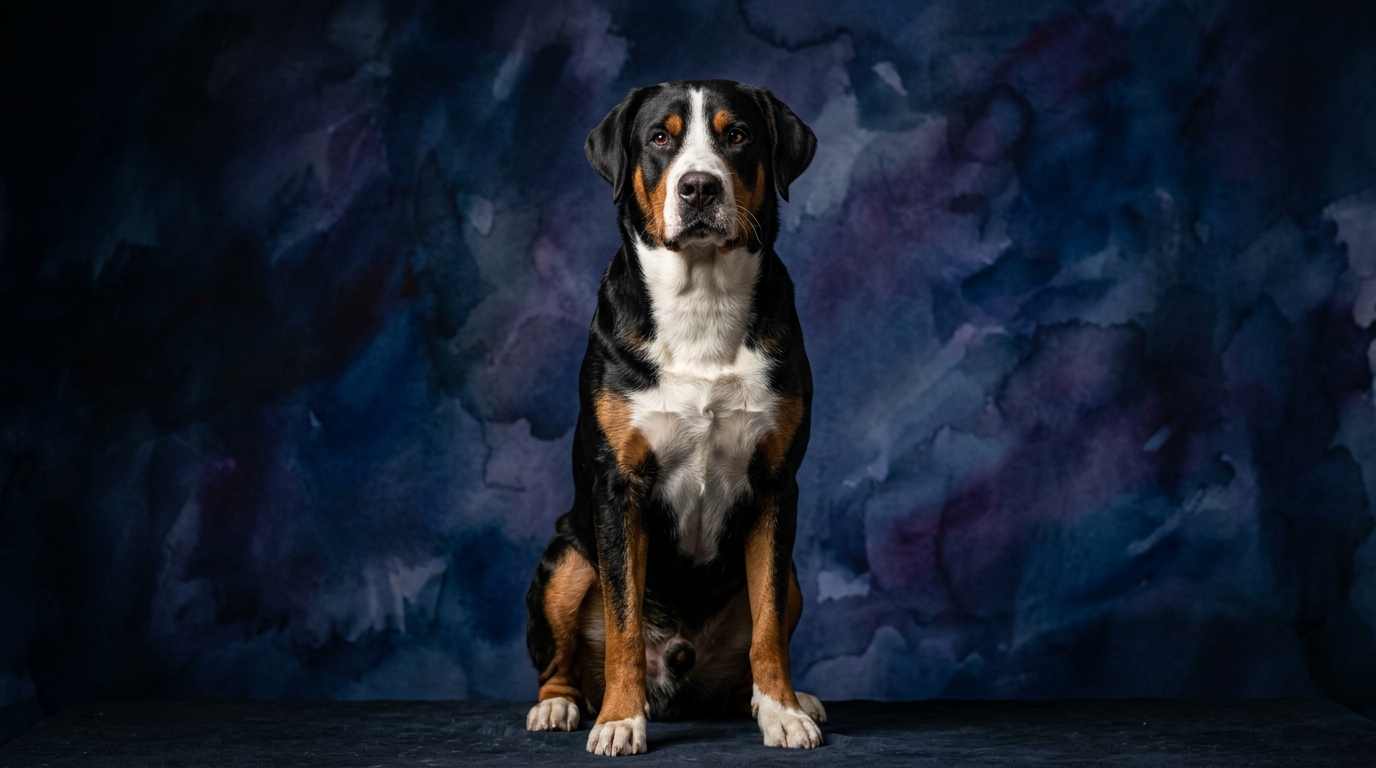
For the Greater Swiss Mountain Dog, Problem Solving (3/5) often involves practical, real-world challenges such as navigating varied terrain with a cart, understanding complex family dynamics, or figuring out how to alert their human to a perceived threat, demonstrating a pragmatic application of their mental faculties. Training Speed (3/5) indicates they absorb new commands at a moderate pace, benefiting from clear, consistent instruction and positive reinforcement, rather than rushing through lessons, ensuring solid understanding. Social Intelligence (3/5) allows them to integrate smoothly into family structures, reading human moods and intentions with a perceptive eye, fostering strong bonds and acting as a sensitive companion. Instinctive Drive (3/5) is rooted in their heritage as farm dogs, manifesting as a protective watchfulness over their family and property, a desire to 'work' alongside their people, and an inherent resilience in various conditions. Memory (3/5) enables them to retain learned behaviors, routes, and established routines effectively, making them reliable in their habits and familiar environments.
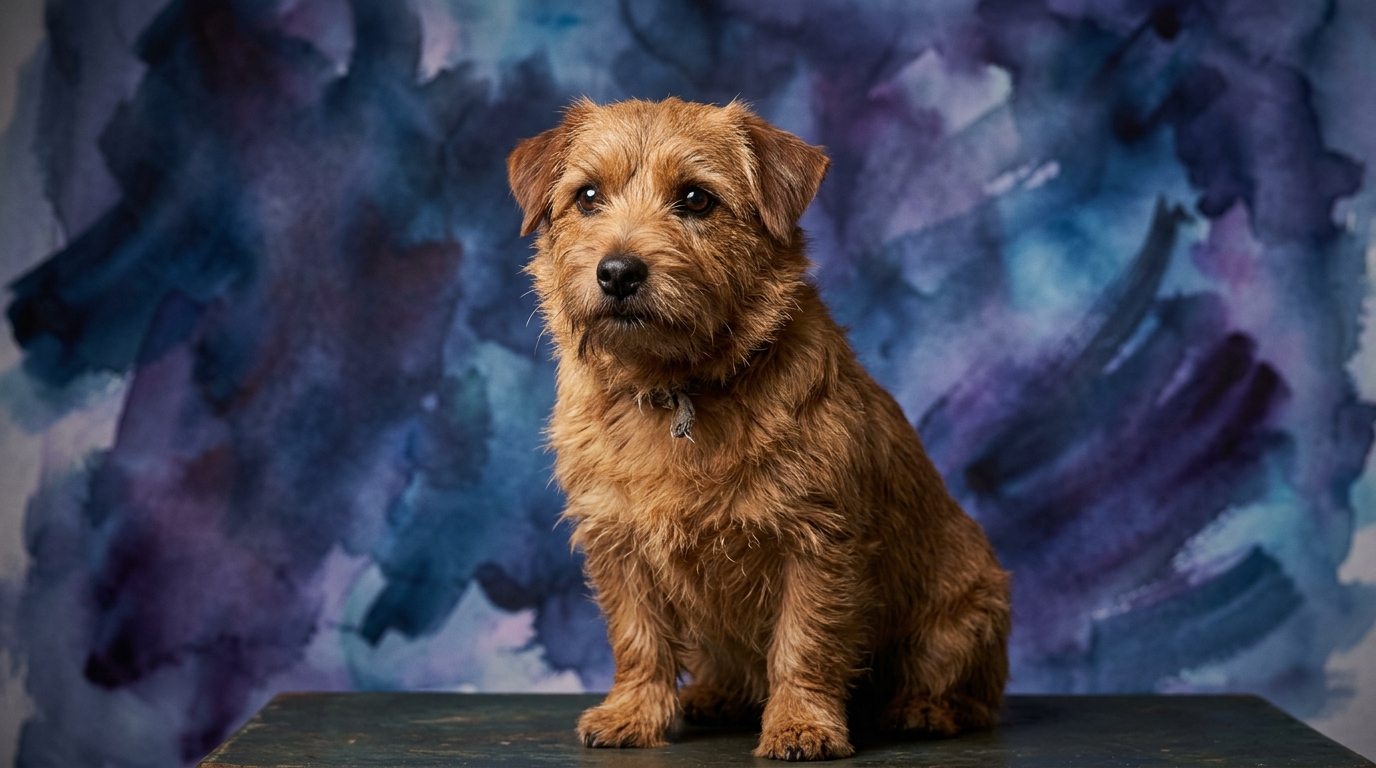
For the Norfolk Terrier, Problem Solving (3/5) frequently involves navigating their environment with a determined independence, whether it's outsmarting a small critter or figuring out how to access an interesting scent, showcasing a tenacious and exploratory approach to challenges. Training Speed (3/5) suggests they learn new tasks at a steady pace, though their terrier spirit means sessions must remain engaging and varied to maintain their focus, preventing boredom from setting in. Social Intelligence (3/5) is expressed through their lively interactions with both humans and other animals, often displaying a charming assertiveness and an ability to 'read' the room to secure attention or a preferred spot. Instinctive Drive (3/5) is a powerful force, channeling their historical role as vermin hunters into an unwavering prey drive, a keen sense of their surroundings, and an energetic curiosity about the world around them. Memory (3/5) ensures they recall commands, familiar faces, and especially the locations of interesting smells or past adventures, contributing to their consistent character and routine-following.
Where the Greater Swiss Mountain Dog Wins Cognitively
While numerical scores are identical, the Greater Swiss Mountain Dog's cognitive strengths lean towards a more methodical and spatially aware problem-solving. Their 3/5 in problem-solving often translates into a superior ability to grasp multi-step tasks involving sequential actions, such as navigating an agility course that requires precise turns and timing, or learning the routine of a complex carting trial. Their memory at 3/5, combined with their working heritage, suggests a greater aptitude for remembering specific boundaries and the spatial layout of their territory, making them naturally adept at understanding and respecting established perimeters. This spatial and sequential understanding gives them an edge in tasks requiring sustained focus on a larger scale and a more deliberate approach to environmental mastery.
Where the Norfolk Terrier Wins Cognitively
The Norfolk Terrier's 3/5 in problem-solving manifests as a quick, opportunistic intelligence, particularly in scenarios requiring adaptability and resourcefulness in tight spaces or novel situations. Their cognitive edge lies in their ability to quickly assess and react to immediate environmental changes, often finding ingenious ways to overcome small obstacles or pursue intriguing scents, reflecting their original purpose as tenacious hunters in varied terrains. Their instinctive drive at 3/5, combined with their social intelligence, gives them a unique ability to 'work' a situation, whether it's charming their way into an extra treat or subtly influencing play dynamics with other dogs, showcasing a cunning and adaptive social navigation. They excel at rapid, short-burst cognitive challenges that require quick thinking and bold action.
Which is Easier to Train and Why
Despite identical 3/5 scores in training speed, the Greater Swiss Mountain Dog generally presents as easier to train for foundational obedience and complex cooperative tasks due to their inherent desire to please and their lower distraction threshold. Their strong social intelligence (3/5) means they are highly attuned to human cues and find satisfaction in working alongside their owners, making them more receptive to consistent, positive reinforcement methods. Their instinctive drive (3/5) is channeled into guardianship and companionship, which aligns well with training for household manners and protective roles. In contrast, the Norfolk Terrier's training speed (3/5) is tempered by their formidable instinctive drive (3/5) which manifests as a strong prey drive and independent spirit. While capable of learning quickly, their attention can be easily diverted by environmental stimuli, particularly scents or movement, requiring more creative and engaging training techniques to maintain focus. Their problem-solving (3/5) often leads them to test boundaries, necessitating unwavering consistency and patience from their trainers to ensure learned behaviors stick.
Which Suits Active Owners vs. Relaxed Owners
For active owners seeking a steadfast companion for outdoor adventures and structured activities, the Greater Swiss Mountain Dog is an excellent match. Their substantial physical presence and moderate instinctive drive (3/5) translate into a dog that enjoys hiking, carting, and long walks, thriving on purposeful activity. They are generally more content with a relaxed home environment after sufficient exercise, offering a calm presence and enjoying quiet companionship. Relaxed owners might find the Norfolk Terrier's consistent need for engagement and mental stimulation more demanding than anticipated. While small, their 3/5 instinctive drive and problem-solving skills mean they require regular, varied activity to prevent boredom and potential mischievous behaviors. Active owners who appreciate a lively, quick-witted companion for shorter, intense play sessions, earthdog trials, or dog sports like agility, will find the Norfolk Terrier a delightful and energetic partner. Their smaller size also makes them adaptable to more varied living situations, provided their mental and physical needs are met daily.
The Verdict
Choose the Greater Swiss Mountain Dog if you value a strong, loyal companion for a moderately active lifestyle, appreciate a dog that integrates deeply into family routines, and seek a trainable partner for practical, cooperative tasks.
Opt for the Norfolk Terrier if you desire an energetic, tenacious small dog with a spirited personality, thrive on engaging in varied mental challenges, and can provide consistent, stimulating outlets for their independent and driven nature.
🧠 Find Your Pet's IQ Score
Our Pet IQ Lab assessment covers 25+ tests across 5 cognitive dimensions — personalized to your breed.
Take the Full IQ Test →Frequently Asked Questions
Do Greater Swiss Mountain Dogs need a lot of mental stimulation?
Yes, while not hyperactive, their 3/5 problem-solving and social intelligence mean they benefit from consistent mental engagement, such as training, puzzle toys, and participating in family activities to prevent boredom and foster well-being.
Are Norfolk Terriers good apartment dogs?
Norfolk Terriers can adapt to apartment living if their significant physical and mental exercise needs are met daily, as their 3/5 instinctive drive and problem-solving capabilities require regular outlets for their energy and curiosity.
How do their memories compare in practical terms?
Both breeds have a 3/5 memory, but a Swissy's memory often focuses on routines and territorial boundaries, while a Norfolk's memory might be more attuned to remembering specific locations of interest or past exciting encounters and scents.