Side-by-Side Cognitive Profiles
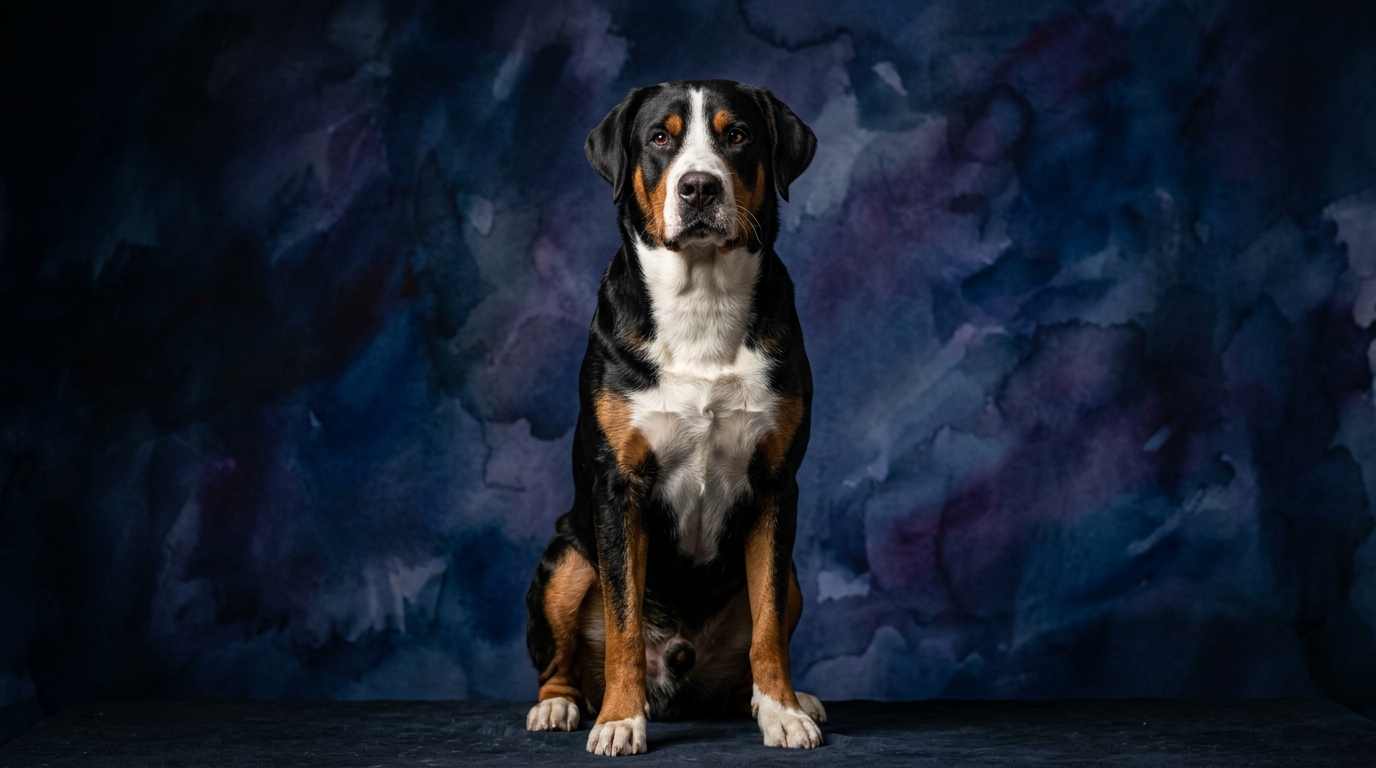
The Greater Swiss Mountain Dog, a robust working breed, applies its Problem Solving (3/5) to practical, real-world tasks, understanding mechanical cause-and-effect related to its environment and duties. Its Training Speed (3/5) is characterized by a steady, cooperative learning style, fueled by a strong Social Intelligence (3/5) that makes them attentive to human cues and eager to integrate into family routines. This breed's Instinctive Drive (3/5) is channeled into protective and companionate roles, while their Memory (3/5) ensures consistency in learned behaviors and established schedules, contributing to their reliability as family members.
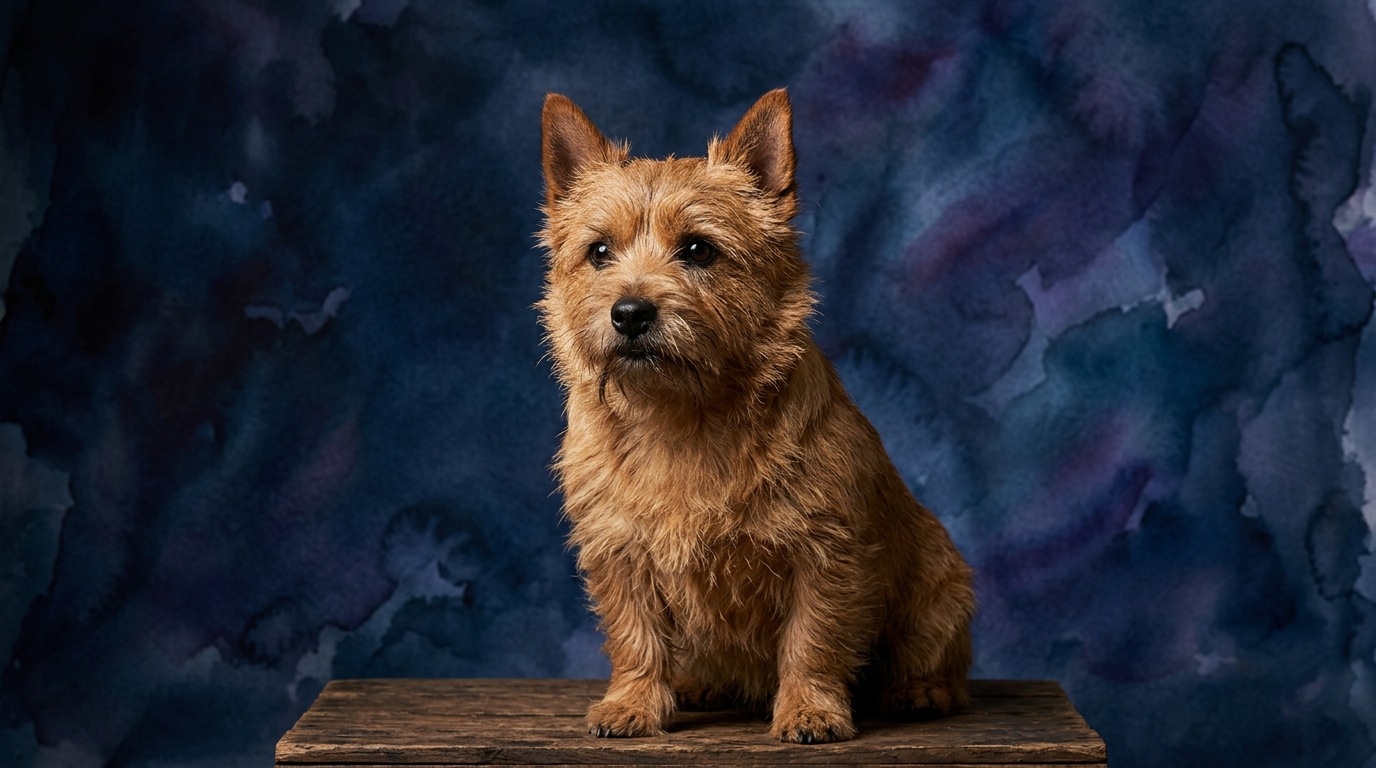
In contrast, the Norwich Terrier, a spirited terrier, approaches Problem Solving (3/5) with tenacious resourcefulness, often driven by curiosity or a specific objective, like reaching a perceived "prey." Their Training Speed (3/5) is quick, though their independent streak means that grasping a command doesn't always equate to immediate, consistent execution. Their Social Intelligence (3/5) allows them to interact keenly with humans, despite retaining a distinct terrier assertiveness, while their powerful Instinctive Drive (3/5) for digging and chasing is ever-present. Their Memory (3/5) for commands is good, but strong instincts can sometimes override a learned response in high-distraction environments.
Where the Greater Swiss Mountain Dog Excels Cognitively
The Greater Swiss Mountain Dog often demonstrates a nuanced cognitive advantage in tasks requiring sustained, cooperative effort and a strong sense of responsibility. Their working heritage imbues them with an inherent understanding of human-directed goals, making them adept at multi-step tasks that benefit from their strength and methodical approach. For instance, in activities like carting or packing, their problem-solving (3/5) is geared towards understanding the sequence of actions and maintaining focus over time, rather than impulsive, quick fixes.
Their social intelligence (3/5) shines in complex household environments where understanding routine and family dynamics is key. A Swissy is more likely to anticipate a human's needs or follow a subtle gesture related to a shared task, exhibiting a cooperative intelligence that prioritizes partnership. They excel at learning and adhering to established household rules, demonstrating a memory (3/5) that prioritizes consistency and stability within their pack.
Where the Norwich Terrier Excels Cognitively
The Norwich Terrier exhibits a distinct cognitive edge in situations demanding quick thinking, adaptability, and independent resourcefulness. Their problem-solving (3/5) is often characterized by a tenacious, trial-and-error approach, particularly when motivated by their innate terrier curiosity or prey drive. They excel at figuring out how to access small spaces, manipulate objects to reach a goal, or navigate complex terrain with agility, showcasing a nimble mental approach to physical obstacles.
The Norwich's instinctive drive (3/5) provides a cognitive advantage in environmental awareness and reactivity. They possess an acute ability to detect minute changes in their surroundings – a rustle in the bushes, a distant sound – and process this information rapidly, leading to quick, decisive action. This sharp observational skill and immediate response mechanism are hallmarks of their terrier intellect, making them excellent, if sometimes overly enthusiastic, watchdogs.
Training Dynamics: Greater Swiss vs. Norwich Terrier
Comparing the ease of training reveals distinct approaches and expectations. The Greater Swiss Mountain Dog generally presents a more straightforward training journey for most owners. Their "training speed" rating of 3/5 is bolstered by a strong desire to please their human companions and a cooperative nature inherent to working breeds. They respond well to clear, consistent instruction and positive reinforcement, often showing a deliberate willingness to understand and execute commands.
In contrast, while the Norwich Terrier also holds a 3/5 rating for training speed, their independent spirit and powerful instinctive drives (3/5) introduce a layer of complexity. A Norwich might grasp a command quickly but then choose to prioritize a more stimulating environmental distraction – like the scent of a squirrel – over immediate obedience. Training a Norwich requires immense patience, creativity, and a deep understanding of terrier motivation, consistently demonstrating that compliance is more rewarding than indulging independent urges.
Matching Breeds to Lifestyles: Active vs. Relaxed Owners
Neither the Greater Swiss Mountain Dog nor the Norwich Terrier are suited for truly "relaxed" owners who prefer minimal engagement with their dog's physical and mental needs. Both breeds require consistent activity and mental stimulation to thrive, but the *nature* of that engagement differs significantly. Active owners who enjoy structured outdoor pursuits and seek a large, steadfast companion will find the Greater Swiss Mountain Dog an excellent match, as their working background means they appreciate long walks, hiking, or canine sports.
Conversely, active owners who appreciate a smaller, spirited, and tenacious companion will connect well with the Norwich Terrier. These dogs require vigorous daily exercise, but also significant mental engagement to satisfy their strong instinctive drives (3/5) for chasing and exploring. Earthdog trials, agility, or complex scent games provide crucial outlets. Owners must be prepared for a dog with an independent streak and a quick wit, ready to channel that energy into positive activities.
The Verdict
Opt for the Greater Swiss Mountain Dog if you seek a large, dependable companion with a cooperative spirit, who thrives on consistent routines, family inclusion, and purposeful activity that leverages their strength and thoughtful nature.
Select the Norwich Terrier if you are drawn to a small, spirited, and tenacious companion with a bold personality and quick wit, and you are prepared to channel their strong terrier instincts into engaging activities and varied physical outlets.
🧠 Find Your Pet's IQ Score
Our Pet IQ Lab assessment covers 25+ tests across 5 cognitive dimensions — personalized to your breed.
Take the Full IQ Test →Frequently Asked Questions
Do Greater Swiss Mountain Dogs bark a lot?
Greater Swiss Mountain Dogs are generally not excessive barkers, but they are vigilant and will alert their family to perceived strangers or unusual occurrences with a deep, resonant bark. They are more likely to bark purposefully as a warning or greeting, rather than out of boredom or anxiety, especially if their needs for exercise and companionship are met.
Are Norwich Terriers good with other pets?
Norwich Terriers can coexist peacefully with other pets, especially if introduced early and socialized well. However, due to their strong prey drive (instinctive drive 3/5), small rodent pets might trigger their hunting instincts, and supervision is always advisable. They generally get along well with other dogs, but their assertive terrier personality means they won't back down from a challenge.
How much exercise does a Greater Swiss Mountain Dog need daily?
A Greater Swiss Mountain Dog requires a moderate amount of daily exercise, typically 30-60 minutes of vigorous activity, such as brisk walks, hiking, or off-leash play in a secure area. They also benefit from mental stimulation and feeling involved in family activities, which helps to satisfy their working breed instincts and prevent boredom.