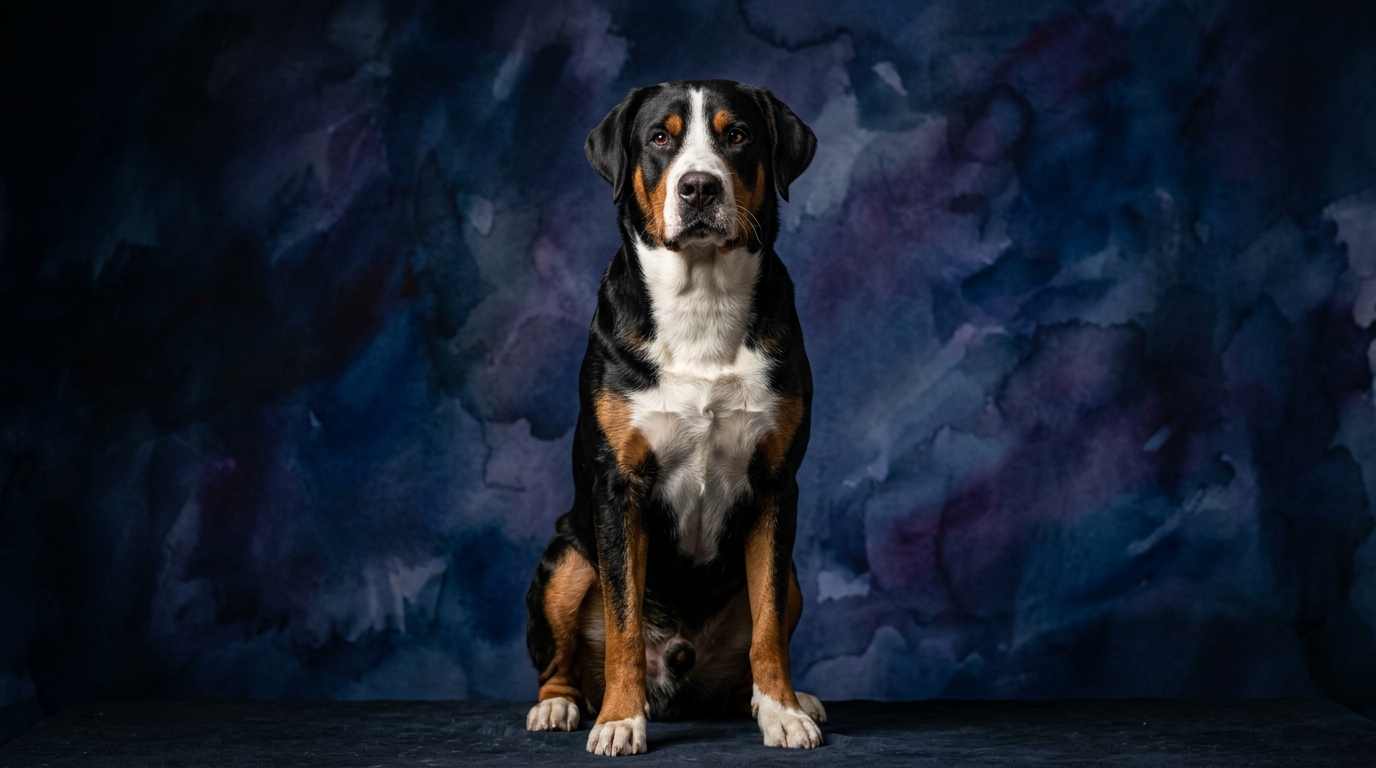
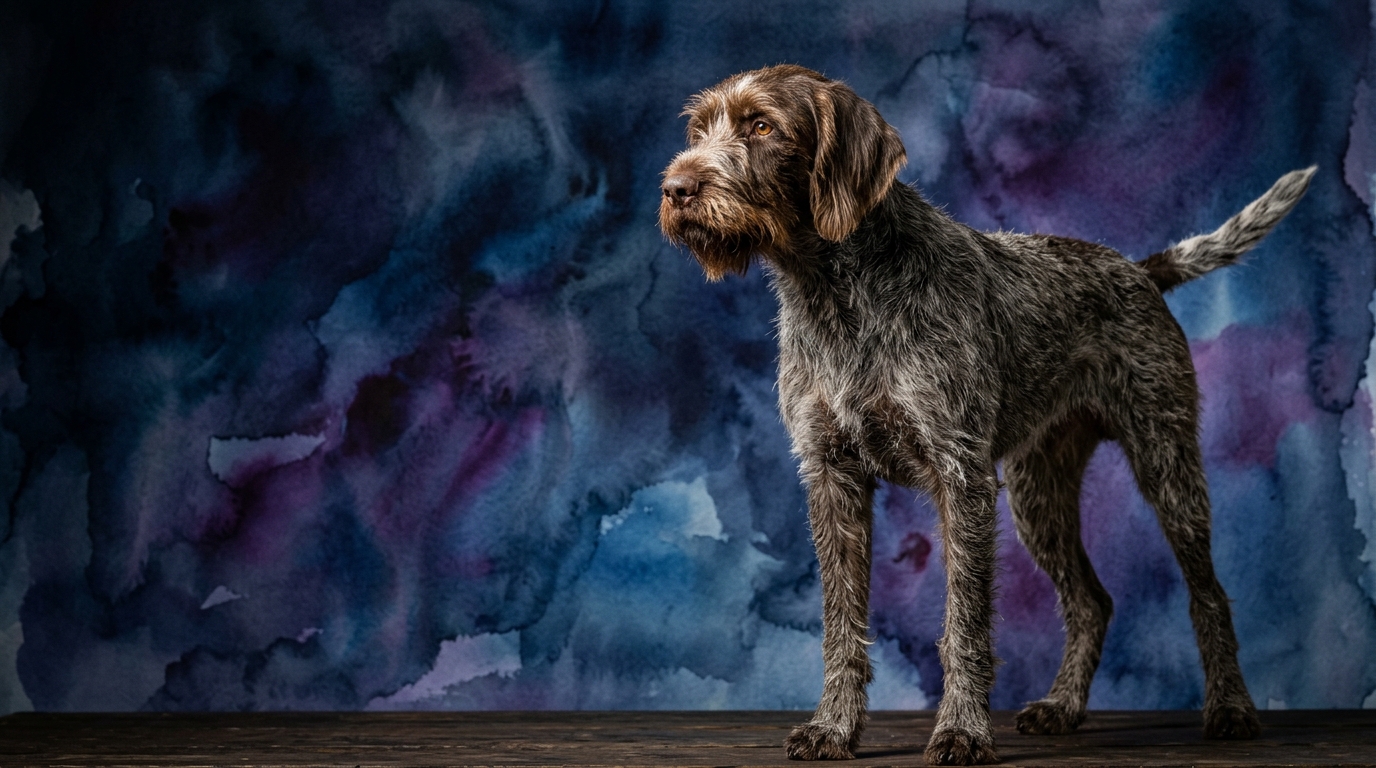
Side-by-Side IQ Profile: Identical Scores, Distinct Applications
On The Cosmic Pet Pet IQ Lab scale, both the Greater Swiss Mountain Dog and the Wirehaired Pointing Griffon receive a consistent 3/5 across all five measured dimensions: problem Solving, training Speed, social Intelligence, instinctive Drive, and memory. This identical scoring suggests a comparable baseline cognitive ability, but the practical application and behavioral expression of these traits are deeply influenced by their breed origins and intended purposes. Understanding these nuances is key to appreciating their unique forms of cleverness.
For the Greater Swiss Mountain Dog, a robust Working group breed, their 3/5 in problem Solving typically manifests as a practical, task-oriented approach. They excel at figuring out how to move a cart, navigate a familiar farm environment, or manage livestock within established boundaries. Their solutions are often methodical and physically engaged, reflecting a history of cooperative farm work. Their training Speed, also at 3/5, indicates a moderate pace of learning, especially for commands that are consistent and relate to their utility, like obedience for drafting or herding. They respond well to clear instruction and appreciate routine.
The Greater Swiss Mountain Dog's social Intelligence, rated 3/5, is geared towards family integration and collaborative effort. They are attuned to the moods and needs of their human companions, often displaying a calm, watchful presence and a desire to be involved in household activities. This social acumen makes them excellent family dogs, capable of forming deep, empathetic bonds. Their instinctive Drive, at 3/5, is rooted in their heritage as all-around farm dogs: a drive to guard, to pull, and to herd. This isn't a frantic, high-intensity drive, but rather a steady, purposeful inclination towards defined tasks and protecting their charges. Finally, their memory, also 3/5, is reliable for remembering routines, familiar people, places, and learned commands, crucial for consistency in their working roles.
In contrast, the Wirehaired Pointing Griffon, a Sporting group breed, applies its 3/5 problem Solving skills to a different domain: the hunt. Griffons are adept at independently assessing field conditions, locating hidden game through scent, and navigating challenging terrain. Their problem-solving is often about sensory processing and spatial reasoning in complex, dynamic environments. Their training Speed, also 3/5, means they learn at a moderate pace, but their learning is often enhanced when it aligns with their natural hunting instincts. They can quickly grasp commands related to pointing, retrieving, and quartering, especially when motivated by game or field work.
The Griffon's social Intelligence, also 3/5, is highly geared towards partnership with their hunter. They are skilled at reading subtle cues from their human handler in the field, anticipating next steps, and working collaboratively towards a shared goal. While affectionate with their family, their social focus often includes a keen awareness of their environment and the potential for interaction with game. Their instinctive Drive, rated 3/5, is powerfully directed towards hunting – pointing, retrieving, and tracking with tenacity. This is a purposeful, enduring drive that fuels their work in the field. Their memory, also 3/5, is excellent for recalling specific hunting locations, scent patterns, and learned hand signals or whistle commands, essential for effective and efficient hunting.
Where the Greater Swiss Mountain Dog Wins Cognitively
The Greater Swiss Mountain Dog excels in practical, cooperative intelligence, particularly in structured environments. Their problem Solving prowess shines in tasks requiring physical strength, methodical execution, and adherence to a defined process, such as pulling a cart or navigating a predictable route. This breed’s social Intelligence is particularly strong in fostering a stable, predictable family dynamic, where they are adept at understanding household routines and responding to the emotional states of their human family members, often acting as a calm, reassuring presence. Their instinctive Drive is a steady engine for purposeful, collaborative work, making them particularly effective in roles that require consistency and reliability over independent, fast-paced decision-making.
Their memory is particularly robust for routines and the consistent application of learned commands within a familiar context, meaning once a task or behavior is established, it tends to stick. This makes them highly dependable in roles requiring repeated actions or predictable responses. The Greater Swiss Mountain Dog's cognitive strengths lie in their ability to integrate seamlessly into a human household as a cooperative partner, offering a blend of physical capability and steady companionship that few breeds can match. They are masters of predictable, purposeful engagement.
Where the Wirehaired Pointing Griffon Wins Cognitively
The Wirehaired Pointing Griffon's cognitive strengths are deeply rooted in its heritage as a versatile hunting dog, particularly in its independent problem Solving capabilities in dynamic, scent-rich environments. They demonstrate superior ability in deciphering complex scent trails, pinpointing game, and adapting their search patterns based on environmental factors like wind direction or terrain. This isn't about following a script, but about real-time, sensory-driven decision-making. Their instinctive Drive is a powerful, focused engine for hunting, giving them an unparalleled tenacity and enthusiasm for field work; they possess an enduring desire to find and retrieve, making them tireless partners.
Their social Intelligence, while warm towards family, is acutely tuned to the partnership of the hunt, allowing them to anticipate a handler's needs and work in concert without constant direct command. This independent yet cooperative spirit is a hallmark of their cognitive profile. The Griffon's memory is exceptional for recalling specific hunting locations, successful strategies for finding game, and the subtle cues of their human handler, enabling them to quickly resume tasks or adapt to new hunting scenarios. They thrive in situations that demand independent thought combined with a deep understanding of their primary purpose.
Which is Easier to Train and Why
Determining which breed is 'easier' to train depends heavily on the type of training and the trainer's approach. The Greater Swiss Mountain Dog, with its working heritage emphasizing cooperation and utility, often responds well to structured, consistent obedience training. Their 3/5 training Speed means they learn at a moderate pace, but their desire to please and their steady, predictable nature can make them amenable to traditional methods. They thrive on clear expectations and a calm, confident handler. Behavioral differences include a lower inherent prey drive, meaning fewer distractions from wildlife during training, and a greater inclination towards tasks that involve physical effort or guarding, which can be leveraged for motivation.
Conversely, the Wirehaired Pointing Griffon, also with a 3/5 training Speed, might require a more engaging, instinct-driven approach. Their powerful instinctive Drive for hunting means that training often benefits from incorporating games, scent work, and activities that mimic field conditions. While they are intelligent and capable of learning complex commands, their independent problem-solving nature and higher prey drive can mean they are more easily distracted by environmental stimuli. A Griffon might be 'easier' to train for field work due to their natural aptitudes, but might present more challenges in a purely urban obedience setting compared to a Swissy, simply because their instincts are pulling them towards different tasks. Success with a Griffon often involves channeling their natural drives rather than suppressing them, making their training more about partnership and less about strict command.
Which Suits Active Owners vs. Relaxed Owners
For owners seeking a highly active, outdoors-oriented companion, the Wirehaired Pointing Griffon is generally the more suitable choice. Their robust instinctive Drive and independent problem Solving capabilities mean they flourish with significant physical exercise, extensive outdoor exploration, and mental stimulation related to their hunting heritage. They need ample opportunities to run, explore, and engage their senses, making them ideal for individuals or families who enjoy hiking, hunting, or other vigorous outdoor pursuits. A Griffon's energy level is not easily satisfied with short walks; they require purposeful activity that taps into their innate drives.
The Greater Swiss Mountain Dog, while certainly needing regular exercise and mental engagement, can be a better fit for owners who appreciate a more relaxed pace but still value a purposeful companion. Their activity needs are more about consistent, moderate exercise and engagement in family activities rather than intense, prolonged exertion. They enjoy walks, carting, and being involved in daily routines, but are generally content to relax indoors once their needs are met. Their social Intelligence makes them excellent, calm companions for families, but they still require mental challenges to prevent boredom, perhaps through puzzle toys or learning new obedience tasks. They are active in a steady, enduring way, rather than a high-octane, constantly exploring manner.
The Verdict: When to Choose Each Companion
Choosing between these two breeds, despite their identical IQ scores, comes down to aligning their specific cognitive strengths and inherent drives with your lifestyle and expectations for a canine companion. Both offer a 3/5 across the board, but how that intelligence is applied is profoundly different. The Greater Swiss Mountain Dog's cognitive profile makes it an exceptional choice for families seeking a steady, reliable, and cooperative companion that excels in structured environments and thrives on being an integrated, purposeful member of the household. Their problem-solving is practical, their training speed benefits from consistency, and their social intelligence makes them devoted family dogs.
Conversely, the Wirehaired Pointing Griffon is the ideal selection for an owner who leads a highly active outdoor lifestyle, particularly one involving hunting, hiking, or extensive exploration. Their independent problem-solving, powerful instinctive drive, and keen sensory memory make them unparalleled partners in the field, eager to engage in mentally and physically stimulating activities that leverage their natural aptitudes. Their intelligence is geared towards independent action and sensory exploration, making them a dynamic, adventurous companion.
The Verdict
Choose the Greater Swiss Mountain Dog if you seek a steady, cooperative family companion that thrives on routine, practical tasks, and being a calm, integrated member of a household.
Opt for the Wirehaired Pointing Griffon if you lead a highly active outdoor life and desire a tenacious, independent partner for hunting, hiking, and exploring varied terrains.
🧠 Find Your Pet's IQ Score
Our Pet IQ Lab assessment covers 25+ tests across 5 cognitive dimensions — personalized to your breed.
Take the Full IQ Test →Frequently Asked Questions
Do Greater Swiss Mountain Dogs require extensive mental stimulation?
Yes, while not as intensely driven as some breeds, Greater Swiss Mountain Dogs benefit greatly from consistent mental engagement. This can include learning new obedience commands, participating in carting or drafting, or engaging with puzzle toys to satisfy their practical problem-solving skills and keep boredom at bay.
Are Wirehaired Pointing Griffons good family pets despite their strong hunting drive?
Absolutely. Wirehaired Pointing Griffons form strong bonds with their families and are affectionate companions indoors. Their social intelligence makes them adaptable, but their intense instinctive drive means they require ample physical and mental outlets to be well-adjusted family members, especially activities that mimic their natural hunting behaviors.
How does the 'instinctive Drive' score of 3/5 differ between these two breeds?
For the Greater Swiss Mountain Dog, a 3/5 instinctive drive translates to a steady desire for purposeful work like guarding, drafting, or herding, coupled with strong companionship needs. For the Wirehaired Pointing Griffon, the same 3/5 score manifests as a powerful, tenacious drive for hunting—pointing, tracking, and retrieving—requiring significant physical and mental outlets in the field.