Side-by-Side Cognitive Profiles
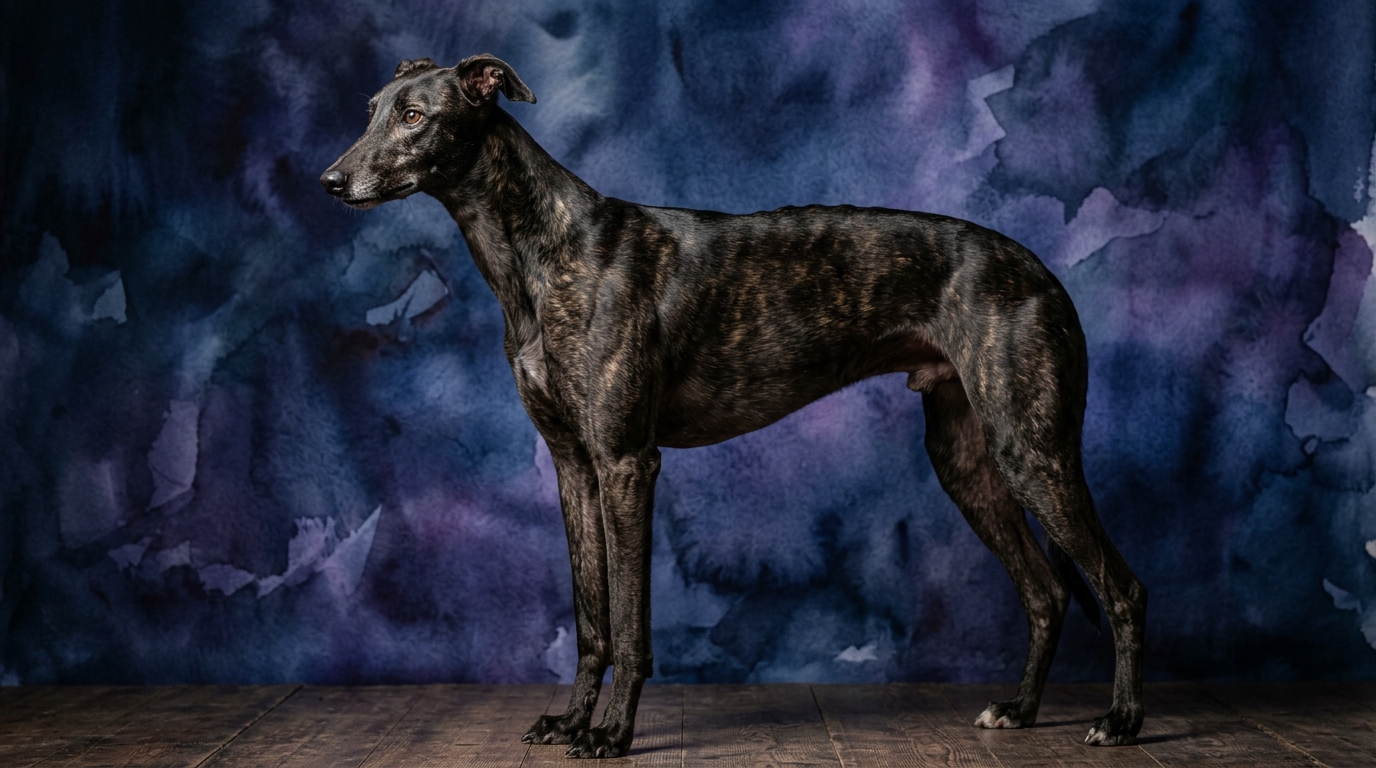
The Greyhound, a sighthound developed for speed and pursuit, presents a cognitive profile shaped by its ancient purpose. Its problem-solving ability scores a respectable 3/5, indicating a capacity to navigate novel situations, often with a practical, goal-oriented approach. Training speed is rated 2/5, suggesting they absorb commands at a moderate pace, sometimes requiring patience and consistent methods. Social intelligence stands at 3/5, reflecting their ability to understand and respond to human cues, though often with a quiet, independent demeanor. Where the Greyhound truly shines is in instinctive drive, scoring a perfect 5/5; their world is profoundly influenced by visual stimuli and the ingrained urge to chase. Memory is rated 3/5, indicating they retain learned experiences and routines effectively.
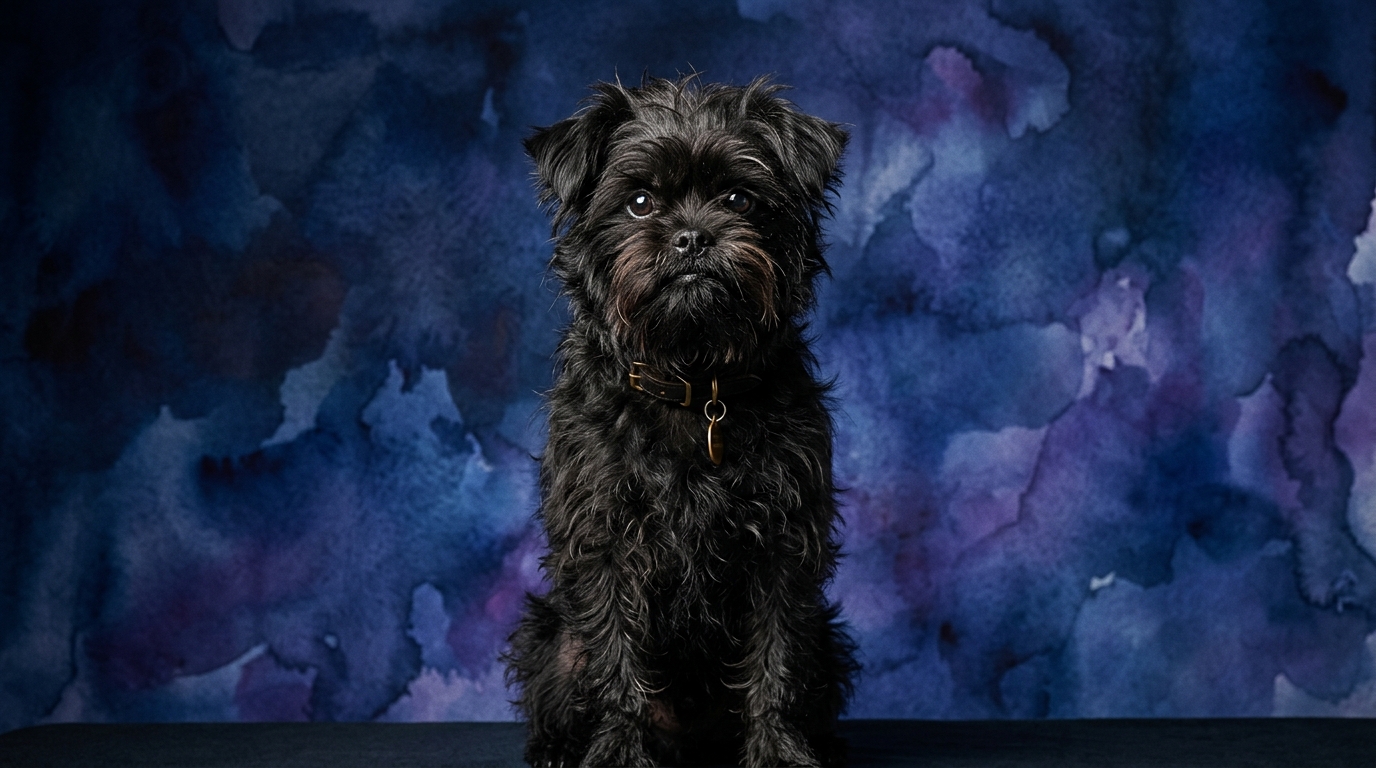
In contrast, the Affenpinscher, a toy breed with a terrier-like spark, exhibits a profile tailored for engagement and adaptability within a domestic setting. Their problem-solving capacity is also rated 3/5, showing they can figure out solutions to everyday challenges, often with a mischievous flair. Training speed, at 3/5, suggests they learn new commands more readily than Greyhounds, often driven by a desire to interact and please. Social intelligence matches the Greyhound's 3/5, indicating a good understanding of human emotions and intentions, frequently expressed through their expressive faces and gestures. Instinctive drive is 3/5, present but not overwhelming, meaning while they may chase small creatures, it doesn't dominate their cognitive landscape. Memory also sits at 3/5, allowing them to recall routines and learned behaviors with consistency.
Where the Greyhound's Cognition Excels
The Greyhound's preeminent cognitive strength lies in its instinctive drive, rated 5/5. This isn't merely an urge to run; it's a finely tuned perceptual and reactive system. Their exceptional visual acuity allows them to spot movement at vast distances, triggering an immediate, hardwired pursuit sequence. This cognitive processing allows them to assess speed, trajectory, and potential escape routes of perceived prey with remarkable efficiency, making them unparalleled in tasks requiring rapid, instinctual response to visual stimuli. This deep-seated drive means they process the world through a lens of 'what can I chase?' and 'how fast can I get there?', a cognitive framework that dominates their engagement with their environment and even their play.
This high instinctive drive also subtly informs their problem-solving (3/5). While not the most abstract thinkers, Greyhounds excel at practical problem-solving directly related to their instincts. For example, they might quickly learn the most efficient path around obstacles to reach a moving target, or how to navigate a complex fence line to get to an open field. Their memory (3/5) also supports this, allowing them to recall successful hunting strategies or safe running paths, reinforcing behaviors that satisfy their primary drive. This cognitive architecture makes them incredibly focused and effective in their specialized role, demonstrating a unique form of situational awareness and strategic thinking within their specific domain.
Where the Affenpinscher's Cognition Shines
The Affenpinscher's cognitive advantages are rooted in its balanced adaptability and training enthusiasm, particularly evident in its training speed (3/5). While not a prodigious learner, their willingness to engage and their moderate instinctive drive (3/5) allows them to focus on human instruction more consistently than a breed constantly scanning the horizon for movement. They often learn new cues and tricks with a playful curiosity, viewing training as an interactive game rather than a mere task. This cognitive flexibility means they can pivot between different types of learning, from basic obedience to more complex tricks, without being overly distracted by external stimuli.
Furthermore, their problem-solving (3/5) often manifests in creative, sometimes mischievous ways within a home environment. An Affenpinscher might figure out how to open a cupboard door to access treats, or strategically place themselves to get attention, demonstrating a blend of curiosity and social understanding. Their social intelligence (3/5) complements this, allowing them to interpret human moods and adjust their behavior accordingly, often employing their comedic timing to illicit a desired response. This makes them particularly adept at navigating the nuances of human-canine communication, often appearing to 'think' about how to best get what they want from their people.
Training: Greyhound vs. Affenpinscher
When it comes to training, the Affenpinscher generally presents a more straightforward path for the average owner due to its higher training speed (3/5) and more moderate instinctive drive (3/5). Affenpinschers are often eager to please and enjoy the interactive nature of training sessions. Their cognitive processing allows them to connect actions with rewards relatively quickly, and they tend to retain commands well, making them responsive to positive reinforcement methods. Behavioral differences, such as their compact size and lower prey drive, mean they are less likely to be overwhelmed by environmental distractions during training.
The Greyhound, with a training speed of 2/5 and an overwhelming instinctive drive of 5/5, requires a different approach. Their primary cognitive focus is often on movement in the distance, which can make sustained attention during training challenging. While they are capable of learning, their processing speed for human-initiated commands can be slower, and their ingrained pursuit instinct means they might 'tune out' if something visually stimulating crosses their path. Successful training with a Greyhound often involves extreme consistency, short sessions, and understanding that their cognitive priorities are inherently different; their memory (3/5) helps them retain what they learn, but getting their initial attention can be the hurdle. Owners must acknowledge and manage their powerful behavioral drive, such as their tendency to chase, rather than trying to extinguish it.
Matching Breeds to Lifestyles: Active vs. Relaxed Owners
For active owners, particularly those who appreciate a unique blend of athleticism and calm, the Greyhound can be an excellent fit, provided their activity aligns with the breed's specific cognitive and physical needs. While Greyhounds possess an explosive instinctive drive (5/5) and require opportunities for vigorous, safe running, they are not dogs that demand constant, high-impact exercise. Their energy is often expressed in short bursts, followed by long periods of rest. An active owner who enjoys daily walks and can provide secure, fenced areas for occasional sprints will appreciate the Greyhound's quiet companionship indoors. Their problem-solving (3/5) and memory (3/5) allow them to adapt to consistent routines, making them predictable companions once their exercise needs are met.
The Affenpinscher, with its balanced cognitive profile—moderate instinctive drive (3/5), respectable problem-solving (3/5), and good training speed (3/5)—is well-suited for relaxed owners who enjoy interactive play and companionship without intense physical demands. These dogs thrive on mental stimulation through training, puzzle toys, and engaging with their human family. Their social intelligence (3/5) means they genuinely enjoy being part of daily activities, whether it's a stroll around the block or a quiet evening on the couch. An owner who values a clever, spirited companion capable of learning tricks and providing entertainment will find the Affenpinscher's cognitive makeup perfectly aligned with a more relaxed, but still engaging, lifestyle.
The Verdict
Choose the Greyhound if you appreciate an independent, visually driven companion who thrives on intense, short bursts of activity and long periods of quiet rest, and you are prepared to manage their profound chase instinct. They are ideal for owners who understand their unique cognitive priorities and can provide secure spaces for their instinctive expression.
Opt for the Affenpinscher if you desire a spirited, engaging companion who learns readily, enjoys interactive play, and brings a playful cognitive spark to a relaxed household. They suit owners looking for a dog that thrives on mental engagement and close companionship, without requiring extensive physical exertion.
🧠 Find Your Pet's IQ Score
Our Pet IQ Lab assessment covers 25+ tests across 5 cognitive dimensions — personalized to your breed.
Take the Full IQ Test →Frequently Asked Questions
Do Greyhounds need a lot of exercise?
Greyhounds need opportunities for short, intense sprints in a secure area to satisfy their high instinctive drive. Beyond these bursts, they are often quite relaxed indoors, enjoying long naps and generally not requiring constant, high-endurance exercise like some other active breeds.
Are Affenpinschers easy to train?
Affenpinschers generally have a good training speed and enjoy interactive learning, making them relatively easy to train with positive reinforcement. Their balanced cognitive profile allows them to focus well on commands, though their independent streak means consistency and fun are key.
Which breed is better with other pets?
The Affenpinscher's moderate instinctive drive and social intelligence often make them adaptable to living with other pets, especially if socialized early. Greyhounds, with their strong prey drive, may require careful introductions and supervision around smaller, fast-moving pets, though many coexist peacefully with cats and other dogs with proper management.