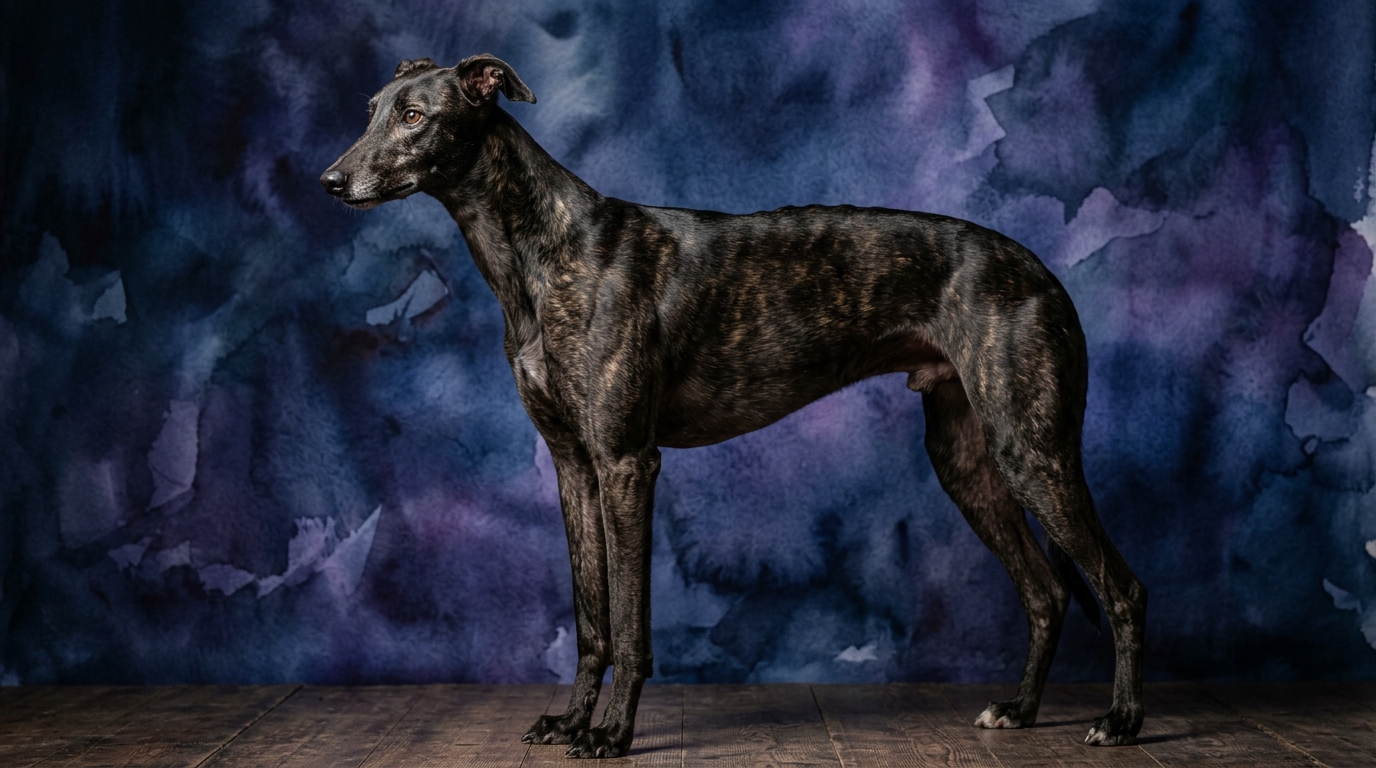
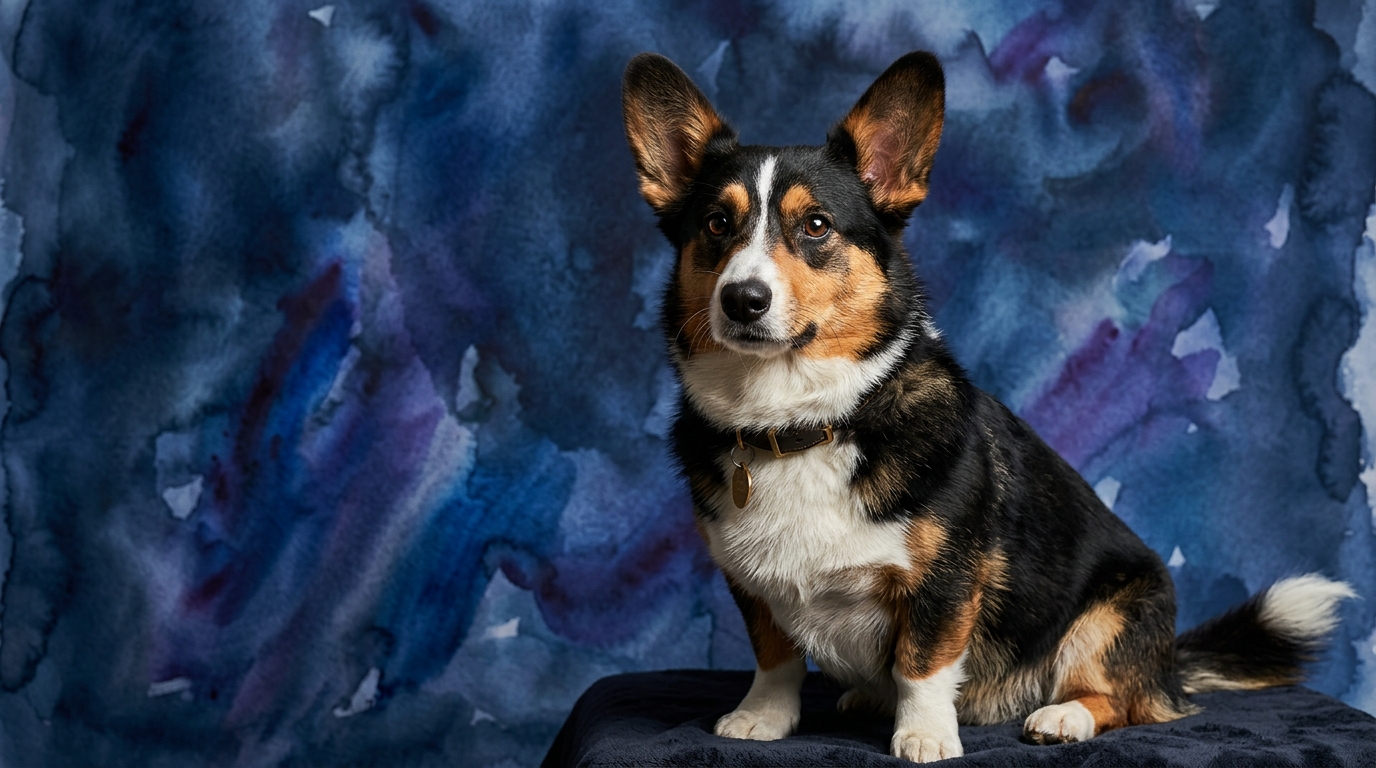
Side-by-Side IQ Profile: Greyhound vs. Cardigan Welsh Corgi
**Greyhound (Coren rank #46):** Problem Solving (3/5): Greyhounds show moderate problem-solving, often relying on instinctual responses, especially with visual stimuli. In novel situations, they may take longer to formulate solutions, preferring observation. Training Speed (2/5): Their training speed is slower, requiring more repetition and consistent reinforcement. Independent nature and focus on visual triggers can reduce immediate responsiveness to verbal cues. Social Intelligence (3/5): Greyhounds possess moderate social intelligence, sensitive to human moods and forming strong bonds. However, interactions can be reserved, taking time to warm up to strangers, reflecting quiet dignity. Instinctive Drive (5/5): This is an exceptional strength. Their prey drive is exceptionally high, manifesting as an intense urge to chase anything moving quickly—a trait honed for hunting. Memory (3/5): Their memory is moderate, recalling learned commands and routines, particularly positive ones. Complex sequences or less reinforced lessons may not be retained with precision.
**Cardigan Welsh Corgi (Coren rank #26):** Problem Solving (4/5): Cardigan Welsh Corgis show strong problem-solving. As herding dogs, they strategize and find creative solutions to obstacles, from moving livestock to puzzle toys. This involves sequential thinking and environmental assessment. Training Speed (4/5): Corgis are quick learners, picking up commands with impressive speed and enthusiasm, often needing fewer repetitions. Their eagerness to please and sharp cognitive processing make them highly responsive. Social Intelligence (3/5): Corgis possess moderate social intelligence. They are generally outgoing, forming strong attachments and enjoying interactions. Instinctive Drive (3/5): Their instinctive drive is moderate. The strong herding instinct is more controlled than a sighthound's prey drive, channeled towards environmental organization. Memory (4/5): Cardigan Welsh Corgis have excellent memory, retaining commands, routines, and experiences over long periods. This strong recall aids trainability and adaptation.
Where the Greyhound Wins Cognitively
The Greyhound's cognitive strengths are profoundly rooted in its specialized evolutionary purpose: the chase. Its exceptional instinctive drive, rated 5/5, is a pinnacle of canine specialization. This isn't merely a preference for running; it's a deep-seated cognitive program that allows for lightning-fast processing of visual stimuli, identifying potential 'prey' from a distance, and initiating pursuit with unparalleled focus. While their problem-solving might be rated moderately, within the context of pursuit, a Greyhound's brain is a finely tuned instrument for calculating trajectories, anticipating movements, and executing complex evasive maneuvers at high speeds. This involves a cognitive efficiency that bypasses deliberate thought for rapid, instinctual responses, making them master strategists of the open field. Their cognitive 'win' lies in this extraordinary capacity for immediate, high-speed action and decision-making driven by a potent, ancient instinct.
Where the Cardigan Welsh Corgi Wins Cognitively
The Cardigan Welsh Corgi's cognitive advantages stem from its herding heritage, demanding a different suite of mental skills. With a problem-solving score of 4/5, they excel at navigating complex situations and devising solutions, whether it's figuring out how to move a stubborn sheep or opening a tricky treat puzzle. This involves sequential thinking and an understanding of cause and effect, allowing them to adapt strategies dynamically. Their training speed (4/5) and memory (4/5) are also superior, enabling them to quickly absorb and retain numerous commands, learn intricate routines, and understand nuanced human cues. These traits are crucial for a herding dog that must work independently yet collaboratively, responding to whistles and hand signals while managing livestock. A Corgi's cognitive 'win' is in its adaptable, multi-faceted intelligence, capable of learning, remembering, and applying knowledge in varied, non-instinctive contexts.
Which is Easier to Train and Why
Evaluating ease of training highlights fundamental cognitive differences. The Cardigan Welsh Corgi, with its 4/5 training speed and 4/5 memory, generally proves more straightforward. Their eagerness to engage, combined with quick learning and strong recall, means they grasp new commands rapidly and retain them effectively. Corgis often thrive on mental stimulation and learning challenges, making them highly receptive to positive reinforcement. They are motivated by interaction and food, readily offering requested behaviors. Conversely, the Greyhound, rated 2/5 for training speed and 3/5 for memory, requires a more patient approach. Their strong instinctive drive (5/5), particularly the chase instinct, can override attention to commands, especially in stimulating environments. While sensitive and responsive to gentle training, their independent nature and preference for visual cues over verbal commands can slow initial obedience training. They might learn a command, but consistent, reliable execution, particularly off-leash, demands extensive proofing against their powerful chase drive. Thus, for an owner seeking a dog that picks up commands quickly, the Cardigan Welsh Corgi typically offers a smoother training journey.
Which Suits Active Owners vs. Relaxed Owners
The choice between a Greyhound and a Cardigan Welsh Corgi hinges on an owner's lifestyle and activity levels. For those appreciating a relaxed pace with bursts of activity, the Greyhound can be a surprising fit. Despite their speed reputation, Greyhounds are often '45 mph couch potatoes,' needing intense, short bursts of exercise in a secure area, followed by long rests. Their moderate problem-solving and memory scores mean they don't demand constant mental challenges, suiting owners who enjoy quiet companionship after a good run. They are content to lounge with calm dignity. In contrast, the Cardigan Welsh Corgi suits more active owners providing consistent mental and physical stimulation. Their higher problem-solving, training speed, and memory scores indicate a mind thriving on engagement. Corgis need regular walks, playtime, and often excel in dog sports like agility or obedience, satisfying their intelligent, working breed instincts. Their need for purposeful activity means they are less content without interaction. Owners enjoying active training, puzzles, and consistent engagement will find the Corgi a more fulfilling companion.
The Verdict
Choose a Greyhound if you appreciate a calm, dignified companion who enjoys intense, short bursts of activity and quiet companionship, and you are prepared to manage a strong chase instinct with secure environments. They are ideal for owners who value a more independent spirit coupled with deep loyalty.
Opt for a Cardigan Welsh Corgi if you seek an engaged, bright companion eager to learn and participate in activities, thriving on consistent mental and physical challenges. They are perfect for active owners who enjoy training, dog sports, and a dog with a strong, adaptable working intelligence.
🧠 Find Your Pet's IQ Score
Our Pet IQ Lab assessment covers 25+ tests across 5 cognitive dimensions — personalized to your breed.
Take the Full IQ Test →Frequently Asked Questions
Do Greyhounds require a lot of exercise daily?
Greyhounds need daily exercise, but it often comes in short, intense bursts like a good sprint in a secure area, rather than long, sustained endurance activities. They are often content to nap for much of the day after their exercise, earning them the nickname "45 mph couch potatoes."
Are Cardigan Welsh Corgis good family dogs?
Cardigan Welsh Corgis generally make excellent family dogs, known for their affectionate nature and robust personalities. Their moderate social intelligence allows them to bond well with family members, though their herding instincts might lead them to 'herd' children or other pets.
How do their core instincts affect daily life?
A Greyhound's strong instinctive drive for chasing means secure fencing and leash discipline are paramount to prevent them from pursuing perceived prey. A Corgi's herding instinct manifests as a desire to gather or control, which can be channeled into positive training activities but might also lead to nipping at heels if not managed.