Side-by-Side IQ Profile: Greyhound vs. Clumber Spaniel
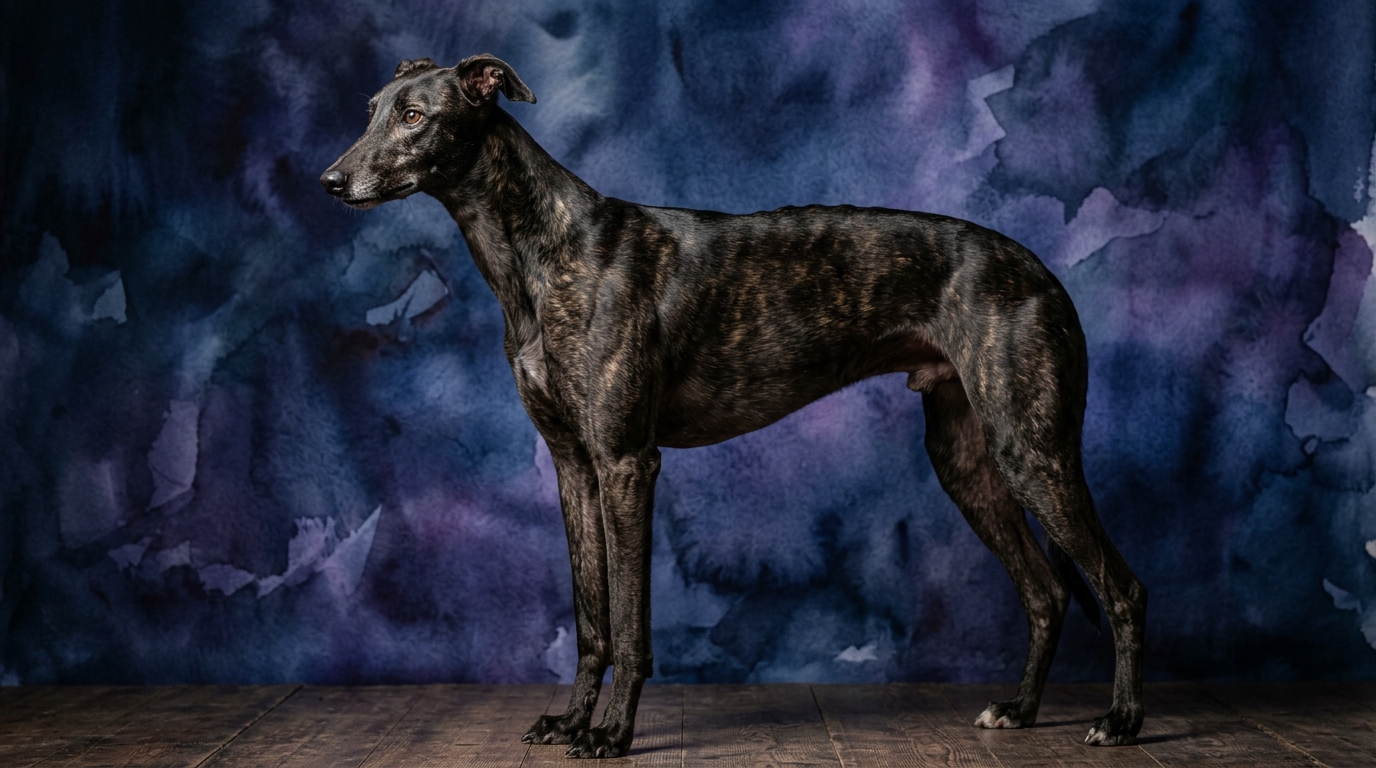
The Greyhound, a quintessential sighthound, registers a Coren rank of #46. Their Problem Solving is rated 3/5, reflecting an intelligence geared towards immediate action in pursuit rather than complex, multi-step tasks. Training Speed sits at 2/5, indicating an independent streak that requires patience and highly engaging methods to capture their attention. Social Intelligence is 3/5; they are observant and form deep bonds but can be reserved with strangers. Their Instinctive Drive, however, is a commanding 5/5, a relentless focus on chase that defines their very being. Memory is 3/5, solid for routine and specific commands, but sometimes overshadowed by their powerful instincts.
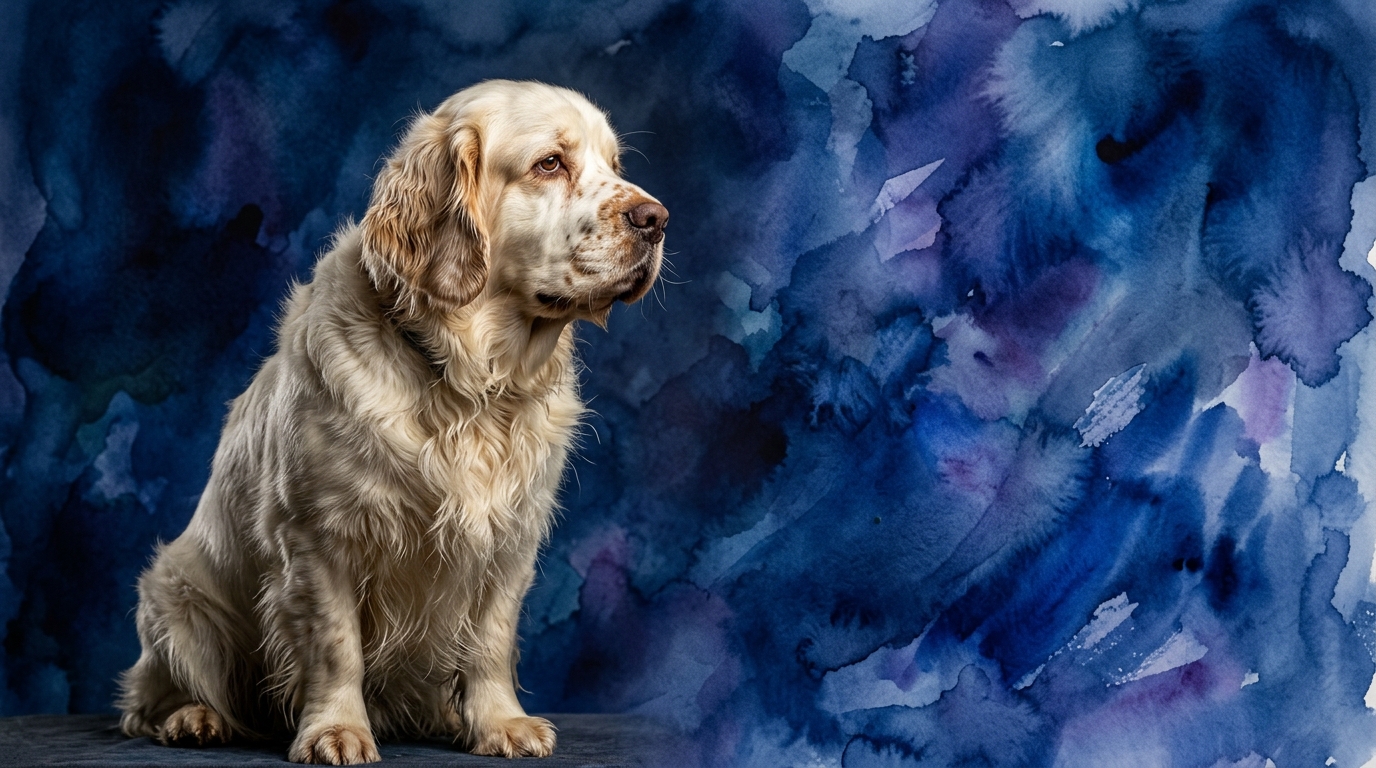
The Clumber Spaniel, a dedicated gundog, holds a Coren rank of #55. Their Problem Solving is also 3/5, but this manifests in methodical scent work and flushing game, requiring a different kind of deduction and persistence. Training Speed is a more amenable 3/5, as they are generally eager to please and respond well to consistent direction. Social Intelligence is 3/5; they are affectionate and observant within their family unit, often possessing a quiet dignity. Instinctive Drive is 3/5, strong for scent and retrieve, yet balanced and less overwhelming than a sighthound's chase impulse. Memory is 3/5, allowing them to retain training and routines effectively.
Where the Greyhound Wins Cognitively
The Greyhound's cognitive prowess shines brightest in domains directly tied to its sighthound heritage. Their Instinctive Drive, rated a perfect 5/5, is unparalleled. This isn't just about a desire to chase; it's a complex cognitive process involving exceptional visual acuity, rapid target acquisition, and an almost instantaneous calculation of trajectory and speed. When a small, fast-moving object appears, a Greyhound’s brain processes this information with astonishing efficiency, triggering an immediate and focused pursuit. This specialized problem-solving manifests as superior spatial awareness and dynamic decision-making during high-speed maneuvers, allowing them to navigate varied terrain while maintaining focus on their quarry. They exhibit remarkable efficiency in conserving energy for explosive bursts, a cognitive choice that optimizes their hunting strategy. This lean, mean, chasing machine's mind is optimized for one primary, awe-inspiring function.
Where the Clumber Spaniel Wins Cognitively
The Clumber Spaniel's cognitive strengths lie in its methodical and persistent approach to tasks, particularly those involving scent. While their Problem Solving is also 3/5, it is a distinctly different flavor compared to the Greyhound. A Clumber excels at intricate scent discrimination and methodical searching, requiring sustained focus and the ability to systematically work through an environment to locate game. This isn't about speed, but about thoroughness and deduction. Their Training Speed of 3/5 (compared to the Greyhound's 2/5) highlights a greater eagerness to engage in cooperative learning and a more biddable nature. This willingness to work alongside humans enhances their Social Intelligence in a practical, task-oriented way, allowing for more fluid communication during training and field work. Their Instinctive Drive, while lower at 3/5, is perfectly calibrated for its purpose: a persistent, ground-covering search that is less prone to impulsive, far-ranging chases. This makes them more adaptable to a variety of structured tasks beyond pure pursuit, where focus and cooperation are paramount.
Which is Easier to Train and Why
When considering ease of training, the Clumber Spaniel generally presents a more straightforward experience for the average owner. Their Training Speed of 3/5 reflects a disposition that is typically more cooperative and eager to please. Clumbers often find intrinsic reward in working with their handler, making them highly responsive to positive reinforcement techniques. They are less likely to be independently minded or easily distracted by external stimuli that don't involve a scent trail. Their Instinctive Drive, while present, is manageable and can be channeled into constructive activities like scent work or obedience drills without constantly battling a primal urge to chase. In contrast, the Greyhound, with a Training Speed of 2/5, can be more challenging. Their strong independence, coupled with an overwhelming Instinctive Drive of 5/5, means that even well-learned commands can be abandoned in favor of a perceived chase opportunity. Training a Greyhound requires immense patience, creativity, and an understanding of their deep-seated drive. Impulse control around small, fast-moving objects is a lifelong endeavor, and owners must find powerful motivators that can compete with the thrill of the chase. While Greyhounds are capable of learning, their motivation often needs to be more carefully tailored, and their attention can be fleeting if a more exciting “prey” appears. Therefore, for general obedience and adaptability to various commands, the Clumber Spaniel typically offers an easier and more consistent training journey.
Which Suits Active Owners vs. Relaxed Owners
The choice between these breeds often comes down to an owner's lifestyle and their understanding of canine needs. Active owners might initially gravitate towards the Greyhound, envisioning long runs, but it's crucial to understand their specific activity profile. Greyhounds are sprinters, not endurance runners. They require short, intense bursts of exercise—think a secure, fenced area for exhilarating sprints—followed by extensive periods of rest. They possess a “45 mph couch potato” temperament, thriving on comfort and quiet indoors once their energy is expended. An active owner who enjoys brisk walks but also appreciates a calm, restful companion for the majority of the day, and who can provide a safe outlet for their explosive speed, would find a Greyhound a good fit. Managing their high prey drive in an active outdoor setting is a constant consideration.
For owners with a more relaxed, yet consistent, approach to activity, the Clumber Spaniel is often the better match. While they enjoy and benefit from regular, moderate exercise—daily walks, scent games, and opportunities to explore—their energy levels are less demanding and more sustained than a Greyhound's. They are content with a structured routine that includes mental stimulation through scent work or training sessions, rather than requiring high-speed sprints. Their methodical nature means they are happy to meander and investigate, making them excellent companions for leisurely strolls or casual hikes. They generally adapt well to a family environment where activity is steady but not extreme, fitting seamlessly into a household that values companionship and consistent, engaging interactions over intense physical exertion.
The Verdict
For those who appreciate a dog with an unparalleled instinct for speed and chase, offering quiet companionship after intense bursts of activity, provided their unique training and exercise needs are met with secure environments and diligent impulse control, a Greyhound is an excellent choice.
For individuals seeking a devoted, methodical companion eager to engage in scent work and consistent training, offering a robust yet amiable presence in a moderately active household that values thoroughness and cooperative engagement, the Clumber Spaniel is ideally suited.
🧠 Find Your Pet's IQ Score
Our Pet IQ Lab assessment covers 25+ tests across 5 cognitive dimensions — personalized to your breed.
Take the Full IQ Test →Frequently Asked Questions
Do Greyhounds make good family pets despite their high prey drive?
Yes, Greyhounds are often gentle and affectionate with their human families, typically quiet indoors. Their high prey drive is primarily directed towards small, fast-moving objects, so careful introductions to other small pets and secure leash management are crucial for safety and harmony.
How do the problem-solving abilities of these two breeds differ in practical terms?
While both score 3/5, a Greyhound's problem-solving often manifests in spatial reasoning during high-speed pursuit, navigating obstacles to maintain chase and optimize speed. A Clumber Spaniel's problem-solving leans towards methodical scent trailing and flushing game, requiring persistence, deduction, and memory to locate hidden objects in complex environments.
Is a Clumber Spaniel truly "easier" to train than a Greyhound?
Generally, yes, due to their slightly higher training speed and more biddable nature. Clumber Spaniels are often more motivated by pleasing their owner and food rewards, whereas Greyhounds, while capable, can be more independent and require more tailored, high-value motivation to consistently overcome their strong instinctive drives and focus.