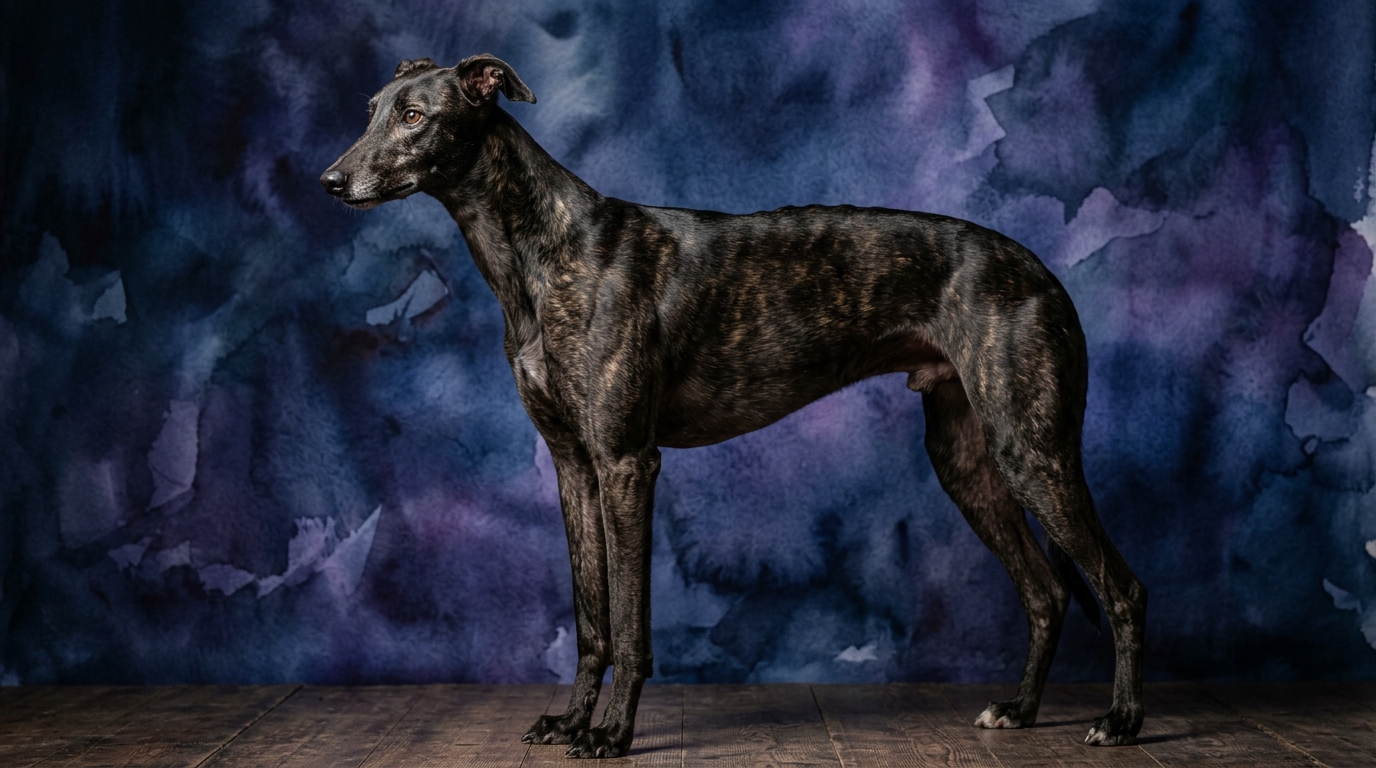
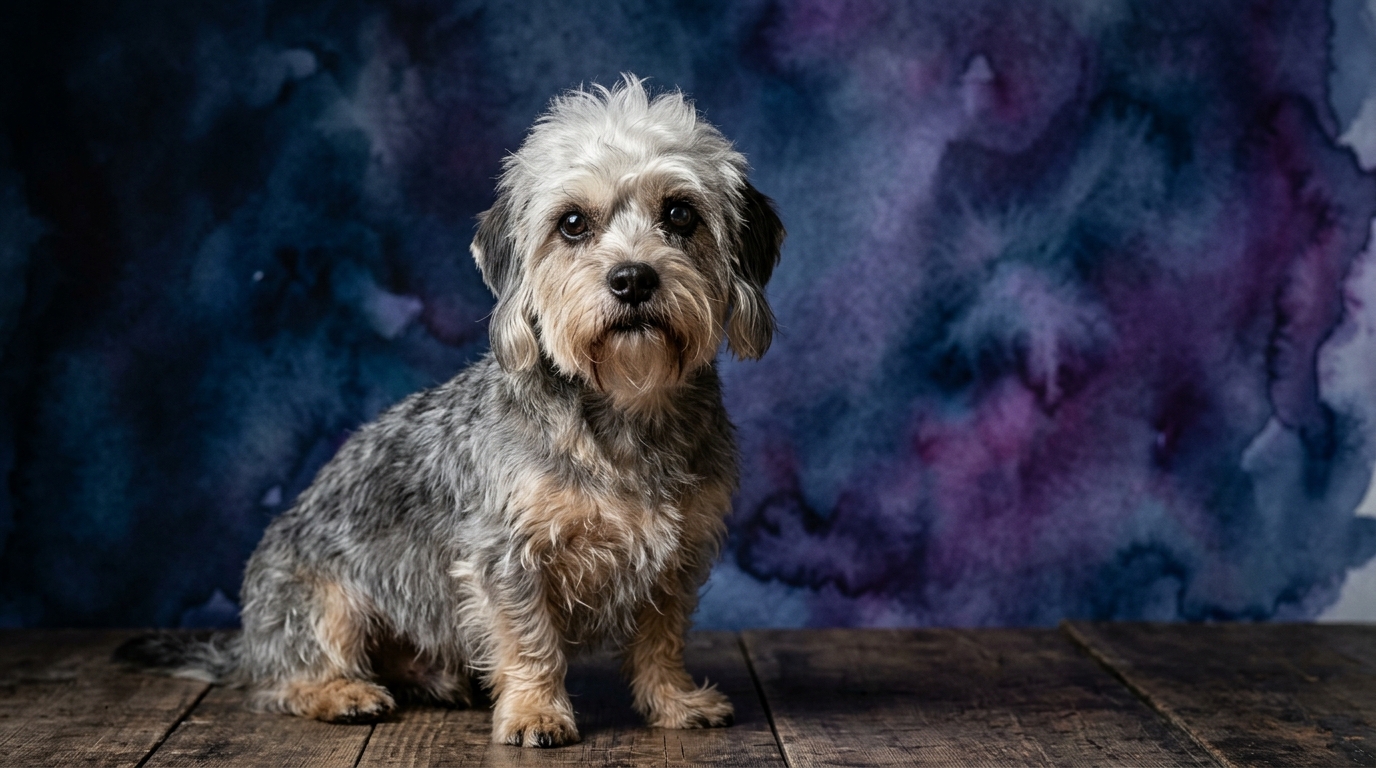
Side-by-Side IQ Profile: Greyhound vs. Dandie Dinmont Terrier
**Problem Solving (Greyhound 3/5, Dandie Dinmont Terrier 3/5):** Both breeds demonstrate a moderate capacity for navigating novel situations and figuring out puzzles. The Greyhound's problem-solving often manifests in spatial awareness for speed and obstacle avoidance, while the Dandie Dinmont Terrier exhibits resourcefulness in overcoming physical barriers or persistent pursuit. Neither breed is typically celebrated for complex, multi-step puzzle-solving, but both possess practical intelligence suited to their historical roles.
**Training Speed (Greyhound 2/5, Dandie Dinmont Terrier 3/5):** Here lies a notable difference. The Greyhound's lower score suggests a more independent nature, requiring patience and clear motivation to learn new commands consistently. They grasp concepts, but may choose to comply based on their own perceived benefit. The Dandie Dinmont Terrier, with a slightly higher score, generally shows a greater eagerness to engage in training and a quicker uptake of new cues, likely due to their desire to work alongside a handler.
**Social Intelligence (Greyhound 3/5, Dandie Dinmont Terrier 3/5):** Both breeds register a moderate ability to interpret human cues, understand social hierarchies, and adapt to varying social dynamics. Greyhounds are often reserved but observant, picking up on routines and emotional states without overt displays. Dandie Dinmont Terriers are typically more outwardly expressive, using body language and vocalizations to communicate their needs and understanding within a social context.
**Instinctive Drive (Greyhound 5/5, Dandie Dinmont Terrier 3/5):** This is a defining characteristic difference. The Greyhound's perfect 5/5 reflects an exceptionally powerful prey drive, specifically for sight-driven pursuit. Their entire cognitive architecture is geared towards spotting and chasing fast-moving objects. The Dandie Dinmont Terrier's 3/5 indicates a solid, but less overwhelming, drive for hunting small vermin, characterized by tenacity and digging, rather than pure speed.
**Memory (Greyhound 3/5, Dandie Dinmont Terrier 3/5):** Both breeds possess a moderate ability to recall past experiences, learned commands, and locations. Greyhounds often remember specific routes and where treats are stored, while Dandie Dinmont Terriers can recall training cues and the location of favored digging spots or toys. Their memory serves practical purposes within their daily lives without suggesting an exceptional capacity for complex long-term recall.
Where the Greyhound Wins Cognitively
The Greyhound's cognitive prowess shines brightest in its unparalleled instinctive drive, scoring a perfect 5/5. This isn't just about physical speed; it represents a finely tuned mental faculty for visual tracking, rapid spatial processing, and an unwavering focus on a moving target. Their minds are wired for the hunt, demonstrating exceptional situational awareness within a high-speed pursuit environment. This specialization allows them to calculate trajectories and react to changes in an instant, a cognitive feat distinct from many other breeds. While their Coren rank of #46 places them solidly among working breeds, this specific cognitive strength in pursuit is where they truly excel, often surprising owners with their ability to navigate complex outdoor spaces during a chase, even if they appear aloof indoors.
Where the Dandie Dinmont Terrier Wins Cognitively
The Dandie Dinmont Terrier, while not Coren-ranked, shows a distinct cognitive edge in training speed, scoring 3/5 compared to the Greyhound's 2/5. This suggests a greater readiness to engage with and absorb new commands and routines, indicating a more cooperative mental approach to learning. Their terrier heritage imbues them with a persistent and resourceful problem-solving style, particularly when faced with obstacles or seeking out specific targets. Unlike the Greyhound's broad, sight-driven focus, the Dandie's cognition is often characterized by a determined, localized persistence, enabling them to methodically work through challenges that require tenacity and focused attention, such as intricate scent work or manipulating objects to reach a goal. Their cognitive strength lies in their spirited and adaptable engagement with their environment and handlers.
Which is Easier to Train and Why
Based on their respective training speed scores, the Dandie Dinmont Terrier generally presents as the easier breed to train, scoring 3/5 compared to the Greyhound's 2/5. The Dandie's slightly higher score reflects a greater willingness to participate in structured learning sessions and a quicker acquisition of new commands. Their terrier nature, while independent, often comes with a desire to engage with their human companions, making them more amenable to positive reinforcement methods. Greyhounds, conversely, often exhibit a more independent and discerning approach to training. While they are capable of learning, their lower score indicates they might require more consistent motivation, patience, and creative engagement to secure their cooperation. Their powerful instinctive drive (5/5) can also be a significant distraction during training, as their attention may be quickly diverted by any perceived prey. Real behavioral differences include the Dandie's focused determination versus the Greyhound's potential for aloofness or sudden bursts of chase instinct.
Which Suits Active Owners vs. Relaxed Owners
The choice between these breeds significantly depends on an owner's lifestyle expectations. For genuinely active owners who enjoy consistent, varied engagement, the Dandie Dinmont Terrier is a strong contender. Their moderate instinctive drive (3/5) and terrier energy demand regular mental stimulation and physical activity, such as structured walks, interactive play, and scent games, to keep their problem-solving minds occupied. They thrive with owners who can channel their tenacity into constructive activities. In contrast, the Greyhound, despite its supreme athletic ability and a 5/5 instinctive drive, often suits more relaxed owners after their initial bursts of energy. While they require opportunities for vigorous, short-duration running in secure areas, they are famously calm indoors, often content to lounge for extended periods. Their social intelligence (3/5) means they appreciate quiet companionship, making them suitable for owners who prefer a serene home environment punctuated by intense, but brief, outdoor adventures.
The Verdict
To choose a Greyhound means embracing a companion with a specialized cognitive architecture for pursuit and quiet companionship.
Opt for a Dandie Dinmont Terrier if you seek a persistent, engaging partner who thrives on interactive learning and focused activity.
🧠 Find Your Pet's IQ Score
Our Pet IQ Lab assessment covers 25+ tests across 5 cognitive dimensions — personalized to your breed.
Take the Full IQ Test →Frequently Asked Questions
Do Greyhounds require constant exercise due to their high instinctive drive?
Despite their 5/5 instinctive drive for chasing, Greyhounds are often described as "45 mph couch potatoes." They thrive on short, intense bursts of running in a secure area, but are generally calm and relaxed indoors, enjoying long periods of rest.
Is the Dandie Dinmont Terrier a good choice for first-time dog owners given its training speed?
The Dandie Dinmont Terrier's 3/5 training speed suggests they are generally amenable to learning, making them a viable option for attentive first-time owners. However, their terrier persistence requires consistent, positive training to manage their independent nature.
How does the lack of a Coren rank for the Dandie Dinmont Terrier affect its perceived intelligence?
The absence of a Coren rank doesn't diminish the Dandie Dinmont Terrier's cognitive abilities, but rather indicates they weren't included in that specific study's methodology. Their specific IQ scores still provide valuable insight into their problem-solving, training, social, and instinctive capacities.