Side-by-Side Cognitive Profiles
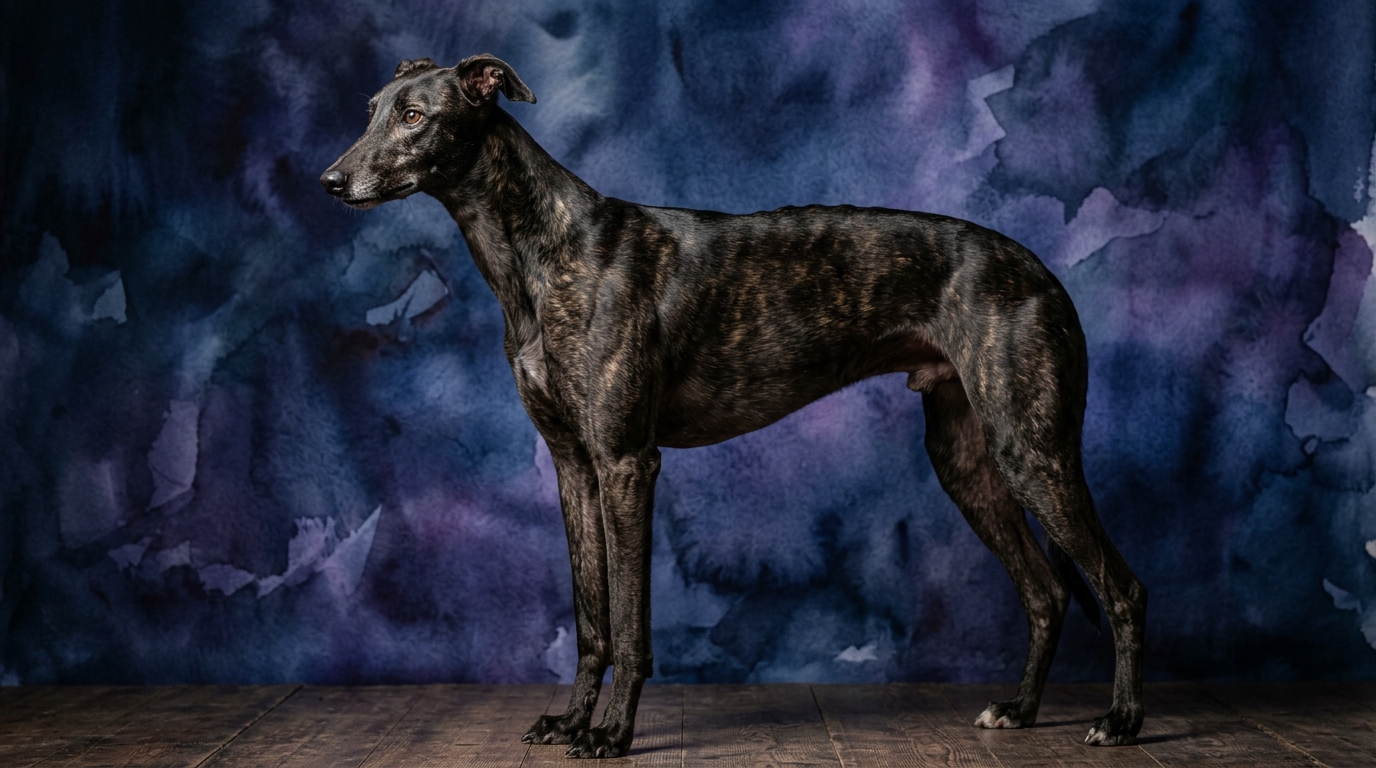
At The Cosmic Pet Pet IQ Lab, we dissect canine cognition across five crucial dimensions, offering a nuanced view beyond simple labels. For the Greyhound, ranked #46 by Coren, its problem-solving ability scores a solid 3 out of 5, indicating a capacity to navigate novel situations and figure out solutions, often independently. However, its training speed registers a 2 out of 5, suggesting that while capable of learning, it may require more repetition or motivation tailored to its intrinsic drives. Social intelligence for the Greyhound is 3 out of 5, meaning it can read social cues and interact appropriately within a family setting, but perhaps without the intense desire for constant group engagement. Its instinctive drive is a remarkable 5 out of 5, reflecting its powerful, innate impulse to chase and pursue, a fundamental aspect of its being. Memory stands at 3 out of 5, allowing it to retain learned behaviors and recognize familiar people and places effectively.
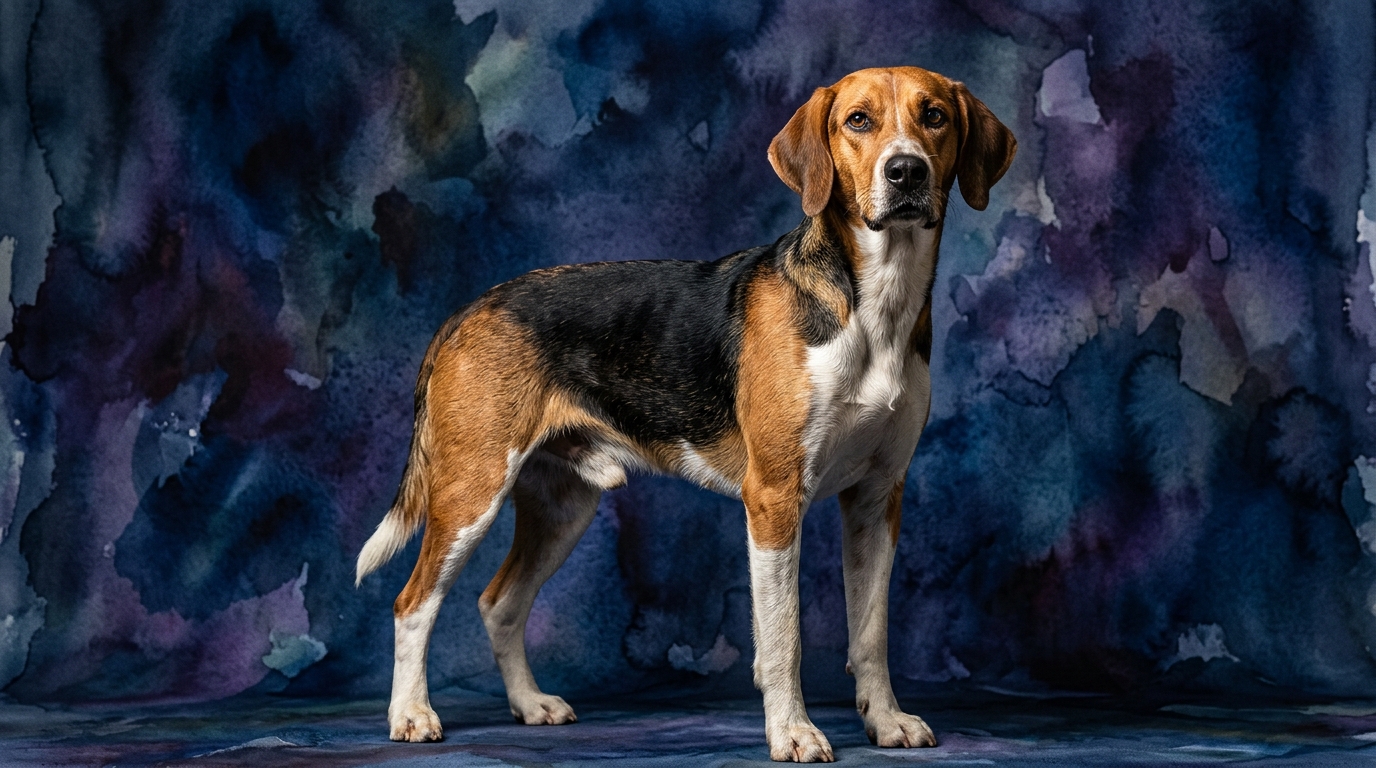
The English Foxhound, while not Coren-ranked, presents a distinct cognitive blueprint. Its problem-solving ability also scores 3 out of 5, showcasing a similar capacity to reason through challenges, likely within the context of its traditional hunting role. Interestingly, its training speed is a 3 out of 5, indicating a slightly quicker uptake of commands compared to the Greyhound, possibly due to its history of working closely with human handlers in a pack. Social intelligence for the English Foxhound matches the Greyhound at 3 out of 5, suggesting an ability to integrate into family life and interact with others. Where it truly diverges is in its instinctive drive, scoring 3 out of 5. While still a hound with a drive to follow scent, this score indicates a more moderate, manageable intensity compared to the Greyhound's extreme pursuit instinct. Its memory is also a 3 out of 5, enabling it to recall complex scent trails and learned routines with good accuracy.
Where the Greyhound Excels Cognitively
The Greyhound's cognitive strengths are deeply rooted in its specialization as a sight hound, particularly evident in its exceptional instinctive drive, rated at a perfect 5 out of 5. This isn't just a desire to chase; it's a sophisticated, hardwired program for identifying, tracking, and rapidly closing the distance on perceived prey. This manifests as an unparalleled focus and explosive reaction time when something triggers its sighthound instincts. While its problem-solving score of 3/5 might seem moderate, within the context of its drive, it translates to an efficient, independent approach to overcoming obstacles in pursuit. For instance, a Greyhound might quickly assess the safest path through a cluttered field to maintain visual contact with a moving object, or figure out how to navigate a gate if it believes there's a lure on the other side. This cognitive function is less about complex puzzle-solving and more about swift, effective decision-making under high-speed, high-stakes scenarios. This breed's unique blend of acute visual processing and an unyielding chase instinct makes it a master of rapid, goal-oriented action.
Where the English Foxhound Shines Cognitively
The English Foxhound's cognitive advantages are inextricably linked to its historical role as a cooperative pack hunter, relying heavily on scent and teamwork. Its training speed of 3 out of 5, a point higher than the Greyhound, hints at a greater amenability to human direction and a quicker grasp of sequential commands. This cognitive trait is vital for a dog expected to work in concert with other hounds and human hunters, responding to calls and specific directives during a hunt. While its instinctive drive is a solid 3 out of 5, indicating a strong scent drive, it is more balanced than the Greyhound's, allowing for better impulse control and a greater capacity to be redirected. This means a Foxhound is more likely to process and respond to a 'come' command even when engrossed in an interesting scent, whereas a Greyhound's visual target might override such cues. Their problem-solving (3/5) and memory (3/5) are adept at navigating complex scent trails, remembering the nuances of terrain, and coordinating with the pack, showcasing a different kind of cognitive sophistication focused on endurance, collaboration, and persistent tracking.
Training Dynamics: Greyhound vs. English Foxhound
When it comes to ease of training, the English Foxhound generally presents a slightly more straightforward path for the average owner due to its 3/5 training speed, compared to the Greyhound's 2/5. The Foxhound's historical role in a pack environment fostered a disposition that values cooperation and responsiveness to human commands. They are accustomed to taking direction from a huntsman, making them generally more eager to please and quicker to pick up new cues. Their instinctive drive, while potent, is also more trainable and can be channeled effectively with consistent positive reinforcement. For example, a Foxhound can often be taught to 'stay' or 'recall' with greater reliability, even when distracted by a scent, because their cognitive framework is built around working in partnership.
Conversely, the Greyhound's lower training speed (2/5) and extremely high instinctive drive (5/5) mean that while they are certainly capable of learning, their motivation often needs to be more intrinsically rewarding or aligned with their sighthound nature. A Greyhound is less concerned with pleasing its human if there's a compelling visual stimulus. Their independent problem-solving often means they've already assessed a situation and decided on their course of action before a command is fully processed. Training a Greyhound often requires immense patience, understanding of their chase drive, and finding high-value rewards that can compete with the thrill of pursuit. While both breeds benefit from early socialization and consistent training, the English Foxhound's inherent cooperative spirit tends to make the initial stages of obedience training feel less like a negotiation and more like a collaboration.
Matching Breeds to Lifestyles: Active vs. Relaxed Owners
The choice between a Greyhound and an English Foxhound largely hinges on an owner's lifestyle and their understanding of each breed's unique energy profile. For those seeking a companion that fits into a more relaxed household, the Greyhound might be a surprising, yet excellent, fit. Despite their reputation for speed, Greyhounds are often described as '45 mph couch potatoes.' Their exercise needs are typically met with short, intense bursts of running in a securely fenced area, followed by extended periods of lounging. Their high instinctive drive (5/5) means that while they require a safe outlet for sprinting, they are generally calm and quiet indoors, preferring soft beds and naps. A relaxed owner who enjoys quiet evenings but can commit to daily, supervised sprints will find a Greyhound an agreeable companion, provided their home environment is secured against their chase instinct.
The English Foxhound, with its balanced instinctive drive (3/5) and heritage of endurance, is better suited for truly active owners. These dogs possess stamina that demands consistent, prolonged physical activity. They thrive on long walks, hikes, or runs, and their keen scenting abilities mean they enjoy exploring new environments. An English Foxhound needs more than just a quick sprint; they require a sustained outlet for their energy and mental stimulation through scent work or extended outdoor adventures. An active owner who enjoys daily, vigorous outdoor activities, perhaps even participating in dog sports like tracking or canicross, would find the English Foxhound's robust energy and inquisitive nature a perfect match. Their need for consistent engagement and exercise makes them less suitable for owners seeking a primarily sedentary companion.
The Verdict
Choose the Greyhound if you appreciate an independent, calm indoor presence that requires intense, but relatively short, bursts of exercise in a secure environment, understanding their profound chase instinct.
Opt for the English Foxhound if you lead a genuinely active lifestyle, are prepared for consistent, long-duration outdoor activities, and desire a more cooperative, scent-driven companion.
🧠 Find Your Pet's IQ Score
Our Pet IQ Lab assessment covers 25+ tests across 5 cognitive dimensions — personalized to your breed.
Take the Full IQ Test →Frequently Asked Questions
Are Greyhounds good with children and other pets?
Greyhounds can be excellent family dogs, often gentle and tolerant with children. However, their strong prey drive (instinctive drive 5/5) means they may not be suitable for homes with very small, fast-moving pets like cats or rabbits, unless introduced carefully and supervised.
How much grooming does an English Foxhound require?
English Foxhounds have a short, dense coat that is relatively low maintenance. They require weekly brushing to remove loose hair and occasional baths, but generally do not need professional grooming, making them a good choice for owners who prefer minimal coat care.
Do English Foxhounds bark a lot?
As a hound breed, English Foxhounds are known for their vocalizations, including baying and howling, especially when following a scent or left alone for extended periods. This characteristic requires consideration for owners living in close proximity to neighbors or those sensitive to noise.