Side-by-Side IQ Profile: Greyhound vs. Finnish Spitz
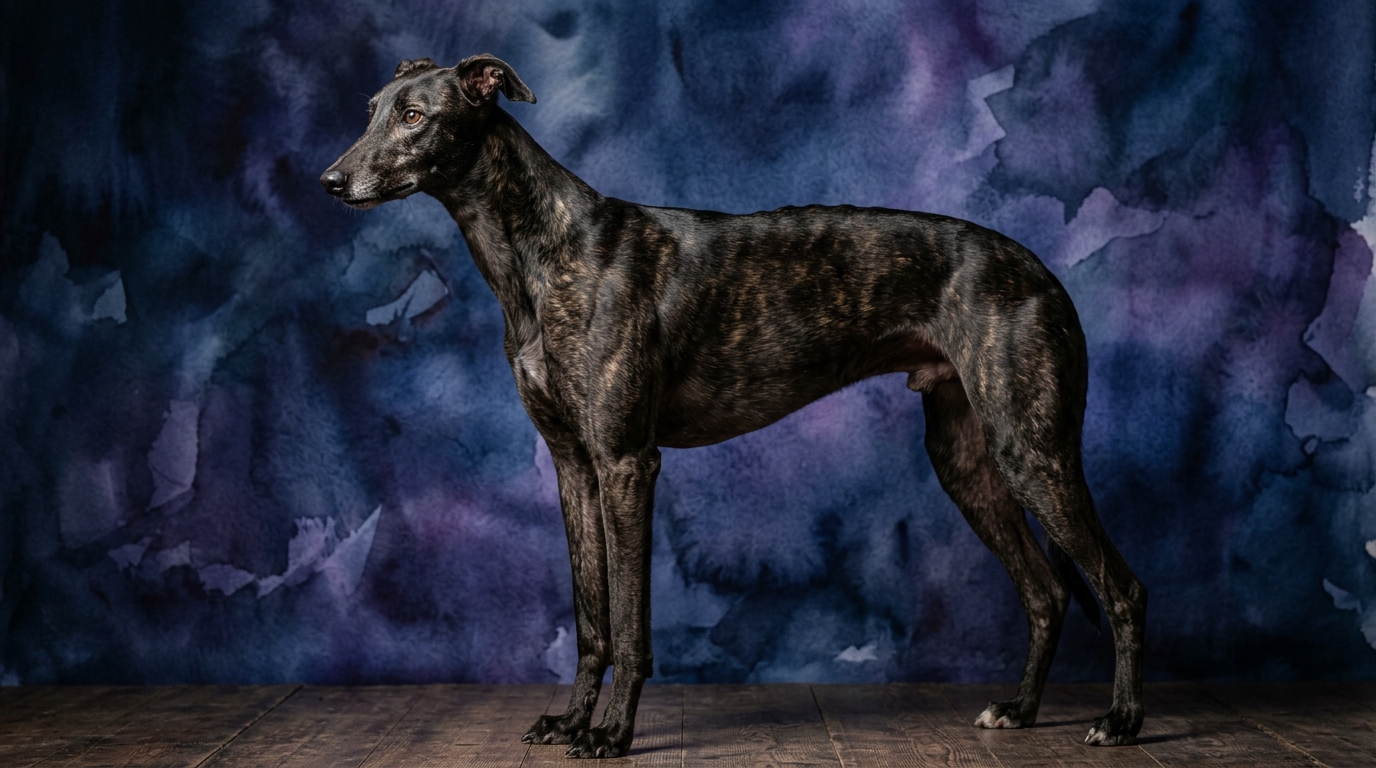
At The Cosmic Pet Pet IQ Lab, we delve into the nuanced cognitive dimensions of our canine companions. For the Greyhound, a member of the Hound group with a Coren ranking of #46, we observe a specific set of attributes. Their Problem Solving rates 3/5, indicating an aptitude for direct solutions, often involving speed or obstacle navigation. Training Speed is 2/5, suggesting that while capable, their independent nature can make consistent training a more involved process. Social Intelligence stands at 3/5, reflecting their capacity for bonding and understanding human cues, though often with a reserved demeanor. Their Instinctive Drive is a profound 5/5, highlighting an exceptional inclination for chase and pursuit. Finally, Memory is 3/5, allowing them to retain routines and associations, particularly those linked to comfort or positive experiences.
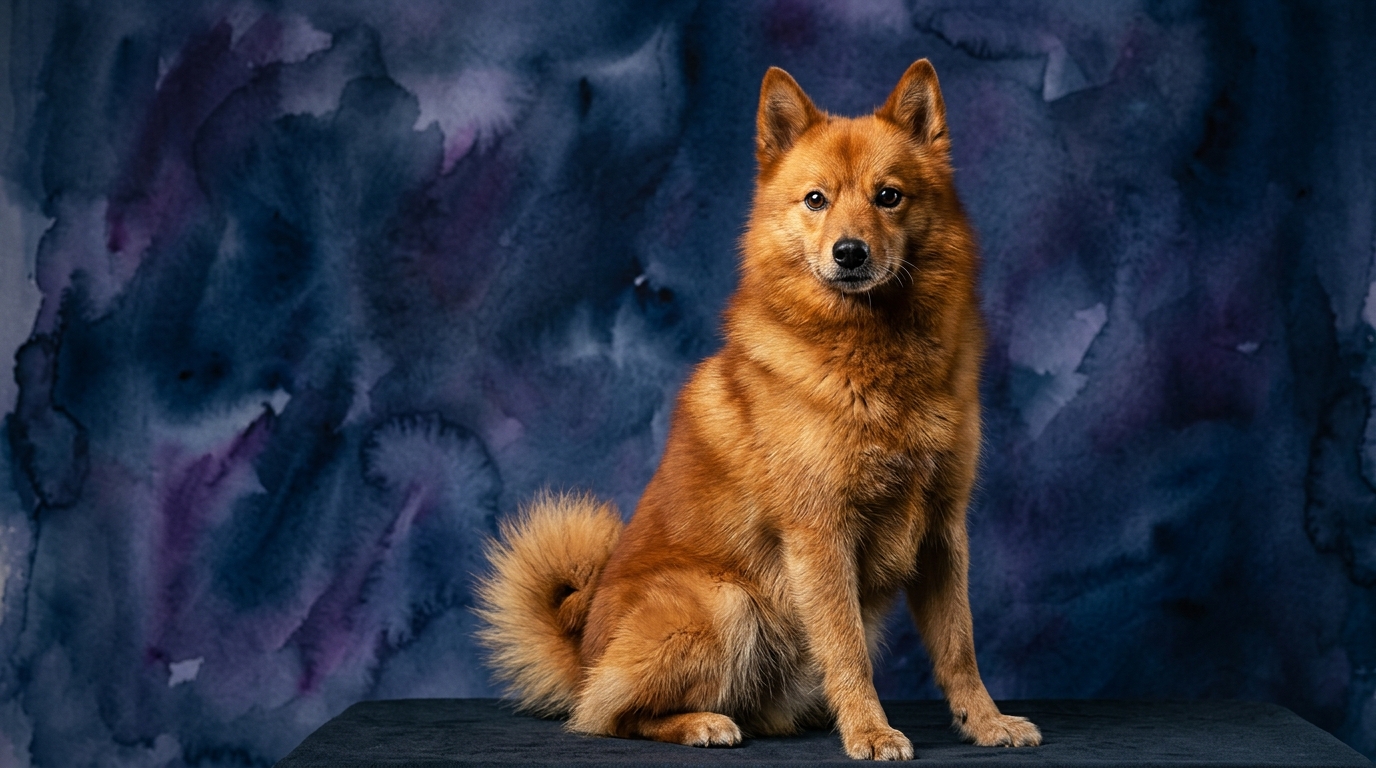
The Finnish Spitz, a Non-Sporting breed not specifically ranked by Coren, presents a different cognitive landscape. Their Problem Solving also registers at 3/5, demonstrating resourcefulness in environmental puzzles, especially those related to their vocal alerting roles. Training Speed is a slightly higher 3/5, indicating a generally quicker grasp of new commands and a more pronounced eagerness to engage in structured learning. Social Intelligence is 3/5, characterized by strong family bonds and expressive communication, particularly through their voice. Their Instinctive Drive is 3/5, a moderate yet present hunting instinct often channeled into alert barking and active observation. Memory, like the Greyhound, is 3/5, showing solid recall for familiar elements and emotionally impactful experiences.
Where the Greyhound Wins Cognitively
The Greyhound's unparalleled 5/5 Instinctive Drive is a clear cognitive advantage in specific scenarios. This isn't merely about the act of chasing; it represents an entire cognitive system optimized for rapid perception, instantaneous decision-making, and precise execution in pursuit. Their brains are finely tuned for split-second reactions to movement, adeptly filtering out extraneous stimuli to focus acutely on a moving target. This hyper-focus allows them to process vast amounts of sensory data related to speed, trajectory, and evasive maneuvers with astonishing efficiency, making them superior in tasks requiring swift, precise physical responses driven by visual stimuli.
Furthermore, while both breeds score 3/5 in general Problem Solving, the Greyhound excels when challenges demand quick, spatial reasoning under pressure. For instance, navigating an agility course that emphasizes speed and precise turns, or finding the quickest, most direct path through a complex environment to a perceived 'prey' item. Their cognitive strength lies in optimizing for velocity and directness, often bypassing complex, multi-step solutions for the most immediate and energy-efficient path. This particular problem-solving style is a direct extension of their sighthound heritage, where speed and visual acuity were paramount for survival and success.
Where the Finnish Spitz Wins Cognitively
The Finnish Spitz edges out the Greyhound with a 3/5 Training Speed compared to the Greyhound's 2/5. This suggests a slightly greater inherent willingness to engage in structured learning and a quicker grasp of new commands when properly motivated. Their history as hunting companions required them to work cooperatively with humans, barking to alert hunters to game, which fostered a more responsive and trainable disposition. While still capable of independent thought, they generally exhibit a higher intrinsic motivation to please their owners through learned behaviors, making the initial stages of training often more fluid and consistently rewarding.
Although both breeds are rated 3/5 in Social Intelligence, the Finnish Spitz's cognitive profile includes a highly developed and nuanced vocal communication system. Their famed 'yodel' is not simply noise; it's a specific form of communication, indicating alertness, excitement, or a perceived change in their environment. This specialized cognitive adaptation allows them to interact with their surroundings and human companions through a broader, more expressive vocal repertoire. They are adept at using their voice to convey information, which can be seen as a specialized form of social problem-solving, alerting their human partners to perceived changes or concerns, a trait less pronounced in the generally quieter Greyhound.
Which is Easier to Train and Why
Based on our IQ data, the Finnish Spitz (3/5 training speed) is generally considered easier to train than the Greyhound (2/5 training speed). The Finnish Spitz's slightly higher training speed reflects a more pronounced eagerness to engage in cooperative learning with their human companions. Their historical role as a barking bird dog required them to follow specific cues and work in tandem with hunters, fostering a disposition that is generally more receptive to direction. They are often food-motivated and respond well to positive reinforcement, showing a consistent drive to understand and perform desired actions, making training sessions engaging and productive.
In contrast, the Greyhound's lower training speed stems from their independent nature and powerful instinctive drives. While capable of learning, their primary cognitive focus is often on their environment and the potential for chase, rather than human directives. They might master a command quickly but choose not to execute it if a more compelling sensory input (like a squirrel or a blowing leaf) is present. Training a Greyhound requires immense patience, consistency, and an understanding that their motivation often needs to outweigh their deep-seated instinct to pursue. Their cognitive framework prioritizes efficiency and self-preservation in a chase scenario, which can sometimes manifest as selective hearing during structured training sessions.
Which Suits Active Owners vs. Relaxed Owners
The Greyhound, despite its reputation as a racing dog, paradoxically suits relaxed owners who appreciate calm, quiet companionship indoors. While they do require bursts of intense exercise – a secure, fenced area for a good sprint or two daily is essential – they are largely '45-mph couch potatoes.' Their high instinctive drive means they thrive on brief, exhilarating physical outlets, but once those needs are met, they are content to lounge for hours. Owners who enjoy quiet evenings, predictable routines, and understand the critical importance of supervised, high-energy bursts will find a Greyhound to be a perfect, serene companion. They are not suited for owners seeking a dog for long, sustained hikes or complex, continuous mental engagement.
The Finnish Spitz, with its moderate instinctive drive and vocal nature, is better suited for moderately active owners who enjoy engaging with their dog through varied activities. They thrive on regular walks, scent work, and opportunities to use their voice appropriately, such as in canine sports or structured 'watchdog' duties. Their cognitive profile suggests they appreciate mental stimulation alongside physical activity, enjoying puzzle toys and training sessions that challenge their problem-solving and social intelligence. Owners who are prepared for consistent training, enjoy a communicative companion, and can provide outlets for their natural curiosity and vocal tendencies will find the Finnish Spitz a rewarding and lively partner. They are not ideal for owners seeking a purely sedentary companion.
The Verdict
Choose a Greyhound if you seek a calm, gentle companion who appreciates comfort and requires short, intense bursts of exercise in a secure environment.
Choose a Finnish Spitz if you desire an engaging, vocal partner for moderate activity and enjoy training a dog with a distinct personality and communicative flair.
🧠 Find Your Pet's IQ Score
Our Pet IQ Lab assessment covers 25+ tests across 5 cognitive dimensions — personalized to your breed.
Take the Full IQ Test →Frequently Asked Questions
Is a Greyhound difficult to train due to its low training speed?
While Greyhounds have a lower training speed, they are not inherently difficult; they require consistent, positive reinforcement and understanding of their independent nature. Their strong prey drive means distractions need careful management during training sessions. Patience and clear communication are key to success.
How does the Finnish Spitz's vocal nature affect its suitability for apartment living?
The Finnish Spitz's vocal nature, including their characteristic 'yodel,' means they might be more challenging for apartment living if not properly managed. Early training to control barking and providing sufficient mental and physical stimulation can mitigate excessive vocalization. They are alert communicators, not necessarily incessant barkers without reason.
Do Greyhounds require a lot of exercise given their racing background?
Despite their racing history, Greyhounds are often referred to as '45-mph couch potatoes.' They need daily opportunities for short, intense sprints in a securely fenced area, but are otherwise quite content to relax indoors. They are not endurance athletes in a typical pet setting and prefer comfort.