Side-by-Side Cognitive Profile: Greyhound vs. German Pinscher
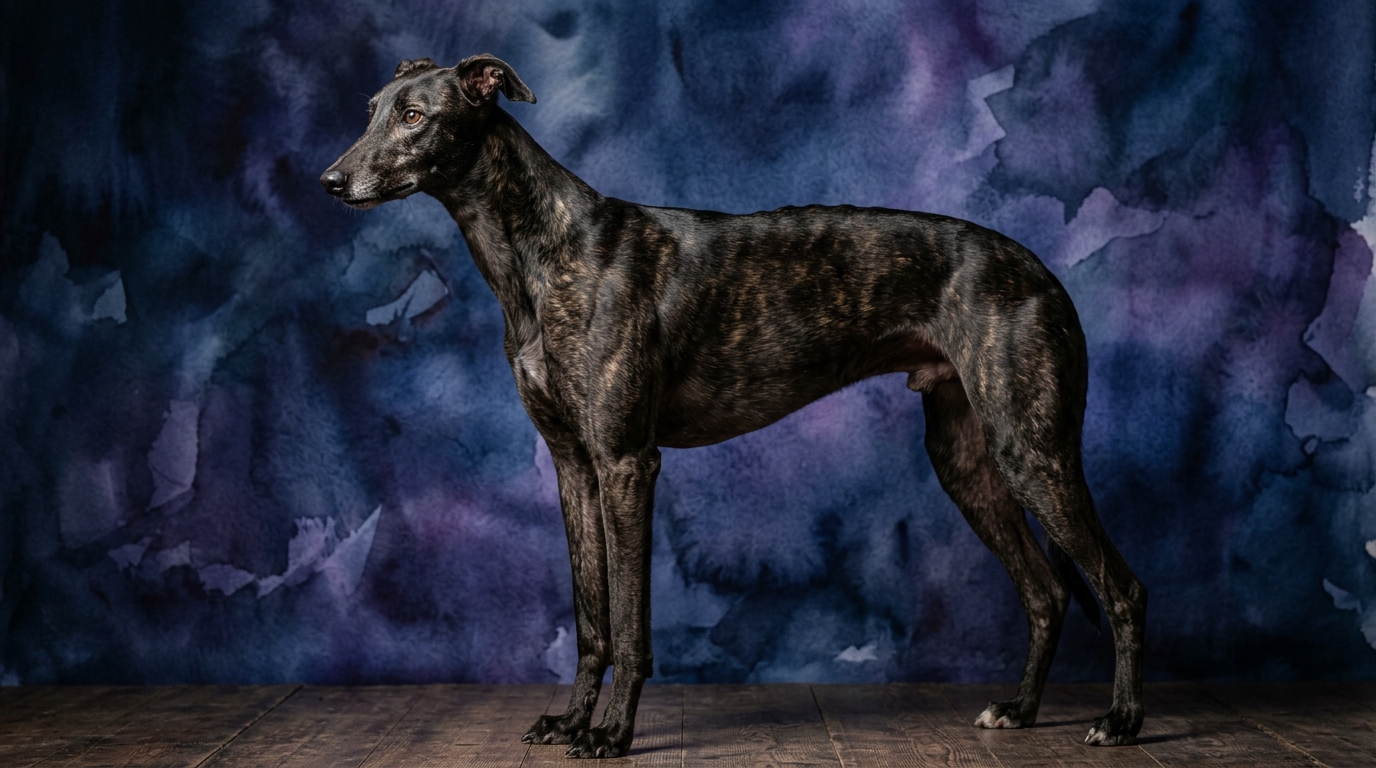
At The Cosmic Pet Pet IQ Lab, we evaluate canine intelligence across five key dimensions. For the Greyhound, a breed Coren-ranked at #46, its cognitive profile reveals a specialized mind. Its Problem Solving is rated 3/5, meaning it often approaches challenges through observation and instinct, particularly when visual cues are involved, rather than complex manipulation. Training Speed scores 2/5, indicating a moderate pace for learning new commands, often requiring patience due to their independent nature and potential for distraction by environmental stimuli. Social Intelligence is 3/5, reflecting deep bonds with primary caregivers but often a reserved demeanor with strangers. Instinctive Drive is a perfect 5/5, showcasing an unparalleled focus on spotting and pursuing fast-moving objects. Finally, Memory is 3/5, allowing them to recall routines, people, and specific locations effectively.
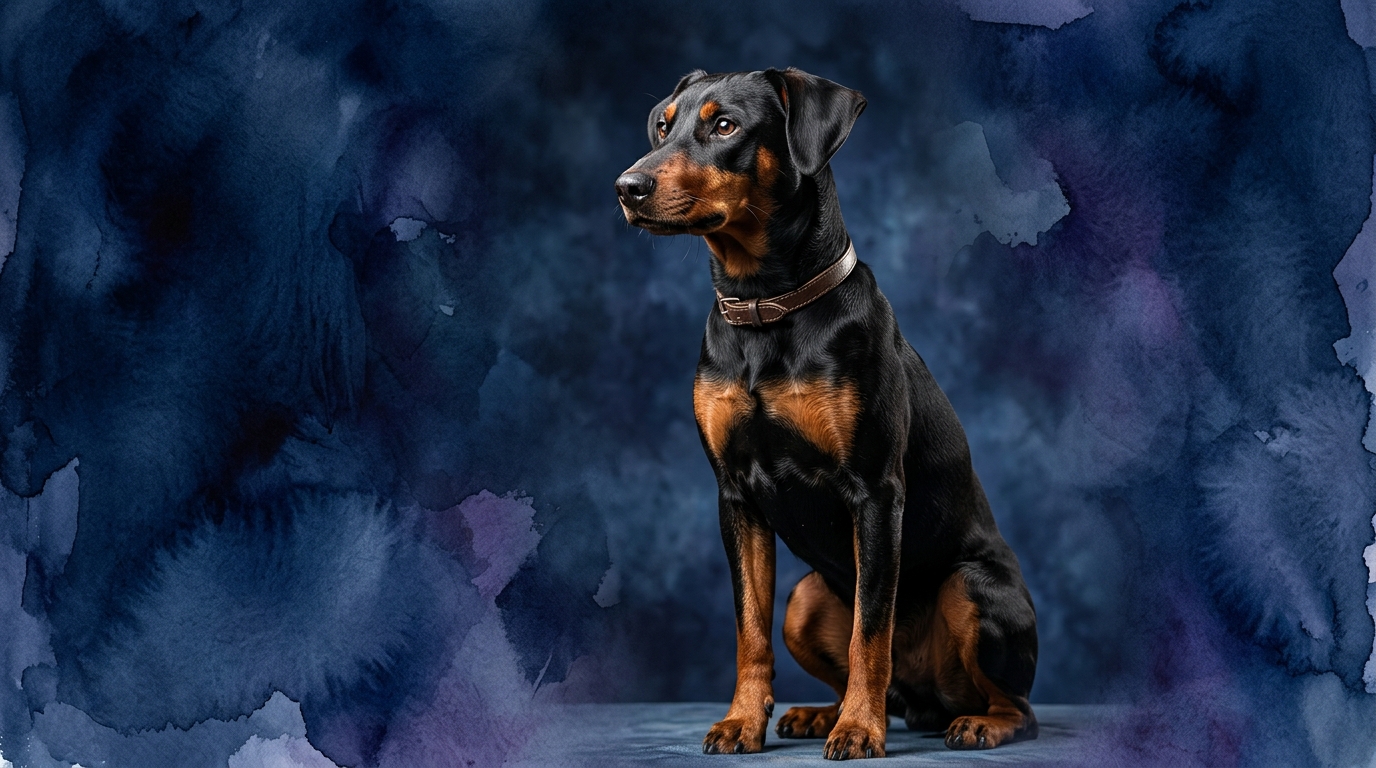
The German Pinscher, while not Coren-ranked, presents a more balanced and adaptable cognitive profile. Its Problem Solving is also 3/5, but this manifests as a combination of intelligent observation and hands-on experimentation, making them capable of navigating varied situations. Training Speed scores higher at 3/5, suggesting a more eager and receptive learner who responds well to consistent, engaging methods. Social Intelligence matches the Greyhound at 3/5, indicating an awareness of human intentions and a generally more outgoing, engaged approach to interactions, though they can be initially wary of strangers. Instinctive Drive is 3/5, encompassing a versatile inclination for guarding, chasing small prey, and active play. Their Memory is also 3/5, allowing them to retain learned commands and routines effectively with consistent practice.
Where the Greyhound Wins Cognitively
The Greyhound's cognitive superiority shines brightest in its specialized instinctive drive. With a perfect 5/5 score, their mental architecture is exquisitely tuned for pursuit, encompassing an unparalleled ability to visually scan vast distances, identify subtle movements, and execute complex, high-speed chase strategies with precision. Their problem-solving in a hunting context is virtually instantaneous, requiring rapid assessment of terrain, trajectory, and target evasion, showcasing a highly specialized form of intelligence that few breeds can match. This acute focus on visual stimuli and a deeply ingrained predatory sequence means they excel in tasks demanding quick, decisive action based on sight, a unique cognitive strength.
Where the German Pinscher Wins Cognitively
The German Pinscher's cognitive edge lies in its balanced versatility and biddability, particularly reflected in its training speed. While both breeds score similarly in problem-solving and social intelligence, the Pinscher's 3/5 training speed, compared to the Greyhound's 2/5, indicates a more eager and receptive learner. This translates to a dog generally more motivated by human interaction and praise, making them quicker to pick up new commands and more adaptable to varied training exercises. Their moderate instinctive drive (3/5) also means natural urges are more easily channeled into structured activities, allowing for a broader range of learned behaviors. This cognitive flexibility makes them adept at diverse roles, from obedience to agility, showcasing a more generalized, adaptable intelligence.
Training Dynamics: Which is Easier to Train?
The German Pinscher generally presents as the easier breed to train, primarily due to its higher training speed and more balanced instinctive drive. German Pinschers are often characterized by their eagerness to please and a natural inclination to engage with their handlers, making them more responsive to cues and quicker to form new associations. Their moderate instinctive drive can be more readily directed into constructive tasks, rather than being solely focused on a powerful urge like the Greyhound's prey drive. In contrast, the Greyhound's independence and powerful instinctive drive for chase can make them appear less cooperative in traditional obedience settings. While intelligent, their motivation often stems from internal satisfaction or the pursuit of a visual lure, not a strong desire for human approval, demanding a nuanced and patient training approach focused on positive reinforcement and understanding their intrinsic motivations. Real behavioral differences include the Pinscher's tendency to actively solicit interaction during training versus the Greyhound's potential to disengage if a session isn't immediately rewarding or stimulating to its sighthound nature.
Lifestyle Match: Active vs. Relaxed Owners
For consistently active owners seeking a canine partner for diverse engagements, the German Pinscher is often the more suitable choice. Their moderate instinctive drive and eager-to-please nature mean they thrive on regular physical activity combined with mental stimulation, such as agility, obedience, or hiking. They enjoy being an integral part of daily family activities and require consistent outlets for their energy and intellect. Conversely, the Greyhound, despite its legendary speed, often suits owners who appreciate a more relaxed indoor companion with bursts of intense outdoor activity. While they absolutely need opportunities to run freely in a secure area to satisfy their potent instinctive drive, they are equally content to spend a significant portion of their day lounging. Their energy expenditure is typically episodic; intense sprints followed by long periods of calm, making them surprisingly good fits for owners who enjoy quiet evenings at home but can provide dedicated time for exhilarating exercise.
The Verdict
Choose a Greyhound if you appreciate an independent, calm indoor companion who requires specific, high-intensity exercise outlets to satisfy their unparalleled sighthound instincts.
Opt for a German Pinscher if you desire an engaged, versatile, and biddable partner eager for varied activities and consistent mental and physical engagement.
🧠 Find Your Pet's IQ Score
Our Pet IQ Lab assessment covers 25+ tests across 5 cognitive dimensions — personalized to your breed.
Take the Full IQ Test →Frequently Asked Questions
Do Greyhounds require a lot of exercise daily?
Greyhounds need daily opportunities for short, intense bursts of running in a securely fenced area to satisfy their strong chase drive. Beyond these sprints, they are typically quite relaxed and enjoy lounging, making them surprisingly adaptable to apartment living if their exercise needs are met.
Are German Pinschers good family dogs?
German Pinschers can be excellent family dogs when properly socialized and trained from a young age. They are loyal and protective of their family but require consistent mental and physical stimulation to prevent boredom and potential destructive behaviors.
How do their problem-solving abilities differ in practical terms?
While both score 3/5, a Greyhound's problem-solving often relates to efficiently navigating a chase or finding a comfortable napping spot, relying on visual cues and instinct. A German Pinscher's problem-solving might manifest in figuring out complex puzzle toys or devising ways to get attention, showcasing a more adaptable, manipulative approach.