Side-by-Side IQ Profile: Deconstructing Hound Minds
At The Cosmic Pet Pet IQ Lab, we evaluate canine intelligence across five critical dimensions: Problem Solving, Training Speed, Social Intelligence, Instinctive Drive, and Memory. Understanding these facets offers a window into how each breed navigates its world and interacts with its human companions.
For Problem Solving, both the Greyhound and the Harrier register a solid 3 out of 5. This indicates a moderate capacity for independent thought and figuring out novel situations, suggesting they can learn to overcome simple obstacles but aren't necessarily master strategists. Their problem-solving might be geared more towards practical, immediate concerns rather than complex, multi-step puzzles.
Training Speed presents the first notable divergence. The Greyhound scores 2 out of 5, suggesting they take a bit longer to grasp and reliably execute new commands, often requiring patience and consistent repetition. The Harrier, on the other hand, shows a slightly quicker uptake with a score of 3 out of 5, indicating they may learn new behaviors with a touch more efficiency and willingness to engage during training sessions.
Social Intelligence is evenly matched, with both breeds scoring 3 out of 5. This suggests a moderate ability to understand human cues, interpret social situations, and form bonds, but perhaps not the extreme people-pleasing or nuanced emotional detection seen in some other breeds. They are capable companions, but their social interactions might be more direct and less overtly expressive than some other canine counterparts.
Instinctive Drive is where the Greyhound truly distinguishes itself, boasting a perfect 5 out of 5. This reflects an exceptionally strong, innate urge to pursue and hunt, primarily driven by sight. The Harrier, while a hound, exhibits a more balanced 3 out of 5 in this category, possessing a clear hunting instinct but one that is generally more manageable and less overwhelmingly dominant than that of its sighthound cousin. This difference profoundly impacts their daily behavior and needs.
Finally, Memory is consistent across both breeds, with each earning a 3 out of 5. This indicates a moderate capacity for retaining learned behaviors, commands, and experiences. They will remember their training and routines, but perhaps won't recall intricate details or past events with the same precision as breeds scoring higher in this cognitive dimension. For both, consistent reinforcement helps solidify memory.
Where the Greyhound Excels Cognitively
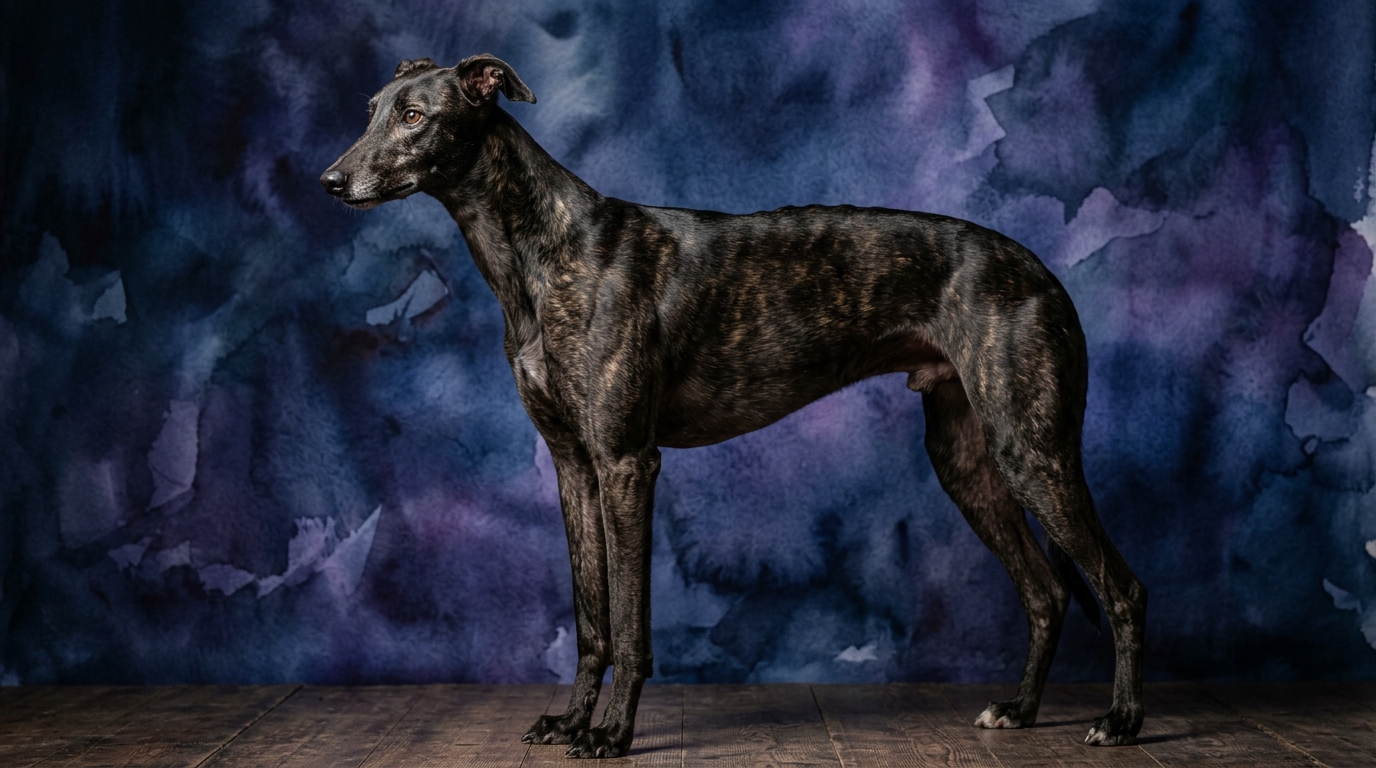
The Greyhound's cognitive profile showcases a profound specialization, particularly in its Instinctive Drive, which stands at an unparalleled 5 out of 5. This isn't just a high score; it's a defining characteristic that shapes their entire being. Their minds are finely tuned for the pursuit of movement, making them exceptional sighthounds. This intense drive translates into an almost laser-like focus when a target is in motion, allowing them to process visual stimuli and react with incredible speed and precision. While this means a strong prey drive, it also signifies a deep, intrinsic motivation that can be harnessed for specific activities like lure coursing, where their natural talent shines.
This superior instinctive drive also contributes to their efficiency in their historical role. Their cognitive architecture prioritizes rapid visual processing and immediate physical response over complex problem-solving in a non-hunting context. While their Problem Solving and Memory scores are moderate (both 3/5), their unparalleled drive means they excel at tasks directly related to their primal hunting purpose. This singular focus on instinct, combined with their athletic build, makes them unmatched in short-burst speed and pursuit, a cognitive strength that underpins their entire breed identity.
Furthermore, the Greyhound's placement on the Coren ranking at #46, while not directly an IQ dimension, suggests a certain level of working and obedience intelligence relative to many other breeds. This implies they are capable of learning and following commands, even if their Training Speed (2/5) indicates it takes more patience. This ranking often reflects a breed's ability to consistently perform learned tasks and respond to human direction, a testament to their underlying cognitive capacity despite their independent streak.
Where the Harrier Shines Cognitively
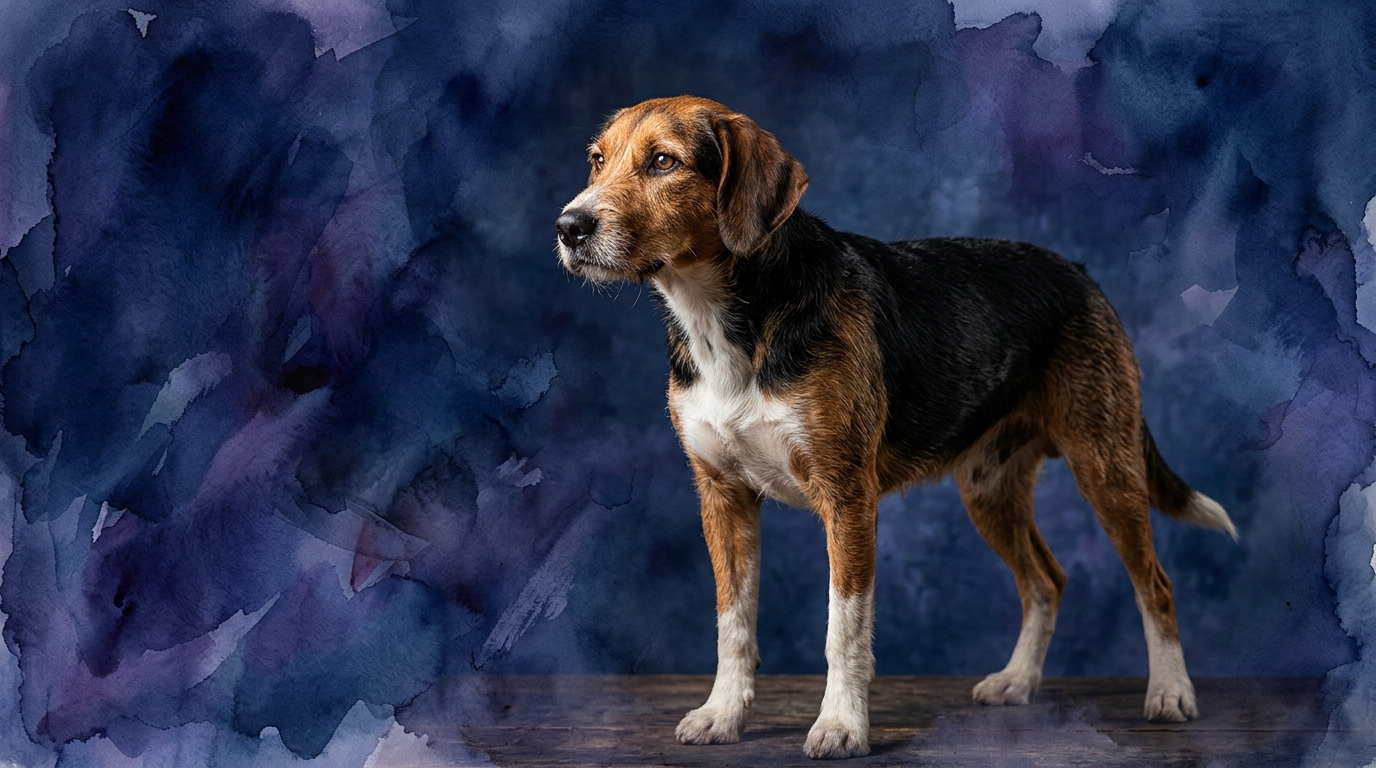
The Harrier's cognitive strengths lie in a more balanced and adaptable intelligence, particularly evident in their Training Speed, which scores 3 out of 5 compared to the Greyhound's 2 out of 5. This seemingly small difference translates into a more receptive and often less challenging training experience. Harriers tend to grasp new commands and routines with greater alacrity, making them potentially more rewarding for owners who prioritize quicker learning curves in obedience or trick training. Their moderate instinctive drive (3/5) also plays a role here; while they possess a hound's nose, it doesn't typically override their focus on their handler to the same extent as a Greyhound's sight drive might.
This improved training speed, combined with their consistent scores of 3/5 in Problem Solving, Social Intelligence, and Memory, paints a picture of a well-rounded and versatile hound mind. Harriers are capable of figuring out moderate challenges, remembering what they've learned, and engaging socially, all while being generally more amenable to instruction. Their cognitive profile suggests a dog that is less specialized than the Greyhound, making them potentially more adaptable to a wider range of activities and living situations where a strong, singular drive might be a hindrance. They retain their hound instincts but can more readily integrate human-directed tasks into their behavioral repertoire.
The Harrier's cognitive balance allows for a different kind of working intelligence. While not Coren-ranked, their history as pack hounds for hunting hares speaks to a cooperative intelligence, where individual dogs must work together and respond to human direction over extended periods. This requires sustained focus, good memory for scent trails, and an ability to integrate into a larger group dynamic, all subtle cognitive strengths that contribute to their well-rounded profile and make them quicker to train in a consistent home environment.
Which is Easier to Train and Why
Based on their IQ profiles, the Harrier is generally considered easier to train than the Greyhound. This distinction primarily stems from their respective Training Speed scores: the Harrier at 3 out of 5, and the Greyhound at 2 out of 5. A higher training speed means the Harrier typically forms associations between commands and actions more quickly, requires fewer repetitions, and is often more eager to comply during training sessions. This doesn't imply a lack of intelligence in the Greyhound, but rather a difference in their intrinsic motivation and response to instruction.
Real behavioral differences underscore this. Greyhounds possess an exceptionally high Instinctive Drive (5/5), which, while magnificent in a chase, can translate into a strong independent streak during training. Their minds are profoundly wired for sight-based pursuit, and when that instinct kicks in, it can override learned commands, making consistent obedience a greater challenge. They are capable of learning, as their Problem Solving and Memory scores of 3/5 confirm, but their willingness to perform on command can be influenced by external stimuli or their own strong internal motivations. Training a Greyhound often requires immense patience, positive reinforcement, and a deep understanding of their sighthound nature to channel their drive appropriately.
In contrast, the Harrier's moderate Instinctive Drive (3/5) allows for a more focused and less distraction-prone training environment. While they are still hounds with a keen sense of smell, their drive is not as overwhelmingly singular as the Greyhound's. This, combined with their slightly quicker Training Speed, means they are often more amenable to learning basic obedience and even more complex tasks. They are still independent-minded hounds, but their cognitive balance makes them generally more responsive to their human's guidance and less likely to be completely consumed by an instinctual urge during a lesson. Their history as pack hunters also suggests a predisposition towards cooperative work, which can aid in their trainability.
Which Suits Active Owners vs. Relaxed Owners
The choice between a Greyhound and a Harrier significantly depends on an owner's lifestyle and their capacity for managing specific canine needs. For owners who are genuinely active and seek a companion for sustained outdoor adventures, the Harrier often presents a more fitting match. With their moderate Instinctive Drive (3/5) and history as robust pack hunters, Harriers possess the stamina and desire for extended periods of physical activity. They thrive on long walks, jogs, and opportunities to follow interesting scents, making them ideal partners for hiking, trail running, or even canine sports that require endurance. Their balanced cognitive profile means they can engage in these activities while also being receptive to direction, though their hound nose can always lead them astray.
Conversely, for owners who appreciate a more relaxed home environment, the Greyhound frequently emerges as the preferred choice, despite their incredible speed. Often described as '45 mph couch potatoes,' Greyhounds have an Instinctive Drive (5/5) that manifests in short, explosive bursts of energy rather than prolonged endurance. After a vigorous sprint, they are typically content to relax for hours, making them excellent companions for apartment living or homes where quiet downtime is valued. Their lower Training Speed (2/5) and strong prey drive mean that while they need daily opportunities to run safely, their cognitive needs often lean towards mental stimulation and comfortable resting, rather than constant, demanding physical exertion or complex training regimens.
However, 'relaxed' for a Greyhound owner doesn't mean 'inactive.' They still require secure, fenced areas for their essential sprints and careful management of their keen sight-hunting instinct. Their social intelligence (3/5) allows them to bond closely, but their independence and moderate problem-solving (3/5) mean they appreciate a predictable routine and a peaceful home. The Harrier, while quicker to train and more enduring, requires an owner prepared to consistently engage their active minds and bodies, providing outlets for their scent-driven curiosity and robust energy levels. An owner's definition of 'active' or 'relaxed' must align with these distinct breed temperaments and cognitive predispositions.
The Verdict
Choose a Greyhound if you appreciate a profound, specialized hunting instinct, value a calm, quiet companion indoors after their essential sprints, and are prepared for a patient, consistent approach to training their independent spirit.
Opt for a Harrier if you desire a more adaptable, slightly quicker-to-train hound with sustained energy for active adventures, and are ready to engage their balanced instincts and cooperative nature.
🧠 Find Your Pet's IQ Score
Our Pet IQ Lab assessment covers 25+ tests across 5 cognitive dimensions — personalized to your breed.
Take the Full IQ Test →Frequently Asked Questions
Is a Greyhound difficult to train?
While Greyhounds are capable of learning, their Training Speed is rated 2 out of 5, indicating they take more time and patience. Their exceptionally strong Instinctive Drive (5/5) can also make them easily distracted by moving objects, requiring consistent, positive reinforcement and an understanding of their sighthound nature.
Do Harriers require a lot of exercise?
Yes, Harriers are active hounds with a moderate Instinctive Drive (3/5) and a history of sustained hunting. They thrive on regular, vigorous exercise, including long walks, jogs, or opportunities to run in a secure area, to keep their minds and bodies stimulated.
Which breed is better with other pets?
The Greyhound's very high Instinctive Drive (5/5) means they often have a strong prey drive, particularly towards small, fast-moving animals, requiring careful introductions and supervision with other pets. Harriers, with a moderate Instinctive Drive (3/5) and a pack history, can often integrate better with other dogs, but their hound instincts still necessitate caution around smaller, non-canine pets.