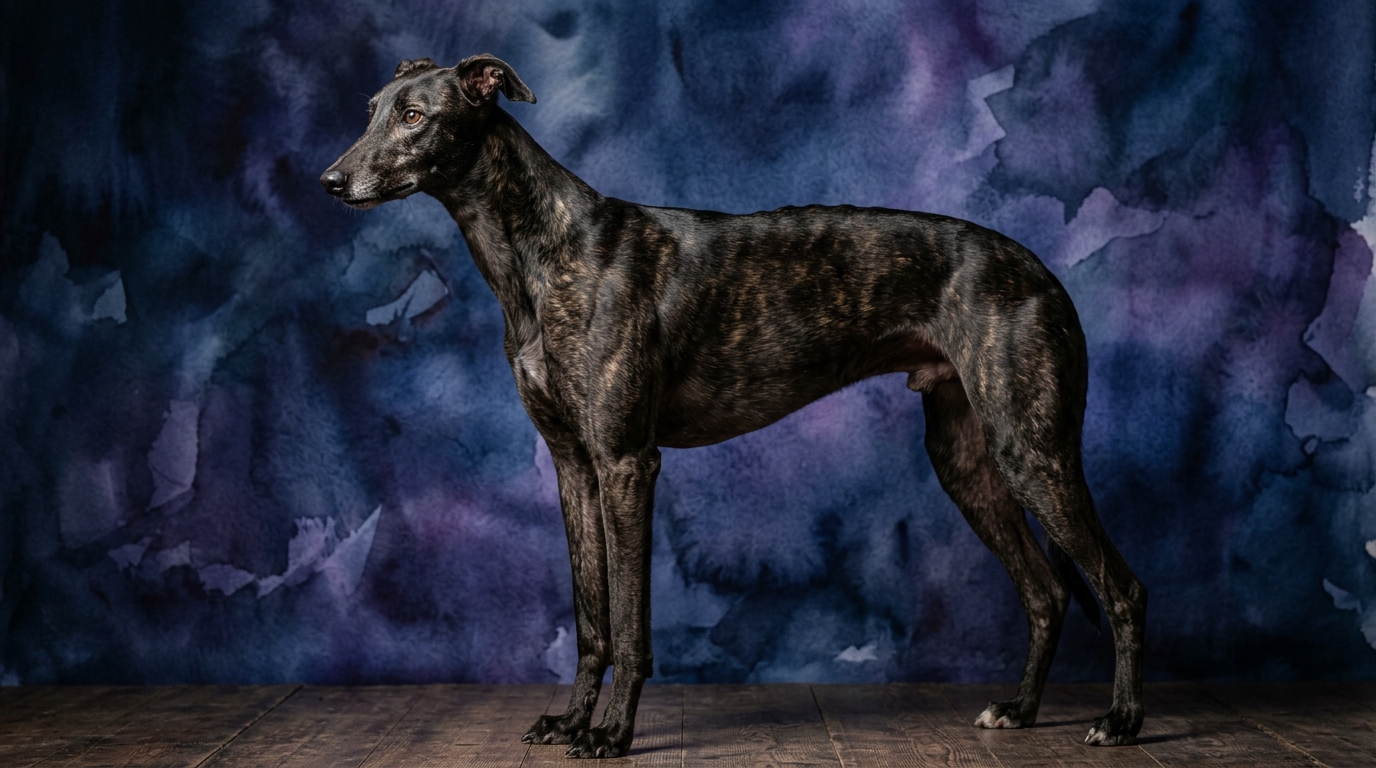
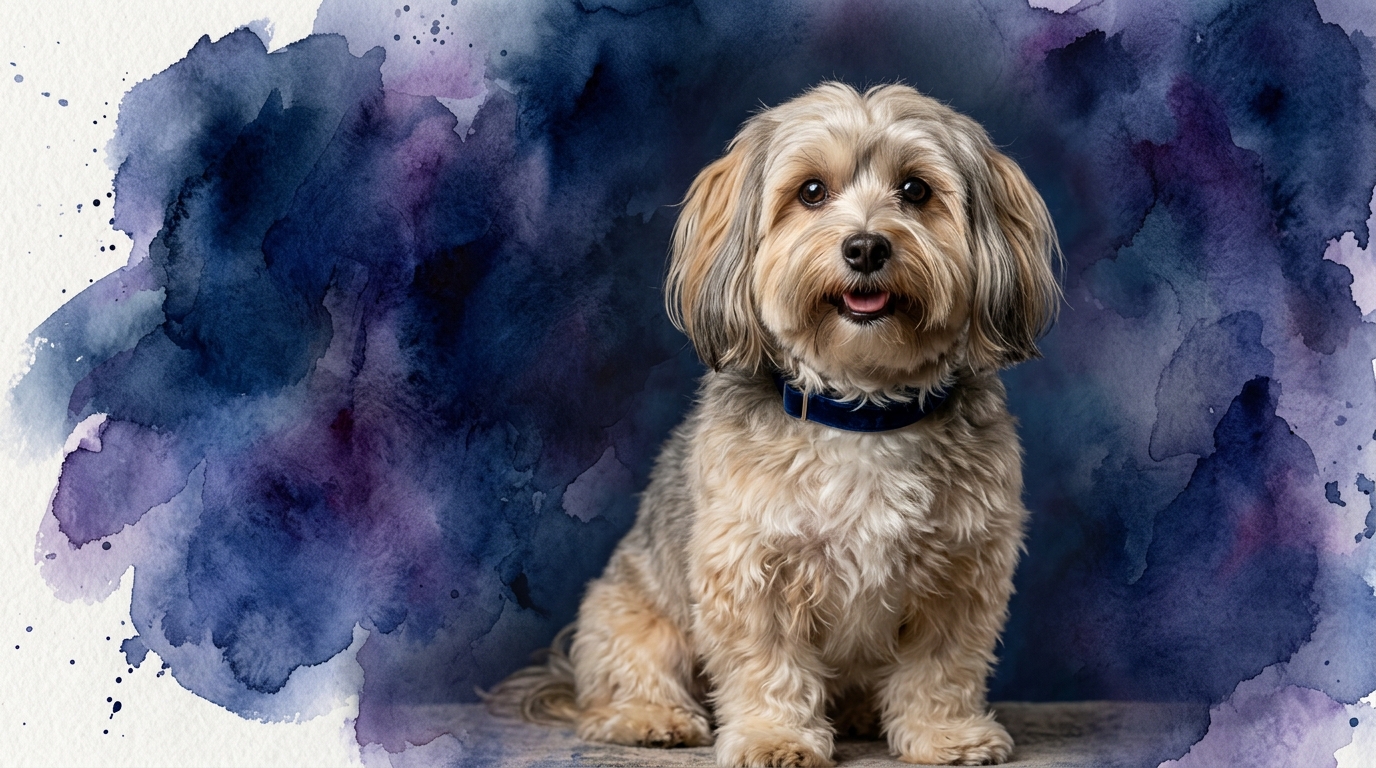
Side-by-Side IQ Profile: Greyhound vs. Havanese
The Greyhound, a breed often celebrated for its speed, presents a cognitive profile shaped by its hunting heritage. Its Problem Solving is rated 3/5, indicating an ability to navigate complex environments and strategize during pursuit, though not typically in abstract tasks. Training Speed stands at 2/5, reflecting an independent nature that can make conventional obedience training require more patience and tailored motivation. Social Intelligence for the Greyhound is 3/5; while capable of forming bonds, they often exhibit a more reserved and less overtly demonstrative social style compared to many breeds. Their Instinctive Drive is a commanding 5/5, primarily focused on chase and prey drive, which dictates much of their decision-making in stimulating environments. Memory is rated 3/5, suggesting a functional recall for routines and learned tasks, but perhaps not an exceptional capacity for intricate sequences.
In contrast, the Havanese, a beloved toy breed, offers a different intellectual landscape, though not Coren-ranked. Their Problem Solving is also 3/5, often manifesting in clever ways to gain attention or manipulate situations within a domestic setting rather than outdoor challenges. Training Speed is 3/5, indicating a generally cooperative nature and willingness to learn new commands when properly motivated. The Havanese truly shines in Social Intelligence, scoring an impressive 5/5; they are exceptionally attuned to human emotions and social cues, thriving on interaction and connection. Their Instinctive Drive is a moderate 2/5, with less emphasis on hunting or territorial behaviors and more on companionship. Memory for the Havanese is 3/5, allowing them to remember routines, people, and learned commands effectively.
Where the Greyhound Wins Cognitively
The Greyhound's cognitive strengths are deeply rooted in its evolutionary role as a sighthound, excelling in tasks demanding rapid processing of visual stimuli and instantaneous decision-making in dynamic environments. Their 5/5 Instinctive Drive fuels a superior ability to identify, track, and pursue moving objects with singular focus. This isn't merely physical speed; it involves sophisticated spatial reasoning to calculate trajectories, anticipate evasive maneuvers, and navigate obstacles at high velocity. In scenarios requiring independent action and swift, self-directed problem-solving related to pursuit – like navigating an open field to intercept a lure – the Greyhound's mind is uniquely adapted to excel. Their problem-solving capacity, while not always applied to abstract puzzles, is formidable when channeled towards their innate drive, making them masters of the chase and highly effective at tasks requiring quick, decisive action in pursuit of a goal.
Where the Havanese Wins Cognitively
The Havanese's cognitive prowess shines brightest in the realm of social interaction and adaptability, driven by its exceptional 5/5 Social Intelligence. This breed demonstrates an uncanny ability to read and respond to human emotions, subtle body language, and vocal inflections, making them incredibly perceptive companions. Their problem-solving, rated 3/5, often manifests in socially intelligent ways, such as figuring out how to elicit affection, initiate play, or adapt their behavior to different household members or social situations. This acute social awareness allows them to navigate complex human social dynamics with ease, adjusting their demeanor to suit various environments, from a bustling park to a quiet home. Their slightly higher Training Speed (3/5 vs. Greyhound's 2/5) is often amplified by this social intelligence, as they are more intrinsically motivated by pleasing their human companions and maintaining harmony within their social group. They excel at learning complex social routines and understanding nuanced communication, making them highly responsive and engaging partners in daily life.
Which is Easier to Train and Why?
When considering ease of training, the Havanese generally presents a more straightforward experience for the average owner due to its superior social intelligence and slightly higher training speed. Havanese dogs are typically eager to please their human companions, responding well to positive reinforcement and praise. Their strong desire for social connection means they are attentive to their owner's cues and actively seek to understand expectations. Behavioral differences are clear: a Havanese is more likely to maintain eye contact and focus on its handler during training sessions, making recall reliable even in distracting environments, as their primary drive is often to remain close to their human. This makes them highly adaptable to various training methods and suitable for a wide range of obedience and trick training.
The Greyhound, with its 2/5 Training Speed and powerful 5/5 Instinctive Drive, requires a more specific and patient approach. While capable of learning, their independent nature means they are less motivated by mere approval and can be easily distracted by visual stimuli or the urge to chase. A Greyhound might perfectly execute a 'stay' command indoors but bolt after a squirrel the moment it's off-leash, demonstrating their prioritization of instinct over learned obedience in certain contexts. Training success with a Greyhound often hinges on finding high-value motivators that compete with their chase drive and employing consistent, short, engaging sessions. While they can achieve high levels of obedience, it often demands a deeper understanding of their unique motivations and a greater tolerance for their selective listening, especially when their prey drive is activated. Therefore, for most owners seeking a readily compliant companion, the Havanese will prove easier to train.
Which Suits Active Owners vs. Relaxed Owners?
The Greyhound, despite its racing heritage, often surprises new owners with its '45 mph couch potato' reputation, making it suitable for owners who appreciate bursts of activity followed by long periods of rest. An active owner for a Greyhound is one who understands their need for short, intense running sessions in a secure, fenced area, allowing them to fully express their 5/5 Instinctive Drive. This type of owner might enjoy daily walks or hikes but crucially provides opportunities for proper sprinting. After their exercise, Greyhounds are typically calm and quiet indoors, fitting well with owners who enjoy a relaxed home environment but are committed to providing specific outlets for their breed's unique energy. They are not typically suited for continuous, long-distance endurance activities but thrive with dedicated periods of high-intensity play.
The Havanese, with its moderate energy levels and profound social intelligence, is an excellent match for owners who desire a highly interactive and adaptable companion for various activities, both active and relaxed. They enjoy shorter walks, play sessions, and mental enrichment games, but their primary need is companionship and engagement, making them less demanding in terms of strenuous physical exercise. A Havanese will happily join an owner for a leisurely stroll, a visit to a coffee shop, or simply cuddling on the couch. Their adaptability means they can thrive with either a moderately active owner who enjoys daily walks and play, or a more relaxed owner who prioritizes indoor games, training, and constant interaction. They are particularly well-suited for owners who want a dog that is consistently by their side, participating in all aspects of family life, and who can provide ample social interaction and mental stimulation through companionship and gentle training.
The Verdict
Choose a Greyhound if you value an independent companion with a powerful athletic drive, and you can provide secure spaces for exhilarating sprints balanced with a calm, quiet home life.
Choose a Havanese if you seek a highly social, adaptable, and emotionally intelligent companion eager to participate in daily activities and thrive on close human interaction.
🧠 Find Your Pet's IQ Score
Our Pet IQ Lab assessment covers 25+ tests across 5 cognitive dimensions — personalized to your breed.
Take the Full IQ Test →Frequently Asked Questions
Do Greyhounds need a lot of exercise daily?
Greyhounds need specific types of exercise rather than constant activity. They require at least one or two opportunities each day for short, intense sprints in a safely enclosed area, which allows them to fulfill their instinctive drive. Beyond these bursts, they are content with moderate walks and prefer to relax indoors.
Are Havanese good with children and other pets?
Yes, Havanese are generally excellent with children and other pets due to their high social intelligence and adaptable nature. They enjoy being part of family activities and typically interact gently, making them suitable companions for a variety of households, provided they are properly socialized from a young age.
Can a Greyhound live in an apartment?
Despite their size, Greyhounds can adapt well to apartment living because of their calm indoor demeanor and preference for resting. The key is ensuring they still receive their essential outdoor sprint opportunities in a secure area, as well as regular leash walks, to satisfy their physical and mental needs.