Side-by-Side Cognitive Profiles
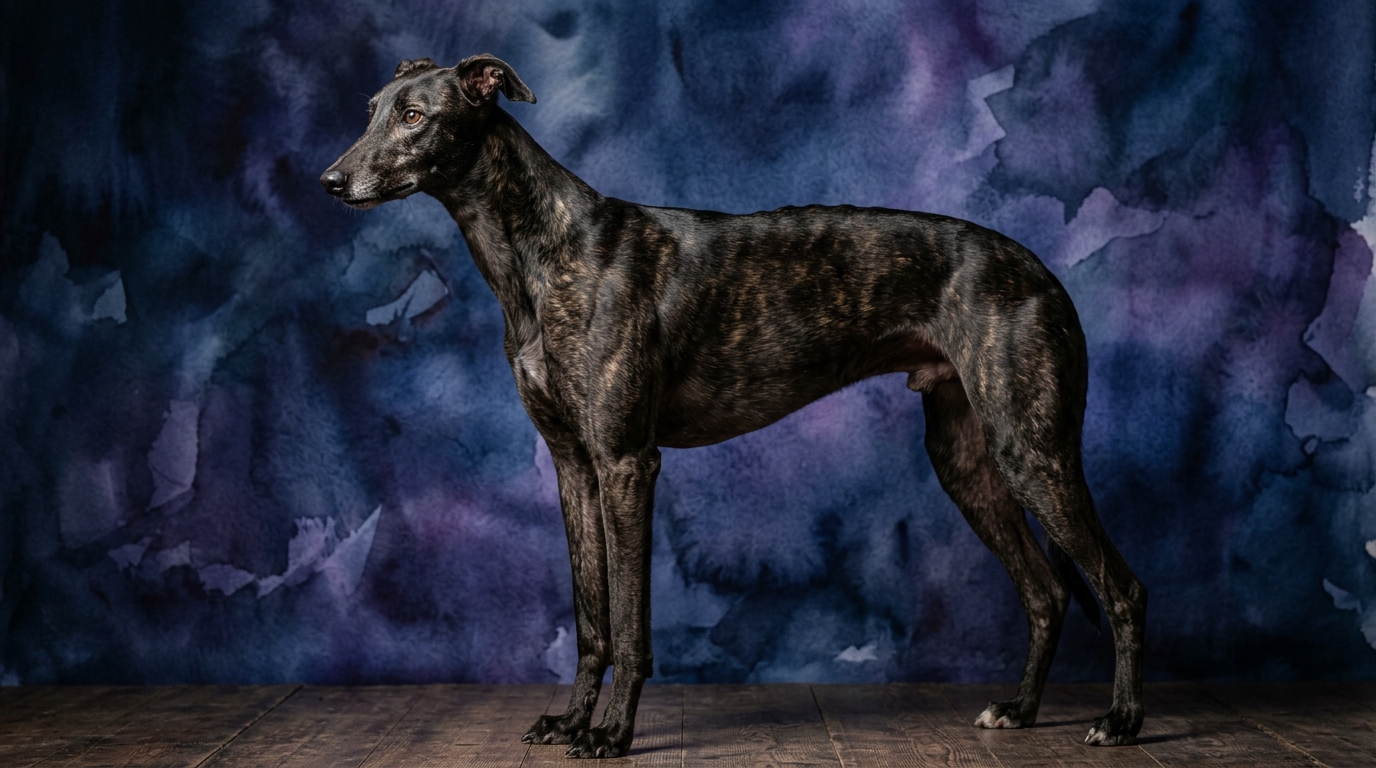
The Cosmic Pet Pet IQ Lab framework illuminates the distinct mental architectures of the Greyhound and the Icelandic Sheepdog. The Greyhound, a breed celebrated for its speed, exhibits a Problem Solving score of 3 out of 5, indicating a moderate capacity for navigating new challenges. Its Training Speed is 2 out of 5, suggesting a more deliberate pace for acquiring commands, often demanding consistent methods. Social Intelligence stands at 3 out of 5, reflecting an adequate understanding of human cues, though they are often independent. Crucially, its Instinctive Drive is an exceptional 5 out of 5, a testament to its formidable prey drive and urge to chase. Memory is rated 3 out of 5, showing a reliable recall of learned behaviors.
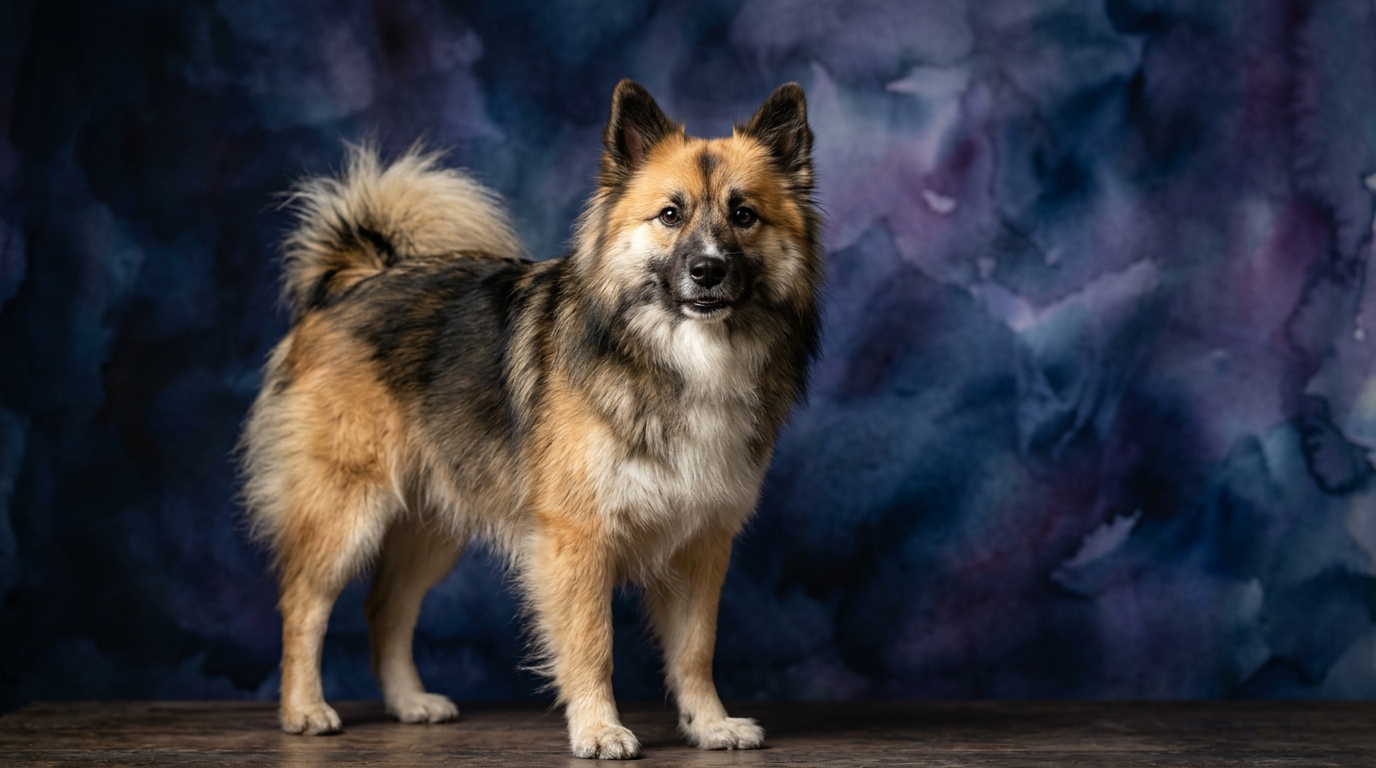
Conversely, the Icelandic Sheepdog, a resilient herding breed, presents a distinct yet equally functional cognitive blueprint. Like the Greyhound, its Problem Solving ability is 3 out of 5, demonstrating similar practical aptitude. However, the Icelandic Sheepdog truly shines in Training Speed, scoring 3 out of 5, suggesting greater eagerness and quicker comprehension of new commands. Their Social Intelligence also sits at 3 out of 5, aligning with their cooperative working history. The Instinctive Drive for the Icelandic Sheepdog is 3 out of 5, a strong yet manageable herding instinct focused on gathering rather than intense pursuit. Their Memory, like the Greyhound's, is rated 3 out of 5, vital for retaining information relevant to their duties and routines.
Where the Greyhound Excels Cognitively
The Greyhound's primary cognitive triumph lies in its unparalleled Instinctive Drive, rated a perfect 5 out of 5. This isn't just about raw speed; it's a finely tuned mental system for detecting movement, assessing distance, and executing precise, high-speed pursuit. Their brains are acutely wired to process visual stimuli related to potential prey, allowing for lightning-fast reactions that bypass extensive deliberation. This cognitive specialization means they excel in tasks that leverage their predatory sequence, whether it’s coursing games or competitive lure coursing. While their problem-solving score is moderate, within the context of their core drive, their cognitive processing for chase-related challenges is remarkably sophisticated. They are masters of immediate, instinct-driven pursuit, demonstrating a level of focus and execution in this domain that few other breeds can match, showcasing a deep cognitive commitment to their primary ancestral function.
Where the Icelandic Sheepdog Excels Cognitively
The Icelandic Sheepdog demonstrates a cognitive edge primarily in its balanced and adaptable Training Speed, scoring 3 out of 5, and its manageable Instinctive Drive, also 3 out of 5. While their problem-solving ability matches the Greyhound, their greater willingness to engage in structured learning makes them more versatile in acquiring a wide range of commands and behaviors. This breed's cognitive strengths are rooted in its history as a cooperative herding dog; their minds are adept at understanding and responding to human direction, crucial for working closely with shepherds. Their instinctive drive, geared towards gathering and controlling rather than raw chase, allows for a more flexible application in various domestic roles. This means their cognitive energy is less singularly focused on one intense drive, enabling them to adapt more readily to diverse tasks and social learning environments. They excel at processing and retaining information relevant to collaboration, making them amenable to varied training regimens and social cues.
Training Receptiveness: Greyhound vs. Icelandic Sheepdog
The Icelandic Sheepdog generally offers a more straightforward training path, scoring 3/5 in Training Speed compared to the Greyhound's 2/5. This advantage stems from their history as cooperative herding dogs, fostering a cognitive predisposition towards attentiveness and responsiveness to human direction. They are typically quicker to grasp new concepts and more eager to engage in structured learning, with their herding instinct often redirecting into constructive activities like agility.
The Greyhound, conversely, requires a more patient and nuanced approach. Its independent nature and intense instinctive drive (5/5) mean its primary motivation is the chase, not necessarily human approval. Training often involves making desired behaviors intrinsically rewarding or linking them to their natural drives in controlled settings. Their cognitive architecture prioritizes self-preservation and pursuit, meaning trainers must adapt methods to suit their unique psychology, understanding that immediate compliance may not be their first inclination.
Matching Breeds to Owner Lifestyles
The Greyhound, despite its athletic prowess, often earns the moniker "45 mph couch potato." It suits relaxed owners who appreciate quiet companionship, provided they can offer safe, intense bursts of activity in a securely fenced area. Their cognitive needs are met through these high-energy sprints satisfying their instinctive drive, followed by long periods of rest. Owners seeking serene company, understanding the specific outlets for predatory instincts without demanding constant engagement, will find a Greyhound rewarding.
Conversely, the Icelandic Sheepdog thrives with truly active owners who relish consistent engagement and mental stimulation. While their physical exercise isn't as explosive, they require regular, varied activity that challenges both body and mind. Their moderate instinctive drive and higher training speed mean they flourish with "jobs," from dog sports to trick training. They demand ongoing interaction and a sense of purpose, making them ideal for owners enjoying hiking, long walks, and structured training that engages their dog's intellect and cooperative spirit daily.
The Verdict
Choose the Greyhound if you appreciate an independent spirit, can provide safe outlets for intense, short bursts of chase, and desire a calm, affectionate companion for the majority of the day.
Opt for the Icelandic Sheepdog if you are an active owner who enjoys consistent mental and physical engagement, thrives on cooperative training, and wants a responsive, purposeful companion eager to participate in daily activities.
🧠 Find Your Pet's IQ Score
Our Pet IQ Lab assessment covers 25+ tests across 5 cognitive dimensions — personalized to your breed.
Take the Full IQ Test →Frequently Asked Questions
Does a Greyhound's high instinctive drive make them difficult to live with?
A Greyhound's 5/5 instinctive drive means they possess a strong urge to chase, which requires careful management, especially around small, fast-moving animals. However, with secure fencing and appropriate outlets like lure coursing, they can be calm and affectionate companions indoors, often becoming "45 mph couch potatoes."
Is the Icelandic Sheepdog's herding instinct problematic for families with children?
The Icelandic Sheepdog's 3/5 instinctive drive manifests as a desire to gather and control, which can sometimes lead to gentle "herding" behaviors with children or other pets. Early socialization and consistent training can effectively channel this instinct, teaching them appropriate interactions within a family setting.
How do the problem-solving abilities of these two breeds compare in practical terms?
Both breeds score 3/5 in problem-solving, indicating a moderate capacity for navigating practical challenges. A Greyhound might excel at figuring out the fastest route to a perceived chase object, while an Icelandic Sheepdog might apply its problem-solving to managing a group of animals or figuring out a new training exercise.