Side-by-Side IQ Profile: A Deeper Look
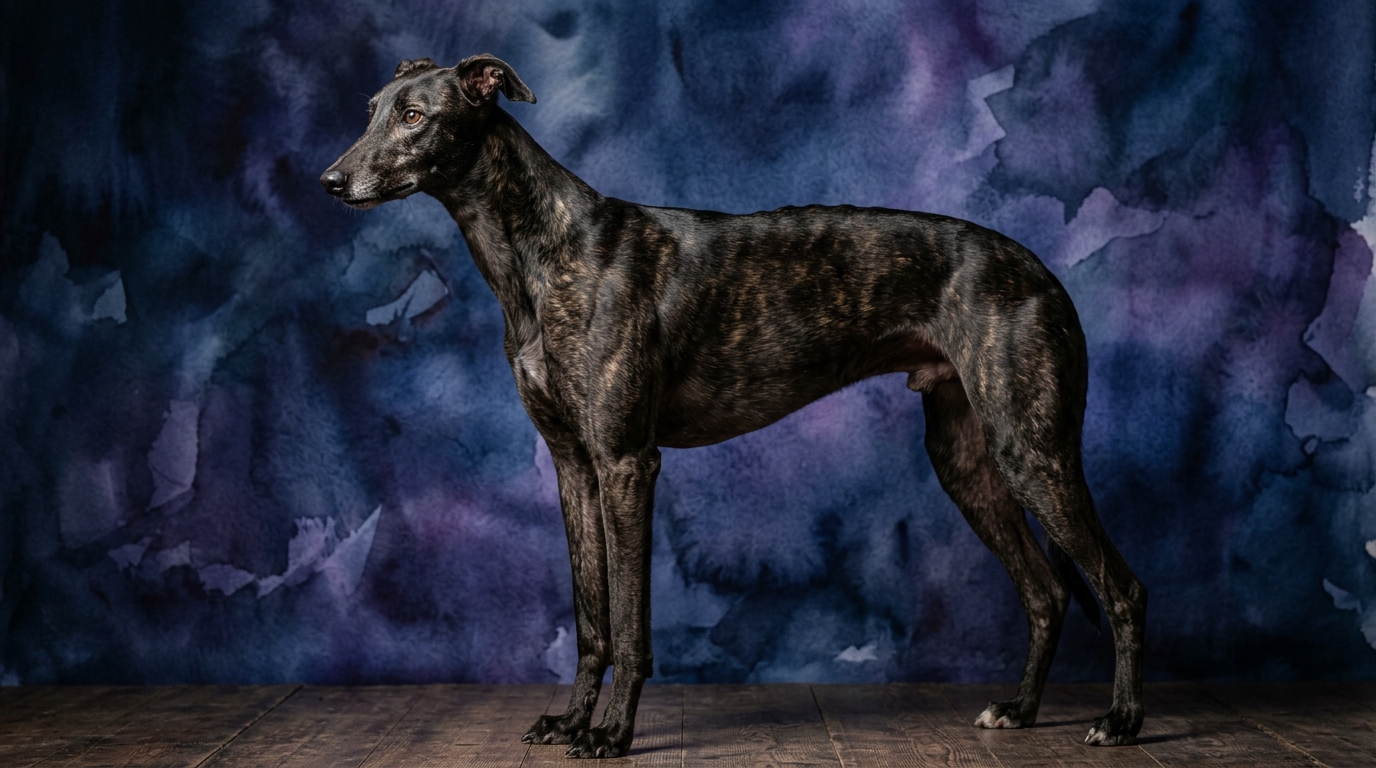
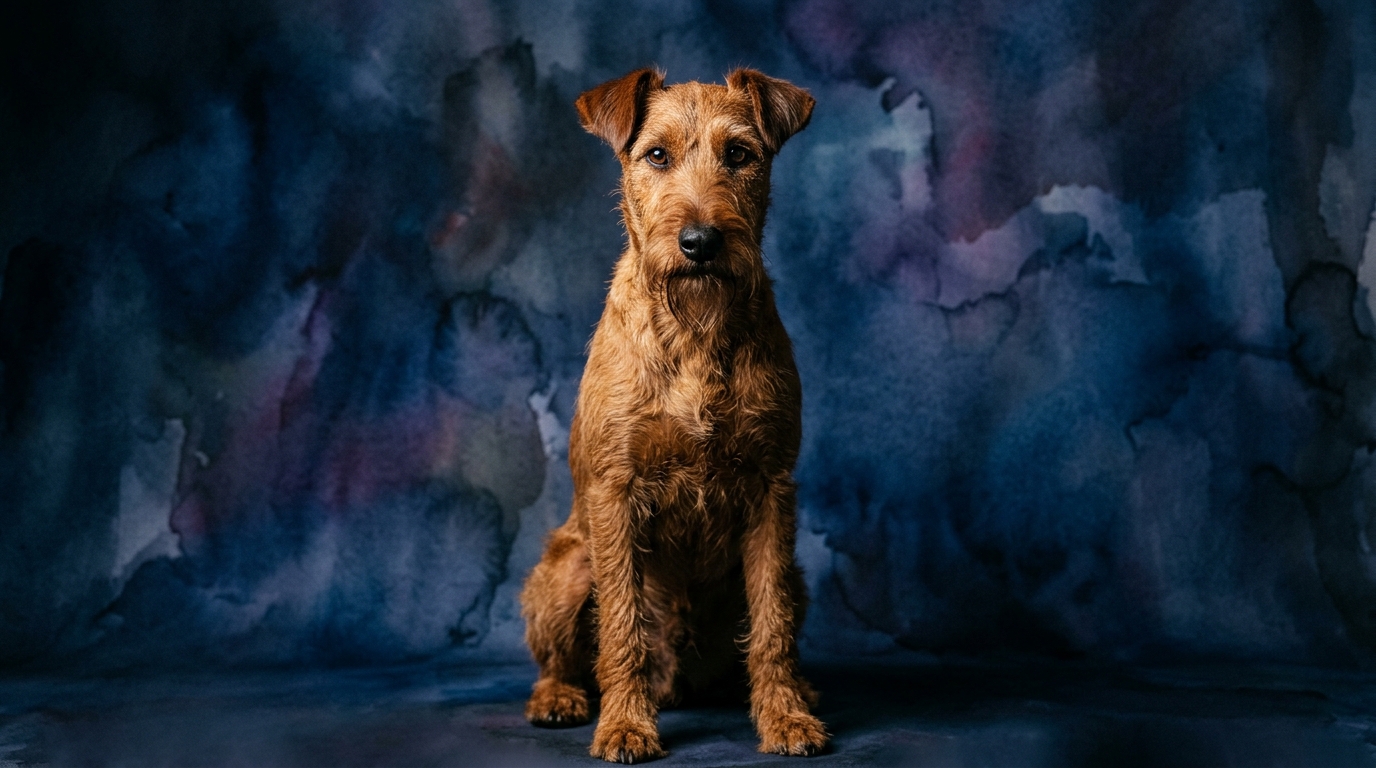
At The Cosmic Pet Pet IQ Lab, we break down canine cognition into five key dimensions to offer a nuanced understanding of each breed's mental strengths. For the Greyhound, a sighthound ranked #46 by Coren, and the Irish Terrier, a terrier without a specific Coren ranking, these dimensions paint a clear picture of their cognitive styles. Both breeds register a Problem Solving score of 3/5, indicating they possess a functional capacity to navigate challenges and figure out new situations, though neither is a master strategist in complex puzzles. They can learn to open gates or retrieve hidden items, but advanced, multi-step problem-solving might require more guidance.
Training Speed is where a notable divergence appears: the Greyhound scores 2/5, while the Irish Terrier achieves 3/5. This suggests the Irish Terrier generally grasps new commands and routines with fewer repetitions than the Greyhound, which may require more consistent, patient instruction to embed new behaviors. Social Intelligence is a shared trait at 3/5 for both, meaning they are adept at reading human and canine cues and can adapt their behavior accordingly, though they might not exhibit the extreme empathy or manipulative charm sometimes seen in other breeds. They understand social hierarchies and basic communication well.
The most significant difference lies in Instinctive Drive: the Greyhound commands a powerful 5/5, while the Irish Terrier holds a solid 3/5. The Greyhound's score reflects its extremely powerful urge to chase anything that moves, a deeply ingrained predatory instinct honed over centuries. In contrast, the Irish Terrier's 3/5 indicates a healthy, but more manageable, drive for hunting and engagement, typical of a terrier, which can be channeled through play and structured activities. Finally, both breeds share a Memory score of 3/5, meaning they retain learned commands, routines, and experiences well enough for daily life, but are not noted for exceptional, long-term recall of minute details or single-exposure learning.
Where the Greyhound Excels Cognitively
The Greyhound's primary cognitive strength manifests powerfully in its Instinctive Drive, achieving an unparalleled 5/5. This isn't merely a physical attribute; it's a profound cognitive specialization in visual tracking and pursuit. Their minds are wired for an instantaneous reaction to movement, processing visual stimuli with incredible speed and precision to lock onto a target. This specialized focus allows them to execute complex chase patterns with minimal conscious thought, making them exceptionally efficient at their historical role. While this drive can present training challenges, it's a testament to their highly evolved sensory processing and motor planning for a specific, intense purpose.
Furthermore, the Greyhound's Coren ranking of #46, while not exceptionally high, places it within the realm of 'above average working intelligence' in comparison to the Irish Terrier's unranked status. This suggests that, given appropriate motivation and consistent methodology, Greyhounds possess a capacity for obedience and adaptive learning that allows them to perform tasks and respond to commands reliably. Their problem-solving, though rated 3/5, often manifests in efficient energy conservation indoors, moving only when necessary, and expertly navigating spaces to find the most comfortable resting spot, reflecting a subtle, pragmatic form of environmental optimization.
Where the Irish Terrier Shines Cognitively
The Irish Terrier's cognitive advantages are particularly evident in its Training Speed, scoring 3/5 compared to the Greyhound's 2/5. This indicates a quicker uptake of new commands and routines, suggesting a greater willingness to engage in structured learning and a more direct responsiveness to human instruction. Their terrier nature, while independent, often comes with a desire to work alongside their people, making them generally more receptive to training efforts and capable of building a varied repertoire of behaviors more rapidly. This adaptability is a distinct cognitive asset in a domestic environment.
Additionally, the Irish Terrier's more balanced Instinctive Drive of 3/5 provides a cognitive edge in terms of general trainability and adaptability. While they possess a keen terrier drive, it is less overwhelming than the Greyhound's intense prey instinct. This means their innate urges are less likely to completely override learned behaviors or attention to their handler, allowing for more consistent responses in varied environments. Their problem-solving, also rated 3/5, often involves a more varied approach to novel situations, demonstrating a curious and persistent nature in figuring things out, not solely focused on a single, powerful drive like pursuit.
Training Dynamics: Greyhound vs. Irish Terrier
When it comes to ease of training, the Irish Terrier generally holds an advantage due to its higher Training Speed score of 3/5. They tend to pick up new commands and routines with fewer repetitions, often displaying a spirited eagerness to participate in training sessions. Their cognitive profile suggests they are more consistently engaged with their human counterparts, making them responsive to positive reinforcement and varied training methods. While they still possess the characteristic terrier independence, it’s usually channeled through persistence rather than outright disinterest, making them rewarding partners for consistent and engaging training.
The Greyhound, with a Training Speed score of 2/5, typically requires more patience and repetition. Their independent nature, coupled with a sensitivity to harsh methods, means training must be positive, gentle, and highly rewarding. The most significant behavioral difference affecting training is their extremely high Instinctive Drive (5/5). While a Greyhound can certainly learn commands, the presence of a strong prey stimulus (like a squirrel) can instantly override even well-established recall, making off-leash reliability in unsecured areas a profound challenge. They often learn what benefits them directly and may exhibit selective hearing if a more compelling instinct takes over, demanding a deep understanding of their unique motivations from their trainer.
Matching Breeds to Lifestyles: Active vs. Relaxed Owners
For active owners, both breeds can be suitable, but they cater to different types of activity. An owner who enjoys short, intense bursts of speed followed by extended periods of rest might find the Greyhound an ideal companion. These sighthounds thrive on opportunities to sprint in a securely fenced area, unleashing their innate need for speed, but are not built for long-distance endurance running. Their high instinctive drive means owners must be vigilant about secure enclosures and leash protocols during walks. They suit owners who appreciate a powerful, focused athletic display followed by a serene, quiet presence indoors.
The Irish Terrier, on the other hand, suits active owners who prefer consistent, varied engagement. Their moderate instinctive drive and quicker training speed mean they enjoy activities like hiking, agility, or interactive games that challenge both body and mind. They are energetic and resilient, requiring daily mental stimulation alongside physical exertion to prevent boredom and destructive behaviors. They are excellent companions for those who enjoy integrating their dog into a wide range of outdoor adventures and consistent playful interaction. For truly relaxed owners, the Greyhound can be a surprisingly good fit indoors. Despite their athletic prowess, they are often described as '45-mph couch potatoes,' content to lounge for hours after their exercise needs are met. Their low demand for constant mental puzzles and generally calm indoor demeanor makes them excellent companions for those with a more laid-back home life, provided their unique need for safe, intense sprints is met. The Irish Terrier is less suited for truly relaxed owners. Their cognitive profile, marked by a balanced drive and quicker learning, means they require consistent mental engagement and activity to prevent frustration and channel their abundant energy positively. Without sufficient interaction, an Irish Terrier might invent its own 'job,' which could involve digging, barking, or other undesirable behaviors, making them better suited for owners who enjoy consistent, interactive engagement.
The Verdict: When to Choose Each Breed
The Verdict
Choose the Greyhound if you appreciate a quiet, independent companion indoors, are prepared to manage their powerful chase instinct, and can provide safe, intense bursts of exercise in a secure environment.
Opt for the Irish Terrier if you seek a lively, engaging, and quicker-to-train companion who thrives on consistent interaction, varied mental and physical activities, and a more balanced set of innate drives.
🧠 Find Your Pet's IQ Score
Our Pet IQ Lab assessment covers 25+ tests across 5 cognitive dimensions — personalized to your breed.
Take the Full IQ Test →Frequently Asked Questions
Do Greyhounds make good apartment dogs?
Yes, despite their speed, Greyhounds are often surprisingly calm and quiet indoors, making them suitable for apartment living. They require short bursts of intense exercise in a securely fenced area, not continuous outdoor space.
Are Irish Terriers good with children?
With proper socialization and consistent training, Irish Terriers can be wonderful family dogs, known for their loyalty and playful nature. Their energetic disposition and typical terrier tenacity mean supervision is always wise, especially with very young children.
What's the biggest training challenge for a Greyhound?
The most significant training challenge for a Greyhound is often managing their intense prey drive, particularly when attempting off-leash recall. Their instinct to chase a moving target is incredibly powerful and can easily override learned commands in an open environment.