IQ Profile: Greyhound vs. Miniature Bull Terrier
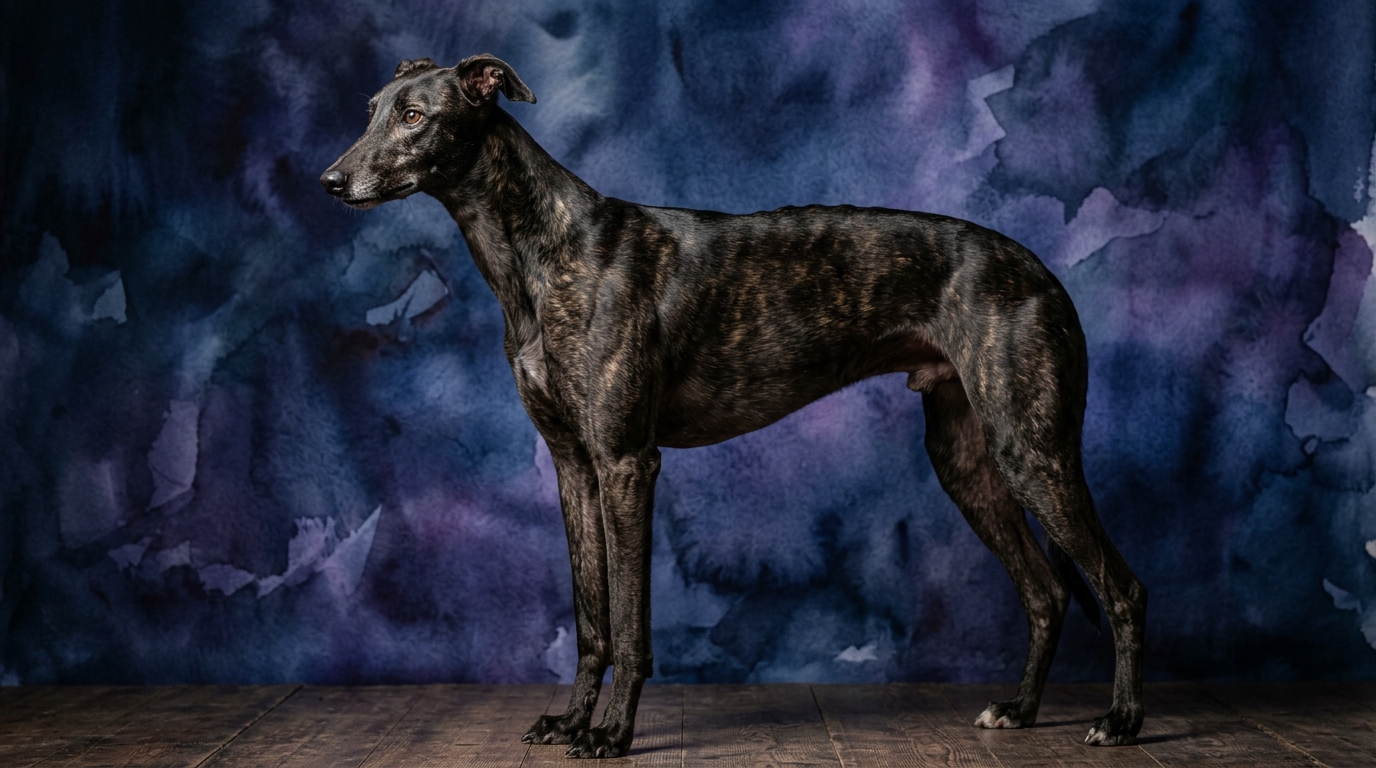
The Greyhound, a sighthound with a Coren rank of #46, exhibits a cognitive profile sculpted by centuries of selective breeding for speed and pursuit. Their problem-solving ability scores 3/5, indicating competence in navigating moderately complex tasks, particularly those involving spatial reasoning or obstacle avoidance during a chase. Training speed is rated 2/5; while not incapable, Greyhounds often require consistent, positive reinforcement, as their independent nature and focus on instinctual drives can sometimes make rapid skill acquisition secondary to their innate desire to run or observe. Social intelligence stands at 3/5, reflecting their generally gentle and observant demeanor, capable of reading human cues and forming strong bonds, though often reserved in larger social settings. Their instinctive drive is a remarkable 5/5, manifesting as an exceptionally powerful prey drive and inherent desire to chase, which profoundly influences much of their behavior. Memory is a solid 3/5, demonstrating reliable recall for routines, familiar people, and learned commands, especially those associated with positive experiences.
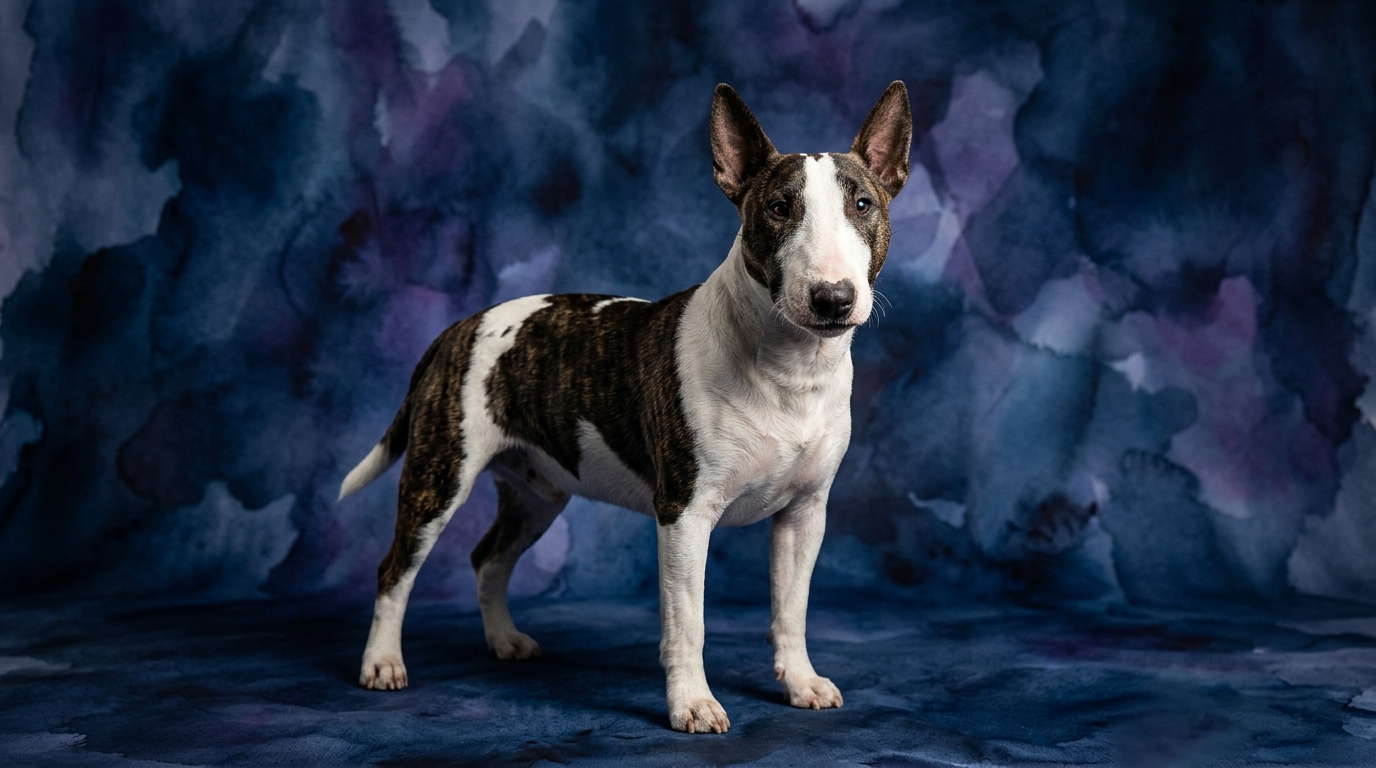
The Miniature Bull Terrier, a tenacious terrier not listed on the Coren ranking, presents a distinct cognitive makeup driven by its spirited and robust heritage. Their problem-solving ability matches the Greyhound at 3/5, but they often approach challenges with more tenacity and a "try harder" attitude, potentially involving more direct, forceful interaction with objects. Training speed scores 3/5, suggesting they can pick up new commands at a fair pace, often motivated by engagement and play; while terrier stubbornness can pose a hurdle, their desire to interact with their owner can facilitate learning. Social intelligence is also 3/5, as they are typically outgoing and enjoy interaction, adept at engaging with people and other animals, though their spirited nature might lead them to push boundaries. Their instinctive drive is 3/5; while possessing a terrier's typical drive for digging, chasing, and engaging with their environment, it is less singularly focused and overwhelming than the Greyhound's, manifesting as a general zest for life and activity. Memory is also 3/5, indicating reliable retention of learned behaviors, routines, and familiar environments, especially when reinforced positively.
Where the Greyhound's Mind Excels
The Greyhound's cognitive prowess shines brightest in its unparalleled instinctive drive, rated a perfect 5/5. This isn't merely a physical attribute; it's a sophisticated cognitive function that allows them to lock onto a moving target, calculate trajectories, and execute a chase with breathtaking efficiency and focus. This specialized cognitive ability makes them exceptional at activities like lure coursing, where their natural instincts are channeled into a structured, safe pursuit. Beyond the chase, their keen observational skills contribute to their problem-solving in spatial contexts, enabling them to navigate complex environments with an economy of movement. Their reserved social intelligence also means they are often highly attuned to subtle environmental changes, making them excellent, calm observers of their surroundings.
Where the Miniature Bull Terrier's Mind Shines
The Miniature Bull Terrier's cognitive strengths become apparent in its slightly higher training speed, scoring 3/5 compared to the Greyhound's 2/5, and its distinct approach to problem-solving. Their tenacity means they often exhibit greater persistence in learning new tasks, willing to try different approaches until they succeed. This isn't just about speed but about their engagement and willingness to actively participate in the learning process. Their social intelligence, while scoring similarly, manifests as a more overtly eager and interactive participant in training, often thriving on the back-and-forth engagement with their owner. This makes them particularly receptive to varied training methods, from obedience to agility, where their robust, spirited nature can be channeled into focused activity.
Trainability: A Tale of Two Temperaments
When considering ease of training, the Miniature Bull Terrier generally holds an advantage for a broader range of commands and activities. Their 3/5 training speed, combined with their eager-to-engage social intelligence and moderate instinctive drives, means they are often more amenable to learning diverse tricks and obedience commands. While they possess the typical terrier stubbornness, their desire for interaction can be effectively leveraged through positive reinforcement and engaging training sessions. Greyhounds, with their 2/5 training speed and powerful 5/5 instinctive drive, require a different approach. They are capable learners, but their independent nature and profound focus on pursuit mean that training is most effective when it respects their inherent desire for speed and observation, rather than trying to suppress it entirely. Commands unrelated to their chase instinct may take more repetition and patience to solidify, as their motivation often lies elsewhere.
Lifestyle Match: Active vs. Relaxed Owners
For owners seeking a relaxed indoor companion, the Greyhound often proves a good fit. Despite their incredible speed, they are often described as '45 mph couch potatoes,' content to lounge for much of the day. They require secure, fenced areas for their instinctual, short bursts of intense running, but their indoor demeanor is typically calm and quiet. Their ideal owner appreciates their gentle, reserved social nature and understands their need for dedicated opportunities to express their powerful chase drive safely. They are not dogs that demand constant mental engagement throughout the day. Conversely, the Miniature Bull Terrier suits active owners who can provide consistent engagement and structured activities. They thrive on interaction, play, and having a 'job' to do, whether it's advanced obedience, agility, or vigorous playtime. Their owner needs to be ready for their spirited energy, tenacious approach to life, and consistent need for both physical and mental stimulation to prevent boredom and channel their zest for life constructively.
The Verdict
Choose the Greyhound if you seek a calm, gentle companion indoors who needs dedicated opportunities for intense, short bursts of running in a secure area, appreciating a more independent, observant canine friend.
Choose the Miniature Bull Terrier if you desire an outgoing, spirited companion who thrives on consistent interaction, varied training, and regular engagement in activities that channel their tenacious energy.
🧠 Find Your Pet's IQ Score
Our Pet IQ Lab assessment covers 25+ tests across 5 cognitive dimensions — personalized to your breed.
Take the Full IQ Test →Frequently Asked Questions
Are Greyhounds truly lazy dogs?
Greyhounds are often described as '45 mph couch potatoes.' They have incredible bursts of speed for short periods but are typically calm and enjoy lounging indoors, making them low-energy house companions for much of the day.
Do Miniature Bull Terriers get along with other pets?
With proper socialization from a young age, Miniature Bull Terriers can coexist peacefully with other pets. However, their terrier instincts mean careful introductions and supervision are always recommended, especially with smaller, prey-like animals.
What kind of mental stimulation do these breeds need?
Greyhounds benefit from lure coursing, puzzle toys that don't require complex manipulation, and consistent routines. Miniature Bull Terriers thrive on obedience training, agility, interactive games, and toys that challenge their tenacious problem-solving.