Side-by-Side IQ Profile: Greyhound vs. Pekingese
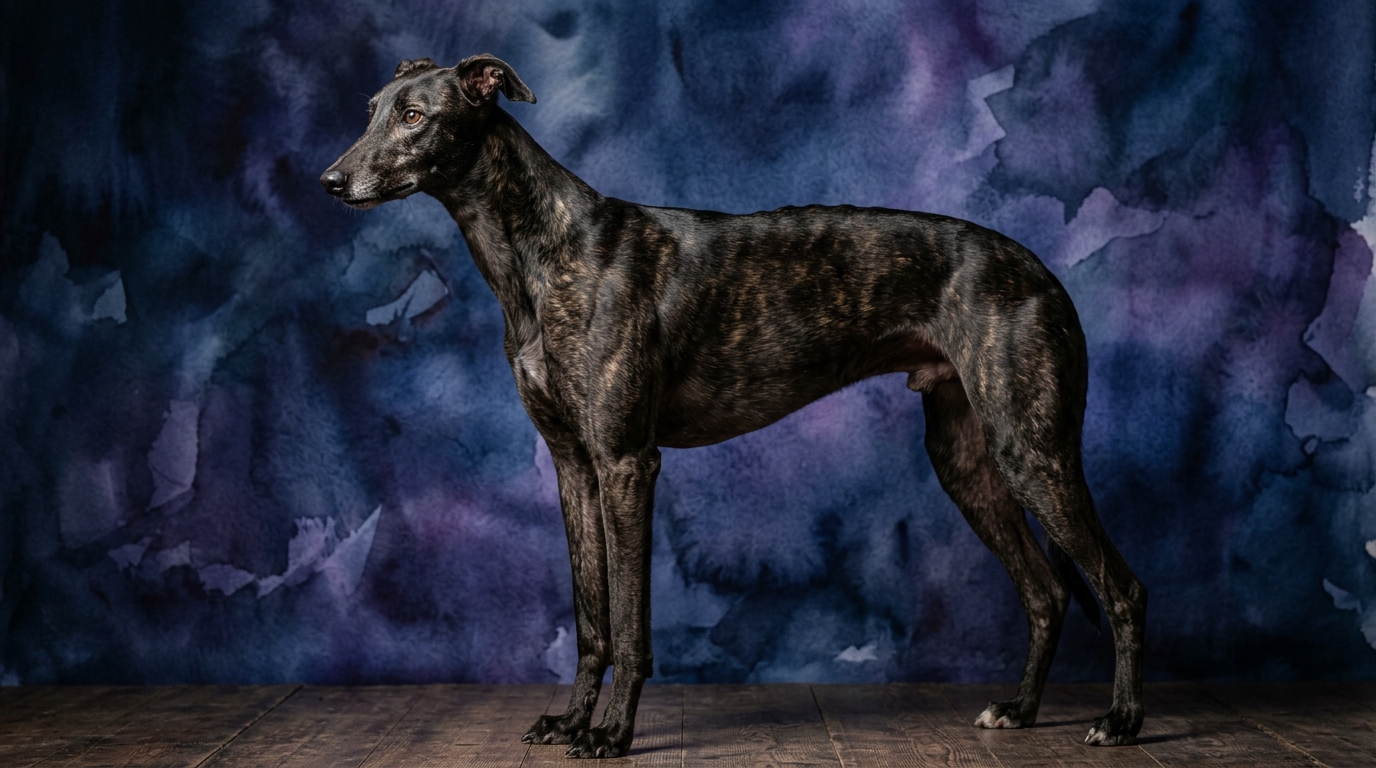
At The Cosmic Pet Pet IQ Lab, we delve beyond surface appearances to understand the unique cognitive landscapes of every breed. For the Greyhound, ranked #46 by Coren, their profile highlights a specific blend of capabilities. Their problem-solving ability scores 3/5, indicating competence in navigating moderately complex situations, often with an emphasis on efficiency and spatial awareness. Training speed is rated 2/5, suggesting that patience and consistent, positive reinforcement are key; they aren't the quickest to internalize new commands, frequently preferring to follow their own independent inclinations. Social intelligence registers 3/5, meaning they competently read human cues and form strong, albeit sometimes reserved, bonds with their chosen family. Their instinctive drive is a formidable 5/5, reflecting a powerful, deeply ingrained urge to chase, a hallmark of their sighthound heritage. Memory scores 3/5, allowing them to retain learned information, routines, and familiar faces adequately.
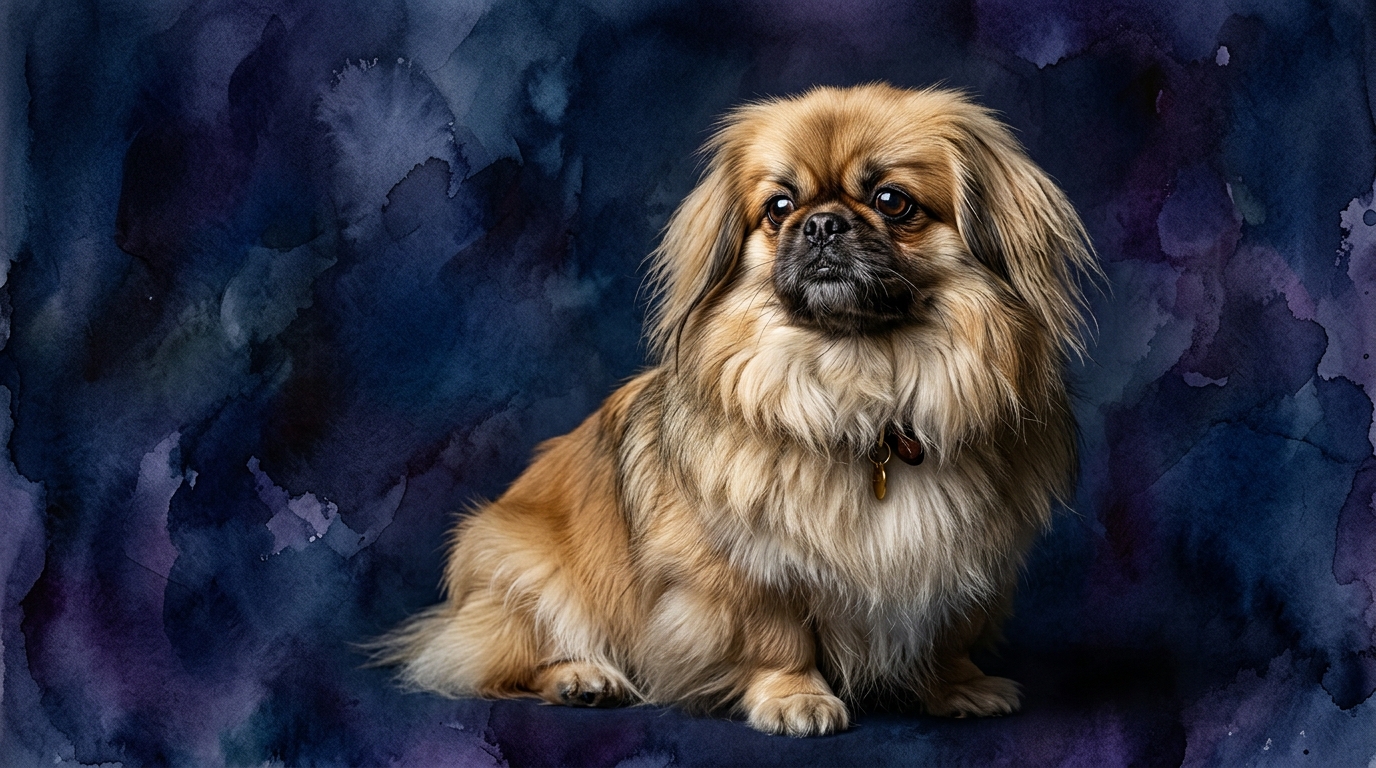
The Pekingese, with a Coren rank of #77, presents a distinct cognitive makeup. Their problem-solving ability also scores 3/5, demonstrating a comparable capacity for moderate challenges, often employing cleverness to secure comfort or attention rather than purely physical solutions. Training speed is rated 3/5, indicating they respond to training at a moderate pace, capable of learning commands with consistent effort, though often tempered by a confident, independent streak. Social intelligence matches the Greyhound at 3/5; they understand the dynamics within their household, forming deep attachments to their inner circle while often being discerning or aloof with outsiders. Their instinctive drive is 3/5, reflecting a moderate urge for companionship and guarding, without the intense predatory focus seen in sighthounds. Memory also scores 3/5, showing good recall for their environment, established routines, and the people they regularly interact with.
Where the Greyhound's Mind Excels
The Greyhound's undisputed cognitive advantage lies in its profound instinctive drive, scoring an exceptional 5/5 compared to the Pekingese's 3/5. This isn't merely about physical speed; it represents a highly specialized cognitive system dedicated to observation, identification, and rapid reaction to movement over distance. Their minds are acutely tuned to changes in their visual field, making split-second decisions about pursuit, evasion, and navigation during high-velocity activities. This translates into an innate ability to process environmental cues related to movement and space with remarkable efficiency, a form of cognitive specialization few breeds can match.
While both breeds share a 3/5 score for problem-solving, the *nature* of the Greyhound's problem-solving often leans towards practical, physically oriented solutions. They might excel at finding the most efficient path through an open field, subtly outmaneuvering a playful chase partner, or discerning the quickest route to their favorite napping spot. Their problem-solving is often intertwined with their physical prowess and their sighthound heritage, focusing on spatial reasoning and dynamic environmental assessment rather than intricate, object-based puzzles.
Pekingese Prowess: Cognitive Strengths
The Pekingese reveals a cognitive edge in its training speed, rated 3/5 against the Greyhound's 2/5. This measurable difference suggests the Pekingese generally picks up new commands and routines with slightly greater alacrity. While not a 'super-learner,' their moderate pace indicates a somewhat higher willingness or capacity to adapt to human-imposed structures and expectations, making them potentially more responsive to formal obedience training sessions. Their ability to integrate new information into their routine a bit faster can be a distinct advantage for owners seeking a companion to learn basic manners.
Regarding social intelligence, both breeds score 3/5, but the Pekingese often applies this skill with a different emphasis. As a breed developed for companionship and court life, their social acumen frequently manifests as a sophisticated ability to 'manage' their human environment. They are adept at discerning how to solicit attention, achieve comfort, or subtly communicate their desires, often employing a charming stubbornness as a form of social negotiation. This independent thought within a social context allows them to navigate household dynamics with a confident, self-assured approach, ensuring their needs are met with a dignified flair.
Training Trajectories: Ease and Challenges
When it comes to training, the Pekingese generally presents a slightly smoother trajectory due to its 3/5 training speed. While they possess a confident and sometimes stubborn personality, their moderate instinctive drive (3/5) means they are less likely to be overwhelmingly distracted by external stimuli. Their focus can be redirected more effectively, allowing for more productive training sessions. They respond well to positive reinforcement and clear, consistent communication, and while they may not always comply instantly, their capacity for learning is readily apparent with patience.
The Greyhound, with a 2/5 training speed, demands a more nuanced and patient approach. Their powerful instinctive drive (5/5), particularly their prey drive, means that any sudden movement can instantly hijack their attention, making sustained focus on human commands a significant challenge. Their independent sighthound nature means they often weigh a command against their own perceived interests or the allure of a distant squirrel. Successful training requires understanding their inherent motivations, creating highly engaging, reward-based systems, and managing their environment to minimize irresistible distractions. Progress might be slower, but it is certainly achievable with dedication.
Matching Minds to Lifestyles: Active vs. Relaxed Owners
The Greyhound, despite its athletic prowess, often suits owners who appreciate a balance of activity and relaxation. While their 5/5 instinctive drive necessitates regular opportunities for safe, off-leash sprinting in a secure area, they are famously calm and relaxed indoors, often preferring to nap on a soft surface. They require an owner who understands their need for intense bursts of exercise and careful management of their prey drive, but who also values a quiet, independent, and affectionate home companion. They are not suited for owners seeking a constant high-energy playmate, but rather those who appreciate their unique blend of explosive athleticism and serene domesticity.
The Pekingese is an excellent match for more relaxed owners who desire a devoted companion without demanding extensive physical activity. Their moderate instinctive drive (3/5) means they are content with shorter daily walks and indoor play, thriving on companionship and a comfortable, predictable routine. They are typically not suited for owners looking for a jogging partner or a dog to participate in high-intensity sports. Instead, they flourish with individuals or families who appreciate a confident, sometimes regal, presence that enjoys being part of the household's daily rhythms, offering loyalty and a charming, independent spirit.
The Verdict
Choose a Greyhound if you seek a calm, independent companion with an extraordinary athletic drive, and are prepared for patient, consistent training to manage their sighthound instincts, especially regarding prey drive.
Choose a Pekingese if you desire a devoted, somewhat regal companion with moderate activity needs and a slightly more adaptable approach to learning, provided you can navigate their confident and sometimes stubborn nature.
🧠 Find Your Pet's IQ Score
Our Pet IQ Lab assessment covers 25+ tests across 5 cognitive dimensions — personalized to your breed.
Take the Full IQ Test →Frequently Asked Questions
Are Greyhounds difficult to train due to their speed score?
Greyhounds have a training speed score of 2/5, indicating they require more patience and consistency than some other breeds. Their strong instinctive drive (5/5) means they can be easily distracted by prey, making sustained focus on obedience a key challenge during training sessions.
Does a Pekingese's lower Coren rank mean it's less capable?
Coren rank primarily reflects obedience and working intelligence, not overall cognitive capacity. A Pekingese's rank of #77 suggests they are less inclined to perform complex commands on cue, often due to their independent and confident nature rather than a lack of problem-solving ability (3/5).
How do their social intelligence scores (3/5 for both) manifest differently?
While both score 3/5, a Greyhound's social intelligence often manifests as deep loyalty to their inner circle and reservedness with strangers. A Pekingese, as a companion breed, might use their social acumen more overtly to secure comfort and attention from their preferred humans, sometimes with a discerning or aloof attitude towards others.