Side-by-Side Cognitive Profiles
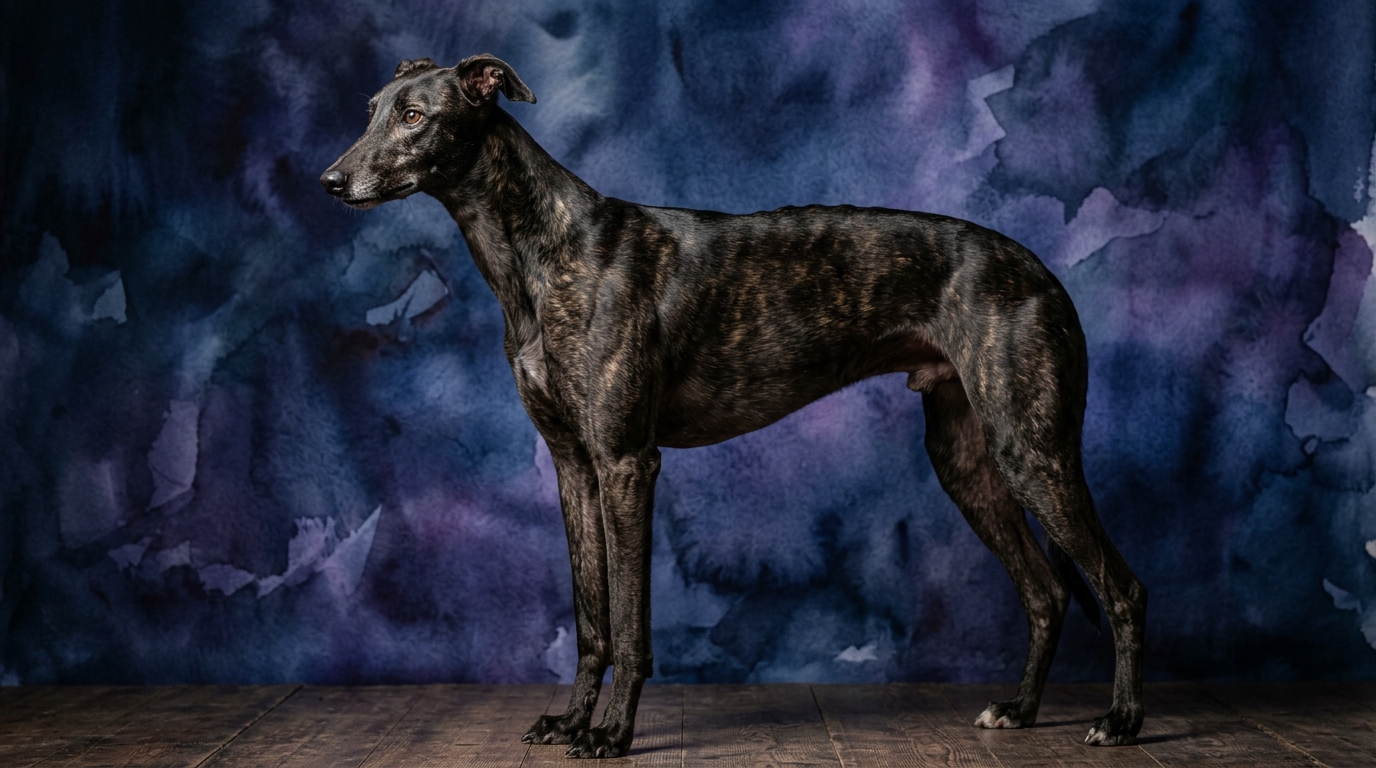
The Greyhound, a sighthound ranked #46 by Coren for working/obedience intelligence, showcases a cognitive design built for speed and visual pursuit. Their problem-solving capacity sits at 3/5, often manifesting as efficient navigation in physical space rather than intricate puzzle-solving. Training speed is rated 2/5, indicating a need for consistent, patient methods due to their independent streak. Social intelligence is 3/5, reflecting a sensitive nature that forms deep bonds with family but can be reserved with strangers. Their instinctive drive is a powerful 5/5, dominated by an immediate, visual prey drive. Memory is 3/5, solid for routines and familiar environments.
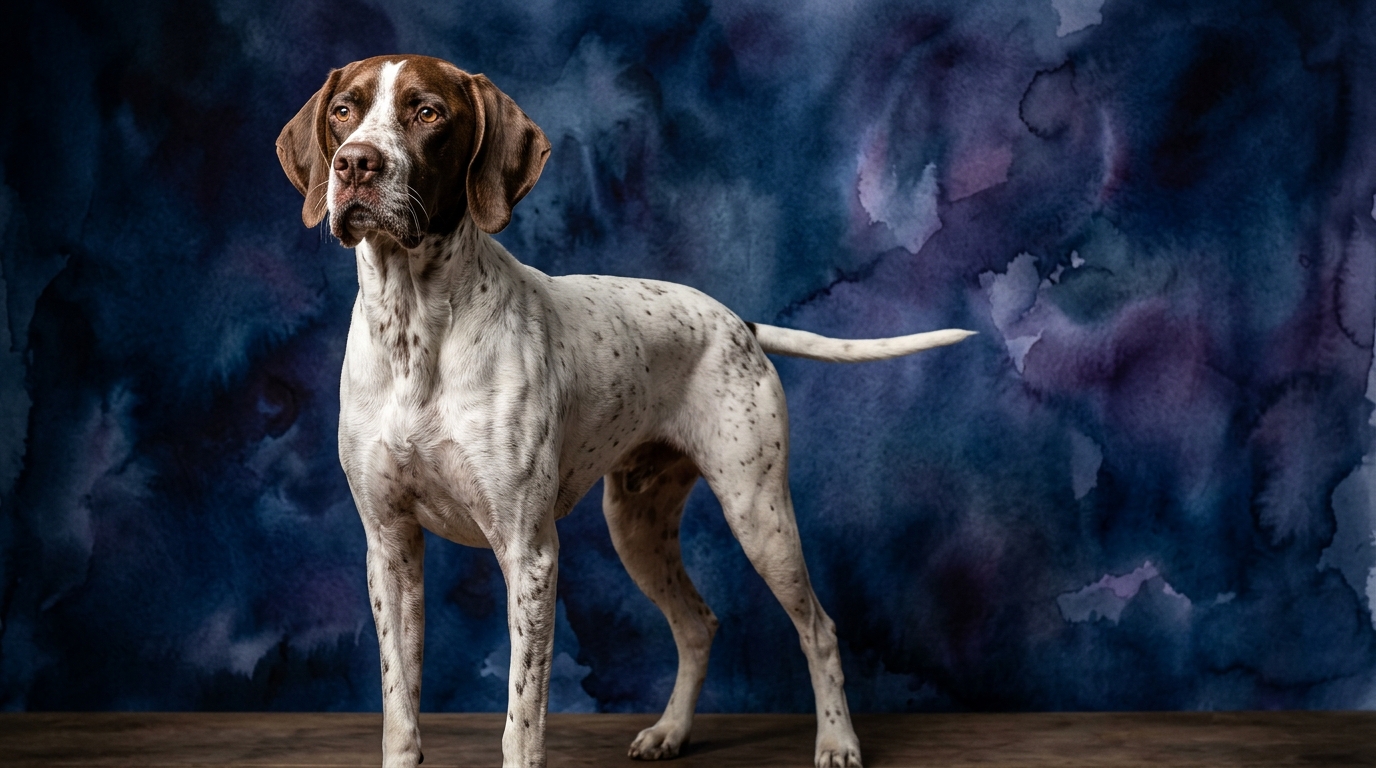
The Pointer, a sporting dog not Coren-ranked, possesses a different cognitive blueprint, centered on cooperative hunting and scent work. Their problem-solving also registers at 3/5, typically involving methodical searching and persistence in a task. Training speed is a more responsive 3/5, benefiting from their willingness to engage and cooperate. Social intelligence matches the Greyhound at 3/5, though often expressed as more outwardly friendly and people-oriented. Their instinctive drive is a focused 3/5, primarily for scent-tracking and pointing. Memory is likewise 3/5, aiding in recalling complex tasks and learned behaviors.
Where the Greyhound Shines Cognitively
The Greyhound's most profound cognitive strength lies in its extraordinary instinctive drive, rated a perfect 5/5. This isn't merely a physical attribute; it's a cognitive marvel that enables instant identification of a distant moving object, rapid assessment of its trajectory, and immediate, explosive pursuit. Their brain is exquisitely wired for the hunt, demonstrating unparalleled mental quickness in initiating a chase sequence, making them specialists in visual detection and rapid response.
While their problem-solving is 3/5, it excels in efficiency within their specific context. Greyhounds can quickly process spatial information to find the most direct path, whether to a comfortable napping spot or during a high-speed sprint. They demonstrate a pragmatic intelligence focused on direct solutions that conserve energy or achieve immediate goals, often bypassing unnecessary complexities in favor of the simplest, fastest route.
Where the Pointer Demonstrates Cognitive Advantage
The Pointer's training speed of 3/5 offers a clear advantage over the Greyhound's 2/5. This higher rating reflects a greater inherent willingness to engage in structured learning and a more pronounced desire for cooperative work with a handler. Pointers generally show more cognitive flexibility and eagerness to repeat tasks, making them more amenable to learning and consistently performing a wider array of commands. They thrive on the positive feedback and interaction that come with successful training sessions, viewing it as a collaborative effort.
While the Greyhound's instinctive drive is about pure chase, the Pointer's 3/5 instinctive drive represents a different, equally sophisticated cognitive specialization: methodical, cooperative hunting. Their ability to process complex scent information, track game over varied terrain, and then execute the iconic 'point' with unwavering focus requires a highly specialized cognitive process. This involves sophisticated information gathering, sustained concentration, and clear communication with their human partner, a testament to their goal-oriented mental architecture.
In terms of social intelligence, while both are rated 3/5, Pointers often exhibit a more overtly people-pleasing and demonstrative nature. Their social engagement tends to be more proactive, actively seeking interaction and collaboration. This can make them appear more 'connected' and adaptable in a general family setting, readily engaging with both familiar faces and new acquaintances with an open, friendly demeanor.
Ease of Training: Greyhound vs. Pointer
The Pointer generally proves easier to train for a broader range of commands and tasks. Their 3/5 training speed, coupled with their strong desire for cooperative work, means they are typically more receptive to instruction and more consistent in their responses. Pointers often view training as a rewarding, collaborative activity, thriving on positive reinforcement and handler interaction. Their instinctive drives, though powerful, are often more channeled and controllable, making it simpler to integrate them into structured training protocols and achieve reliable off-leash recall in various environments.
Conversely, the Greyhound can present more challenges in training. Their 2/5 training speed stems from an independent nature and a history that didn't demand complex obedience. They are often selective learners, prioritizing comfort or instinct over compliance if the motivation isn't compelling. Their profound 5/5 instinctive visual prey drive is a significant factor; once they lock onto a moving target, learned commands can be instantly overridden, making off-leash reliability in unsecured areas a constant management concern rather than a training goal. Training requires immense patience, creativity in motivation, and a deep understanding of their unique priorities.
Suitability for Active vs. Relaxed Owners
For active owners, the Pointer often makes an excellent companion. While not requiring incessant, high-intensity exercise, they thrive on purposeful activity, mental engagement, and consistent training. Owners who enjoy long hikes, engaging scent games, dog sports, or even field work will find a Pointer a rewarding and enthusiastic partner. Their stamina and inherent desire to 'do something' align well with an active lifestyle, providing both physical challenge and mental stimulation.
Relaxed owners will often find the Greyhound to be a surprisingly fitting choice. Despite their incredible speed, Greyhounds are famously known as '45 mph couch potatoes.' They require short bursts of intense exercise, ideally in a securely fenced area, but are otherwise content to spend significant portions of their day napping and enjoying soft furnishings. Owners who appreciate a calm, quiet, and relatively independent companion, enjoy leisurely strolls, and provide ample soft resting spots will discover the Greyhound's gentle nature perfectly complements a more relaxed home environment.
The Verdict: Choosing Your Companion
The Verdict
Choose the Greyhound if you appreciate a calm, independent companion who thrives on comfortable routines and short, intense bursts of exercise, and you are prepared to manage their powerful visual prey drive with secure environments.
Choose the Pointer if you seek an energetic, cooperative partner eager for purposeful activity, consistent training, and who enjoys being an active participant in your adventures, thriving on engagement and collaboration.
🧠 Find Your Pet's IQ Score
Our Pet IQ Lab assessment covers 25+ tests across 5 cognitive dimensions — personalized to your breed.
Take the Full IQ Test →Frequently Asked Questions
Are Greyhounds reliable off-leash?
Generally, no. Their powerful 5/5 instinctive visual prey drive means they can spot and pursue distant objects in an instant, often ignoring recall commands. A secure, fenced area is essential for safe off-leash exercise, as their drive can be overwhelming.
Do Pointers need a lot of exercise?
Pointers require a good amount of daily physical and mental exercise to be content, typically including long walks, runs, or engaging activities like scent work. Their 3/5 instinctive drive for purposeful activity means they thrive when given a job or consistent outlet for their energy.
How do their social needs compare?
Both breeds have a 3/5 social intelligence, but express it differently. Greyhounds are often more reserved and prefer their close family, while Pointers are typically more outgoing, eager to interact with new people and other dogs, often seeking more direct engagement and companionship.