
Side-by-Side IQ Profile: Deconstructing Canine Cognition
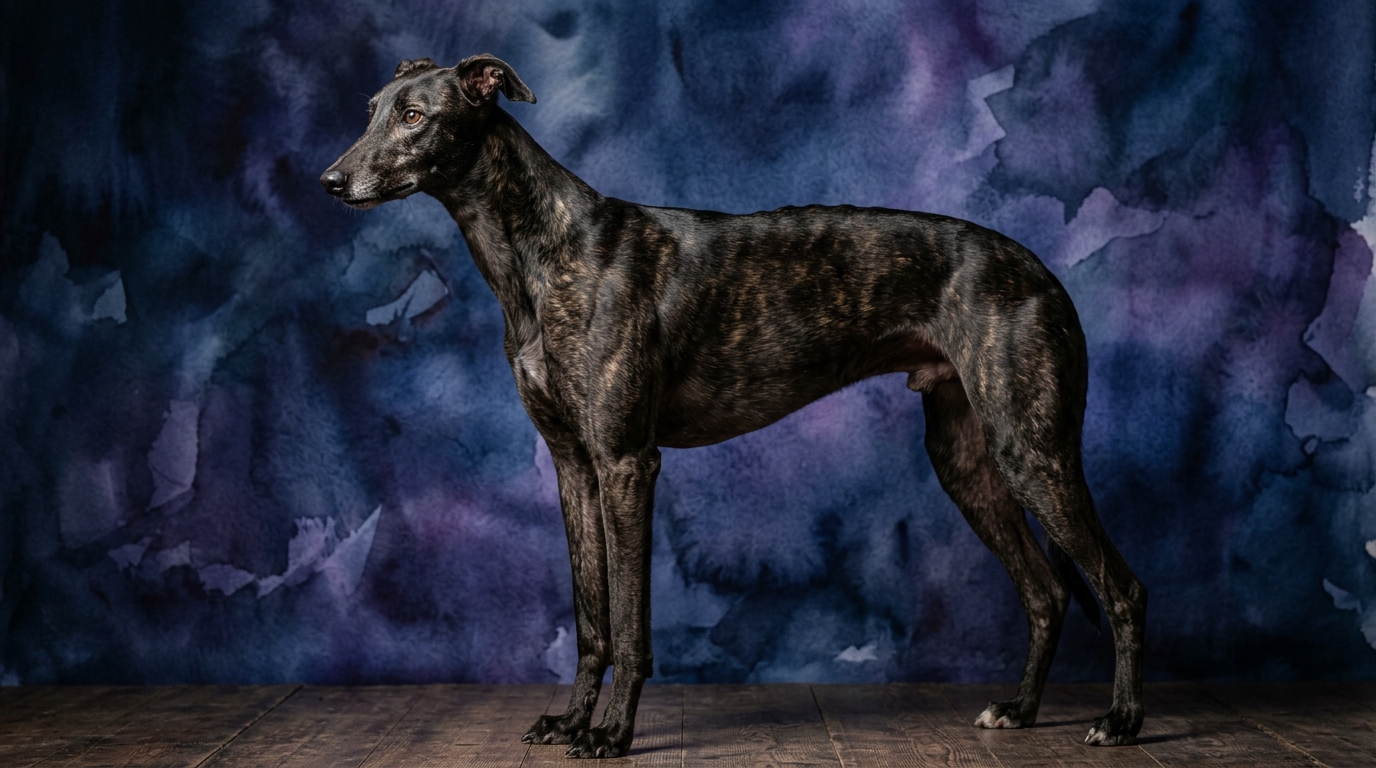
The Cosmic Pet Pet IQ Lab utilizes a five-dimensional framework to dissect canine cognition, moving beyond general perceptions. For the Greyhound, its Problem Solving ability registers at 3/5, reflecting a practical intelligence adept at navigating known routines rather than intricate puzzles. Its Training Speed, at 2/5, indicates a need for patient, consistent positive reinforcement, as these sighthounds can be independent and may not always engage with repetitive commands if immediate purpose isn't clear. Social Intelligence, rated 3/5, describes a dog deeply observant of human moods, forming profound, often reserved, bonds within its trusted circle. The Instinctive Drive, a commanding 5/5, is their hallmark—an unparalleled, hardwired urge to chase anything that moves swiftly, a drive that frequently overrides other considerations. Memory, at 3/5, is robust for routines and familiar environments but less focused on complex behavioral sequences.
The Rat Terrier, while not Coren-ranked, presents a distinct cognitive profile. Its Problem Solving also stands at 3/5, driven by curiosity and a desire for engagement, often manifesting in figuring out access to objects or navigating minor household challenges. Its Training Speed, a commendable 3/5, highlights an eagerness to learn and respond, thriving on mental stimulation and interactive play. Social Intelligence, matching the Greyhound at 3/5, shows a strong connection to its family, often displaying protective tendencies and environmental awareness, though initially wary of strangers. The Rat Terrier’s Instinctive Drive is rated 3/5, reflecting its historical role as a vermin hunter; this drive, while present, is typically more diversified and manageable than the Greyhound's, often expressed through scent work and digging. Its Memory, at 3/5, is solid, allowing for good retention of commands, routines, and past experiences.
Where the Greyhound Excels Cognitively
The Greyhound's cognitive strengths are deeply intertwined with its evolutionary purpose: the pursuit of prey across open landscapes. Their unparalleled Instinctive Drive, rated 5/5, means their brain is supremely wired for rapid visual processing and decision-making in high-speed chases. This isn't merely physical speed; it's a cognitive advantage in identifying, tracking, and predicting the movements of a target, often at distances where other breeds might not even register movement. While their Problem Solving is rated 3/5 generally, within the context of pursuit, their ability to instantly assess terrain, calculate trajectories, and make split-second adjustments to maintain chase is exceptional. This specialized form of problem-solving, executed at 45 miles per hour, showcases a unique cognitive niche. Furthermore, their memory for specific running paths or areas where prey has been sighted, combined with their keen visual recall, gives them an edge in environments where their sighthound capabilities can be fully utilized. This focused cognitive architecture makes them masters of the chase, demonstrating a singular, intense mental clarity when their primary drive is engaged.
Where the Rat Terrier Shines Cognitively
The Rat Terrier's cognitive advantages stem from its versatile, tenacious nature, making it a more broadly adaptable problem-solver. While both breeds score 3/5 in Problem Solving, the Rat Terrier often applies this skill across a wider range of scenarios, driven by its inherent curiosity and less overwhelming singular instinct. They are more inclined to manipulate objects, figure out how to open cabinets, or strategize to get a favored toy. Their superior Training Speed (3/5 vs Greyhound's 2/5) indicates a greater general eagerness to engage in diverse learning tasks and a quicker uptake of new commands. This reflects a cognitive flexibility, allowing them to excel in varied dog sports like agility or obedience, where quick learning and responsiveness are paramount. Their moderate Instinctive Drive (3/5) also means their cognitive focus is less singularly consumed by prey pursuit, allowing for more mental bandwidth for other activities. This adaptability, combined with their terrier tenacity, fosters a persistent approach to mental challenges, making them effective at tasks requiring sustained intellectual engagement beyond purely physical feats.
Training Dynamics: Greyhound vs. Rat Terrier
When considering ease of training, the Rat Terrier generally presents a more straightforward path for most owners due to its cognitive profile. Their Training Speed of 3/5 signifies a breed that is typically eager to please and highly responsive to positive reinforcement, thriving on the mental stimulation that training provides. They often view training as an engaging, interactive game, making them more biddable and quicker to pick up a wide array of commands and tricks. Furthermore, their Instinctive Drive, rated 3/5, is present but less overwhelming than a Greyhound's, meaning they are less likely to be entirely distracted by environmental stimuli like a distant squirrel during a training session. This allows for more consistent focus and engagement.
Conversely, the Greyhound, with a Training Speed of 2/5, can be more challenging. While capable of learning, their independent nature means they often need to understand the 'why' behind a command or perceive an immediate, high-value reward. They are sensitive and do not respond well to harsh methods, requiring immense patience and consistent, positive reinforcement. Their formidable Instinctive Drive (5/5) is a significant factor; if a potential chase target appears, their cognitive focus shifts entirely, making recall or obedience commands secondary. This specialized drive means that while they can learn many things, their responsiveness in high-distraction environments, especially outdoors, can be compromised, demanding a dedicated approach to safety and recall training.
Matching Breeds to Lifestyles: Active vs. Relaxed Owners
The suitability of these breeds for active versus relaxed owners hinges significantly on their distinct energy expenditure patterns and cognitive engagement needs. For truly active owners seeking a consistent, engaged companion for varied adventures, the Rat Terrier is often an ideal match. Their sustained energy levels and moderate instinctive drive mean they thrive on daily walks, hikes, agility training, or extended play sessions. They possess a cognitive need for consistent mental stimulation and interaction, making them excellent partners for owners who enjoy teaching new tricks, engaging in scent work, or participating in dog sports. A Rat Terrier isn't content to be merely a spectator; they want to be an active participant in their owner's dynamic lifestyle, requiring a dedicated investment of time and energy into their physical and mental well-being.
On the other hand, the Greyhound, despite its athletic prowess, can be surprisingly well-suited for owners who appreciate periods of intense activity balanced with extensive relaxation. Often dubbed "45 mph couch potatoes," Greyhounds require opportunities for safe, vigorous sprinting in a securely fenced area to satisfy their profound instinctive drive. However, once this need is met, they are typically calm, quiet, and content to lounge indoors for long stretches, making them excellent companions for more relaxed owners who value a serene home environment. They are not dogs that demand constant interaction or endless hours of sustained activity. Therefore, an active owner for a Greyhound provides specific outlets for their speed, while a relaxed owner appreciates their gentle, low-key demeanor indoors, understanding that their unique exercise requirements are distinct from a constantly "on-the-go" breed.
The Verdict
Choose the Greyhound if you appreciate a calm, quiet companion indoors who needs specific, intense bursts of exercise in a secure environment and you understand their independent nature.
Opt for the Rat Terrier if you seek an agile, interactive companion for varied activities, enjoy consistent engagement and mental challenges, and are prepared for a lively, inquisitive presence.
🧠 Find Your Pet's IQ Score
Our Pet IQ Lab assessment covers 25+ tests across 5 cognitive dimensions — personalized to your breed.
Take the Full IQ Test →Frequently Asked Questions
Are Greyhounds difficult to train due to their lower "Training Speed" score?
Greyhounds are not difficult in the sense of being incapable, but their training requires a nuanced approach. Their independent nature and strong prey drive mean that patience, positive reinforcement, and understanding their motivations are key to successful learning.
How does the "Instinctive Drive" differ between these two breeds?
The Greyhound's instinctive drive is overwhelmingly focused on visual pursuit and speed, making them unparalleled sighthounds. The Rat Terrier's drive is more diversified, centered on scenting and digging for small vermin, which is a strong instinct but generally more adaptable in a domestic setting.
Which breed is better for a first-time dog owner?
The Rat Terrier might be a slightly more forgiving choice for a first-time owner due to its higher training speed and general eagerness to please. Greyhounds, while gentle, require an owner who understands their unique exercise needs and can navigate their sensitive, independent temperament.