Side-by-Side Cognitive Profiles
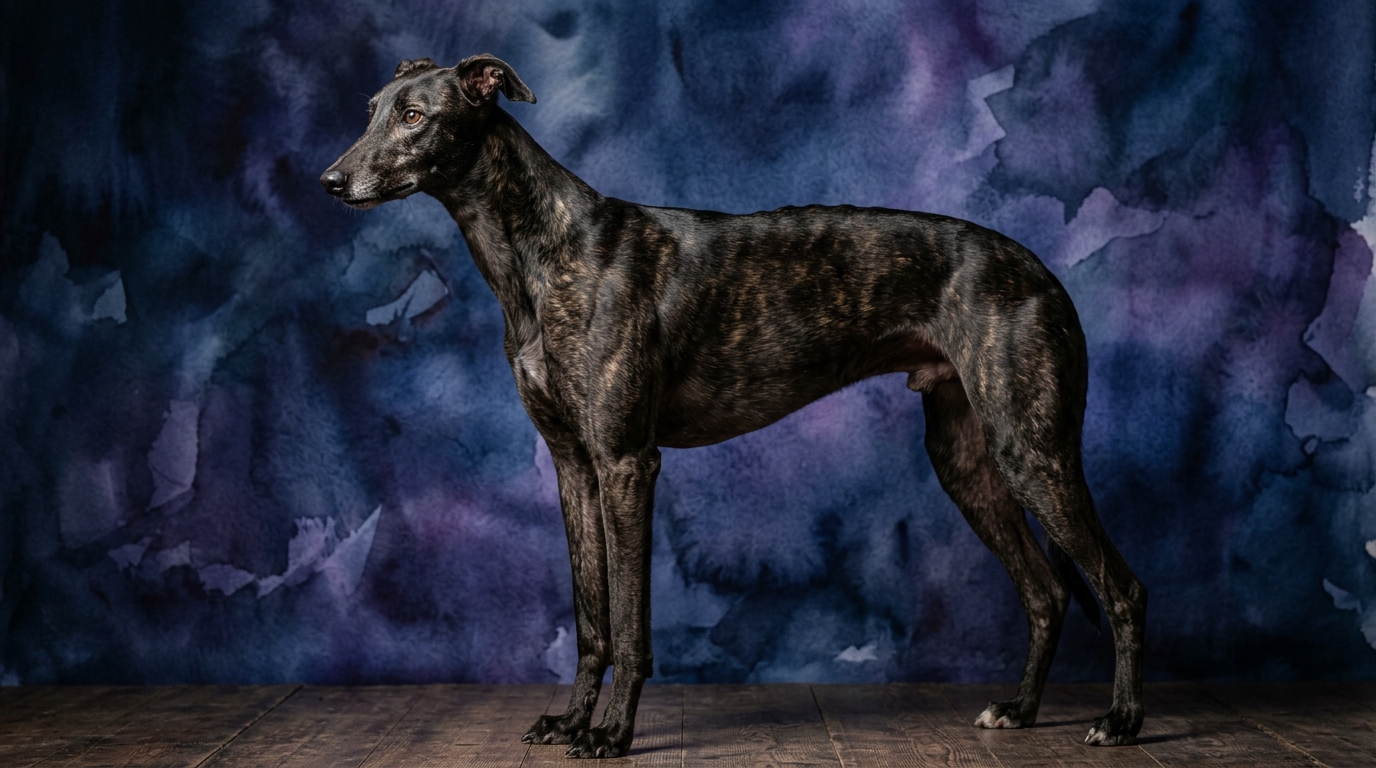
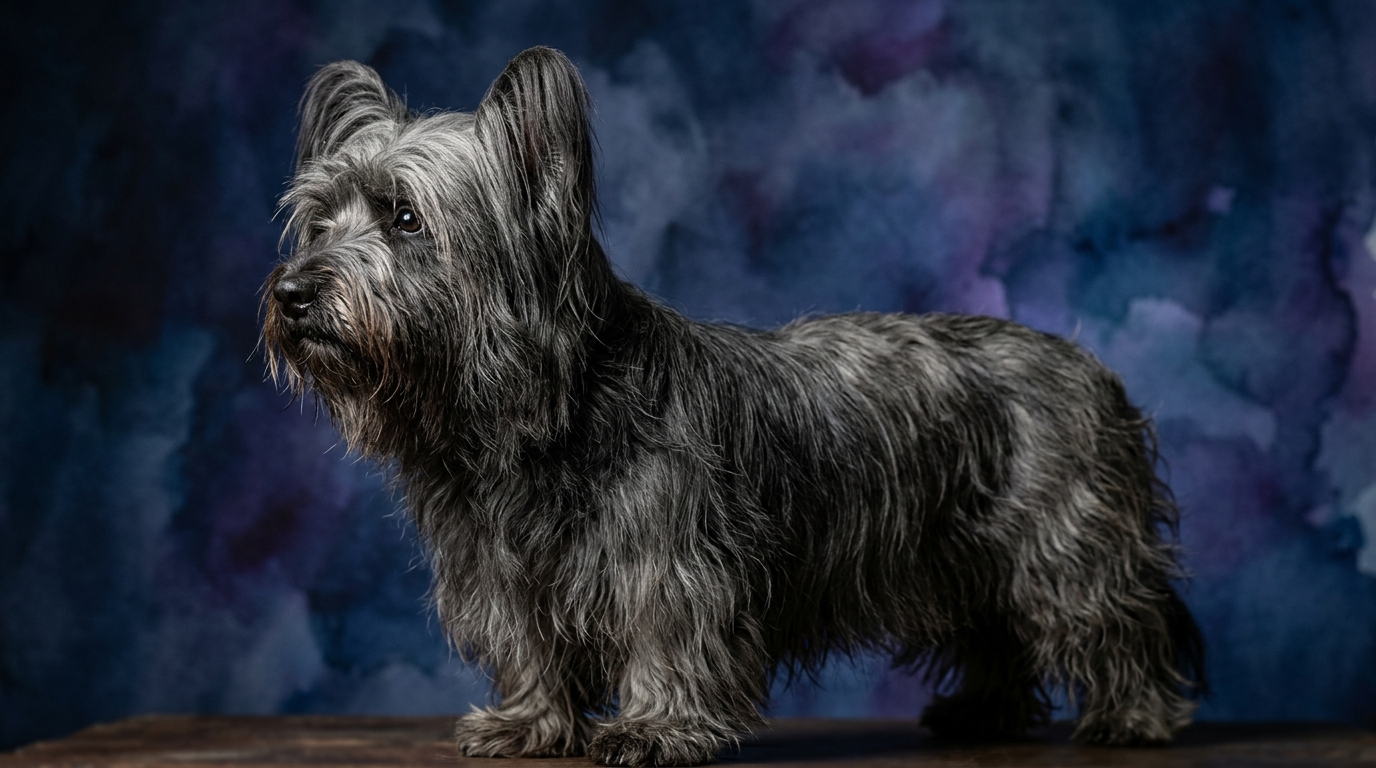
Our Cosmic Pet Pet IQ Lab assessment offers a granular look into the cognitive strengths of the Greyhound and the Skye Terrier, moving beyond generalized notions to specific dimensions of intelligence. The Greyhound, a sighthound, registers a Coren rank of #46, placing it squarely in the 'Average Working/Obedience Intelligence' category, while the Skye Terrier, a terrier breed, does not appear on Coren's list, necessitating a deeper dive into our specific metrics to understand its cognitive makeup.
For the Greyhound, we observe a Problem Solving score of 3/5, indicating an ability to navigate moderately complex environmental challenges, often with a focus on efficiency rather than intricate strategy. Their Training Speed is rated 2/5, suggesting a more independent learning curve that requires patience and consistent methods. Social Intelligence stands at 3/5, implying an understanding of human cues and pack dynamics, but often with a reserved demeanor. A remarkable Instinctive Drive of 5/5 highlights their profound genetic predisposition for pursuit and observation, while Memory registers 3/5, sufficient for recalling learned tasks and familiar routines.
The Skye Terrier presents a slightly different cognitive blueprint. Its Problem Solving ability also scores 3/5, demonstrating a capacity for navigating environmental puzzles, often with a characteristic terrier tenacity. Where it diverges significantly is in Training Speed, scoring 3/5, which suggests a more readily trainable nature than the Greyhound, though still requiring engaging and consistent approaches. Social Intelligence matches the Greyhound at 3/5, indicating an awareness of social cues, often expressed with a confident, sometimes aloof, independence. Their Instinctive Drive is rated 3/5, reflecting a moderate prey drive and historical working purpose without the singular intensity of a sighthound. Memory, like the Greyhound, is 3/5, allowing for competent recall of experiences and training.
Where the Greyhound Excels Cognitively
The Greyhound's primary cognitive strength lies in its exceptional Instinctive Drive, rated a perfect 5/5, which manifests as an unparalleled ability to detect, track, and pursue objects at speed. This isn't merely physical prowess; it's a cognitive specialization involving rapid visual processing, spatial reasoning across open fields, and an innate understanding of chase dynamics. Their Problem Solving score of 3/5, while not the highest, is highly specialized within this framework; they excel at finding the most efficient path to their quarry or navigating complex race tracks, demonstrating a unique form of situational awareness under high-speed conditions. Their memory, at 3/5, is particularly adept at recalling learned routes and the layouts of familiar running spaces, contributing to their efficiency in repetitive tasks like racing or coursing.
This breed's cognitive architecture is optimized for bursts of intense focus and independent decision-making in pursuit. While a Greyhound might not excel at intricate puzzle toys, its brain is wired for split-second calculations concerning trajectory, speed, and spatial relationships in an open environment. This independent problem-solving in a hunting context means they often don't look to a handler for every instruction during a chase, relying instead on their own swift cognitive assessments. Their social intelligence, though moderate, is often expressed through subtle cues and a quiet understanding, rather than overt displays, reflecting their historical role as a partner in the hunt, not a constant companion in close quarters.
Where the Skye Terrier Shows Cognitive Prowess
The Skye Terrier's cognitive advantages manifest in a more adaptable and handler-oriented manner compared to the Greyhound. Their Training Speed of 3/5 positions them as more receptive to learning new commands and behaviors, suggesting a greater willingness to engage in cooperative tasks. This isn't just about obedience; it reflects a cognitive flexibility and a desire to understand and respond to human directives. Their Problem Solving score of 3/5, while numerically matching the Greyhound, often translates into a tenacious approach to overcoming obstacles in their immediate environment, whether it's figuring out how to get to a perceived 'prey' (like a dropped treat) or navigating household challenges with determination. This terrier 'grit' is a cognitive trait, driving them to persist where other breeds might give up.
Furthermore, the Skye Terrier's Instinctive Drive, rated 3/5, is channeled into a more exploratory and investigative cognitive style. Instead of pure speed, their drive is expressed through digging, scenting, and persistent exploration of their surroundings, requiring a different set of problem-solving skills focused on sensory input and sustained effort. Their Social Intelligence (3/5) is often paired with a confident personality; while they may be discerning about who they grant their affection to, they are capable of forming strong bonds and interpreting the nuances of their chosen human's mood and intentions. This combination of trainability and persistent problem-solving makes them adept at navigating the complexities of a domestic environment with characteristic terrier resolve.
Ease of Training: Greyhound vs. Skye Terrier
When it comes to ease of training, the Skye Terrier holds a distinct advantage over the Greyhound, primarily due to their differing Training Speed scores: 3/5 for the Skye Terrier versus 2/5 for the Greyhound. This numerical difference reflects fundamental behavioral distinctions rooted in their breed purposes. The Skye Terrier, as a working terrier, was bred to operate in closer partnership with humans, requiring a degree of responsiveness and cooperativeness. Their inherent tenacity, combined with a willingness to learn, means they often approach training sessions with a focused determination, even if they can also exhibit a stubborn streak characteristic of the terrier group. They are more likely to engage with positive reinforcement methods, finding satisfaction in mastering tasks alongside their handler.
The Greyhound, conversely, was selectively bred for independent thought and action during the chase. Their lower Training Speed score (2/5) indicates that while they are certainly capable of learning, their motivation often needs to be carefully managed, and they may not see the immediate 'point' of a command if it doesn't align with their innate drives or comfort. They are not naturally inclined to repetitive obedience drills and can become bored or disengaged quickly. Their high Instinctive Drive (5/5) means that a squirrel or distant movement will almost always take precedence over a 'stay' command, requiring extensive proofing in varied environments. Training a Greyhound demands immense patience, creativity, and an understanding of their sighthound nature, focusing on building a strong bond and making training feel like a collaborative, rewarding experience rather than a strict command-and-response exercise.
Matching Breeds to Lifestyles: Active vs. Relaxed Owners
The choice between a Greyhound and a Skye Terrier also hinges significantly on an owner's lifestyle and their capacity to meet each breed's unique needs for activity and companionship. Despite their blistering speed, Greyhounds are often described as '45 mph couch potatoes.' Their exercise requirements typically involve short, intense bursts of running in a securely fenced area, followed by extended periods of lounging. For relaxed owners who appreciate quiet companionship and are prepared to provide safe, off-leash sprinting opportunities a few times a week, a Greyhound can be an excellent fit. They thrive in calm home environments, often enjoying soft beds and minimal fuss, making them surprisingly suitable for apartment living as long as their brief, high-energy needs are met. Their moderate social intelligence means they are affectionate but not overly demanding of constant attention, happy to exist comfortably alongside their human.
The Skye Terrier, while not requiring the same explosive speed, demands a more consistent and varied engagement. Their moderate Instinctive Drive (3/5) translates into a need for regular, moderate exercise that stimulates both their body and their mind, such as brisk walks, engaging play sessions, and opportunities for scent work or digging. They are not content to simply lounge all day; their cognitive profile suggests a need for purposeful activity and mental challenges to prevent boredom. Active owners who enjoy daily walks, interactive games, and perhaps even some dog sports like earthdog trials or agility will find the Skye Terrier a rewarding companion. Their tenacious problem-solving and moderate training speed mean they benefit greatly from consistent mental stimulation and the opportunity to work alongside their owner, making them unsuitable for owners seeking a purely decorative or low-maintenance pet.
The Verdict
Choose a Greyhound if you appreciate a quiet, independent companion who needs intense, short bursts of activity followed by extensive rest, and you have a secure space for them to run freely.
Opt for a Skye Terrier if you are an active, engaged owner seeking a tenacious, intelligent partner for consistent daily activities, mental challenges, and a confident personality.
🧠 Find Your Pet's IQ Score
Our Pet IQ Lab assessment covers 25+ tests across 5 cognitive dimensions — personalized to your breed.
Take the Full IQ Test →Frequently Asked Questions
Are Greyhounds difficult to train due to their independence?
Greyhounds are not inherently difficult to train, but their independent nature and lower training speed score (2/5) mean they respond best to patient, positive reinforcement and motivation that aligns with their natural drives. Consistency and making training feel like a rewarding game, rather than strict obedience, are key to success.
Do Skye Terriers require a lot of grooming given their long coats?
Yes, Skye Terriers do require regular grooming to maintain their distinctive long, double coats, which helps prevent matting and keeps them healthy. Weekly brushing and professional trims every few months are typically necessary to manage their coat effectively.
Can either breed live successfully in an apartment?
Both breeds can adapt to apartment living with the right provisions. Greyhounds are often surprisingly good apartment dwellers due to their 'couch potato' tendencies after their daily sprint. Skye Terriers can also thrive in apartments if they receive consistent daily walks and mental stimulation to satisfy their active minds and bodies.