Side-by-Side IQ Profile: Greyhound vs. Soft Coated Wheaten Terrier
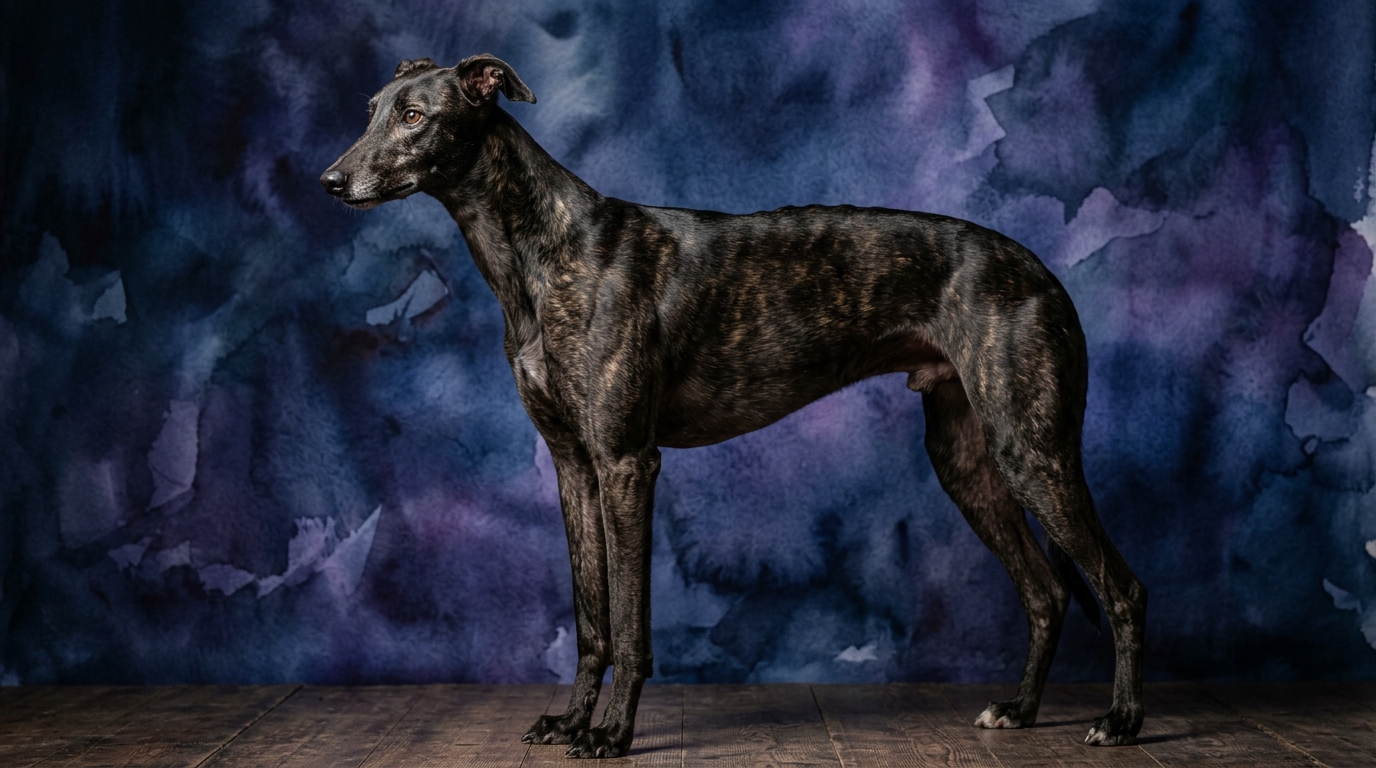
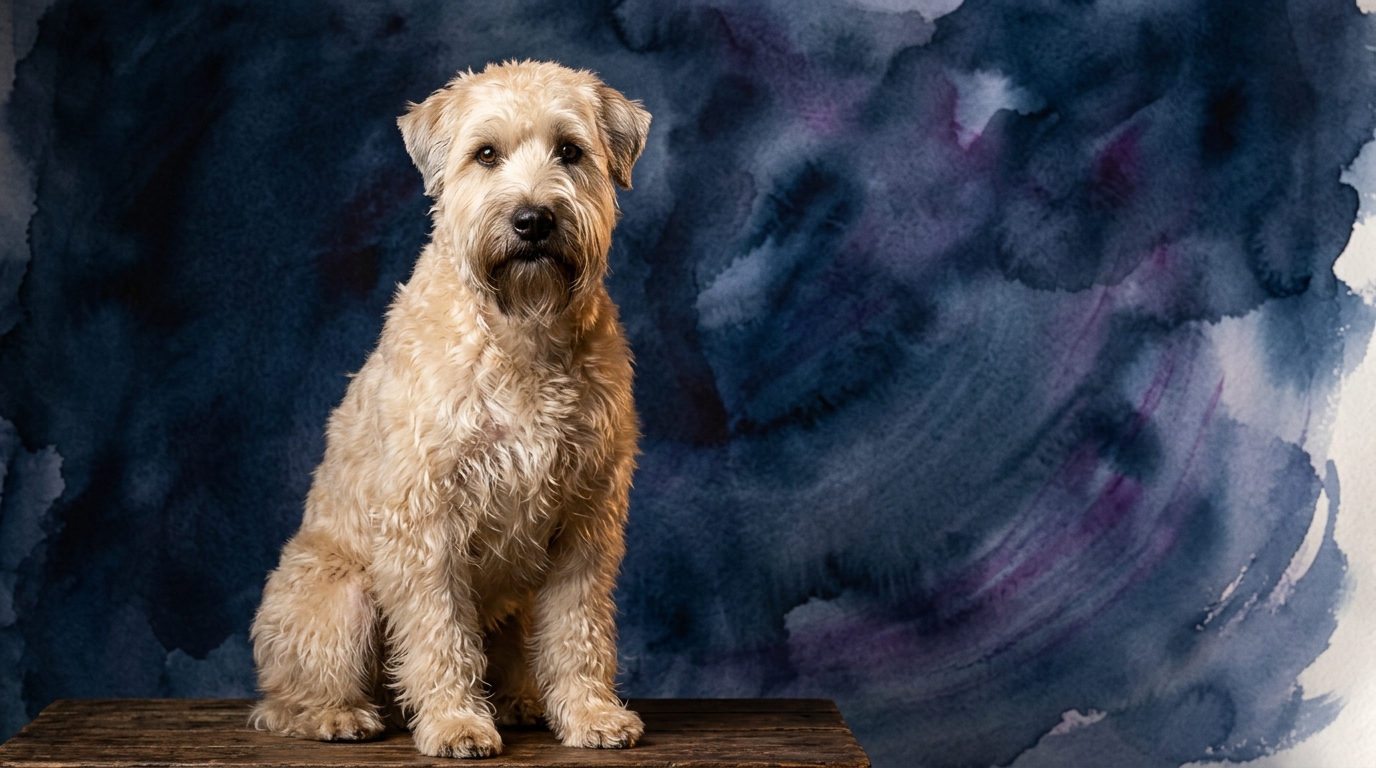
The Cosmic Pet Pet IQ Lab provides a granular look at canine cognition, moving beyond generic labels to highlight specific strengths and tendencies. For the Greyhound, Coren-ranked at #46, we observe a Problem Solving score of 3/5, Training Speed at 2/5, Social Intelligence at 3/5, an exceptional Instinctive Drive at 5/5, and Memory at 3/5. The Soft Coated Wheaten Terrier, while not Coren-ranked, presents a slightly different cognitive fingerprint: Problem Solving 3/5, Training Speed 3/5, Social Intelligence 3/5, Instinctive Drive 3/5, and Memory 3/5.
Both breeds demonstrate an average capacity for navigating novel challenges, earning a 3/5 in Problem Solving. A Greyhound might apply this to figuring out how to get comfortable on a new couch or subtly manipulating a situation for a treat. The Wheaten, with its terrier heritage, might use this to uncover a hidden toy or bypass an obstacle to reach a perceived 'prey' item. Their approaches are practical, geared towards immediate environmental solutions rather than abstract reasoning.
Training Speed is a key differentiator, with the Greyhound at 2/5 and the Wheaten at 3/5. Greyhounds often require more repetition and patience, reflecting a lower intrinsic motivation for human-directed tasks, especially if they conflict with their primal drives. Wheatens, in contrast, pick up new commands with slightly greater alacrity. Their desire to engage with their human companions, coupled with a terrier's typical zest, makes them somewhat more receptive to structured learning sessions.
Social Intelligence scores identically for both at 3/5. Greyhounds, often perceived as aloof, are actually quite sensitive to their owners' moods, preferring calm companionship but capable of forming deep bonds. Wheatens are generally more overtly expressive, readily seeking interaction and displaying their emotions more openly. Both possess a moderate understanding of social dynamics within their family unit, adapting their behavior to maintain harmony or seek attention.
Instinctive Drive is where the Greyhound truly stands out with a perfect 5/5. Their entire being is hardwired for the chase; every rustle, every distant movement can trigger an intense, almost singular focus. This isn't just a physical attribute but a profound cognitive prioritization of pursuit. The Wheaten, while possessing a terrier's natural drive to dig and sometimes chase, operates on a much lower intensity at 3/5. Their instinctive behaviors are more varied and less singularly overwhelming, allowing for greater cognitive flexibility in other areas.
Memory, at 3/5 for both, indicates a moderate capacity for routines, commands, and experiences. A Greyhound will remember the layout of their favorite park or the schedule for meal times, and a Wheaten will recall where they buried a toy or which person gives the best scratches. Neither demonstrates extraordinary recall, but they retain sufficient information to navigate their daily lives and maintain learned behaviors over time, though consistency in reinforcement helps solidify these memories.
Where the Greyhound Wins Cognitively
The Greyhound's unparalleled cognitive strength lies in its Instinctive Drive, rated a perfect 5/5. This isn't merely a physical urge; it's a cognitive superpower that profoundly shapes their entire perception of the world. When a Greyhound spots something moving in the distance, their brain instantly processes it as a potential chase, overriding almost all other stimuli. This singular focus allows for lightning-fast decision-making and precise execution in pursuit, a testament to centuries of selective breeding for speed and predatory efficiency.
This cognitive specialization means they are masters of their environment when it comes to detecting and reacting to movement. Their visual processing is finely tuned for motion, allowing them to track targets with incredible accuracy over long distances. While this intense, hardwired drive can pose training challenges in a pet home, it represents a peak of cognitive adaptation for a specific purpose, making them exceptionally effective at their ancestral role.
Where the Soft Coated Wheaten Terrier Wins Cognitively
The Soft Coated Wheaten Terrier shines notably in its Training Speed, scoring 3/5 compared to the Greyhound's 2/5. This slight but significant difference translates into a more eager and generally quicker absorption of new commands and routines. Wheatens possess a spirited 'can-do' attitude and a desire to please their people, which makes them more receptive to positive reinforcement training methods. They often enjoy the interaction and mental stimulation that training provides, viewing it as a fun game rather than a chore.
Their moderate Instinctive Drive (3/5) also plays a role here; while they have terrier instincts, these are typically less overwhelming than a Greyhound's chase drive, allowing for greater cognitive bandwidth to focus on human instruction. This balance makes them generally more pliable and adaptable in a structured learning environment, leading to faster mastery of basic obedience and tricks.
Which is Easier to Train and Why?
Based on their cognitive profiles, the Soft Coated Wheaten Terrier is generally easier to train than the Greyhound, particularly for general obedience and household manners. The Wheaten's higher Training Speed (3/5) indicates a quicker grasp of new concepts and a greater intrinsic motivation to cooperate during training sessions. Their social intelligence, combined with a desire to engage, means they are often more attuned to their owner's cues and more responsive to praise and rewards, making the training process feel more collaborative and rewarding for both parties.
Conversely, the Greyhound's lower Training Speed (2/5) coupled with its overwhelming Instinctive Drive (5/5) presents unique training hurdles. While capable of learning, Greyhounds can be independent thinkers, and their strong prey drive can easily override commands if a tempting target appears. Training a Greyhound requires immense patience, consistency, and a deep understanding of their sighthound nature, often focusing on management and recall in high-distraction environments rather than expecting immediate, infallible obedience in all situations. They learn, but often at their own pace and on their own terms, making the training journey a test of human consistency and adaptability.
Which Suits Active Owners vs. Relaxed Owners?
For truly active owners seeking a canine partner for diverse activities, the Soft Coated Wheaten Terrier often aligns better with their lifestyle. Their moderate instinctive drive and higher training speed make them adaptable to various dog sports, hiking, or extended play sessions. They possess a joyful energy that thrives on consistent interaction and engagement, making them excellent companions for owners who enjoy providing regular mental and physical stimulation through training, games, and outdoor adventures. Their balanced cognitive profile supports a versatile, active lifestyle.
Relaxed owners, particularly those who appreciate quiet companionship and bursts of intense, but often short-lived, activity, might find the Greyhound a surprisingly fitting match. While they are incredibly fast runners, Greyhounds are famously '45 mph couch potatoes,' content with short, intense sprints followed by long periods of napping. Their high instinctive drive means secure, fenced areas are paramount for exercise, but their social intelligence leans towards calm cohabitation indoors. They thrive with owners who understand and respect their independent nature and provide a serene home environment where they can truly unwind after their brief, exhilarating bursts of speed.
The Verdict
Choose a Greyhound if you admire an independent spirit, appreciate calm companionship, and are prepared to manage a profound chase instinct with secure environments and patient training.
Opt for a Soft Coated Wheaten Terrier if you seek an engaging, spirited companion eager to participate in training and activities, and appreciate a joyful, adaptable family member.
🧠 Find Your Pet's IQ Score
Our Pet IQ Lab assessment covers 25+ tests across 5 cognitive dimensions — personalized to your breed.
Take the Full IQ Test →Frequently Asked Questions
Are Greyhounds difficult to train because of their low training speed?
Greyhounds are not difficult in the sense of lacking capacity, but their training speed is lower, meaning they require more patience and repetition. Their strong instinctive drive also means that reliable recall in open, unfenced areas can be challenging, necessitating careful management and consistent positive reinforcement.
Does a Wheaten Terrier's moderate instinctive drive mean they won't chase small animals?
While a Wheaten's instinctive drive is moderate compared to a Greyhound's, they are still terriers and possess a natural inclination to chase, dig, and sometimes bark at small prey. Consistent training and socialization from a young age are crucial to manage these natural behaviors, especially in environments with squirrels or other small critters.
How does Coren ranking relate to the IQ scores provided?
Coren's ranking primarily assesses 'working and obedience intelligence,' which correlates most closely with our 'training speed' dimension. The Cosmic Pet IQ Lab's five dimensions offer a more granular view, showing that a breed might excel in one cognitive area (like instinctive drive) even if its general obedience intelligence (training speed) is moderate.