Side-by-Side IQ Profile
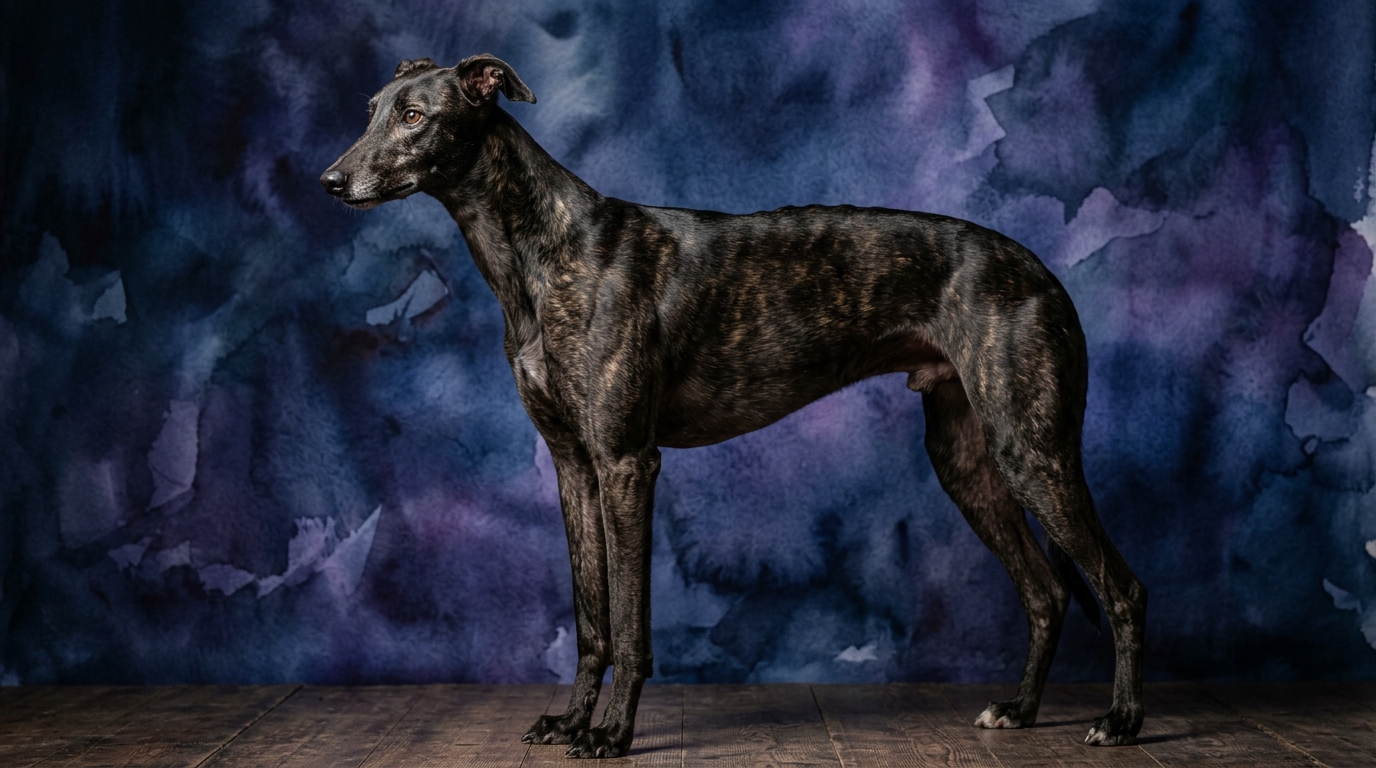
The Greyhound, a sighthound breed, occupies Coren's rank #46, reflecting a unique cognitive profile forged by centuries of pursuit and independent action. Their problem-solving ability is rated at 3/5, indicating a capacity for practical solutions, particularly those related to navigation and pursuit, but perhaps less so for abstract challenges. Training speed, at 2/5, suggests they may require more repetition and motivation to consistently learn and perform complex commands, often due to their independent nature rather than a lack of understanding. Social intelligence scores 3/5, meaning they can form strong bonds and interpret human cues, but might also exhibit a certain aloofness typical of their breed. A striking 5/5 in instinctive drive highlights their profound motivation for chase and visual processing, an unparalleled strength in their cognitive makeup. Their memory, rated 3/5, is sufficient for retaining routines and key associations but might not match breeds excelling in sequential task retention.
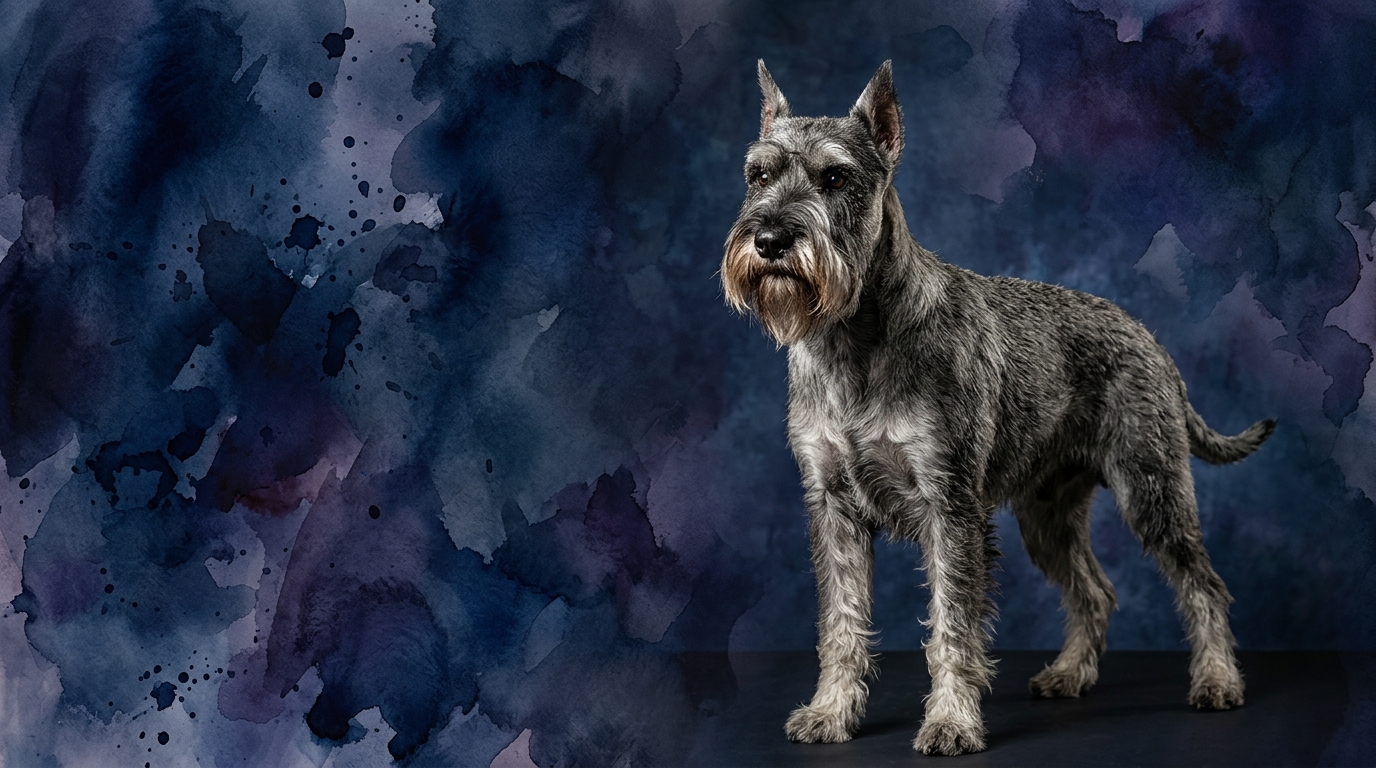
In contrast, the Standard Schnauzer, a working breed, stands at a more prominent Coren rank #22, showcasing a different set of cognitive strengths. Their problem-solving ability is a robust 4/5, reflecting a capacity for critical thinking and adapting to novel situations, a trait honed by their historical roles as guardians and vermin hunters. Training speed, also 4/5, indicates a ready willingness and aptitude for learning new commands and routines with relative ease and efficiency. Social intelligence matches the Greyhound at 3/5, signifying their ability to integrate well into family dynamics and respond to human interaction. Their instinctive drive, at 3/5, is present but less specialized than the Greyhound’s, manifesting as a general desire to work and engage rather than a singular pursuit focus. Memory, rated 4/5, suggests a strong capacity for retaining learned behaviors, commands, and environmental details over time, contributing to their reputation as capable working companions.
Where Greyhound Wins Cognitively
The Greyhound's cognitive superiority undeniably lies in its instinctive drive, scoring an exceptional 5/5. This isn't just about speed; it's a sophisticated package of rapid visual processing, immediate threat assessment (in a prey context), and independent decision-making under high-stakes, dynamic conditions. When a visual stimulus triggers their chase instinct, a Greyhound's brain processes information and initiates action with unparalleled efficiency, making split-second judgments about trajectory, speed, and obstacles. This cognitive strength is less about deliberate problem-solving and more about instantaneous, hardwired responses that have been refined over millennia for effective pursuit. In situations demanding lightning-fast, autonomous reactions based on visual cues, the Greyhound's cognitive architecture is specifically optimized to excel, often making choices without direct human instruction in the heat of the moment. This singular focus on pursuit and the cognitive machinery that supports it represents their most profound intellectual advantage.
Where Standard Schnauzer Wins Cognitively
The Standard Schnauzer demonstrates clear cognitive advantages in areas requiring sustained mental engagement, adaptability, and cooperative learning, reflected in their superior scores for problem-solving (4/5), training speed (4/5), and memory (4/5). Their problem-solving prowess allows them to approach new situations with a degree of analytical thought, figuring out how to achieve a goal rather than relying solely on instinct. This might manifest as successfully navigating complex obstacle courses, understanding multi-step commands, or even devising strategies to access a desired toy. Coupled with their high training speed, Standard Schnauzers readily absorb new information and associate actions with outcomes, making them quick studies in various disciplines from obedience to dog sports. Their robust memory ensures that these learned skills and commands are retained over time, building a vast repertoire of understood behaviors. This combination of traits allows them to excel in environments where consistent learning, retention of complex sequences, and active participation in varied tasks are valued, showcasing a versatile and adaptive intellect built for partnership and utility.
Which is Easier to Train and Why
When it comes to ease of training, the Standard Schnauzer generally presents a more straightforward experience for most owners, primarily due to their higher scores in training speed (4/5) and problem-solving (4/5), coupled with their working breed heritage. Standard Schnauzers typically exhibit a strong desire to cooperate and engage with their human companions during training sessions. They grasp new commands and sequences quickly, often enjoying the mental stimulation that training provides. Their robust memory (4/5) ensures that once a behavior is learned, it is retained effectively, leading to consistent performance. This breed thrives on structure and purpose, making them receptive to consistent, positive reinforcement training methods and capable of mastering a wide array of commands and tricks.
The Greyhound, with a training speed of 2/5, can be more challenging to train in traditional obedience contexts. This isn't due to a lack of capacity to understand, but rather their inherent independence and selective motivation. Greyhounds were bred to make autonomous decisions during a chase, not to slavishly follow human commands in a domestic setting. They often require more patience, creative incentives, and a clear understanding of 'what's in it for them.' While they can certainly learn commands, their execution might be less enthusiastic or consistent, especially if a more compelling stimulus (like a perceived chase opportunity) presents itself. Their training often benefits from focusing on positive reinforcement and building a strong relationship, understanding that their primary cognitive driver is instinctual pursuit rather than cooperative task completion.
Which Suits Active Owners vs. Relaxed Owners
The choice between a Greyhound and a Standard Schnauzer significantly depends on an owner's lifestyle and energy levels. Greyhounds, despite their reputation as racing dogs, often fit surprisingly well with more relaxed owners who can provide specific outlets for their energy. They are known as '45 mph couch potatoes,' requiring intense, short bursts of exercise – ideally in a securely fenced area where they can stretch their legs at full speed for 15-20 minutes a day. Beyond these powerful sprints, Greyhounds are typically calm, quiet, and content to lounge for extended periods, making them suitable for owners who appreciate a tranquil indoor companion but can commit to providing that crucial, high-intensity physical release. Their independent nature also means they might be less demanding of constant interaction, suiting owners who enjoy a dog's presence without incessant need for engagement.
Conversely, the Standard Schnauzer is better suited for active owners who relish consistent mental and physical engagement. Their working breed background and cognitive profile – including high problem-solving and training speed – mean they thrive on having a 'job' and require more than just physical exercise. They need regular walks, runs, and opportunities for mental stimulation through training, puzzles, or dog sports like agility or obedience. An owner who enjoys hiking, consistent training sessions, or participating in various canine activities will find a willing and enthusiastic partner in a Standard Schnauzer. Without sufficient outlets for their considerable energy and sharp intellect, Standard Schnauzers can become bored and potentially destructive, making them a better match for individuals or families committed to an active, engaging lifestyle alongside their canine companion.
The Verdict
Choose a Greyhound if you appreciate an independent companion, can provide secure space for intense, short bursts of exercise, and seek a calm, quiet presence indoors for much of the day.
Opt for a Standard Schnauzer if you are an active owner, enjoy consistent training and mental challenges, and desire a versatile, engaged partner for various activities and adventures.
🧠 Find Your Pet's IQ Score
Our Pet IQ Lab assessment covers 25+ tests across 5 cognitive dimensions — personalized to your breed.
Take the Full IQ Test →Frequently Asked Questions
Do Greyhounds enjoy learning new tricks?
Greyhounds can learn new tricks, but their motivation often differs; they might learn if it's fun, provides a clear reward, or involves a game. Their independent nature means they may require more patience and creative positive reinforcement during training sessions compared to breeds with higher training speeds.
Are Standard Schnauzers good at problem-solving household challenges?
Yes, Standard Schnauzers, with their 4/5 problem-solving score, are adept at figuring out household challenges, such as opening cabinets or creatively accessing desired items. This trait, while amusing, also underscores their need for mental stimulation to prevent boredom-driven mischief.
How does social intelligence differ between these two breeds?
Both breeds score 3/5 in social intelligence, indicating a capacity for forming bonds and understanding human cues. Greyhounds might display this through quiet affection and subtle communication, while Standard Schnauzers often show it through more overt engagement and a desire to be involved in family activities.