Side-by-Side Cognitive Profiles: Greyhound vs. Sussex Spaniel
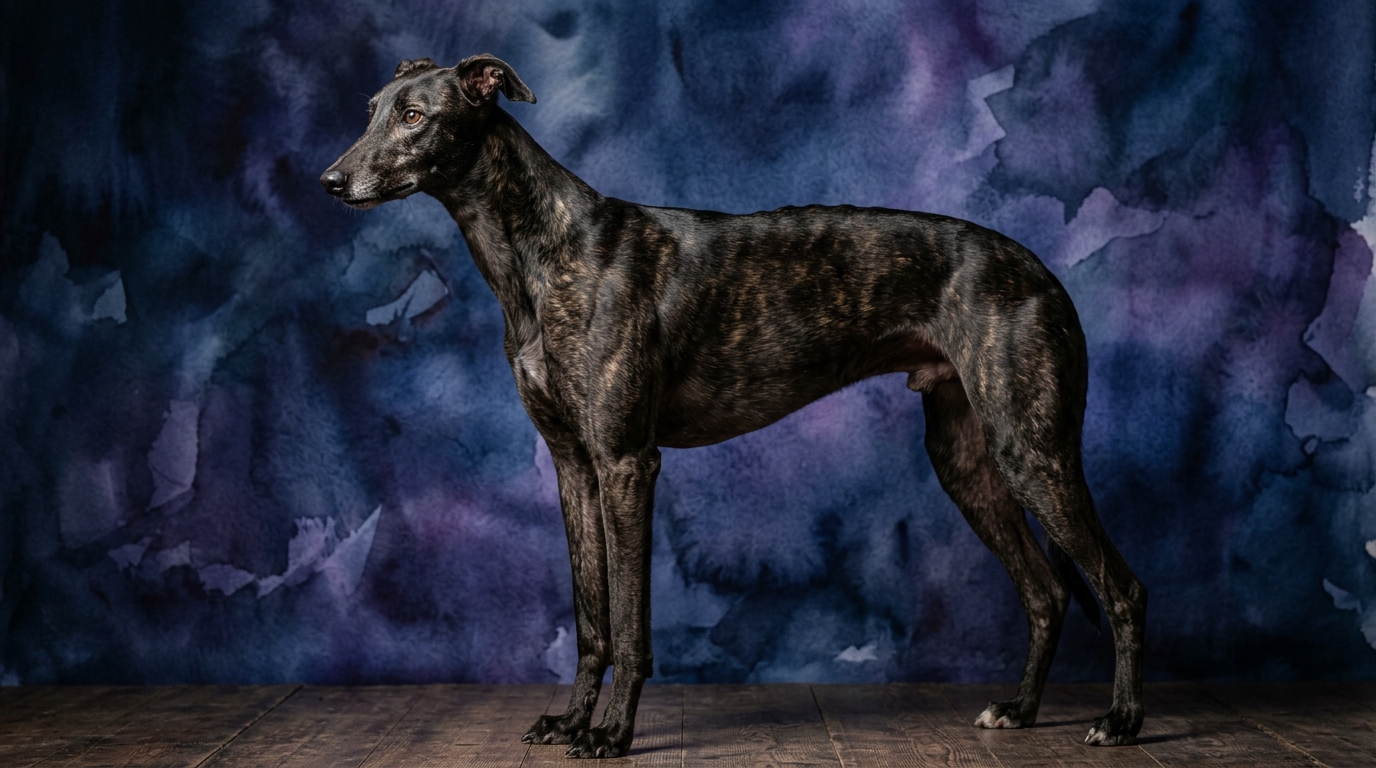
The Greyhound's intelligence is deeply etched with its heritage as a pursuit specialist. Their Problem Solving (3/5) typically manifests in efficient physical navigation for direct action, excelling at finding the quickest path to a moving object rather than abstract puzzles. Training Speed (2/5) reflects an independent spirit; while capable of learning, their motivation often hinges on aligning tasks with their inherent drives, requiring patient, reward-based methods. Social Intelligence (3/5) sees them forming deep, often selective bonds, reading familiar human cues with quiet understanding within their trusted circle. Their defining trait is an Instinctive Drive of 5/5 – an unparalleled focus and explosive energy dedicated to sight-based pursuit. Memory (3/5) is reliable for routines and locations, especially those tied to comfort or opportunities for a satisfying sprint.
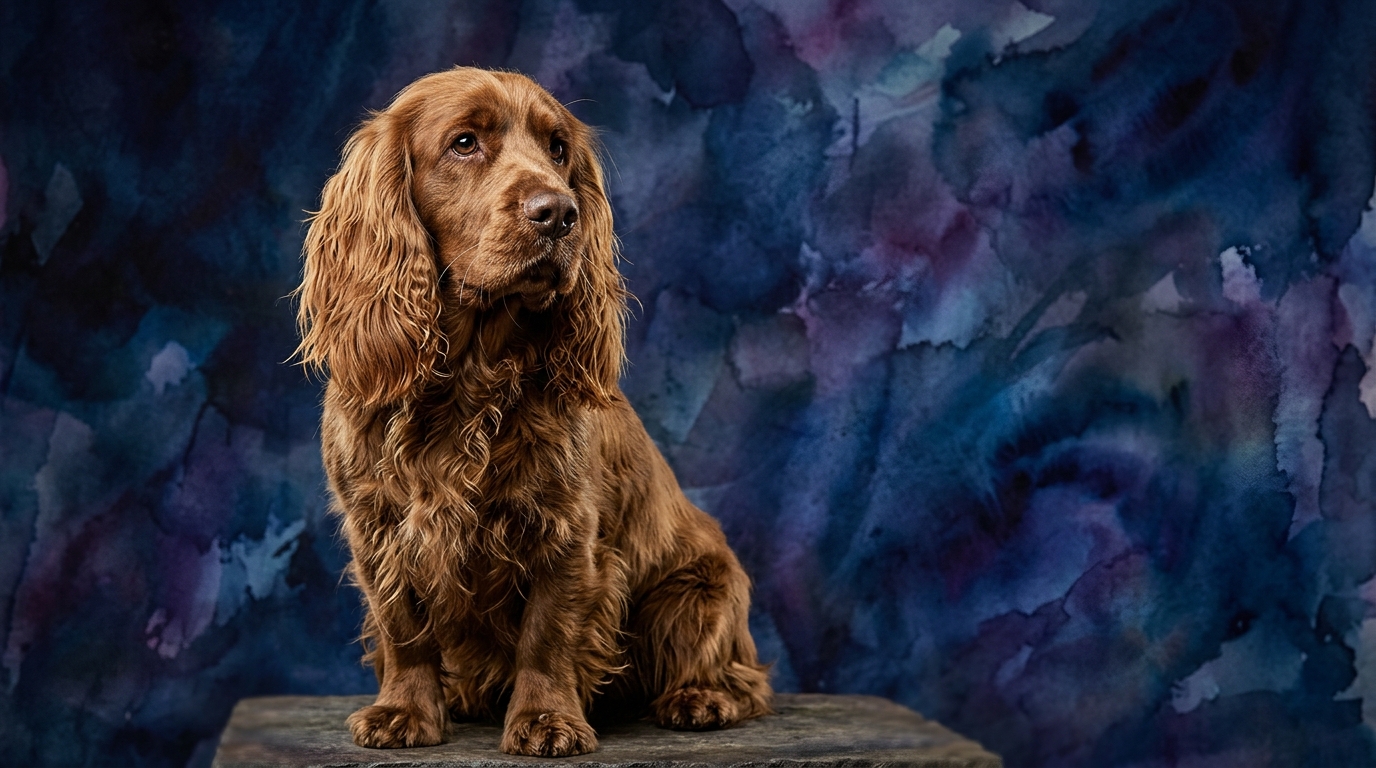
In contrast, the Sussex Spaniel presents a more cooperative and persistent cognitive profile, rooted in its role as a land spaniel. Their Problem Solving (3/5) tends towards methodical engagement, particularly in scent-based challenges or retrieving tasks where persistence is key. Training Speed (3/5) indicates a more biddable and responsive learner, eager to engage with human instruction and readily absorbing a variety of commands. Social Intelligence (3/5) is expressed through a generally affable and attentive demeanor, making them excellent family companions who often tune into the emotional states of their people. An Instinctive Drive of 3/5 points to a strong, yet controlled, desire for flushing and retrieving game, a drive that fosters collaboration. Memory (3/5) effectively retains learned sequences for tasks and routines, making them dependable in repetitive activities.
Where the Greyhound's Cognition Shines
The Greyhound's cognitive prowess truly stands out in its Instinctive Drive (5/5). This isn’t merely a physical attribute; it’s a profound cognitive specialization for pattern recognition, predictive tracking, and rapid decision-making in high-speed scenarios, optimizing their entire sensory system for identifying and pursuing moving targets. Their Problem Solving (3/5), while not for abstract challenges, is exceptionally practical and efficient when applied to their primary drive, demonstrating unique spatial intelligence in navigating complex environments to intercept a target.
Where the Sussex Spaniel's Cognition Excels
The Sussex Spaniel's cognitive strengths are rooted in its cooperative nature and methodical approach. Their Training Speed (3/5) surpasses the Greyhound's, indicating a greater inherent willingness to engage in structured learning and a quicker grasp of diverse commands, stemming from a cognitive predisposition to work alongside humans. While both share a 3/5 in Social Intelligence, the Sussex often expresses it through a more overt desire for companionship and participation in family activities, making them particularly adept at navigating complex household social dynamics.
Ease of Training: A Tale of Two Temperaments
When it comes to ease of training, the Sussex Spaniel generally presents a more straightforward path for the average owner. Their higher Training Speed (3/5) and innate desire for partnership mean they are typically more motivated by praise and treats, and less prone to independence. Their sporting background has cultivated a dog that seeks to understand and execute human commands, resulting in a quicker and more gratifying training experience across a broad spectrum of behaviors.
The Greyhound, with a Training Speed of 2/5, offers a different training challenge. Their sighthound heritage instilled a strong sense of independence; they are not inherently driven by a desire to please in the same way a spaniel might be. Training often requires understanding their unique motivations, which frequently revolve around chase or comfort. Owners must be patient, creative, and consistent, recognizing that a Greyhound may learn at its own pace and decide for itself if a command is worth its effort.
Matching Breeds to Lifestyles: Active vs. Relaxed Owners
For active owners seeking a consistently engaged partner, the Sussex Spaniel is often the more fitting choice. They thrive on moderate, regular exercise involving exploration, scent work, and interactive play. Long walks, hikes, and retrieving games are excellent outlets for their cognitive and physical energy, making them ideal companions for owners who enjoy daily outdoor activities and want a dog that actively participates.
Conversely, the Greyhound often surprises with their "45 mph couch potato" reputation, suiting owners who appreciate a more relaxed indoor companion, provided their specific exercise needs are met. While they require short, intense bursts of running in a securely fenced area (their Instinctive Drive of 5/5 demands this outlet), they are remarkably calm and quiet indoors. Owners who are relaxed about daily structured activities but committed to providing a safe space for sprints will find a Greyhound a harmonious fit.
The Verdict
Choose Greyhound if: You value an independent, calm indoor companion who needs intense, short bursts of secure outdoor exercise and you understand how to harness their unparalleled chase drive.
Choose Sussex Spaniel if: You seek a biddable, cooperative partner for moderate daily activity, enjoy engaging in consistent training, and appreciate a dog that thrives on shared experiences and family interaction.
🧠 Find Your Pet's IQ Score
Our Pet IQ Lab assessment covers 25+ tests across 5 cognitive dimensions — personalized to your breed.
Take the Full IQ Test →Frequently Asked Questions
Are Greyhounds good at puzzles?
Greyhounds, with a Problem Solving score of 3/5, typically excel at practical, movement-based puzzles related to their chase drive rather than abstract brain games. They might quickly figure out how to navigate an obstacle course for a reward, but complex manipulation puzzles might not hold their interest as readily.
How do Sussex Spaniels handle new environments?
Sussex Spaniels, with their 3/5 Social Intelligence and cooperative nature, generally adapt well to new environments when accompanied by their trusted humans. Their methodical problem-solving and steady temperament mean they approach new surroundings with curiosity and a desire to explore with their nose.
Which breed is better for first-time dog owners?
For first-time dog owners, the Sussex Spaniel might offer a more forgiving and rewarding experience due to their higher Training Speed and biddable nature. Greyhounds, while affectionate, require owners to understand and manage their specific sighthound instincts and independent learning style, which can be a steeper learning curve.