Side-by-Side Cognitive Profiles: Greyhound vs. Welsh Springer Spaniel
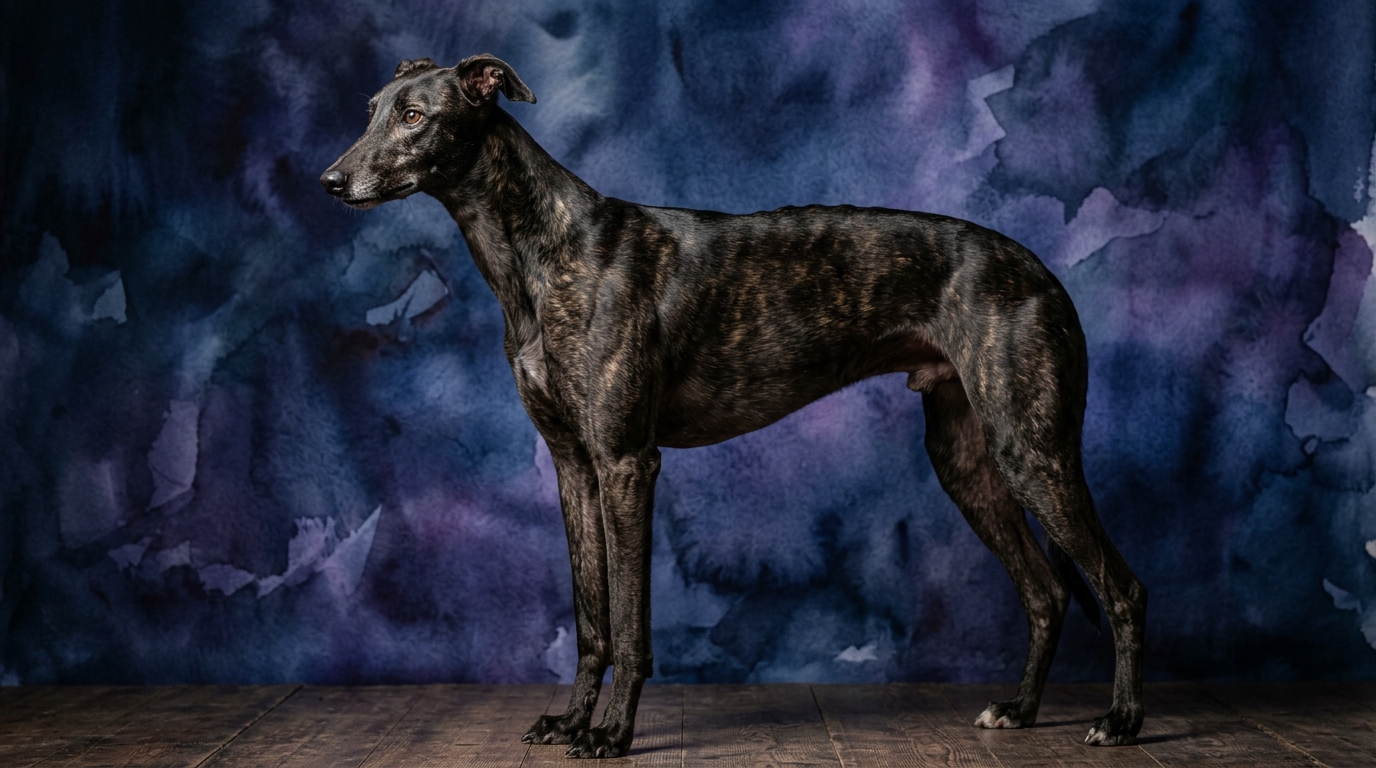
The Cosmic Pet Pet IQ Lab employs a five-dimensional framework to assess canine intelligence, offering a nuanced view beyond a simple ranking. For the Greyhound, ranked #46 by Coren, their cognitive makeup reflects their heritage as pursuit hunters. Their Problem Solving is rated 3/5, indicating a practical, often direct approach to challenges, focusing on efficiency over elaborate schemes. Training Speed stands at 2/5, suggesting they learn at their own pace, often requiring patient, consistent motivation. Social Intelligence is 3/5, reflecting their capacity for deep, quiet bonds with their chosen family, though they can be reserved with strangers. Their Instinctive Drive is a powerful 5/5, a testament to their profound, single-minded focus on the chase. Memory is 3/5, sufficient for routines and basic commands, but perhaps less for intricate, multi-step sequences.
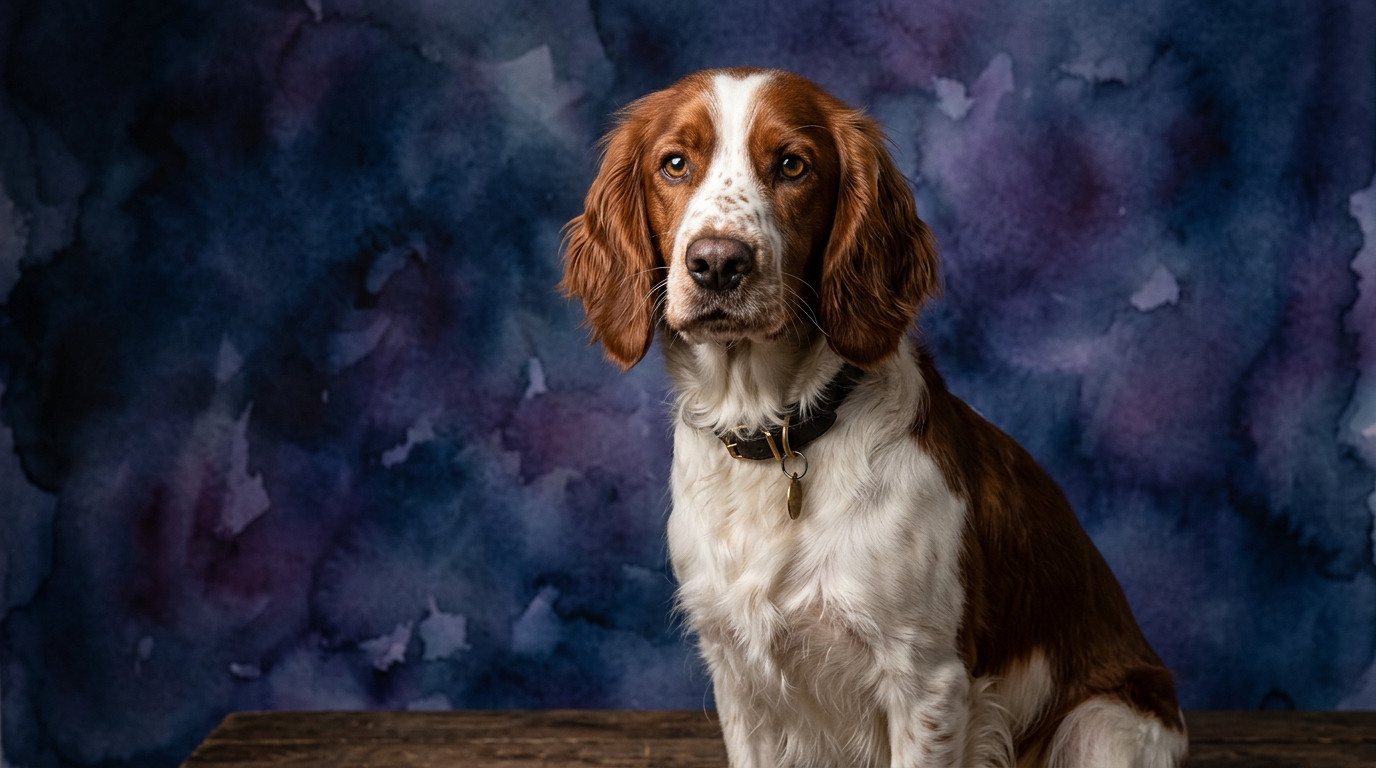
In contrast, the Welsh Springer Spaniel, with a Coren rank of #31, presents a different cognitive landscape shaped by its role as a versatile gundog. Their Problem Solving earns a 4/5, showcasing an adaptable mind that enjoys engaging with mental challenges and figuring things out. Training Speed is a commendable 4/5, highlighting their eagerness to please and their quick grasp of new commands and concepts. Social Intelligence mirrors the Greyhound at 3/5, signifying a friendly, family-oriented disposition, capable of forming strong connections. Their Instinctive Drive is 3/5, manifesting as a strong desire for scent work, flushing, and retrieving, rather than raw pursuit. Memory is rated 4/5, indicating a strong ability to recall commands, routines, and experiences, which aids in their versatility and trainability.
Where the Greyhound Shines Cognitively
The Greyhound's cognitive prowess is most evident in its unparalleled Instinctive Drive, scoring a perfect 5/5. This isn't merely about speed; it's about a highly specialized form of problem-solving centered on observation, anticipation, and lightning-fast execution in pursuit. When a Greyhound locks onto a visual target, their entire cognitive system funnels towards that singular objective, demonstrating an efficiency and focus that few breeds can match. This translates into an exceptional ability to navigate complex environments at speed, making split-second decisions based on visual cues to intercept their quarry. Their 3/5 Problem Solving, while not about complex puzzles, excels in this highly specific, action-oriented context, where the most direct and swift solution is the optimal one. They excel at pattern recognition in movement and predicting trajectories, honing centuries of selective breeding into a finely tuned predatory intelligence that thrives in open spaces.
Furthermore, their inherent independence, reflected in their moderate Training Speed (2/5), can be seen as a cognitive strength in scenarios where self-reliance is paramount. They are not always seeking human direction but possess an internal compass for their primary drive. This independent streak means they can operate effectively without constant human oversight once a task (or chase) is initiated, a trait that was invaluable for their historical role. Their memory (3/5) is robust for essential routines and the location of comfortable resting spots, demonstrating a practical retention of information pertinent to their daily comfort and safety.
Where the Welsh Springer Spaniel Excels Cognitively
The Welsh Springer Spaniel's cognitive strengths lie in their adaptability, eagerness to learn, and strong memory. With a Problem Solving score of 4/5, they approach challenges with curiosity and a desire to engage, often demonstrating creative solutions to access rewards or navigate obstacles. This makes them adept at tasks requiring more nuanced thinking than pure speed, such as figuring out puzzle toys or learning complex agility sequences. Their higher Training Speed (4/5) is a direct reflection of this cognitive flexibility and their strong desire to cooperate with their human companions. They quickly associate actions with consequences and readily build a repertoire of learned behaviors, making them a joy to teach across various disciplines.
Their Memory, rated 4/5, is a significant asset, allowing them to retain a vast array of commands, remember intricate routes during field work, and recall past experiences with precision. This robust memory system supports their high trainability and enables them to perform consistently in diverse environments. While their Instinctive Drive (3/5) is moderate compared to a Greyhound's, it is perfectly suited for their role, manifesting as a keen nose for scent work and a persistent drive to flush game and retrieve, requiring a different kind of cognitive engagement that balances focus with responsiveness to handler cues. This balanced drive, combined with strong problem-solving and memory, makes them highly versatile and capable of excelling in a wide range of canine activities.
Ease of Training: Behavioral Differences
When considering ease of training, the Welsh Springer Spaniel generally presents a more straightforward path. Their Training Speed of 4/5, coupled with a genuine eagerness to please their owners, means they typically grasp new commands quickly and enjoy the interactive process of learning. They respond well to positive reinforcement, thriving on praise and rewards, and their strong memory (4/5) helps them retain what they've learned over time. Their moderate instinctive drive (3/5) is manageable and can be channeled effectively into structured activities like scent work or obedience, making them highly receptive to instruction even in stimulating environments. Their friendly social intelligence (3/5) also contributes to their cooperative nature, as they are keen to engage and work alongside their human companions.
The Greyhound, with a Training Speed of 2/5, requires a different approach. They are not inherently difficult or stubborn, but their independent nature and powerful instinctive drive (5/5) mean their motivations are often internal, centered around the chase. This can make recall challenging in areas with tempting visual stimuli. Training a Greyhound demands immense patience, consistency, and an understanding of their inherent drives. Positive reinforcement is crucial, but rewards must be highly motivating to compete with their natural inclinations. They learn best with short, engaging sessions and clear, concise commands. While they form deep social bonds (3/5), their engagement in structured training may be more selective, requiring an owner who can make learning feel like a collaborative, rather than a demanding, effort. Real behavioral differences include the Welsh Springer's sustained attention for tasks versus the Greyhound's tendency to disengage if a task isn't immediately rewarding or doesn't align with their core drives.
Matching Canine Cognition to Lifestyle: Active vs. Relaxed Owners
For active owners seeking a canine partner for sustained outdoor adventures and structured activities, the Welsh Springer Spaniel is often the more suitable choice. Their Problem Solving (4/5) and Memory (4/5) make them excellent candidates for dog sports like agility, obedience, and field trials, where they thrive on mental engagement and physical exertion. Their Instinctive Drive (3/5) for scenting and retrieving means they enjoy long hikes, exploring new environments, and participating in tasks that utilize their natural abilities. They possess the stamina and mental fortitude to keep pace with an owner who enjoys daily, vigorous exercise and continuous learning opportunities.
Conversely, for relaxed owners who appreciate quiet companionship at home but are still committed to providing essential exercise, the Greyhound often fits seamlessly into their lifestyle. Despite their legendary speed, Greyhounds are frequently described as '45 mph couch potatoes.' Their powerful Instinctive Drive (5/5) manifests in short, intense bursts of running, after which they are typically content to lounge for hours. They require regular, safe opportunities to stretch their legs in a secure area, but their daily energy needs are often met with a good sprint and then peaceful rest. Their moderate Social Intelligence (3/5) allows for deep, affectionate bonds without demanding constant attention, making them ideal for owners who enjoy a calm, dignified presence in their home after their exercise needs are met.
The Verdict
Choose a Greyhound if you seek a calm, affectionate companion who enjoys short bursts of intense activity followed by peaceful lounging, and you appreciate a dog with an independent spirit and a profound, specialized instinct for pursuit.
Opt for a Welsh Springer Spaniel if you desire an energetic, versatile partner for outdoor adventures and dog sports, thriving on interactive training and enjoying solving mental challenges alongside their human.
🧠 Find Your Pet's IQ Score
Our Pet IQ Lab assessment covers 25+ tests across 5 cognitive dimensions — personalized to your breed.
Take the Full IQ Test →Frequently Asked Questions
Are Greyhounds difficult to train?
Greyhounds are not inherently difficult, but their independent nature and strong prey drive mean training requires patience, consistency, and understanding their unique motivations. They learn best with positive reinforcement and clear, concise commands in environments that minimize distractions.
What kind of mental stimulation do Welsh Springer Spaniels need?
Welsh Springer Spaniels thrive on mental challenges like puzzle toys, scent games, agility, and obedience training, as their problem-solving abilities and memory allow them to engage deeply with complex tasks. Regular training sessions and varied activities keep their minds sharp and prevent boredom.
How do their social intelligence scores compare?
Both breeds score 3/5 in social intelligence, indicating they are capable of forming strong bonds with their families and can interact appropriately with others. The Greyhound might be more reserved and selective initially, while the Welsh Springer Spaniel tends to be more outgoing and eager to greet.