Side-by-Side Cognitive Profiles: Decoding Identical Scores
When two breeds present with the same numerical scores across multiple cognitive dimensions, the true comparison lies in understanding the qualitative differences behind those numbers. A 3/5 score for a scent hound like the Harrier will express itself through behaviors and motivations distinct from a toy companion breed like the Affenpinscher. Let's dissect how each breed's inherent nature shapes these shared cognitive ratings.
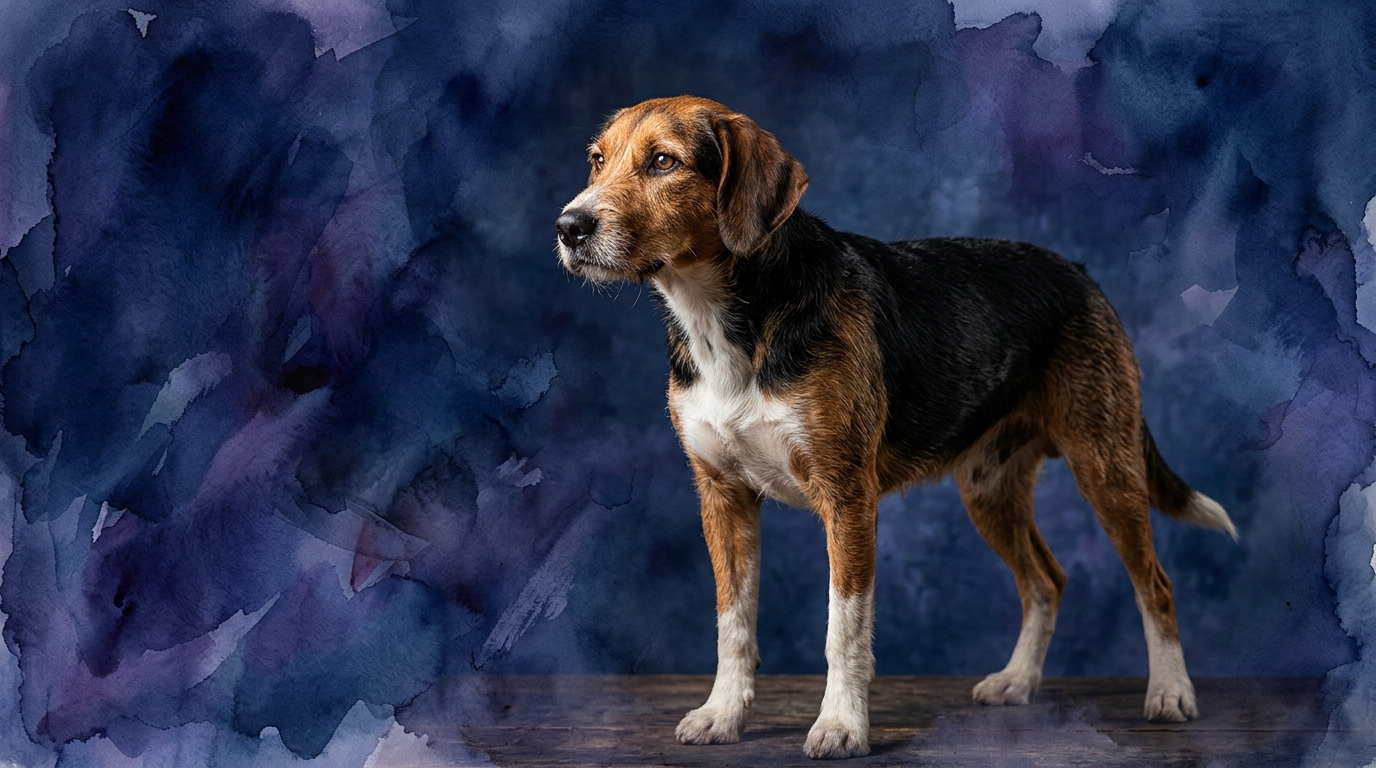
For the Harrier, a breed steeped in centuries of pack hunting, their **Problem Solving (3/5)** typically involves navigating complex outdoor environments, deciphering intricate scent trails, and overcoming physical obstacles in pursuit of a perceived quarry. Their cognitive strategies are often practical and endurance-based, focusing on sustained effort to achieve a goal, rather than intricate manipulation of objects for human gratification. They learn through persistent trial and error in the field, refining their approach to a moving target or a fading scent.
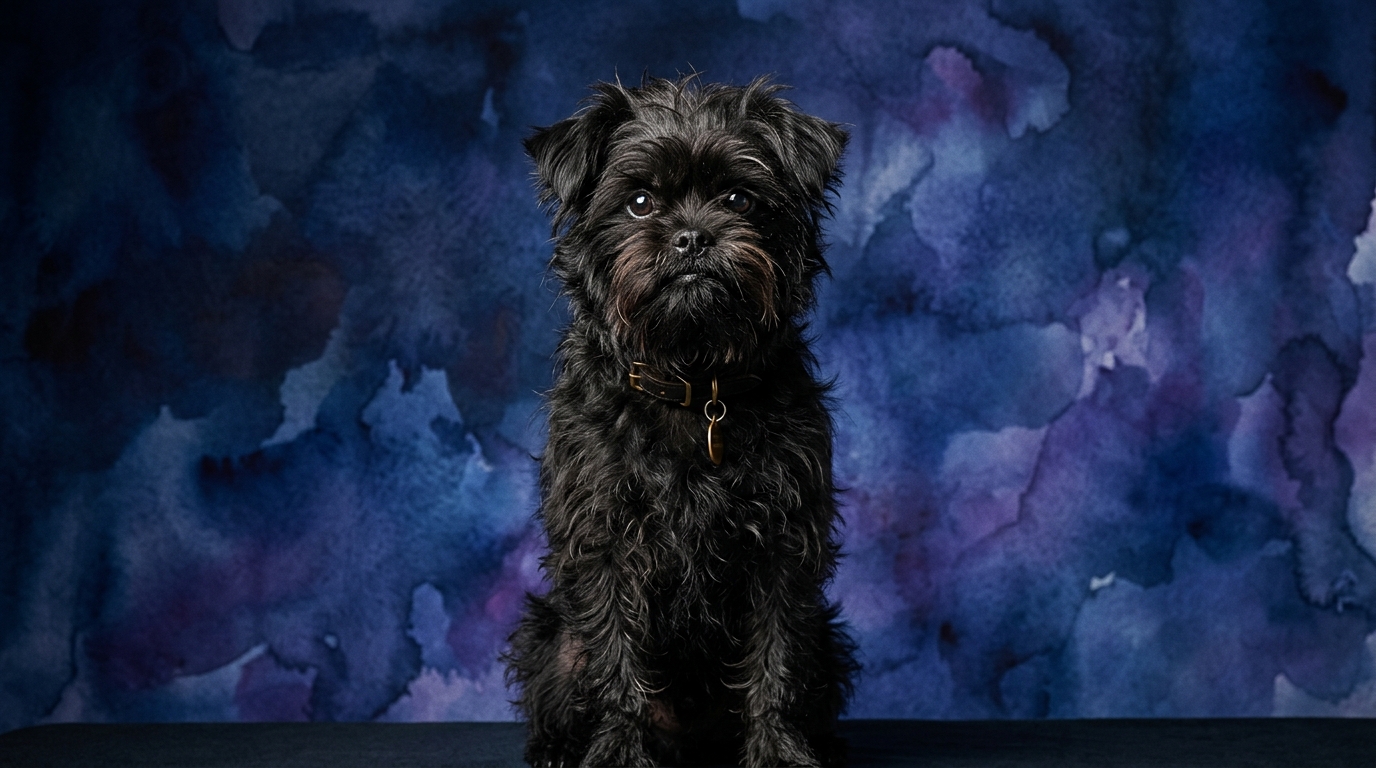
The Affenpinscher, conversely, approaches **Problem Solving (3/5)** with a different objective. Their challenges often involve social navigation within a human household: figuring out how to gain attention, manipulate a toy to their liking, or bypass a barrier to get closer to their preferred person. Their problem-solving is often geared towards comfort, companionship, or self-amusement, demonstrating a cleverness that is more about social engineering and environmental adaptation within a domestic setting. They might quickly learn which actions elicit specific human responses.
Regarding **Training Speed (3/5)**, the Harrier can certainly learn commands, but their independent hound nature and potent scent drive mean that consistent, rapid learning can be challenging, especially in distracting environments. They often require patience, repetition, and motivation that aligns with their natural inclinations, such as scent games or opportunities to 'work.' Their learning curve might be slower for precise obedience but quicker for tasks involving sustained tracking.
The Affenpinscher also earns a **Training Speed (3/5)**, capable of learning quickly with positive reinforcement, but their independent, sometimes stubborn 'big dog in a small body' personality can mean they choose not to comply if they don't see the immediate benefit or find the task boring. They respond best to engaging, fun training sessions that feel like a game, often showing a quick grasp of tricks or routines that involve their people, but potentially losing interest in highly repetitive drills.
Harriers display **Social Intelligence (3/5)** through their understanding of pack dynamics, their responsiveness to handler cues within a working context, and their strong, loyal bonds within their family unit. Their social awareness is often practical, focused on cooperation for a task or loyalty within an established group, and they can be quite discerning about who is part of their 'pack.' They read canine and human body language effectively for group cohesion.
Affenpinschers, with their **Social Intelligence (3/5)**, are highly attuned to human emotions and household routines, adept at charming their way into desired situations, and can be quite discerning about strangers. Their social intelligence is often geared towards personal comfort and securing their cherished place within the human family, often displaying a keen ability to 'read the room' and adapt their behavior to elicit positive human responses. They are masters of subtle communication to get their way.
The Harrier's **Instinctive Drive (3/5)** is profoundly shaped by their heritage, dominated by an intense scent drive, prey drive, and an innate desire to range and explore. This drive is fundamental to their existence and requires appropriate outlets to prevent frustration or undesirable behaviors. They are driven by the primal urge to follow a trail and work.
The Affenpinscher's **Instinctive Drive (3/5)** expresses as a playful, sometimes mischievous determination, a strong desire for companionship, and a confident, almost terrier-like tenacity despite their small stature. They possess a 'big dog' personality in a compact package, often driven by curiosity, a desire for interaction, and a need to assert their presence, sometimes with a stubborn streak.
Finally, the Harrier's **Memory (3/5)** is exceptional for scent trails, familiar hunting grounds, and routines associated with their work or exercise. They remember where things are, how to navigate complex terrains, and the sequence of events in their daily lives, which is crucial for their working role. Their spatial and olfactory memory are particularly robust.
The Affenpinscher also scores a **Memory (3/5)**, demonstrating good recall for people, household routines, where treats are kept, and past interactions, both positive and negative. They remember who is 'theirs,' what makes their humans happy (or gives them an advantage), and can recall specific events that shaped their perception of people or places. Their memory is often tied to social and comfort cues.
Where the Harrier's Cognition Shines
The Harrier's cognitive strengths truly emerge in scenarios demanding independent thought, sustained focus, and physical endurance driven by scent. While their general problem-solving is rated 3/5, this manifests as an exceptional ability to work autonomously on a task, such as following a challenging scent trail over varied terrain for extended periods. Their mental tenacity in pursuit of an olfactory goal surpasses many breeds, allowing them to process and prioritize environmental information related to scent with remarkable dedication. This focused, independent problem-solving in dynamic outdoor settings is a distinct cognitive advantage, requiring a unique blend of memory, instinctive drive, and analytical application of scent information that is less pronounced in breeds not bred for such work. They excel at deciphering complex sensory input and acting upon it with unwavering purpose.
Where the Affenpinscher's Cognition Excels
Conversely, the Affenpinscher's cognitive prowess shines in their nuanced understanding of human social dynamics and their adaptability to a domestic environment. While also rated 3/5 for social intelligence, the Affenpinscher's expression of this is often more refined and subtle, geared towards navigating complex social interactions within a family unit. They possess a keen ability to 'read the room,' discerning moods and adjusting their behavior to elicit desired responses – whether it's comforting a sad owner or charming their way into a lap. Their problem-solving, though rated 3/5, is often applied to social manipulation and clever strategizing within a human-centric world, making them masters of subtle communication and emotional intelligence within their small, spirited package. They remember past interactions and apply that knowledge to future social engagements.
Training Dynamics: Harrier vs. Affenpinscher
Determining which breed is 'easier to train' is less about raw cognitive capacity and more about alignment with an owner's training style and goals, given both score 3/5 in Training Speed. The Harrier, with its strong instinctive drive and independent nature, might present challenges for owners seeking immediate, precise obedience. Their focus can be easily diverted by interesting scents, and their hound independence means they may question commands if they don't perceive an immediate benefit or if it conflicts with their natural drives. Training a Harrier often requires immense patience, creativity to make tasks engaging, and a deep understanding of positive reinforcement tailored to their hound instincts, particularly incorporating scent work to keep them mentally stimulated. They learn best when tasks align with their natural desire to explore and follow a trail, making formal obedience a slower, more deliberate process.
The Affenpinscher, despite its 3/5 Training Speed, can be easier to train for basic household manners and tricks, provided the owner makes the process fun and rewarding. Their desire for companionship and attention can be a strong motivator. However, their independent and sometimes stubborn personality means they can be selective about when they choose to obey. They may quickly grasp a command but then decide not to perform it if bored or if something more interesting captures their attention. Training an Affenpinscher often requires making sessions short, engaging, and varied, leveraging their playful nature rather than relying on rote repetition. While they are quick to learn, their compliance can be less consistent than some other breeds, demanding an owner who understands their spirited, 'what's in it for me?' attitude. Their motivation often stems from pleasing their beloved humans, but only if the task is enjoyable.
Lifestyle Match: Active Adventurers vs. Relaxed Companions
The Harrier is unequivocally suited for active owners who relish outdoor adventure and can provide ample physical and mental stimulation. Their deep-seated instinctive drive (3/5) for scent work and ranging means they require significant daily exercise, ideally long runs, vigorous hikes, or dedicated scent tracking sessions in secure environments. A Harrier will thrive with owners who understand and embrace their hound nature, offering opportunities to explore and follow their nose. They are not content with short walks around the block; their cognitive and physical well-being depends on extensive outdoor activity that allows them to engage their powerful senses. Owners who can integrate their dog into an active, outdoor lifestyle will find the Harrier a rewarding, tireless companion.
The Affenpinscher, while still requiring daily activity, is a better match for moderately active or relaxed owners who value close companionship within a home setting. Their instinctive drive (3/5) manifests as playful energy and a desire for interaction, enjoying regular walks and indoor play sessions. They are adaptable to apartment living, provided their exercise needs are met, and they receive consistent mental engagement through toys, training, and human interaction. While they appreciate outdoor excursions, their physical demands are far less intense than a Harrier's. Owners who seek a spirited, engaging companion that enjoys both active play and quiet cuddle time will find the Affenpinscher a delightful fit. They are masters of making their presence known in a charming, often comical, way, perfectly suited for a life centered around their human family.
The Verdict
Choose the Harrier if you are an outdoor enthusiast seeking an independent, robust companion for extensive adventures, scent work, or a dynamic lifestyle that can accommodate their formidable energy and tracking instincts.
Opt for the Affenpinscher if you desire a spirited, charming, and highly interactive companion who thrives on close human connection, can adapt to smaller living spaces, and offers endless entertainment with their unique personality.
🧠 Find Your Pet's IQ Score
Our Pet IQ Lab assessment covers 25+ tests across 5 cognitive dimensions — personalized to your breed.
Take the Full IQ Test →Frequently Asked Questions
Do Harriers make good family pets despite their hunting background?
Yes, with proper exercise and socialization, Harriers can be loyal and affectionate family members, though their high energy and independent spirit require consistent training and management. They thrive in active households that can meet their considerable outdoor needs, often forming strong bonds with children and other pets if raised together.
Are Affenpinschers prone to excessive barking?
Affenpinschers can be vocal, often using their barks to alert their owners to perceived threats or to express their strong opinions and playful demands. Early training and socialization can help manage excessive barking, but their natural watchfulness and confident demeanor often mean they will vocalize to communicate.
How much exercise does each breed typically need?
Harriers require significant daily exercise, ideally long runs or vigorous walks in secure areas, to satisfy their hound instincts and maintain physical condition, often needing over an hour of intense activity. Affenpinschers need moderate daily exercise, enjoying walks and indoor play for about 30-45 minutes, but are not as demanding as their larger hound counterpart.