Side-by-Side IQ Profile: Unpacking Identical Scores
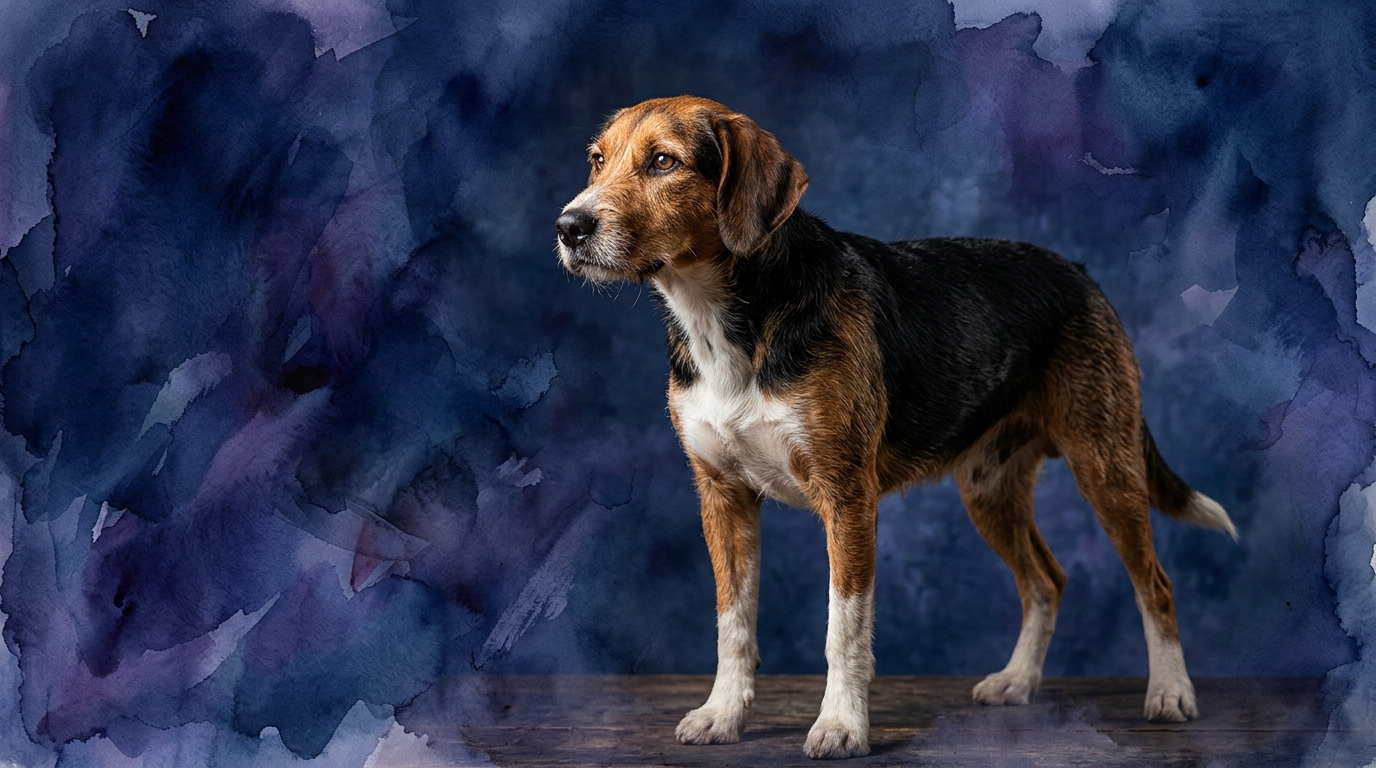
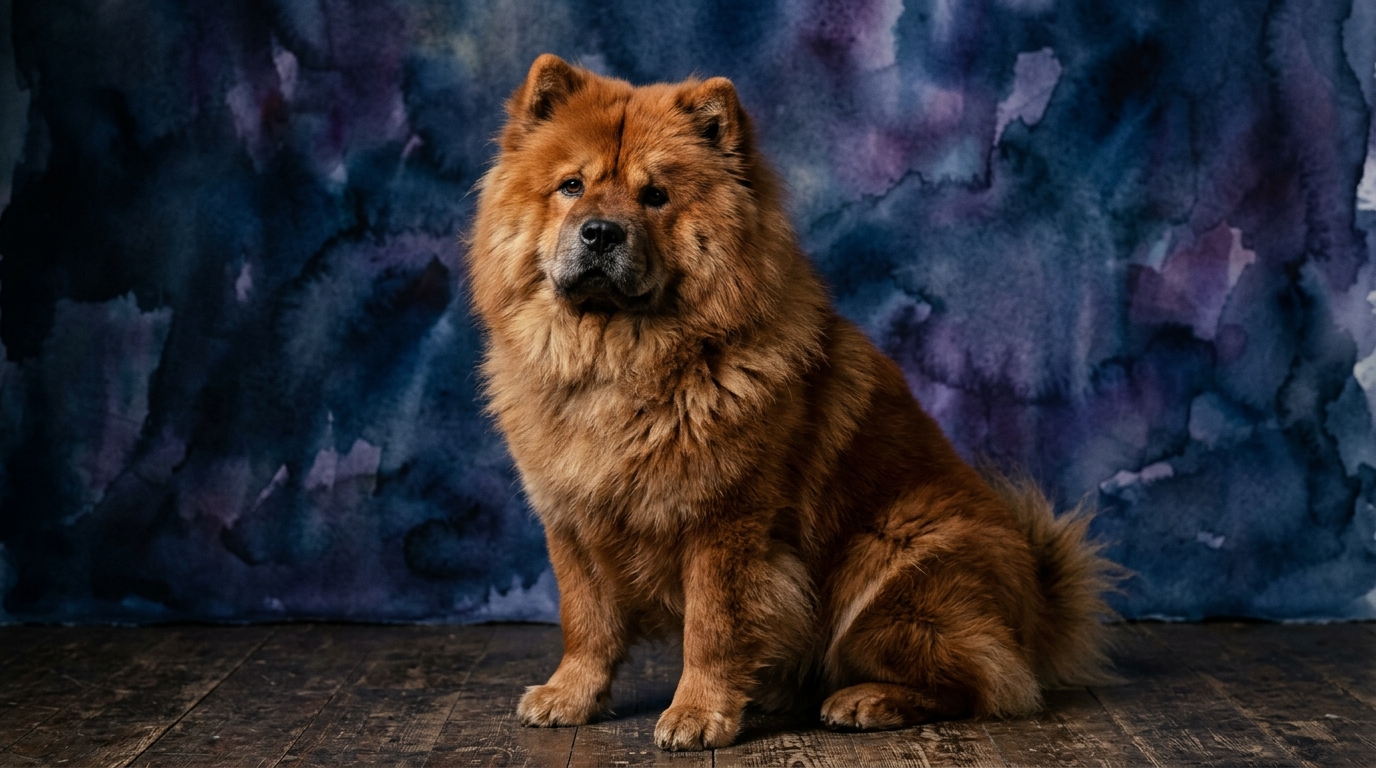
On The Cosmic Pet Pet IQ Lab scale, both Harriers and Chow Chows register identical scores across all five cognitive dimensions: Problem Solving 3/5, Training Speed 3/5, Social Intelligence 3/5, Instinctive Drive 3/5, and Memory 3/5. However, these scores manifest very differently in each breed, shaped by their unique evolutionary pressures and breed purposes. Understanding these nuances is crucial for appreciating their distinct cognitive strengths and challenges.
For Problem Solving (3/5), the Harrier, a pack-hunting hound, exhibits ingenuity in practical, scent-driven challenges. Their cognitive efforts are geared towards navigating complex terrains, deciphering intricate scent trails, and coordinating with a pack to achieve a hunting goal, demonstrating persistent, task-oriented problem-solving rather than abstract puzzles. Conversely, the Chow Chow's 3/5 in problem-solving often appears as independent resourcefulness, stemming from their versatile working and guarding background. They might cleverly secure a preferred resting spot, outmaneuver a perceived threat, or achieve desired outcomes through deliberate, self-motivated actions, often driven by personal comfort or territorial maintenance.
Regarding Training Speed (3/5), Harriers can absorb commands at a moderate pace, particularly when training is engaging and leverages their desire to work. Their hound nature means distractions, especially scents, can slow initial learning, requiring consistent, positive reinforcement to maintain focus. The Chow Chow, also at 3/5, learns commands but their independent and sometimes aloof temperament means compliance is often conditional. They process information efficiently but may choose to obey only if they perceive value in the command or respect the trainer, demanding immense patience and a trust-based relationship.
In Social Intelligence (3/5), Harriers, bred for pack work, generally display an open and eager sociability with both other dogs and humans, reading group dynamics well within a cooperative context. Their social cues are often direct and enthusiastic, reflecting their desire for interaction and inclusion. The Chow Chow’s 3/5 in social intelligence manifests as a discerning and reserved nature; they are highly loyal to their inner circle but typically indifferent or wary of strangers. Their social acumen is focused on identifying trusted individuals and maintaining personal boundaries, often communicating through subtle cues rather than overt displays.
Instinctive Drive (3/5) in the Harrier is overwhelmingly dominated by their powerful prey and scent drive, compelling them to explore, track, and chase. This translates into a persistent desire for outdoor activity and mental engagement centered around their olfactory senses. The Chow Chow's 3/5 drive is primarily rooted in guarding and protection instincts, making them naturally watchful and territorial. While they can possess a prey drive, it is often secondary to their profound sense of duty to their family and home, manifesting as a strong need to observe and protect their environment.
Finally, Memory (3/5) for Harriers is robust for routes, scent patterns, and learned behaviors, especially those associated with positive reinforcement or hunting success, allowing them to recall complex trails and commands effectively. Chow Chows also possess a 3/5 memory, particularly strong for routines, significant events, and people. They remember past interactions, both positive and negative, and can hold long-term recollections of perceived injustices or kindness, influencing their future behavior and trust levels.
Where Harrier Wins Cognitively
The Harrier's cognitive strengths shine particularly in scenarios demanding sustained focus on a single, compelling task, specifically scent tracking. Their ability to filter out extraneous stimuli and commit to following an intricate scent trail for extended periods demonstrates a unique cognitive persistence. They also exhibit superior adaptability in varied outdoor environments, quickly assessing and navigating diverse terrains while maintaining their primary objective. Furthermore, their inherent pack mentality makes them adept at collaborative problem-solving, understanding their role within a group dynamic and working cooperatively with human companions to achieve a shared goal, such as flushing game or navigating a collective path. Their capacity for quick redirection, recovering from momentary distractions to recommit to a task, especially when it involves their primary drive, is another distinct advantage.
Where Chow Chow Wins Cognitively
The Chow Chow excels cognitively in areas requiring independent decision-making and keen discernment. Their guarding instincts foster an ability to independently assess situations and determine appropriate responses, particularly in protecting their territory or family, without needing constant human direction. They possess a refined social intelligence for discerning intentions, quickly categorizing individuals as trusted or not, and reacting accordingly. Within a domestic setting, their resourcefulness is evident in their ability to find comfortable spots, assert personal boundaries, and manipulate their environment for their own benefit. Their long-term memory for social interactions, routines, and perceived slights or kindnesses is particularly strong, influencing their behavior and relationships over extended periods. This allows them to build complex, nuanced relationships based on past experiences.
Which Is Easier to Train and Why
When considering ease of training, the Harrier generally presents a more straightforward path for most owners, primarily due to their intrinsic desire to please and their cooperative pack mentality. They are eager to engage with their human companions and respond well to positive reinforcement, seeing training as a shared activity. However, their formidable scent drive can be a significant distraction; once a compelling scent is caught, recalling a Harrier's attention requires consistent effort and a strong foundation of recall training. Their enthusiasm makes them responsive, but their hound instincts demand structured, engaging, and consistent training to overcome their natural inclinations.
The Chow Chow, while equally capable of learning, is often considered more challenging to train due to their independent and sometimes stubborn nature. They are not inherently driven by a desire to please but rather by their own internal motivations and a clear understanding of what benefits them. They learn quickly but may not always *comply* if they do not perceive the command's value or simply prefer to do something else. Training a Chow Chow demands immense patience, respect for their personality, and establishing a strong, trust-based relationship where the dog views the handler as a fair and consistent leader. Forceful or punitive methods are counterproductive and can lead to resentment, making their already independent nature even more resistant. Success with a Chow Chow hinges on making training a respectful dialogue, appealing to their intelligence and self-interest rather than demanding blind obedience.
Which Suits Active Owners vs. Relaxed Owners
The Harrier is an ideal companion for active owners who enjoy robust outdoor activities and can provide ample opportunities for physical and mental stimulation. Their high energy levels, strong prey drive, and desire to explore mean they thrive with daily, vigorous exercise, long walks, jogs, and especially scent-based games or tracking sports. Owners who appreciate a dog that wants to be an active participant in their adventures and can channel their hound energy into constructive outlets will find the Harrier a rewarding partner.
The Chow Chow, while not sedentary, is better suited for more relaxed owners who appreciate a dignified and independent companion. They require moderate daily exercise, such as a leisurely walk, but are generally less demanding than a Harrier. They thrive in a calm, predictable environment and with owners who respect their personal space and don't demand constant interaction or effusive displays of affection. Owners who prefer a watchful, loyal presence and are comfortable with a dog that values its independence and quiet companionship will find the Chow Chow a suitable match. They are not the type to join you on a marathon, but will appreciate a calm presence by their side.
The Verdict
Choose a Harrier if you seek an energetic, cooperative companion for outdoor adventures, scent work, and a dog that thrives on being an active 'pack' member in shared activities.
Choose a Chow Chow if you appreciate a dignified, independent, and loyal companion, willing to invest in patient, respectful training and acknowledge a dog with strong personal boundaries and guarding instincts.
🧠 Find Your Pet's IQ Score
Our Pet IQ Lab assessment covers 25+ tests across 5 cognitive dimensions — personalized to your breed.
Take the Full IQ Test →Frequently Asked Questions
Are Harriers or Chow Chows better for first-time dog owners?
Neither breed is typically recommended for novice owners due to their specific needs. Harriers require significant exercise and consistent training to manage their hound instincts, while Chow Chows demand experienced, patient handling to navigate their independent and sometimes aloof temperament. Both benefit from owners familiar with dog behavior and training principles.
Do Harriers and Chow Chows get along with other pets?
Harriers, being pack animals, often get along well with other dogs, especially if socialized early, but their strong prey drive means small, non-canine pets might be a challenge. Chow Chows can coexist peacefully with other pets, particularly if raised with them, but their independent nature and guarding instincts mean they may prefer to be the sole canine or require careful introductions and supervision with new animals.
How do their grooming needs affect their cognitive well-being?
Both breeds have coats that require regular grooming, which can be a cognitive test for the dog and owner. Harriers may tolerate grooming better due to their cooperative nature, seeing it as part of interaction. Chow Chows, with their dense double coat, require consistent grooming; if uncomfortable or forced, it can become a source of stress, impacting their general disposition and willingness to cooperate in other areas due to their memory for negative experiences.