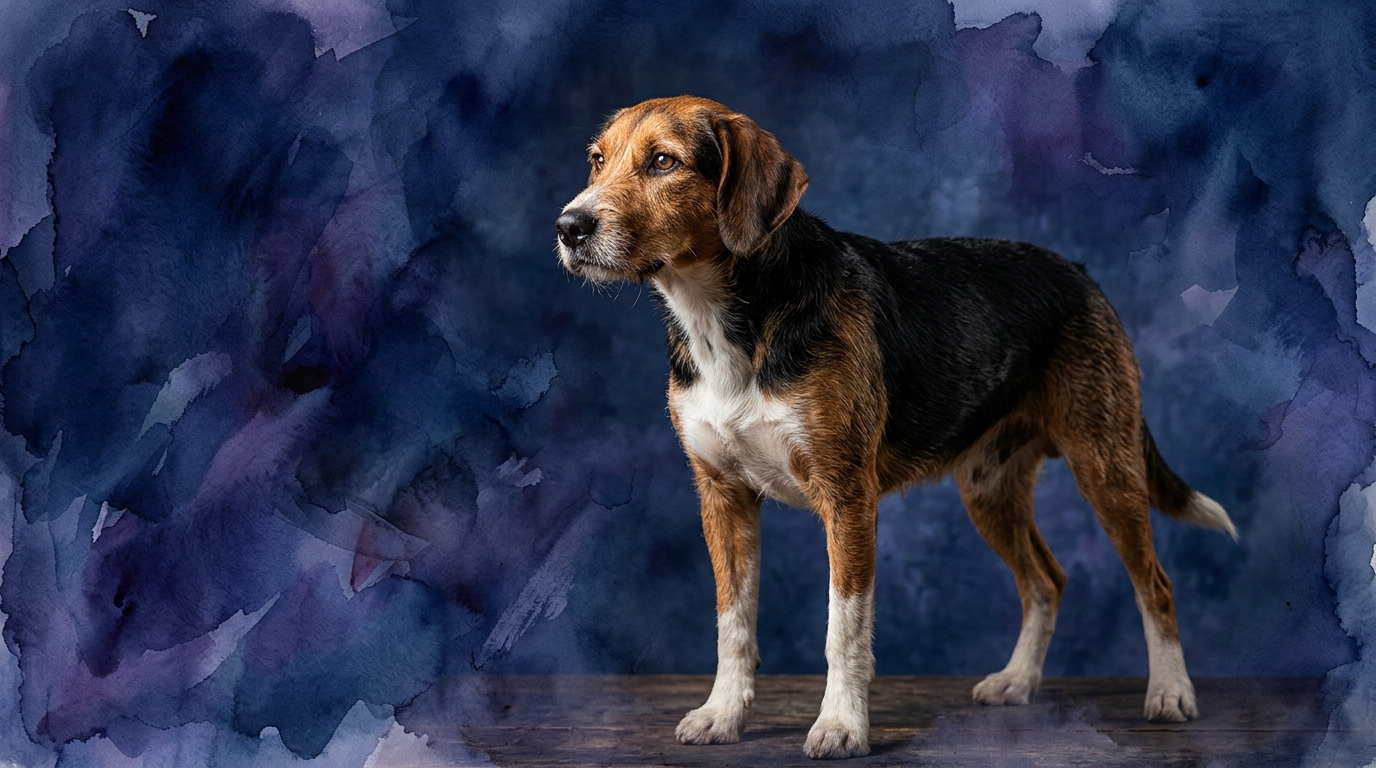
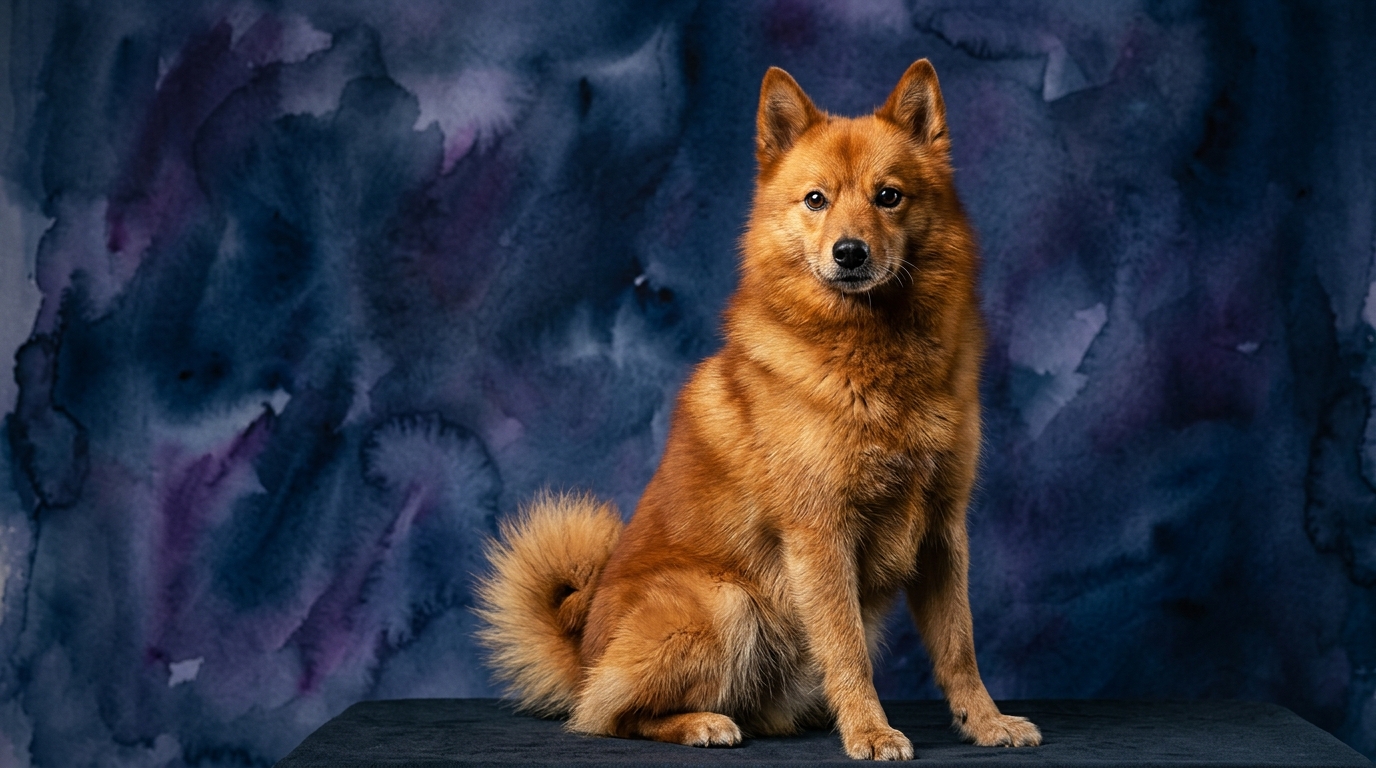
Side-by-Side IQ Profile: Harrier vs. Finnish Spitz
The Cosmic Pet Pet IQ Lab assesses five crucial dimensions of canine intelligence, providing a structured look at how breeds process and interact with their world. For both the Harrier and the Finnish Spitz, each dimension registers a score of 3/5, indicating a solid, functional level of cognitive ability, yet the expression of these scores varies dramatically based on their breed-specific histories and instincts.
For the Harrier, a dedicated pack hound, their **Problem Solving (3/5)** excels in practical, scent-driven deduction, such as meticulously following complex scent trails to locate quarry. Their cognitive strength lies in persistent, sequential analysis within their primary hunting context, demonstrating effective, specialized problem-solving rather than abstract puzzle-solving. Their **Training Speed (3/5)** is consistent but requires patience; powerful olfactory instincts can frequently override direct instruction, demanding persistent engagement. In **Social Intelligence (3/5)**, Harriers navigate canine pack dynamics with ease, often integrating smoothly into multi-dog households, though they maintain an independent streak with humans. Their **Instinctive Drive (3/5)** is profoundly centered on scent work and the chase, manifesting as an insatiable curiosity and desire to explore with their noses. Finally, their **Memory (3/5)** is strong for established routines, familiar individuals, and particularly for scent patterns and successful hunting strategies, recalling commands when consistently reinforced.
The Finnish Spitz, known as the 'barking bird dog,' approaches these dimensions from a different angle. Their **Problem Solving (3/5)** often manifests as cleverness in achieving their own objectives, such as figuring out how to get a treat or open a specific door, rather than complex, multi-stage tasks. They exhibit resourcefulness in manipulating their immediate environment and influencing their human companions. Their **Training Speed (3/5)** can be quick when motivated by positive reinforcement, but their independent and somewhat foxy nature means they choose when to comply, requiring engaging and rewarding methods. In **Social Intelligence (3/5)**, Finnish Spitz are typically devoted to their families, acting as alert watchdogs but often reserved or wary with strangers, relying on keen observation to assess new situations. Their primary **Instinctive Drive (3/5)** is vocalization, particularly their 'barking at game' instinct, which translates into a natural propensity for alert barking to communicate excitement, alarm, or self-expression. Their **Memory (3/5)** is solid for family members, household rules, and preferred routines, recalling training cues well when they perceive value in responding.
Where the Harrier Wins Cognitively
The Harrier's cognitive strengths shine brightest in scenarios demanding sustained focus on a single sensory input: scent. Their problem-solving, though rated 3/5, is exceptionally tuned for tracking, allowing them to follow intricate scent patterns over varied terrain for extended periods without losing resolve. This specialized mental endurance, coupled with an unwavering commitment to a trail, is a distinct advantage, making them unparalleled in scent-based challenges where other breeds might falter or become overwhelmed by competing stimuli.
Furthermore, their social intelligence, while also 3/5, is optimized for cooperative work within a group, a direct legacy of their pack hunting heritage. Harriers exhibit a nuanced understanding of canine hierarchy and teamwork, efficiently coordinating movements and communication during a shared task. This intrinsic ability to integrate and perform effectively within a collective unit, driven by a shared purpose, represents a specific cognitive win for the Harrier, fostering strong working relationships with other dogs.
Where the Finnish Spitz Wins Cognitively
The Finnish Spitz demonstrates a unique cognitive edge in vocal communication and environmental alertness. Their 3/5 instinctive drive is heavily weighted towards using their voice as a primary tool, not just for hunting but for expressing a wide range of emotions and observations. This makes them highly effective communicators within their family unit, often 'talking' to their owners with various barks, yips, and howls to convey needs, warnings, or simply their mood, making them very expressive companions.
Their problem-solving, rated 3/5, often manifests as cleverness in manipulating their environment or human companions to their benefit, rather than following a scent. They excel at independent observation and quick assessment of novel situations, utilizing their sharp senses and independent thought to make decisions that serve their immediate goals. This showcases a distinct type of situational awareness and resourcefulness, allowing them to adapt quickly to changes and find creative solutions to daily challenges.
Which is Easier to Train and Why
Neither the Harrier nor the Finnish Spitz is considered a 'beginner's dog' in terms of training ease, both scoring 3/5 in training speed, yet their challenges stem from distinctly different behavioral roots. The Harrier's training often feels like a constant battle against their nose; even the most enticing treat can be ignored if a compelling scent wafts by. Their hound nature dictates a strong drive to follow a trail, requiring trainers to develop immense patience and creative strategies to maintain focus amidst environmental distractions. Successful training involves understanding and channeling this powerful instinct, rather than trying to suppress it entirely, often necessitating long-line work and secure environments to prevent them from bolting.
The Finnish Spitz, on the other hand, presents a different set of training considerations primarily due to their independent spirit and vocal nature. While they are eager to please their family, they possess a foxy cleverness and a tendency to evaluate if a command truly benefits them. Their strong instinctive drive to bark at anything novel or interesting means that managing vocalization is a significant training component, requiring consistent positive reinforcement and early socialization. Their willingness to engage in training is often high when the activity is fun and rewarding, but they can quickly disengage if they perceive it as monotonous or pointless, demanding varied and engaging sessions to hold their interest.
Which Suits Active Owners vs. Relaxed Owners
For active owners, the Harrier is generally the more suitable choice. Their hound heritage demands substantial daily exercise, ideally incorporating opportunities for sniffing and exploring varied terrains. Owners who enjoy long hikes, trail running, or participating in scent work and tracking sports will find a Harrier a fulfilling companion. Their stamina and desire to be out and about align perfectly with an energetic lifestyle, providing a partner for adventure and outdoor exploration.
The Finnish Spitz can adapt to a slightly less intensely active lifestyle, though they still require regular mental and physical stimulation. While they appreciate walks and playtime, their exercise needs can often be met with vigorous indoor play, yard access, and shorter, frequent outings. They are better suited for owners who might enjoy a brisk daily walk but also appreciate a dog content to observe the household from a comfortable vantage point, ready to alert with a bark rather than constantly demanding to be on the move. They are excellent companions for those who value an alert family member and are prepared to manage their vocal nature with consistent training and enrichment.
The Verdict
Choose the Harrier if you are an active, outdoors-oriented individual or family deeply committed to channeling a dog's powerful scent drive into productive outlets. They thrive with owners who appreciate persistence, patience, and the joy of working with a dog whose world is defined by its nose, offering an unparalleled companion for scent-based activities and long adventures.
Opt for the Finnish Spitz if you seek a loyal, vocal family companion who brings an alert presence and foxy charm to your home, and you are prepared to manage their distinctive barking tendencies. They suit owners who appreciate an independent yet devoted dog, willing to engage in positive, varied training, and who enjoy a conversational canine partner.
🧠 Find Your Pet's IQ Score
Our Pet IQ Lab assessment covers 25+ tests across 5 cognitive dimensions — personalized to your breed.
Take the Full IQ Test →Frequently Asked Questions
Are Harriers and Finnish Spitz difficult to train?
Both breeds present unique training challenges. Harriers are often distracted by scents, requiring immense patience and consistency to keep their focus, while Finnish Spitz are independent and vocal, necessitating engaging, positive reinforcement and early management of barking. Neither is typically recommended for first-time dog owners without a strong commitment to training.
Do Harriers or Finnish Spitz get along with other pets?
Harriers, being pack hounds, generally socialize well with other dogs, though their strong prey drive might make them unsuitable for homes with small non-canine pets without careful introduction and supervision. Finnish Spitz can coexist with other dogs and cats, especially if raised together, but their independent nature and alertness may require thoughtful management in multi-pet households.
Which breed is more prone to barking?
The Finnish Spitz is significantly more prone to barking due to their historical role as 'barking bird dogs,' where vocalization is a key part of their hunting instinct. Harriers will bark, especially when on a scent trail or when excited, but their vocalization is generally less frequent and varied than that of a Finnish Spitz, whose barks are a central aspect of their communication.