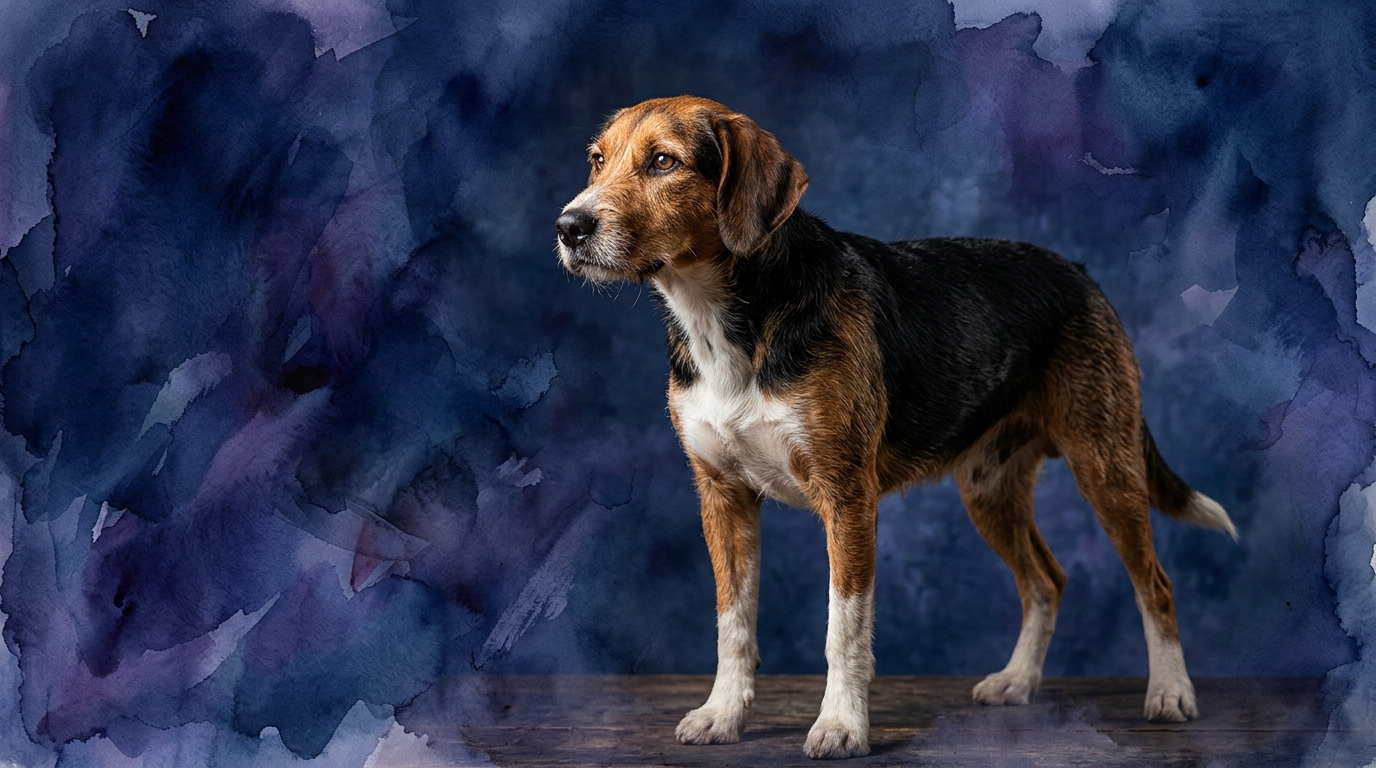
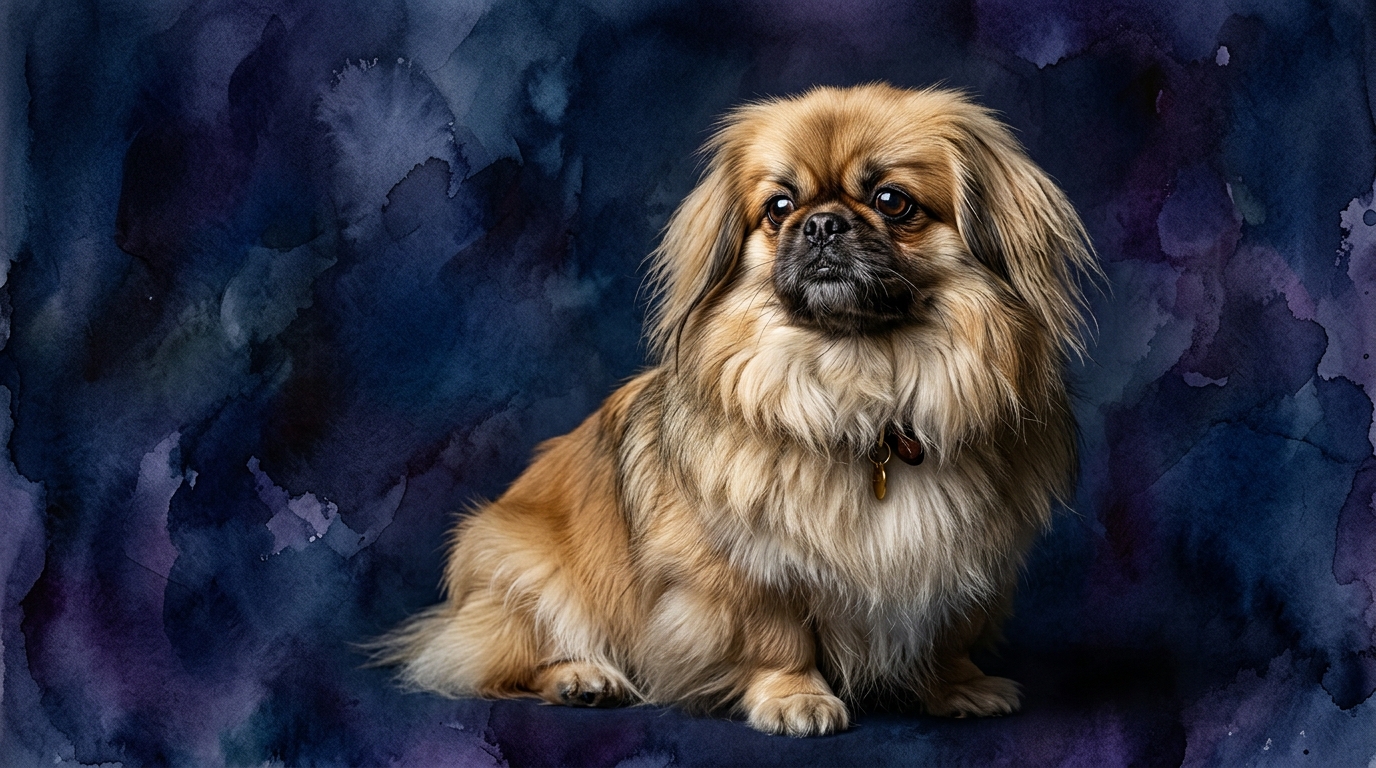
Side-by-Side IQ Profile: Harrier and Pekingese
The Cosmic Pet Pet IQ Lab's assessment provides a fascinating lens through which to compare the Harrier and Pekingese, both scoring 3/5 across all five cognitive dimensions: problem-solving, training speed, social intelligence, instinctive drive, and memory. For the Harrier, a quintessential hound, problem-solving manifests as an acute ability to decipher complex scent trails and navigate varied terrain to locate quarry; this is an intricate, real-world application of their senses to achieve a tangible goal. Their training speed, while moderate at 3/5, is often challenged by their independent nature and an overwhelming drive to follow a compelling scent, requiring trainers to be patient and consistent to override deeply ingrained instincts. Social intelligence in Harriers centers on their pack mentality, understanding hierarchies within a group, and coordinating efforts during a hunt, generally gregarious with other canines. The Harrier's instinctive drive, also 3/5, is profoundly rooted in their heritage for pursuit and tracking, a relentless, focused energy. Finally, their memory, while rated 3/5, is particularly impressive for retaining intricate scent patterns, territorial knowledge, and the successful strategies used in past hunts, rather than rote memorization.
The Pekingese, a toy breed with a venerable history as a companion to Chinese royalty, interprets these same cognitive scores through a completely different lens. Their problem-solving at 3/5 is less about outdoor navigation and more about mastering their domestic environment; this might involve devising strategies to gain attention, secure a comfortable spot, or subtly manage household dynamics to their advantage, showcasing a nuanced understanding of their human companions. Training speed, also 3/5, is influenced by their famously independent and sometimes stubborn temperament; they are certainly capable of learning commands but often weigh the perceived benefit of compliance against their own desires, learning most efficiently when they perceive an advantage. Social intelligence for the Pekingese, rated 3/5, is highly refined in understanding human emotions and the subtle cues of their immediate family, often exhibiting a watchful protectiveness over their chosen few, while reserved with strangers. Their instinctive drive, 3/5, is predominantly expressed as a strong guarding instinct, territoriality within their home, and an unwavering devotion to their primary human, rather than physical pursuit. The Pekingese's memory, also 3/5, is strong for routines, preferred people, and boundaries, and they are known to remember past interactions, both positive and negative, demonstrating a robust associative memory.
Where the Harrier Excels Cognitively
The Harrier's cognitive strengths shine brightest in scenarios demanding sustained focus on sensory input and physical endurance. Their unparalleled ability to discriminate between myriad scents and follow a specific trail, even one hours old, represents a sophisticated form of problem-solving that few breeds can match; this isn't just sniffing, but a complex mental mapping of an olfactory landscape. Furthermore, their capacity for cooperative problem-solving within a pack, understanding the roles and movements of other dogs to collectively achieve a goal, showcases a unique social intelligence geared towards functional teamwork. A Harrier excels at processing environmental data in real-time to navigate rugged terrain efficiently and persistently, demonstrating a cognitive tenacity that is directly linked to their working heritage.
Where the Pekingese Excels Cognitively
Conversely, the Pekingese excels in the intricate world of human-dog companionship and domestic strategy. Their cognitive superiority lies in their acute perception of human emotional states and their ability to subtly influence interactions to their benefit; this might involve a perfectly timed gaze or a strategic re-positioning for a cuddle. While small, their territorial awareness and guarding instincts are remarkably astute, demonstrating a sophisticated understanding of their personal space and perceived threats, often employing vocalizations or body language to assert their boundaries effectively. The Pekingese's capacity to adapt their strong will to the nuances of a human household, learning which behaviors yield desired outcomes (like a comfy lap or a specific treat), showcases a practical, domestic-focused intelligence that is both charming and effective.
Training Dynamics: Harrier vs. Pekingese
Assessing which breed is “easier” to train between the Harrier and the Pekingese is less about raw learning capacity and more about managing their distinct motivations and behavioral drivers. Both breeds score 3/5 in training speed, yet this manifests differently. The Harrier's primary training challenge stems from their powerful instinctive drive and an environment rich with distracting scents. A Harrier might understand a “come” command perfectly, but the overwhelming allure of a fresh rabbit trail can easily override compliance, making consistent recall a lifelong endeavor that requires immense patience and high-value rewards. Their independence means they often prefer to make their own “decisions” based on their nose, rather than strictly adhering to human directives.
The Pekingese, on the other hand, presents a different kind of training puzzle. Their independence is rooted in a strong sense of self-importance and a selective hearing that often masks their true learning potential. A Pekingese will quickly grasp a command if they perceive it as beneficial or if delivered by a trusted human in a way that appeals to their desire for comfort or attention. However, if a command seems arbitrary or inconvenient, their stubborn streak emerges, and they may simply choose not to comply. Training a Pekingese demands creativity, positive reinforcement, and convincing them that cooperation is their idea, or at least highly advantageous. Neither breed is for the faint of heart in training; Harriers require redirection from stimuli, while Pekingese need negotiation of their regal disposition.
Matching Breed to Lifestyle: Active vs. Relaxed Owners
The choice between a Harrier and a Pekingese based on lifestyle is quite clear, directly reflecting their physical and cognitive needs. A Harrier is undeniably suited for active owners who relish outdoor adventures and can provide ample physical and mental stimulation. Their instinctive drive for tracking and endurance means they thrive with long, vigorous walks, secure off-leash running, and opportunities for scent work or canine sports. Owners must understand and channel their hound energy, recognizing that a bored Harrier can become a destructive one, making them ideal for individuals or families with an active, outdoor-centric lifestyle who appreciate an independent, yet devoted, canine companion.
Conversely, the Pekingese is an excellent fit for more relaxed owners who appreciate a devoted, watchful companion without demanding extensive physical exercise. While they enjoy short, leisurely strolls and indoor play, their energy requirements are modest. They are content to be cherished lapdogs, observing the household from a comfortable perch, and thriving on close human interaction within a calm, predictable home environment. Owners who value a dog with a strong personality, a regal demeanor, and a keen sense of domestic loyalty will find the Pekingese an ideal match, particularly those who prefer quieter activities and intimate companionship over strenuous outdoor pursuits.
The Verdict
For owners who appreciate an independent, scent-driven dog, enjoy outdoor activities, and are prepared for consistent, patient training tailored to a hound's instincts, the Harrier is an ideal companion.
For owners seeking a devoted, watchful companion who thrives on close human interaction, values comfort, and appreciates a dog with a distinct personality, the Pekingese offers a unique and rewarding partnership.
🧠 Find Your Pet's IQ Score
Our Pet IQ Lab assessment covers 25+ tests across 5 cognitive dimensions — personalized to your breed.
Take the Full IQ Test →Frequently Asked Questions
Do Harriers get along with other pets?
Harriers, being pack animals, often coexist well with other dogs, especially if socialized early, but their strong prey drive means careful introductions and supervision are vital with smaller, non-canine pets.
Are Pekingese good family dogs?
Pekingese can be excellent family dogs for homes with older, respectful children who understand how to interact gently with a small, sometimes sensitive breed; their guarding instincts make them watchful, but they prefer a calm, predictable environment.
How much grooming does each breed require?
Harriers have a short, dense coat that requires minimal grooming, primarily regular brushing to remove loose hair and occasional baths, while Pekingese, with their long, flowing double coat, demand significant daily brushing to prevent mats and tangles, plus regular professional grooming.