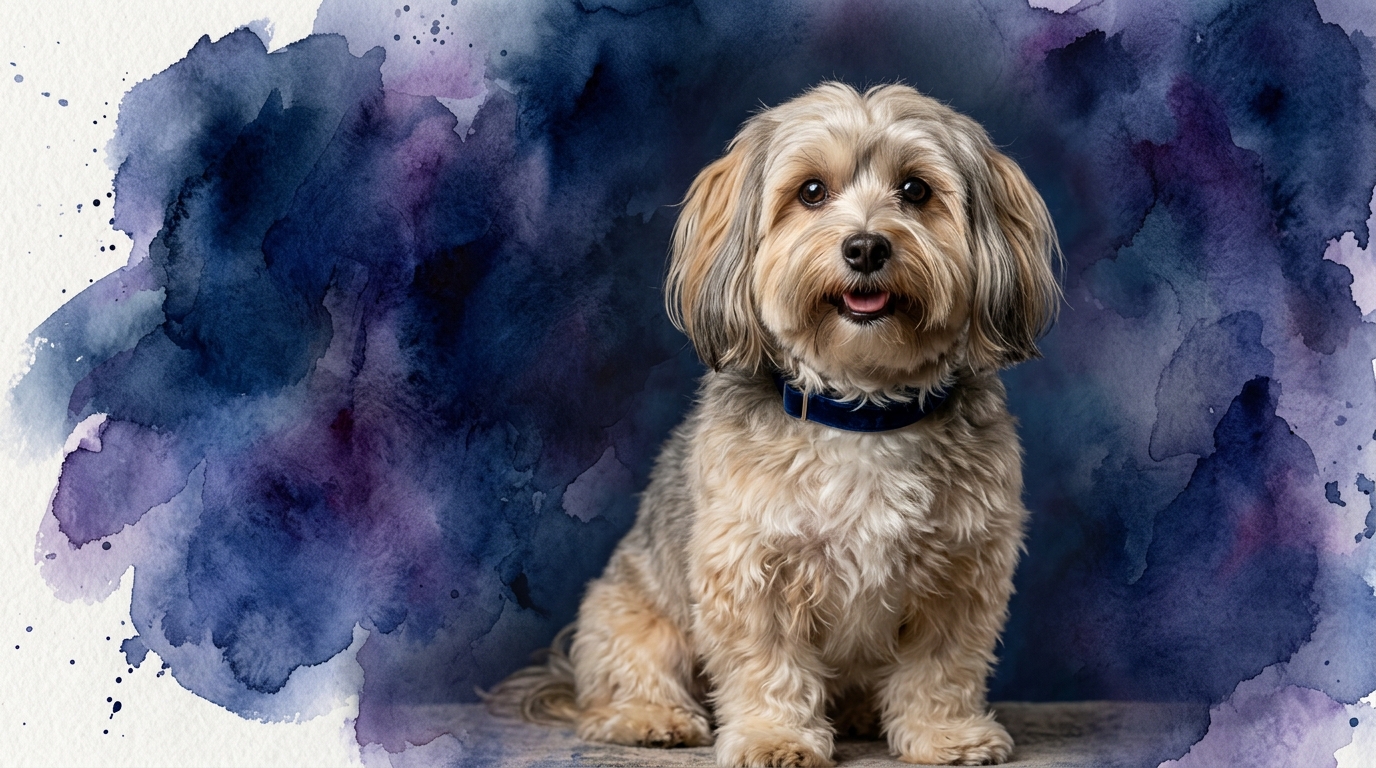
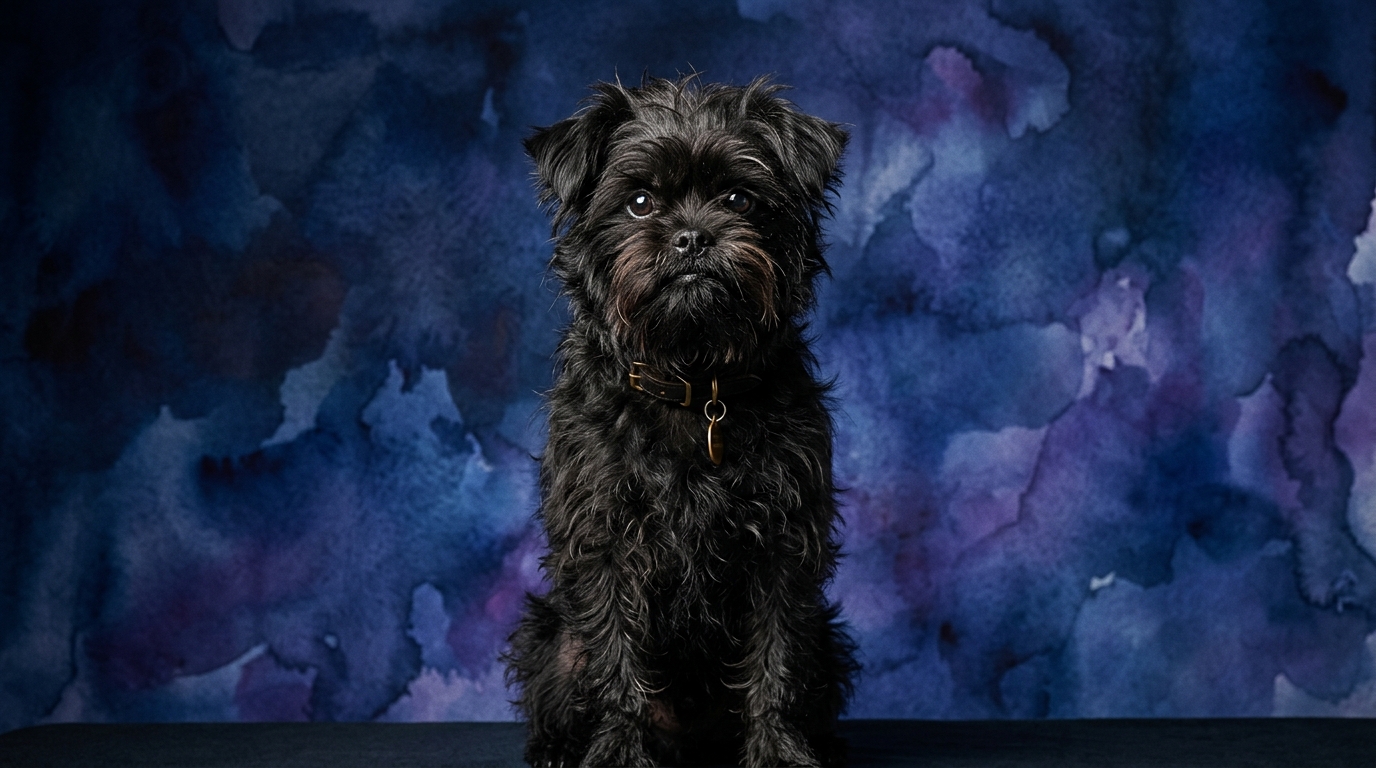
Side-by-Side IQ Profile: Havanese vs. Affenpinscher
The Cosmic Pet Pet IQ Lab employs five distinct cognitive dimensions to evaluate canine intelligence, offering a nuanced perspective beyond simple obedience. These dimensions—Problem Solving, Training Speed, Social Intelligence, Instinctive Drive, and Memory—reveal how a breed processes information, interacts with its environment, and forms bonds, providing a comprehensive understanding of their mental landscape.
The Havanese presents a fascinating profile within these dimensions. Their Problem Solving is rated at 3/5, indicating an ability to navigate moderate environmental challenges, such as figuring out how to access a slightly out-of-reach toy or bypass a simple barrier to reach their owner. Training Speed also sits at 3/5, suggesting they learn new commands and routines at a steady, reliable pace, absorbing information effectively with consistent positive reinforcement. However, their standout trait is Social Intelligence, rated an exceptional 5/5. This signifies an unparalleled capacity for empathy, an intuitive understanding of human emotions, and a deep desire for cooperative interaction, making them extraordinarily attuned companions. Their Instinctive Drive is a low 2/5, meaning they possess minimal innate urges for activities like hunting, guarding, or extensive independent exploration, preferring to remain closely engaged with their human family. Finally, their Memory is a solid 3/5, allowing them to reliably recall learned behaviors, routines, and the identities of people and places over extended periods.
In contrast, the Affenpinscher, while sharing some scores, offers a distinct cognitive flavor. Their Problem Solving matches the Havanese at 3/5, demonstrating a similar aptitude for overcoming everyday obstacles, often employing a clever, sometimes mischievous, approach to achieve their goals. Their Training Speed is also 3/5, indicating they can learn new tasks at a moderate rate, though their independent spirit may require more engaging and less repetitive training methods to maintain focus. Where they diverge notably is Social Intelligence, rated 3/5. While affectionate and capable of forming strong bonds, their social interactions are less overtly empathetic or cooperative than the Havanese; they possess a more independent streak, valuing personal space and expressing affection on their own terms rather than constantly seeking to attune to human moods. Their Instinctive Drive is a moderate 3/5, higher than the Havanese, reflecting a more pronounced curiosity, a tendency to chase small objects, and a greater inclination for independent investigation and exploration. Like the Havanese, their Memory is rated 3/5, allowing them to retain training, routines, and social connections dependably, remembering both positive and negative experiences with clarity.
Where Havanese Wins Cognitively
The Havanese’s undeniable cognitive strength lies in their exceptional Social Intelligence, scoring a perfect 5/5 compared to the Affenpinscher’s 3/5. This isn't merely about being friendly; it's about a profound, intuitive understanding of human emotions and social dynamics. A Havanese can often anticipate an owner's mood, offering comfort during distress or joining in celebratory moments without explicit prompting. They excel in cooperative learning environments, eagerly seeking to understand and fulfill human expectations, making them incredibly responsive to subtle cues and non-verbal communication. This deep attunement means they thrive on shared attention and actively participate in family life, often acting as a bridge between family members. Their low Instinctive Drive (2/5) further enhances this advantage, as they are less distracted by external stimuli or internal urges to explore independently, allowing their focus to remain squarely on their human companions. This cognitive profile makes the Havanese a natural choice for roles requiring emotional support, such as therapy work, or for individuals seeking a canine partner with an almost uncanny ability to connect on an emotional level, fostering a bond built on mutual understanding and affection.
Where Affenpinscher Wins Cognitively
While the Havanese excels in social attunement, the Affenpinscher's cognitive edge emerges from its slightly higher Instinctive Drive, rated 3/5 compared to the Havanese’s 2/5. This manifests as a more pronounced sense of curiosity, a greater inclination for independent exploration, and a spirited persistence in investigating their environment. Coupled with an equal Problem Solving score of 3/5, this drive means an Affenpinscher is often more self-motivated to tackle novel situations or figure out how to access interesting spaces. They might spend more time meticulously investigating a new scent in the yard or cleverly devising a way to reach a toy hidden under furniture, demonstrating a determined, often mischievous, problem-solving approach rooted in their inherent drive to explore. This breed's 'monkey-like' antics, often involving manipulation of objects or clever escapades, are direct expressions of this cognitive strength. For owners who appreciate a dog with a strong, independent personality and a keen interest in their surroundings, the Affenpinscher’s blend of curiosity and drive provides a fulfilling cognitive engagement, encouraging them to be active participants in discovering the world around them rather than solely relying on human direction.
Which is Easier to Train and Why
Both the Havanese and the Affenpinscher are rated 3/5 for Training Speed and Problem Solving, suggesting they are equally capable of learning new commands and navigating basic puzzles. However, the *experience* of training can differ significantly, largely due to their disparate social intelligence levels. The Havanese, with its exceptional 5/5 Social Intelligence, possesses an intrinsic desire to please and connect with its human companion. This deep emotional attunement makes them highly motivated by praise, affection, and positive reinforcement from their beloved owners. They actively seek to understand what is being asked of them, often responding to subtle vocal inflections and body language, which makes the training process feel incredibly cooperative and rewarding. Their lower Instinctive Drive (2/5) also means fewer internal distractions, allowing them to focus intently on the lesson and their trainer's guidance. This combination often translates into a smoother, more fluid training journey for the average owner, as the Havanese is eager to engage and readily offers desired behaviors to maintain that precious human connection. In contrast, the Affenpinscher, with its 3/5 Social Intelligence, approaches training with a more independent and sometimes whimsical spirit. While certainly capable of learning, they may not possess the same fervent 'people-pleasing' drive as the Havanese. Training an Affenpinscher often requires more creativity, variety, and engaging games to capture and maintain their interest, as they can become bored with repetitive drills. Their slightly higher Instinctive Drive (3/5) means they might be more easily diverted by interesting smells, sounds, or the urge to explore, demanding a trainer who can skillfully redirect their attention and make learning an exciting adventure rather than a chore. Therefore, while both breeds are cognitively equipped to learn, the Havanese's superior social acumen generally makes the training process feel 'easier' and more intuitive for owners seeking a highly cooperative canine student, while the Affenpinscher may appeal more to those who enjoy a challenge and a dog with a distinctive, independent approach to learning.
Active Owners vs. Relaxed Owners: A Cognitive Match
The choice between a Havanese and an Affenpinscher based on lifestyle preferences hinges significantly on their differing cognitive profiles. The Havanese, with its paramount 5/5 Social Intelligence and low 2/5 Instinctive Drive, is an ideal match for more relaxed owners who prioritize constant companionship and emotional connection. They thrive in environments where they are the center of family life, content with gentle indoor play, short walks, and ample cuddle time. Their cognitive makeup means they are happiest when intimately involved with their humans, reading moods and offering comfort, making them perfect for individuals or families seeking a deeply bonded, emotionally responsive presence. They adapt well to moderate activity levels but are fundamentally driven by the desire for social interaction and belonging. Conversely, the Affenpinscher, characterized by its spirited 3/5 Social Intelligence and moderate 3/5 Instinctive Drive, is better suited for owners who are more active in mind and body. While affectionate, their independence and curiosity mean they require more varied engagement and mental stimulation. Owners who enjoy exploring new places, engaging in structured play, or providing puzzle toys will find the Affenpinscher a delightful partner. Their higher drive means they appreciate opportunities to investigate, chase, and problem-solve, making them a good fit for those who can channel their spirited energy into enriching activities rather than expecting constant, passive companionship. They are dogs for owners who appreciate a strong personality and are prepared to engage their dog's inquisitive nature regularly.
The Verdict
Choose a Havanese if you prioritize a deeply bonded companion who intuitively understands your emotions and thrives on constant, gentle interaction, making them a natural fit for a relaxed, family-centric lifestyle.
Opt for an Affenpinscher if you appreciate a spirited, independent companion with a mischievous streak, seeking an engaging partner for varied activities that stimulate their curious, exploratory nature.
🧠 Find Your Pet's IQ Score
Our Pet IQ Lab assessment covers 25+ tests across 5 cognitive dimensions — personalized to your breed.
Take the Full IQ Test →Frequently Asked Questions
Are Havanese good therapy dogs?
Yes, their exceptional social intelligence (5/5) means they are highly attuned to human emotions and thrive on comforting interaction, making them well-suited for therapy work where empathy and connection are paramount.
Do Affenpinschers need a lot of exercise?
While small, Affenpinschers possess a moderate instinctive drive (3/5) and a curious nature, meaning they benefit from regular, varied activities like short walks, engaging play, and puzzle toys to satisfy their exploratory impulses and prevent boredom.
Which breed is better with children?
The Havanese, with its superior social intelligence and lower instinctive drive, often integrates more seamlessly into family life, displaying patience and a desire to interact gently with children, whereas the more independent Affenpinscher might prefer slightly older, more respectful children.