Side-by-Side IQ Profile: Havanese vs. Australian Terrier
At The Cosmic Pet Pet IQ Lab, we evaluate canine cognition across five key dimensions, providing a granular view of each breed's mental aptitudes. Understanding these specific scores helps illuminate how different breeds perceive, learn, and interact with their environment and their human companions.
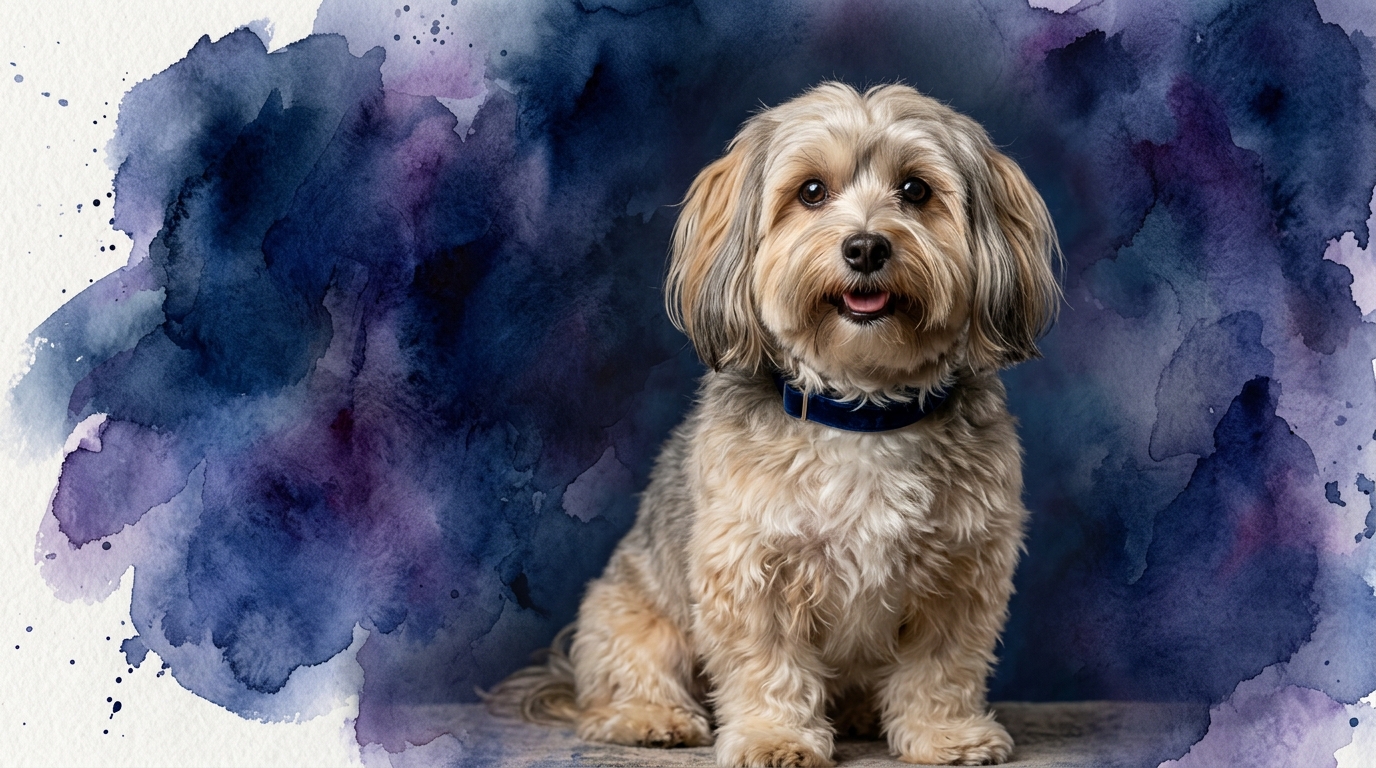
For the **Havanese**, a breed cherished for its companionship, the cognitive profile stands out particularly in its social dimensions: **Problem Solving (3/5)**: The Havanese demonstrates a moderate ability to figure out novel situations or puzzles, often relying on observation and trial-and-error. They learn sequences and understand cause-and-effect, though complex, novel challenges might require guidance. **Training Speed (3/5)**: These companion dogs show a moderate pace in acquiring new commands and routines. They are generally cooperative and eager to engage, making training a pleasant experience, and consistent repetition solidifies new behaviors. **Social Intelligence (5/5)**: This is where the Havanese truly shines, exhibiting exceptional sensitivity to human emotions, intentions, and social dynamics. They are highly attuned to their family's moods, often adjusting behavior to provide comfort or seek interaction, making them profoundly empathetic. **Instinctive Drive (2/5)**: Their drive to perform traditional dog "work" like hunting or herding is relatively low. While they enjoy play, their motivation stems from companionship and social interaction, not an inherent drive to chase or control. **Memory (3/5)**: Havanese possess a competent memory for commands, routines, and familiar people or places. They retain learned behaviors well over time, especially when associated with positive reinforcement and consistent practice.
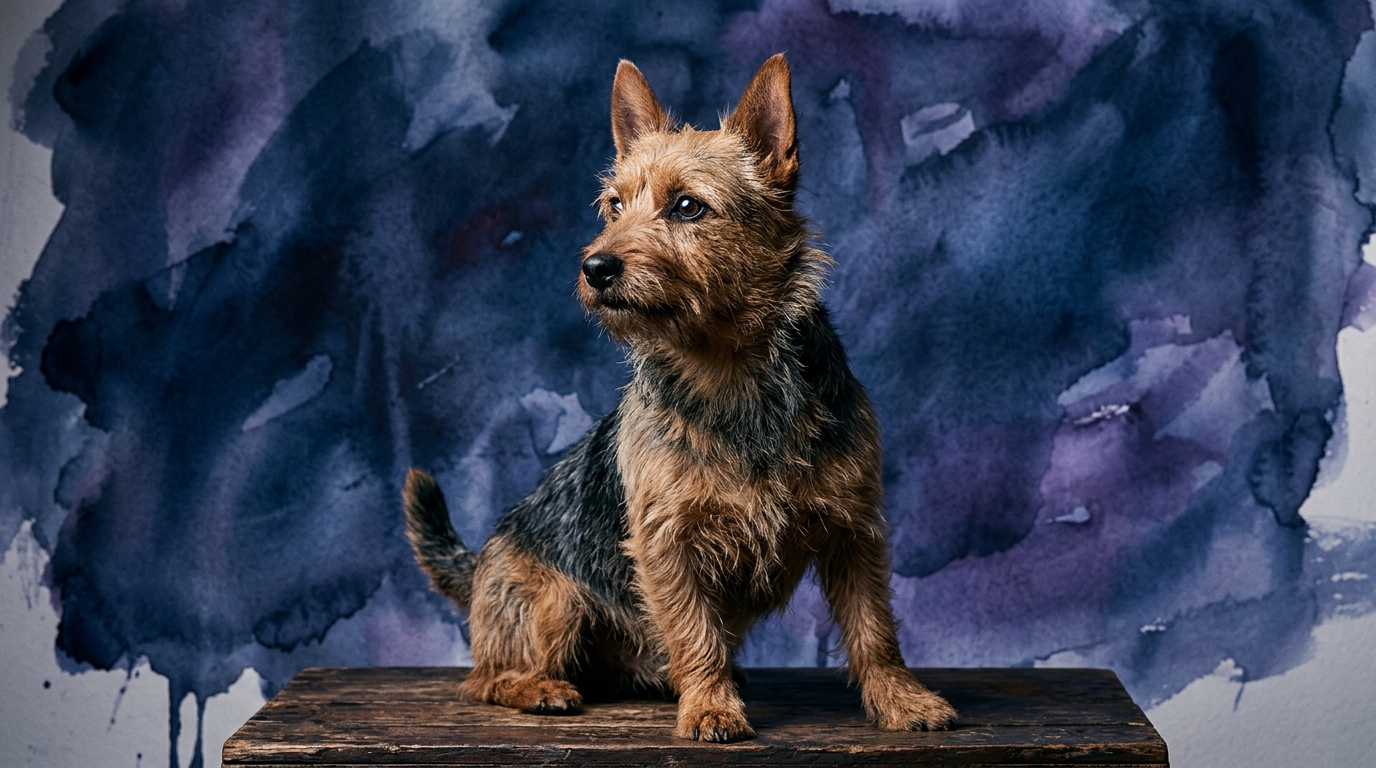
The **Australian Terrier**, a feisty member of the Terrier group, presents a slightly different cognitive emphasis, reflecting its working heritage: **Problem Solving (3/5)**: The Australian Terrier also shows a moderate capacity for problem-solving, approaching new scenarios with a blend of curiosity and persistence. They are capable of learning practical solutions to environmental challenges, though they often prefer direct approaches over elaborate strategies. **Training Speed (3/5)**: Similar to the Havanese, Australian Terriers learn new commands at a moderate pace. Their terrier tenacity can sometimes present as a momentary distraction, but their willingness to engage ensures steady progress with patience and clear communication. **Social Intelligence (3/5)**: Australian Terriers display a moderate level of social perceptiveness. They form strong bonds with their primary caregivers and can read basic human cues, but their social interactions are more straightforward and less overtly empathetic than higher-scoring breeds. **Instinctive Drive (3/5)**: Reflecting their terrier heritage, this breed possesses a moderate, yet distinct, drive for activities like digging, chasing small prey, and exploring. This translates into spirited play and a natural inclination to investigate surroundings. **Memory (3/5)**: Australian Terriers demonstrate a competent memory for learned behaviors, commands, and the layout of their environment. They generally retain training well, particularly when the learned tasks align with their natural drives or are reinforced through consistent engagement.
Where the Havanese Wins Cognitively
The Havanese distinctly excels in social intelligence, scoring a perfect 5/5 compared to the Australian Terrier's 3/5. This pronounced difference means the Havanese possesses an extraordinary ability to interpret and respond to human emotional states and social signals. They are profoundly attuned to the subtle shifts in their owner's mood, often initiating comforting nudges or playful invitations precisely when needed. This deep empathy allows them to form exceptionally strong, almost intuitive bonds, making them highly responsive to social cues during interactions and particularly adept at providing emotional support. Their cognitive strengths lie in understanding human-dog communication nuances, enabling seamless integration into family dynamics as sensitive, perceptive companions.
Where the Australian Terrier Wins Cognitively
While sharing similar scores in problem-solving, training speed, and memory, the Australian Terrier edges out the Havanese in instinctive drive, scoring 3/5 against the Havanese's 2/5. This higher drive signifies a more pronounced inherent motivation for independent investigation, chasing, and engaging with their environment in a purposeful manner. This manifests as a greater tenacity when pursuing a scent, a more focused approach to digging, or a sustained interest in "working" through a puzzle toy. Their cognitive edge here is rooted in a robust internal engine that propels them to explore and interact with the world with a certain spirited independence, often demonstrating a persistent focus on tasks that tap into their natural terrier predispositions. This drive provides mental stimulation, favoring self-directed exploration and sustained engagement.
Which is Easier to Train and Why
Both the Havanese and Australian Terrier share a 3/5 rating for training speed, suggesting they learn new commands at a comparable, moderate pace. However, their differing social intelligence and instinctive drives create distinct training experiences. The Havanese, with its superior social intelligence (5/5), is often highly motivated by a desire to please its human companions and maintain harmonious social interaction. This means they are typically very receptive to positive reinforcement, eager to engage in training sessions that strengthen their bond, and quick to pick up on subtle cues from their handler. Their lower instinctive drive (2/5) also means fewer internal distractions from chasing scents or digging, allowing for more focused attention on the trainer.
Conversely, the Australian Terrier, while equally capable of learning, might require a trainer to harness its moderate instinctive drive (3/5). Their natural curiosity and terrier tenacity could lead to moments of independent exploration or fixating on environmental stimuli. Training an Australian Terrier often benefits from incorporating engaging, "game-like" activities that appeal to their drive for problem-solving or chasing, making it feel less like rote learning and more like a shared adventure. Therefore, while both learn at a similar speed, the Havanese might feel "easier" for owners prioritizing cooperation and social responsiveness, whereas the Australian Terrier requires a more creative, engaging approach to maintain focus against its inherent drives.
Which Suits Active Owners vs. Relaxed Owners
The choice between a Havanese and an Australian Terrier largely depends on an owner's lifestyle preference for activity and engagement. The Havanese, with its lower instinctive drive (2/5) and profound social intelligence (5/5), generally suits owners seeking a companion that thrives on close human interaction and indoor comfort. While they enjoy walks and playful romps, their primary need for mental stimulation comes from being an integral part of family life, engaging in social games, and receiving abundant affection. They are well-suited for more relaxed households where consistent companionship and gentle, interactive play are prioritized over vigorous outdoor adventures or independent tasks.
Conversely, the Australian Terrier, with its moderate instinctive drive (3/5) and terrier heritage, leans towards suiting more active owners. They possess a spirited energy and a natural inclination for exploration, digging, and chasing. While they also cherish family time, they benefit significantly from regular opportunities to engage in physical activities that allow them to express their natural drives, such as brisk walks, structured playtime, or even participation in dog sports like earthdog trials or agility. Owners enjoying outdoor activities and providing consistent mental and physical outlets for a tenacious, curious companion will find the Australian Terrier a rewarding match.
The Verdict
For those seeking a deeply empathetic, socially intuitive companion thriving on close human connection and integrated family life, the Havanese, with its exceptional social intelligence, is an ideal choice.
If your lifestyle leans towards outdoor activities, enjoys a spirited companion with a moderate independent streak, and you channel their natural drives into engaging pursuits, the Australian Terrier will be a tenacious, rewarding partner.
🧠 Find Your Pet's IQ Score
Our Pet IQ Lab assessment covers 25+ tests across 5 cognitive dimensions — personalized to your breed.
Take the Full IQ Test →Frequently Asked Questions
Do Havanese and Australian Terriers learn commands at the same rate?
Yes, both breeds have a Training Speed rating of 3/5, indicating they acquire new commands at a moderate pace. The Havanese's social intelligence might make them seem more eager, while the Australian Terrier's drive might require more engaging methods.
Which breed is better at understanding human emotions?
The Havanese significantly excels in this area, with a Social Intelligence rating of 5/5, compared to the Australian Terrier's 3/5. Havanese are remarkably attuned to human moods and social cues, making them highly empathetic companions.
Is one breed more prone to chasing or digging than the other?
Yes, the Australian Terrier has a higher Instinctive Drive (3/5) compared to the Havanese (2/5). This means Australian Terriers are generally more inclined towards activities like chasing small prey or digging, reflecting their terrier heritage.