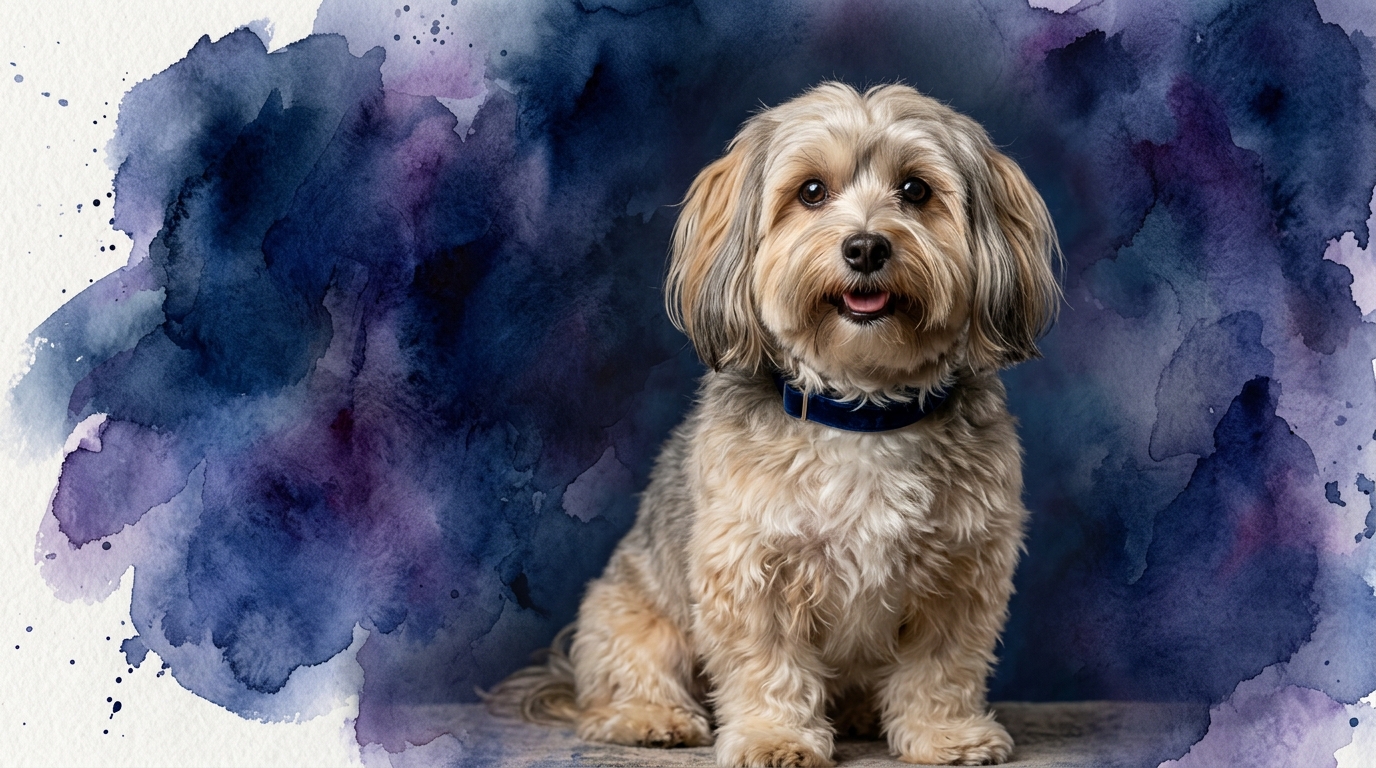
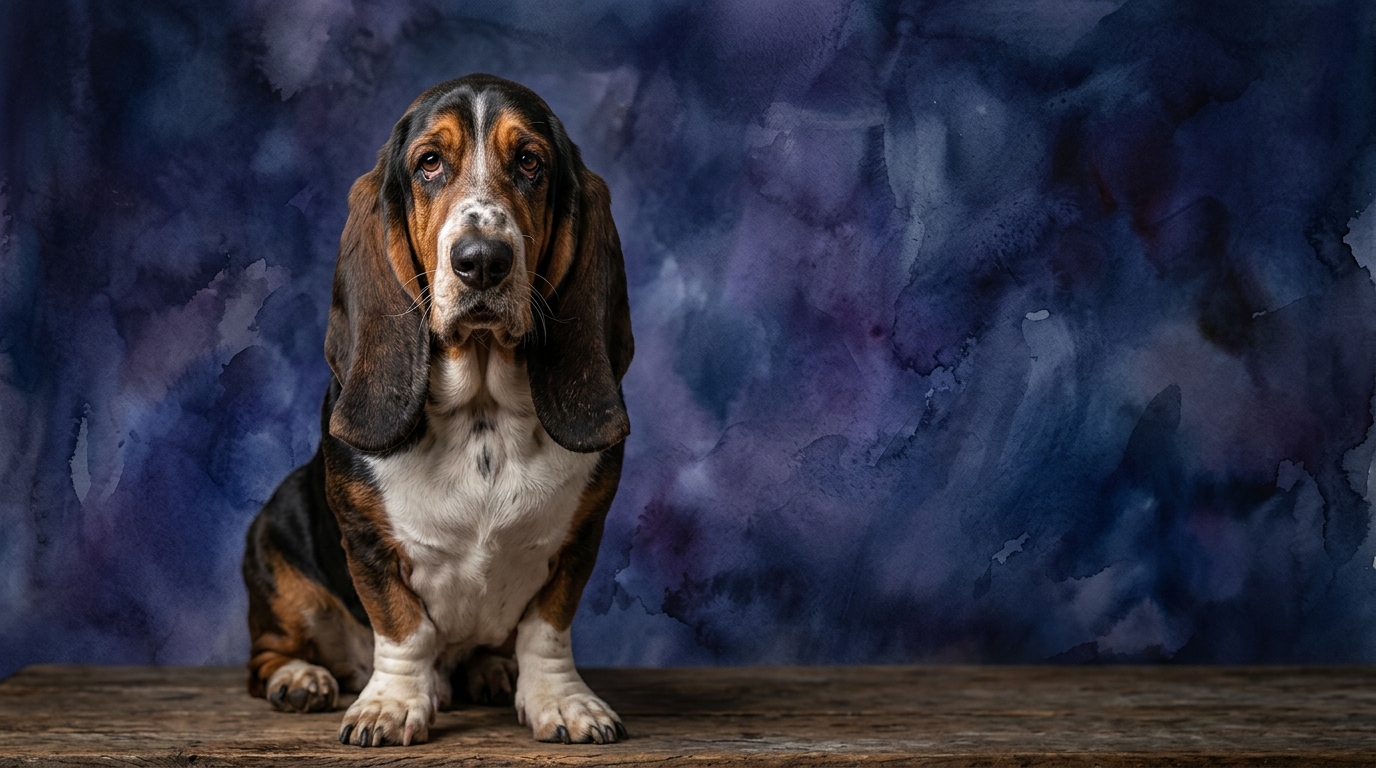
Side-by-side IQ Profile
In Problem Solving, both the Havanese and Basset Hound score a 3/5, indicating a moderate capacity for navigating challenges. Havanese typically learn through observation and repeated attempts, often with cheerful persistence directed towards comfort or gaining attention. They can figure out how to open simple latches or navigate familiar obstacles.
Similarly, Basset Hounds, with their 3/5 problem-solving rating, possess an average ability to navigate challenges, often through methodical exploration, particularly when a scent trail is involved. Without a strong olfactory stimulus, their problem-solving might appear less motivated or more reliant on trial-and-error, focusing on immediate rewards rather than complex strategy.
For Training Speed, both breeds also share a 3/5 rating, suggesting they are trainable but not the quickest learners in an obedience setting. Havanese, with their eagerness to please, respond well to positive reinforcement and consistent methods, picking up basic commands with regular, engaging practice that leverages their desire for interaction.
Basset Hounds, despite the same score, present a different training dynamic due to their inherent independence. They require patience and a firm but gentle hand, understanding commands but often choosing to execute them on their own timeline, especially if a more interesting scent or activity beckons. Consistency is paramount to overcome their occasional selective hearing.
A significant divergence appears in Social Intelligence, where the Havanese excels with a perfect 5/5. They are incredibly adept at understanding and responding to human emotions and social cues, highly attuned to their owners' moods, often seeking to comfort or entertain. This cognitive strength allows them to adapt seamlessly to various social settings and bond deeply with people.
Basset Hounds, with a 3/5 in social intelligence, are generally amiable but less intensely focused on human social dynamics. While affectionate with their families, their primary cognitive engagement often lies with their sense of smell rather than reading subtle human signals. They appreciate companionship but might not seek to actively "please" in the same way a Havanese does, content in their own sensory world.
In Instinctive Drive, the Havanese demonstrates a low 2/5. This means they possess minimal prey drive or strong territorial instincts, making them highly adaptable to various living situations, including apartments. Their primary "drive" is often focused on companionship and play within the family unit, rather than following a scent trail or guarding property.
Basset Hounds, scoring 3/5, retain a moderate but distinct instinctive drive rooted in their heritage as scent hounds. This manifests as a powerful urge to follow interesting smells, often leading them to become engrossed and temporarily deaf to owner commands. While not as intense as some working breeds, this drive is a fundamental part of their cognitive makeup and needs to be acknowledged and managed by owners.
Finally, both breeds score a 3/5 in Memory, indicating an average capacity for retaining information. Havanese can remember routines, commands, and familiar faces, but complex sequences or infrequent instructions might fade without regular reinforcement. Their memory is sufficient for daily living and maintaining learned behaviors within a consistent environment.
Similarly, Basset Hounds possess an average memory, recalling their training and routines, but their memory can sometimes be overshadowed by their immediate sensory experiences. A strong scent might divert their attention from a remembered command, not due to lack of recall, but due to an overriding instinctual pull, demonstrating their unique cognitive prioritization.
Where Havanese Wins Cognitively
The Havanese's clear cognitive advantage lies in its exceptional social intelligence. Scoring a perfect 5/5, they are masters of emotional perception and relational navigation, incredibly adept at reading human body language, vocal tones, and even subtle shifts in mood, allowing them to respond with empathy or playful distraction. Their cognitive processes are deeply intertwined with fostering human connection, making them highly responsive companions who intuitively understand social dynamics.
This superior social cognition translates into a dog that is often described as "velcro" – not out of separation anxiety, but from a genuine, cognitively driven desire to be involved and in tune with their human family. They use their social understanding to adapt their behavior, whether it's offering comfort during distress or initiating a game when spirits are high. Their internal world is oriented towards harmonious interaction, a cognitive trait that makes them remarkably easy to integrate into diverse family structures and social settings.
Where Basset Hound Wins Cognitively
While the Havanese excels in social nuances, the Basset Hound's cognitive strength is rooted in its highly developed sensory processing, particularly its olfactory intelligence. With a 3/5 instinctive drive, their brains are wired to meticulously analyze and follow scent trails, a complex cognitive task that requires sustained focus, discrimination, and memory for specific odors. This isn't just a physical act; it's a sophisticated mental process of interpreting an invisible world of information.
This specialized cognitive ability allows them to excel in tasks that demand persistence and methodical exploration, often to the exclusion of other stimuli. While their problem-solving score is average, when a scent is involved, their cognitive persistence and ability to "puzzle out" a trail demonstrate a unique form of intelligence. They are not easily distracted from a scent mission, showcasing a distinct mental fortitude and a deep connection to their ancestral purpose.
Which is Easier to Train and Why
Between the two, the Havanese generally presents as the easier breed to train, primarily due to their superior social intelligence and lower instinctive drive. Their 5/5 social intelligence means they are inherently motivated to please their human companions and are highly attentive to social cues, making them eager participants in training sessions. They respond well to positive reinforcement and praise, valuing the connection and approval from their owners.
Conversely, the Basset Hound, despite sharing a 3/5 training speed score, can be more challenging due to its moderate instinctive drive and independent nature. While they are capable of learning, their powerful olfactory focus often means their attention can be easily diverted by interesting scents, making them appear stubborn or distracted. Training a Basset Hound requires immense patience, consistency, and understanding that their cognitive processes are often prioritizing scent information over owner commands, necessitating highly engaging and reward-based methods to keep them focused.
Which Suits Active Owners vs Relaxed Owners
For owners seeking an active, engaged companion who thrives on interaction, the Havanese is often the more suitable choice. While not requiring extreme physical exertion, their high social intelligence means they are mentally active participants in family life, enjoying interactive games, short walks, and learning new tricks. They require owners who are willing to provide consistent mental stimulation through training and social engagement, as their cognitive needs are largely met through human connection and varied experiences.
The Basset Hound, on the other hand, is an ideal fit for more relaxed owners who appreciate a calm, independent presence. While they do require daily walks to satisfy their moderate instinctive drive for sniffing and exploration, their energy levels are generally lower, and they are content with lounging after their "scent walks." Owners must understand and respect their cognitive inclination towards independent olfactory investigation, providing opportunities for safe sniffing while also managing their occasional stubbornness with patience rather than demanding constant, eager obedience.
The Verdict
Choose the Havanese if you prioritize a highly socially attuned companion who thrives on interaction, reads your emotions, and integrates seamlessly into family life with minimal instinctive distractions.
Opt for the Basset Hound if you appreciate an independent, calm presence, are prepared to manage a strong scent drive, and value a dog whose unique cognitive focus is rooted in its profound olfactory world.
🧠 Find Your Pet's IQ Score
Our Pet IQ Lab assessment covers 25+ tests across 5 cognitive dimensions — personalized to your breed.
Take the Full IQ Test →Frequently Asked Questions
Does the Havanese's high social intelligence make them prone to separation anxiety?
While their deep bond and social attunement mean Havanese thrive on companionship, proper early socialization and training can mitigate separation anxiety. Their cognitive desire for connection makes them sensitive to prolonged absence, but they can learn to be comfortable alone with appropriate preparation.
How does the Basset Hound's instinctive drive impact its behavior indoors?
Indoors, a Basset Hound's instinctive drive might manifest as a strong interest in household smells, occasionally leading them to investigate counters or trash. Providing ample opportunities for scent work outdoors and engaging them with puzzle toys can help satisfy this cognitive need and redirect their focus.
Given both breeds have a 3/5 for problem-solving, will they struggle with learning new things?
A 3/5 problem-solving score means both breeds possess average cognitive abilities for learning, not that they will struggle. They may require more repetition and consistent, positive reinforcement compared to breeds with higher scores, but they are fully capable of learning a wide range of commands and behaviors.