Side-by-Side Cognitive Profile
The Cosmic Pet Pet IQ Lab offers a fascinating framework for understanding canine cognition, breaking down intelligence into five core dimensions. While both the Havanese and the Black and Tan Coonhound are not Coren-ranked, their individual scores paint a vivid picture of their mental strengths and leanings, revealing more similarities than one might initially expect, alongside some critical differences.
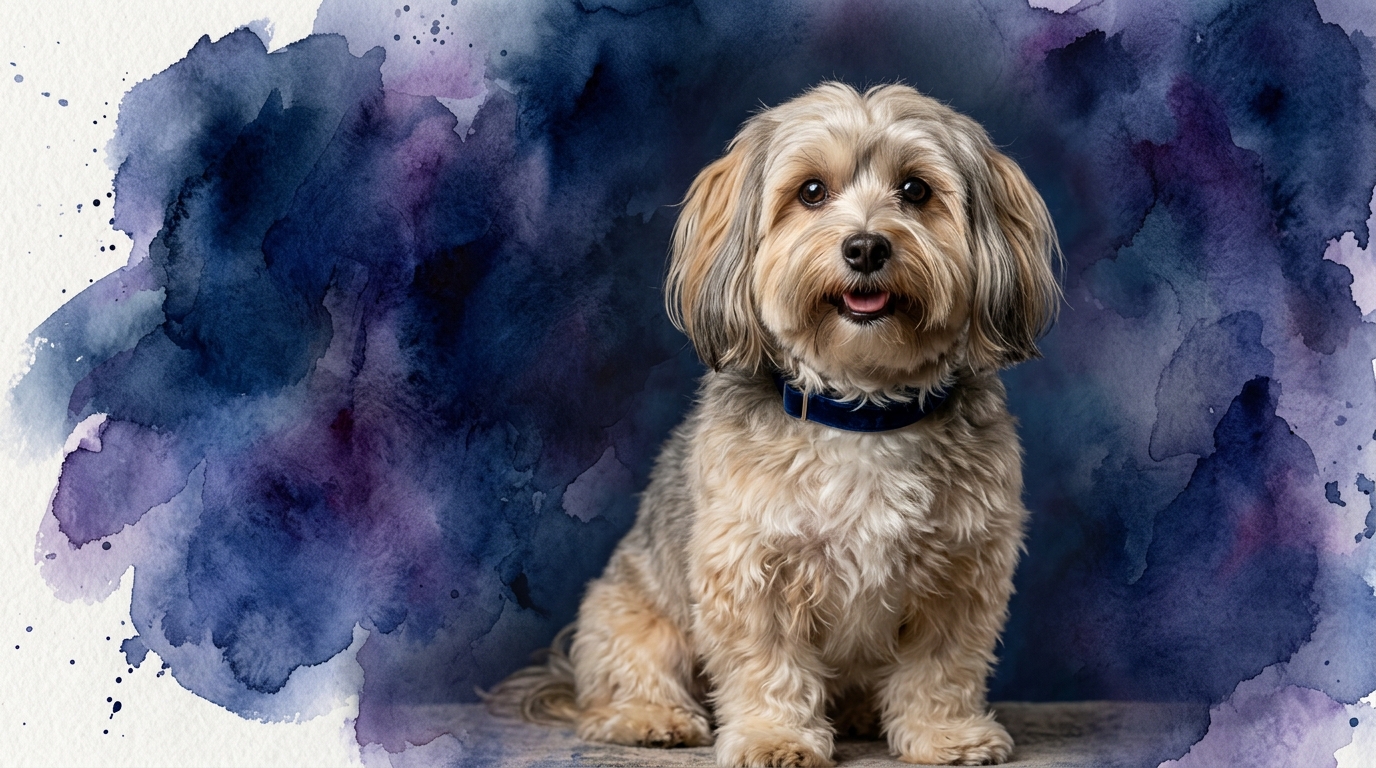
For the Havanese, we observe a Problem Solving score of 3/5, indicating an adequate capacity to navigate everyday challenges, such as figuring out how to retrieve a toy from a tight space or mastering the sequence of a new trick. Their Training Speed also stands at 3/5, suggesting they grasp new commands at a moderate pace, responding well to consistent, positive reinforcement rather than immediate mastery. Where the Havanese truly shines is in Social Intelligence, earning a perfect 5/5. This reflects an exceptional attunement to human emotions, subtle cues, and the intricate dynamics of social situations, making them highly intuitive companions. Their Instinctive Drive is lower at 2/5, meaning they are less compelled by independent exploration or primal urges like hunting. Finally, their Memory is rated at 3/5, allowing them to retain learned behaviors and recall past experiences with reasonable accuracy.
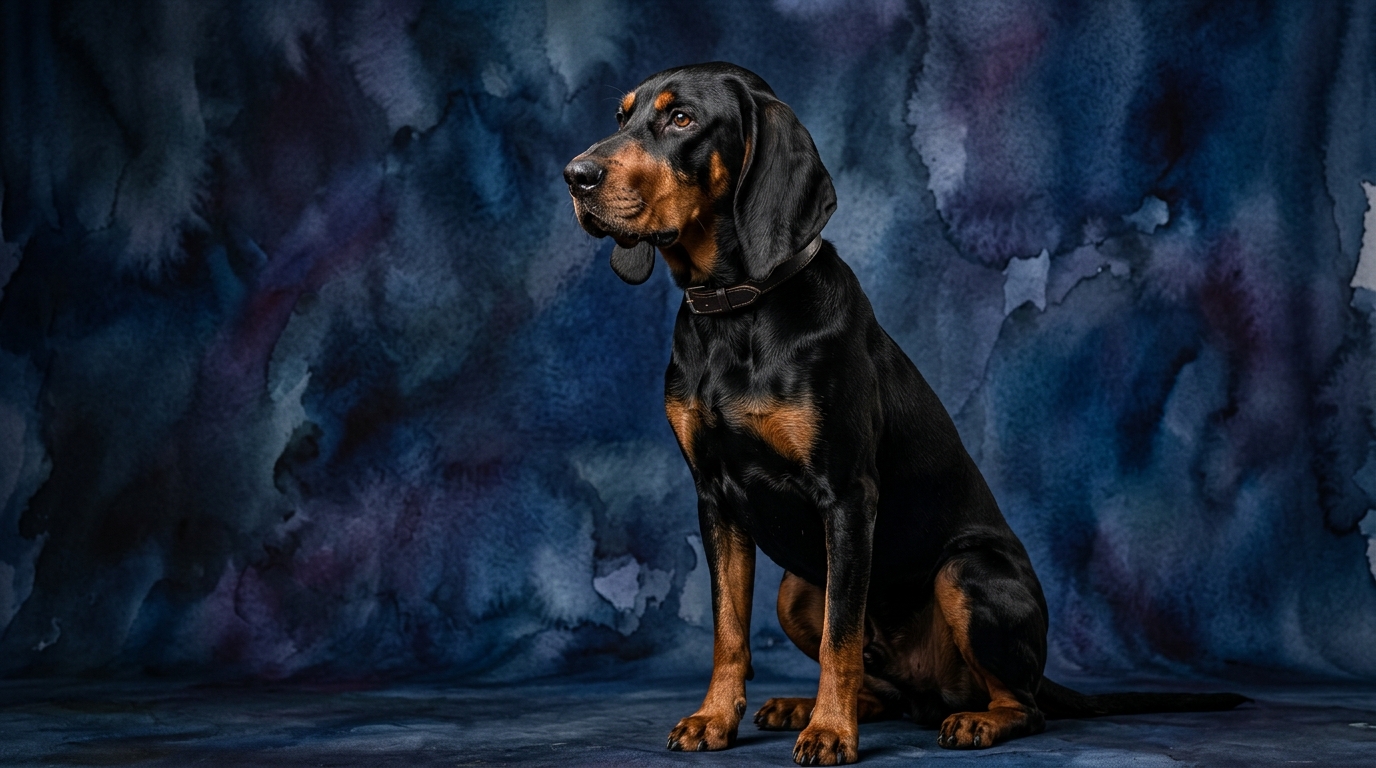
Turning our attention to the Black and Tan Coonhound, their cognitive scores present a profile that mirrors the Havanese in several key areas but diverges significantly in others. Their Problem Solving ability is also rated at 3/5, demonstrating competence in navigating their environment, perhaps finding a way around an obstacle in a field or deciphering a puzzle toy. Their Training Speed matches the Havanese at 3/5, implying they learn new tasks at a moderate rate, though the *context* of their learning can be heavily influenced by their powerful sensory world. Their Social Intelligence is a respectable 3/5, indicating they form strong bonds and understand basic human intentions, but they may not possess the same nuanced emotional sensitivity as the Havanese. The Coonhound’s Instinctive Drive is rated at 3/5, reflecting a pronounced, inherent urge for scent work, tracking, and exploration, which often guides their focus and actions. Like the Havanese, their Memory is also 3/5, enabling them to recall complex scent trails, past routes, and learned commands effectively.
Where the Havanese Excels Cognitively
The Havanese undeniably holds a cognitive advantage in the realm of Social Intelligence, where their perfect 5/5 score outshines the Coonhound's 3/5. This isn't merely about being friendly; it signifies a profound capacity to interpret and respond to human emotional states and social cues. A Havanese can often sense when their owner is feeling down, offering gentle comfort, or discern the subtle shifts in family dynamics, adjusting their behavior accordingly. They are masters of adapting to the social ecosystem of a household, understanding unspoken rules and expectations. This makes them exceptionally intuitive companions, capable of anticipating needs or responding to the slightest glance or tone of voice. Their lower Instinctive Drive (2/5) further enhances this social focus, as they are less distracted by external stimuli like scents or the urge to explore independently. Instead, their cognitive energy is largely directed towards engaging with and understanding their human family, making them superb candidates for roles requiring empathy and connection, such as therapy or emotional support animals. They thrive on being integral, understanding members of a social unit.
Where the Black and Tan Coonhound Excels Cognitively
While sharing identical scores in Problem Solving, Training Speed, and Memory with the Havanese, the Black and Tan Coonhound’s cognitive strengths are distinctly rooted in its Instinctive Drive, rated at 3/5 compared to the Havanese's 2/5. This isn't just about a stronger urge; it represents a powerful, sustained focus and tenacity tied to their sensory world. The Coonhound's problem-solving often manifests in overcoming physical obstacles or complex environments to pursue a scent, showcasing a relentless, goal-oriented application of their intellect. They can decipher intricate scent puzzles, navigating varied terrains and distractions with incredible single-mindedness. Their memory, while rated 3/5 like the Havanese, is particularly adept at storing and recalling complex scent profiles and geographical routes, essential for their tracking abilities. This breed's cognitive architecture is designed for purpose-driven work, excelling in tasks that demand endurance, independent thought in pursuit of a sensory goal, and an unwavering commitment to a perceived mission. They demonstrate a specialized form of intelligence geared towards navigating and interpreting the natural world through their powerful olfactory senses.
Which Is Easier to Train and Why
Both the Havanese and the Black and Tan Coonhound share a Training Speed score of 3/5, suggesting they grasp new commands at a moderate pace. However, the *ease* of training in a practical sense differs significantly due to their other cognitive attributes. The Havanese, with its exceptional Social Intelligence (5/5), generally proves easier to train within a typical home environment. Their profound desire to please and their sensitivity to human cues make them highly responsive to praise and positive reinforcement. They are intrinsically motivated by social interaction and connection, meaning they are often eager to learn and less prone to distraction by external stimuli. Their low Instinctive Drive (2/5) means there are fewer competing internal urges pulling their attention away from the trainer.
In contrast, while the Black and Tan Coonhound also learns at a moderate pace, their strong Instinctive Drive (3/5) can present a more pronounced challenge to a trainer. When a compelling scent enters their environment, their cognitive focus can become overwhelmingly directed towards following that scent, making it incredibly difficult to gain their attention or enforce a command. Training a Coonhound requires immense patience, consistency, and often, a higher-value reward system to compete with the allure of a captivating trail. It's not that they are 'stubborn'; rather, their cognitive processing is heavily weighted towards their olfactory senses, requiring them to actively *override* a powerful internal drive to comply with human instruction. This makes their training effective but demands more strategic and persistent effort from the owner, often necessitating distraction-proof environments in the early stages.
Suitability for Active vs. Relaxed Owners
Understanding these cognitive profiles is key to matching a dog with the right lifestyle. The Havanese is an ideal companion for more relaxed owners or those seeking a dog whose primary joy comes from close social interaction. Their cognitive strengths are best utilized in a home environment where companionship, shared indoor activities, and being an emotionally attuned family member are paramount. They thrive on being involved in daily family life, enjoying short walks, puzzle toys, and ample cuddle time. Their modest instinctive drive means they are generally content with less strenuous physical activity, provided they receive consistent mental stimulation through social engagement and interactive play.
The Black and Tan Coonhound, conversely, is best suited for active owners who understand and can effectively channel their substantial Instinctive Drive. This breed excels with individuals or families who enjoy robust outdoor activities such as long hikes, scent work, tracking, or even competitive canine sports. Their cognitive makeup demands a purpose; without adequate outlets for their powerful nose and endurance, their problem-solving ability and drive can lead to boredom, frustration, and potentially destructive behaviors. An owner prepared to engage their Coonhound’s natural inclinations and provide consistent mental and physical challenges will find a devoted and fulfilled companion eager for adventure.
The Verdict
Choose the Havanese if you prioritize an intuitively social companion who thrives on close human interaction and adapts seamlessly to a family's emotional landscape. They are ideal for owners seeking a responsive, affectionate dog whose primary joy comes from being an integral part of domestic life.
Opt for the Black and Tan Coonhound if you are an active individual or family prepared to engage a dog's powerful scent drive and provide structured outlets for their impressive stamina and tenacity. They are best suited for owners who appreciate a dog with a strong independent streak and a keen nose for adventure.
🧠 Find Your Pet's IQ Score
Our Pet IQ Lab assessment covers 25+ tests across 5 cognitive dimensions — personalized to your breed.
Take the Full IQ Test →Frequently Asked Questions
Are Havanese good companions for first-time dog owners?
Yes, their high social intelligence and eagerness to connect make them generally forgiving and responsive, which can be very beneficial for first-time dog owners learning the ropes of training and companionship.
Do Black and Tan Coonhounds require a lot of outdoor space?
While they can adapt to various living situations, their strong instinctive drive means they greatly benefit from access to secure outdoor areas where they can explore scents and engage in vigorous exercise to satisfy their natural predispositions.
Which breed is more prone to separation anxiety?
The Havanese, with its high social intelligence and strong bond with humans, can be more prone to separation anxiety if not properly conditioned to alone time, as their cognitive focus is heavily on companionship. Black and Tan Coonhounds are generally more independent but still require companionship.