Side-by-Side IQ Profile: Havanese vs. Black Russian Terrier
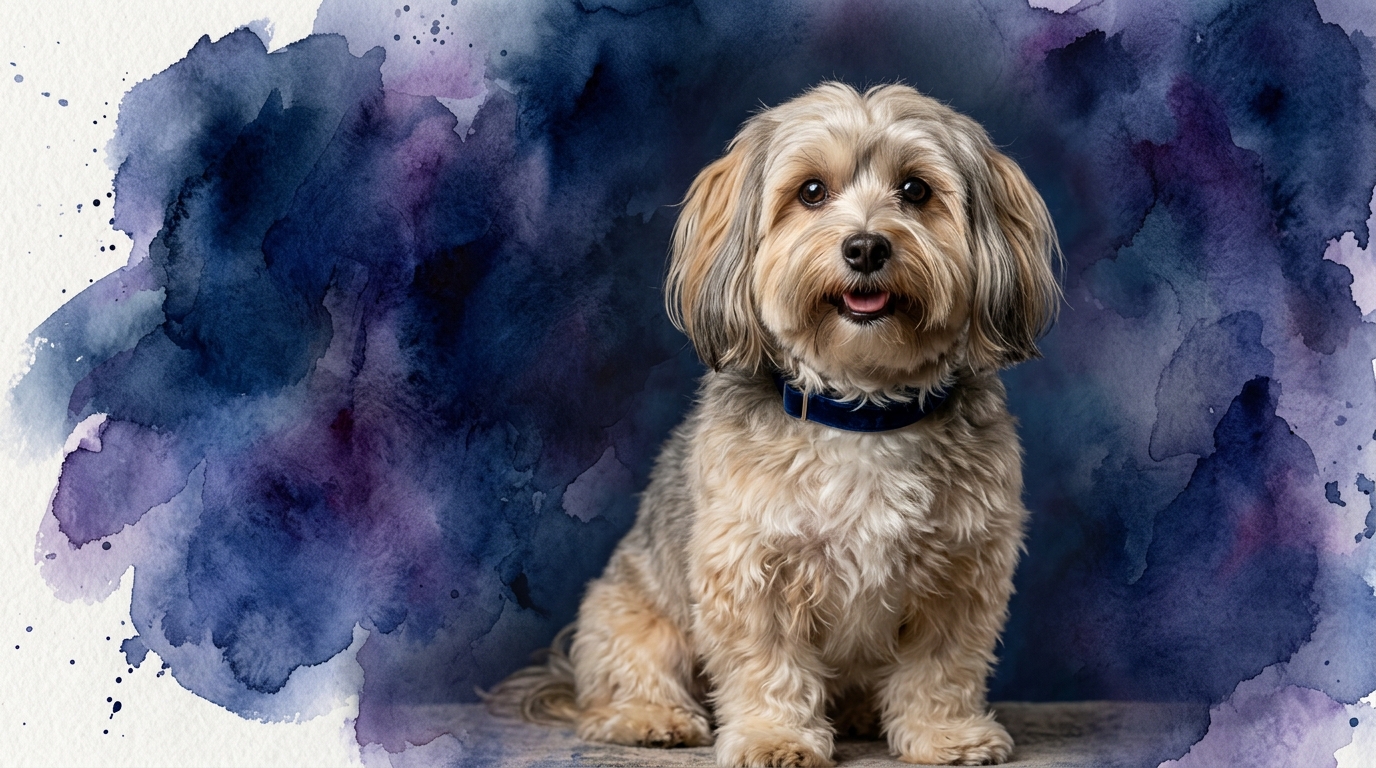
The Cosmic Pet Pet IQ Lab offers a unique lens through which to examine the cognitive landscape of various breeds, breaking down intelligence into five key dimensions. For the Havanese, a Toy group dog, the lab data reveals a balanced cognitive profile with a standout strength in social interaction. Their Problem Solving ability registers at 3 out of 5, indicating a capacity for navigating moderately complex challenges and figuring out solutions to everyday dilemmas, perhaps how to retrieve a favorite toy from under furniture. Training Speed, also at 3 out of 5, suggests a moderate pace of learning new commands and routines, neither exceptionally quick nor particularly slow, requiring consistent and engaging methods. The Havanese truly shines in Social Intelligence, earning a perfect 5 out of 5. This score points to an exceptional ability to read human emotions, adapt to social cues, and form deep, nuanced bonds with their family members, making them naturally empathetic companions. Their Instinctive Drive is rated at 2 out of 5, reflecting a lower predisposition for innate behaviors like hunting, herding, or guarding, aligning with their role as companion animals. Finally, their Memory score of 3 out of 5 indicates a solid capacity to retain learned behaviors, routes, and associations over time, ensuring they remember their training and family routines.
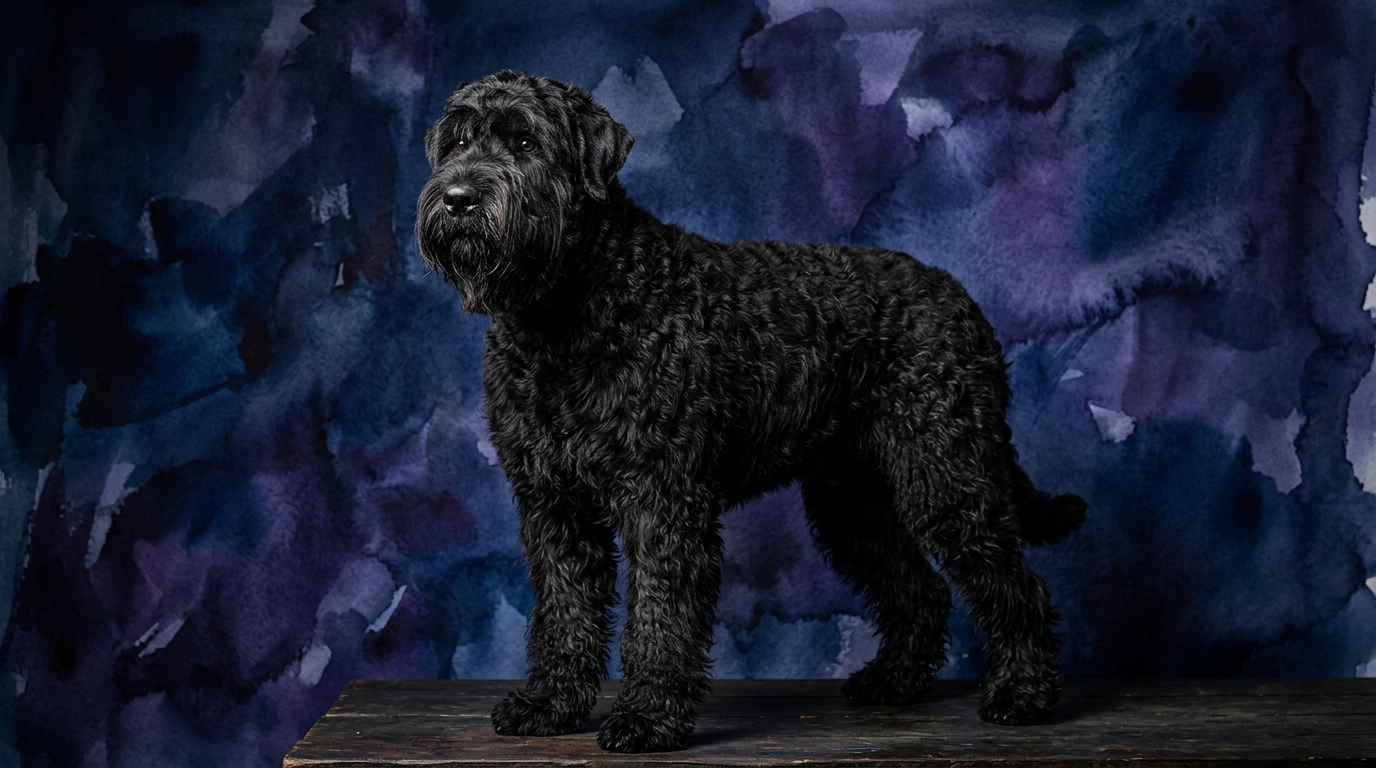
In contrast, the Black Russian Terrier, a formidable member of the Working group, presents a more uniformly distributed cognitive profile across most dimensions, albeit with a different emphasis in application. Their Problem Solving ability, like the Havanese, is rated at 3 out of 5. However, for a BRT, this might manifest in understanding complex tasks related to protection or navigating varied environments during their work. Their Training Speed also stands at 3 out of 5, suggesting they learn at a similar pace to the Havanese, but potentially with a different motivation structure, often driven by purpose and handler guidance rather than purely social connection. The Black Russian Terrier's Social Intelligence is assessed at 3 out of 5, indicating a respectable ability to interact and understand social dynamics, though perhaps with a more reserved or focused approach compared to the effusive Havanese. While they form strong bonds, their social interactions might be less overtly expressive or universally friendly. Their Instinctive Drive is slightly higher at 3 out of 5, reflecting their heritage as working dogs with a natural inclination towards guarding, protection, and vigilance, requiring outlets for these inherent tendencies. Their Memory, identical to the Havanese at 3 out of 5, ensures they retain extensive training protocols, handler commands, and spatial awareness, crucial for a dog with a working background.
Where the Havanese Wins Cognitively
The Havanese truly distinguishes itself in the realm of Social Intelligence, boasting a perfect 5 out of 5, a score significantly higher than the Black Russian Terrier's 3 out of 5. This superior social acumen means a Havanese is exceptionally adept at interpreting human moods and intentions, often seeming to anticipate their owner's emotional state. They excel at forming deep, reciprocal bonds, readily offering comfort or soliciting interaction in ways that are highly attuned to their human companions. For families, this translates into a dog that seamlessly integrates into the household dynamic, understanding unspoken cues and adapting their behavior to fit various social situations, whether it's quiet companionship during a movie or enthusiastic play during an outdoor romp. Their capacity for empathy and their desire for close connection make them remarkably responsive to human interaction, often thriving on the intricate dance of social engagement. This cognitive strength makes them unparalleled as emotional support companions, capable of providing nuanced feedback and mirroring their owner’s affections with remarkable precision.
Where the Black Russian Terrier Wins Cognitively
While the numerical scores for Problem Solving, Training Speed, and Memory are similar between the two breeds, the Black Russian Terrier’s slightly higher Instinctive Drive at 3 out of 5, combined with its working breed heritage, gives it a distinct cognitive advantage in specific applications. This breed possesses an intrinsic robustness and mental stamina that allows it to engage in more prolonged and demanding cognitive tasks, particularly those related to guarding, protection, or structured work. The BRT's problem-solving, though rated 3/5, often manifests in strategic thinking for territory defense or understanding complex sequences in protection training, rather than simply retrieving a dropped item. Their moderate instinctive drive means they possess a foundational inclination for purpose-driven activities, making them well-suited for roles requiring vigilance and a steady resolve. They demonstrate a capacity for sustained focus on tasks, often less distracted by extraneous social stimuli, which is a hallmark of a working dog. This focused resolve, underpinned by their physical presence, allows them to excel in situations demanding consistent application of learned behaviors over extended periods, making them cognitively superior in roles requiring steadfastness and a powerful sense of duty.
Which is Easier to Train and Why
Assessing which breed is "easier" to train requires considering both the raw Training Speed score and the influence of other cognitive dimensions. Both the Havanese and the Black Russian Terrier are rated at 3 out of 5 for Training Speed, suggesting a moderate learning curve for new commands. However, their differing Social Intelligence and Instinctive Drive scores significantly impact the training experience. The Havanese, with its exceptional 5/5 Social Intelligence, often demonstrates a strong desire to please and a high responsiveness to positive reinforcement rooted in social connection. They tend to be highly motivated by praise, affection, and interactive play with their owners, making them eager participants in training sessions focused on companionship and good manners. Their lower Instinctive Drive (2/5) means they are less likely to be sidetracked by strong prey drives or territorial urges during basic obedience, making them generally more amenable to household training and less prone to independent decision-making driven by instinct.
Conversely, while the Black Russian Terrier also has a 3/5 Training Speed, its 3/5 Social Intelligence and 3/5 Instinctive Drive present a different training dynamic. The BRT's social engagement, while present, might be more reserved; they respond well to clear, consistent leadership and purpose-driven tasks. Their higher instinctive drive, particularly for guarding, means that while they can learn quickly, training must be structured to channel these powerful natural tendencies appropriately. Untrained or inconsistently trained BRTs may leverage their problem-solving and memory to act on their protective instincts in ways that are not always desirable in a typical family setting. Training a BRT often requires a firm, confident, and experienced hand to manage their size, strength, and inherent drive, ensuring their powerful cognitive abilities are directed constructively. Therefore, for a novice owner seeking a relatively straightforward training journey focused on companion behaviors, the Havanese might prove "easier" due to its inherent social eagerness and lower instinctive distractions. For an experienced owner willing to invest in rigorous, consistent, and purpose-driven training, the BRT offers immense potential, but demands a higher level of handler skill and commitment to manage its powerful cognitive and physical attributes effectively.
Which Suits Active Owners vs. Relaxed Owners
The cognitive and behavioral profiles of these two breeds clearly delineate their suitability for different owner lifestyles. A Havanese, with its high Social Intelligence (5/5) and lower Instinctive Drive (2/5), is an ideal match for relaxed owners or those seeking a devoted companion whose primary joy comes from close interaction and indoor comfort. Their moderate Problem Solving and Training Speed mean they enjoy engaging in gentle mental stimulation, like learning tricks or puzzle toys, but do not demand intense, prolonged cognitive work. Their physical exercise needs are modest, satisfied with daily walks and indoor play, aligning perfectly with a less active lifestyle. They thrive on being an integral part of family life, often content to snuggle on the couch or participate in quiet activities, making them perfect for apartment dwellers or individuals who prefer a calmer pace.
The Black Russian Terrier, on the other hand, with its working breed background and a 3/5 Instinctive Drive, is decidedly better suited for active owners. This breed requires consistent physical exercise that challenges both its body and mind, such as long walks, runs, or engaging in dog sports like obedience, protection work, or agility. Their problem-solving and memory, while numerically similar, are applied to tasks demanding more robust engagement and a sense of purpose. An owner who can provide structured training, mental challenges, and outlets for their natural guarding instincts will find a highly fulfilled and stable companion. Without adequate mental and physical stimulation, a BRT's considerable cognitive capacity and drive can lead to boredom, destructive behaviors, or inappropriate channeling of their protective instincts. They are not content with a sedentary lifestyle; their inherent capabilities demand an owner dedicated to channeling their energy and intellect into productive activities, making them an excellent fit for active individuals or families committed to a structured and engaging routine.
The Verdict
Opt for the Havanese if you desire an exceptionally social, adaptable, and emotionally attuned companion who thrives on close family interaction and requires moderate physical and mental engagement, fitting well into a more relaxed household.
Select the Black Russian Terrier if you are an experienced, active owner prepared to provide consistent, structured training and ample physical and mental stimulation for a robust, purpose-driven dog with natural protective instincts.
🧠 Find Your Pet's IQ Score
Our Pet IQ Lab assessment covers 25+ tests across 5 cognitive dimensions — personalized to your breed.
Take the Full IQ Test →Frequently Asked Questions
Do Havanese and Black Russian Terriers have similar problem-solving abilities?
Yes, both breeds are rated 3 out of 5 for Problem Solving, indicating a moderate capacity to figure out solutions to challenges. However, the nature of these challenges and their motivation for solving them may differ due to their distinct breed purposes.
Is a Havanese easier to socialize than a Black Russian Terrier?
Based on their Social Intelligence scores, the Havanese (5/5) is inherently more socially adept and generally easier to socialize in various environments compared to the Black Russian Terrier (3/5), which tends to be more reserved and selective in its social interactions.
Do both breeds have good memory for training?
Both the Havanese and the Black Russian Terrier have a Memory score of 3 out of 5, indicating a solid ability to retain learned commands and routines. Consistency in training is beneficial for both to reinforce this memory.