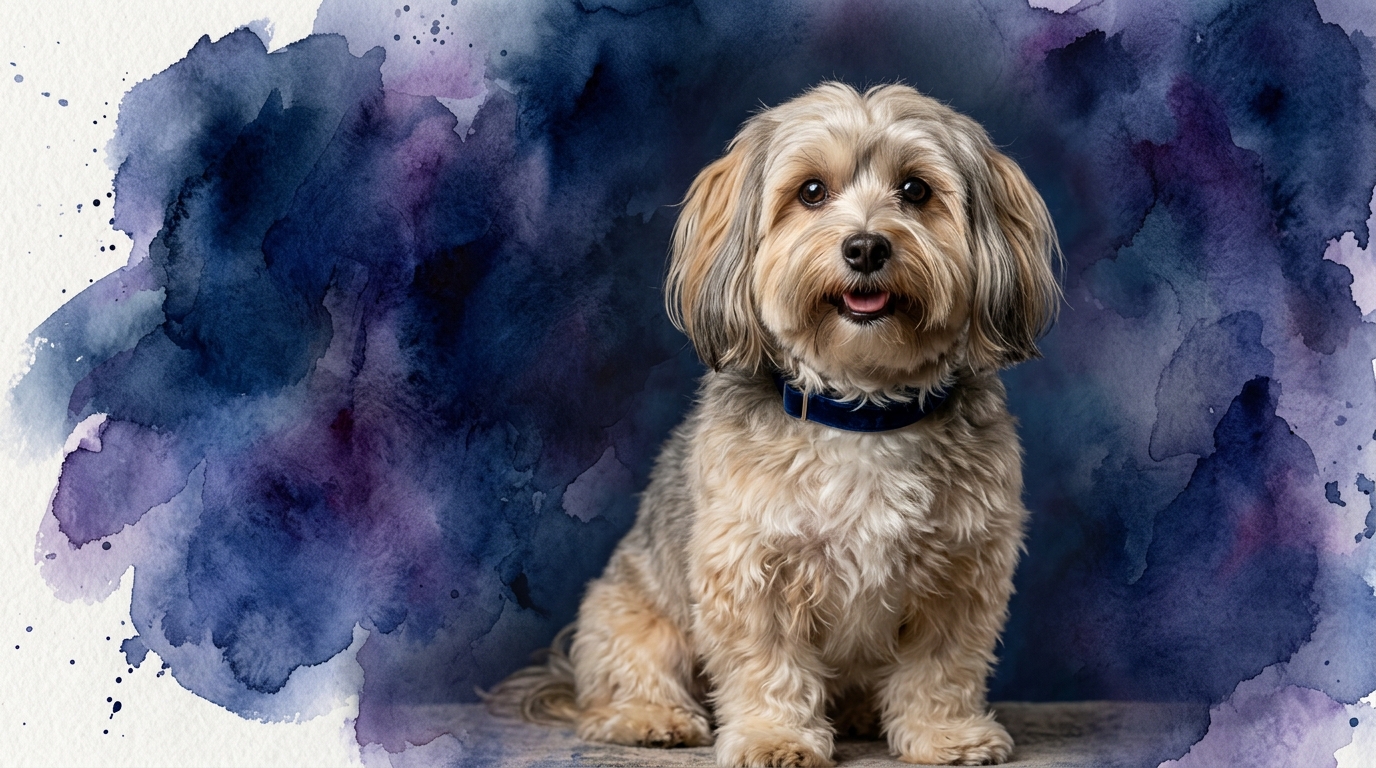
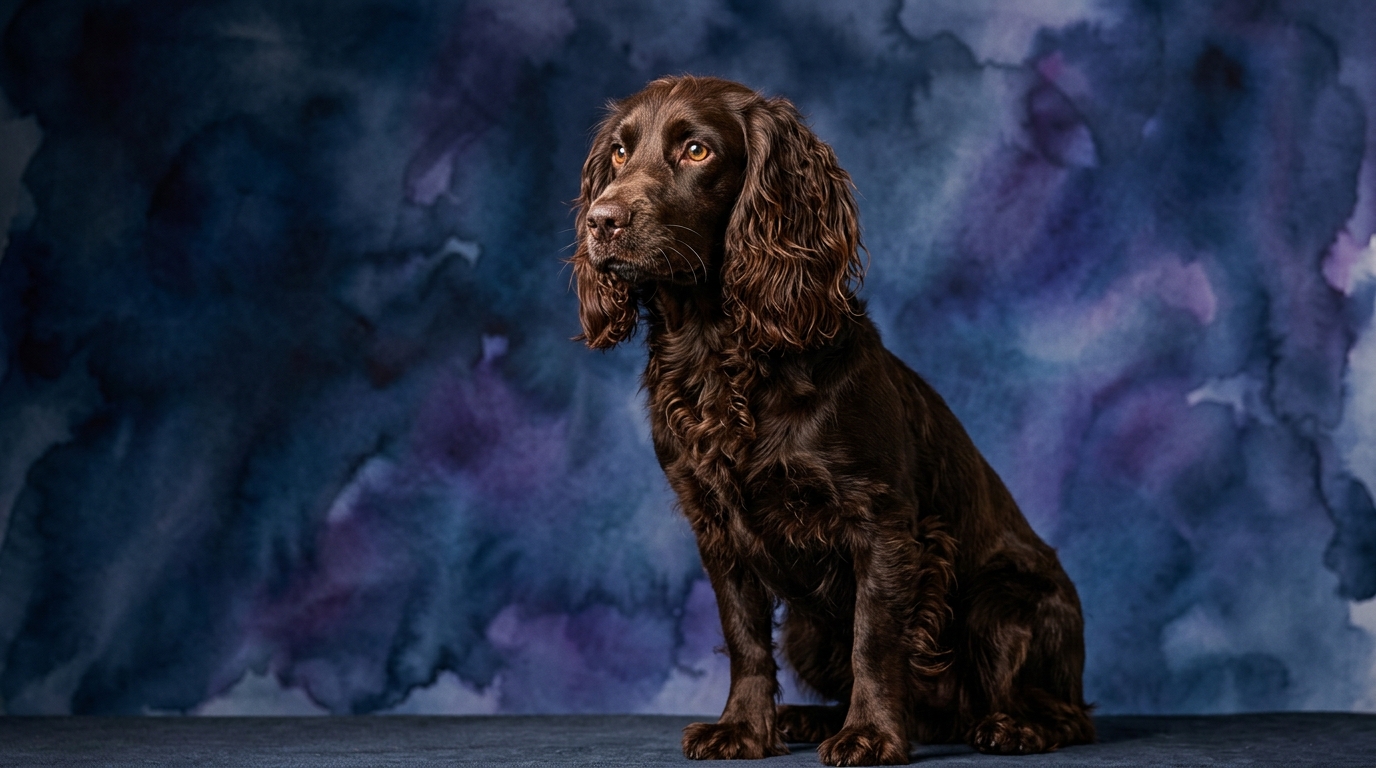
Side-by-Side Pet IQ Lab Profiles
The Cosmic Pet Pet IQ Lab employs five distinct dimensions to evaluate canine intelligence, offering a nuanced perspective beyond generic labels. Let's examine how the Havanese and Boykin Spaniel measure up in each area.
**Havanese (Toy Group):** This breed, though not Coren-ranked, presents a profile emphasizing companionship and subtle understanding. Their Problem Solving is rated 3/5, suggesting a moderate ability to navigate novel situations or figure out puzzles. Training Speed also sits at 3/5, indicating they learn new commands and routines at a steady, responsive pace. Where the Havanese truly excels is in Social Intelligence, scoring a remarkable 5/5, reflecting their profound attunement to human emotions and social cues. Their Instinctive Drive is low at 2/5, meaning they possess minimal inherent working or prey-driven tendencies. Memory is moderate at 3/5, allowing them to retain learned information consistently.
**Boykin Spaniel (Sporting Group):** Also not Coren-ranked, the Boykin Spaniel's profile reflects its working heritage. Their Problem Solving is 3/5, similar to the Havanese, indicating practical cognitive skills, particularly in goal-oriented scenarios. Training Speed is likewise 3/5, showing an efficient learning capacity, especially when tasks align with their natural aptitudes. Social Intelligence is rated 3/5, signifying they are sociable and capable of forming strong bonds, but perhaps less acutely sensitive to human subtleties than the Havanese. Their Instinctive Drive is moderate at 3/5, clearly evident in their natural inclination for retrieving and purposeful activity. Memory is 3/5, allowing for good retention of training and learned tasks.
Where the Havanese Shines Cognitively
The Havanese truly shines in the realm of social intelligence, scoring a perfect 5/5 compared to the Boykin Spaniel's 3/5. This breed possesses an extraordinary capacity to interpret human emotions, often anticipating their owner's moods or needs before they are explicitly expressed. Their high social attunement means they excel at reciprocal communication, making them adept at forming profound emotional connections and thriving in dynamic social environments. A Havanese might notice a slight shift in your posture or a subtle change in your voice, adjusting their behavior accordingly – offering comfort or initiating play at just the right moment. This exceptional social radar makes them particularly sensitive companions, capable of profound empathy and intuitive interaction within a family unit. While both breeds are sociable, the Havanese's nuanced understanding of social dynamics gives it a distinct edge in navigating complex interpersonal relationships and making them highly valued for roles like therapy animals, where reading human cues is paramount.
Where the Boykin Spaniel Excels Cognitively
The Boykin Spaniel, with an instinctive drive score of 3/5 compared to the Havanese's 2/5, demonstrates a clear advantage in purpose-driven cognitive functions. Originating as a hunting dog, their mental framework is geared towards tasks requiring focus, endurance, and practical application of skills in the field. This moderate instinctive drive translates into a strong desire to work alongside their human partners, particularly in activities like retrieving, scent work, or agility. While their problem-solving score is similar to the Havanese at 3/5, the Boykin's cognitive efforts are often channeled through their natural predispositions, such as figuring out how to retrieve a hidden toy or navigating obstacles to reach a target efficiently. Their cognitive strengths are rooted in their ability to maintain concentration on a task, process environmental cues relevant to their 'job,' and execute learned behaviors with precision and enthusiasm, making them exceptionally capable in structured activities that tap into their innate drives and provide an outlet for their energy.
Training: Similar Speed, Different Motivations
When evaluating ease of training, both the Havanese and the Boykin Spaniel share a 'training speed' score of 3/5, indicating they learn at a steady, responsive pace. However, the *nature* of their training experience can differ due to their unique cognitive profiles. The Havanese, with its exceptional social intelligence, often appears eager to please and highly attuned to its owner's feedback. This means they are quick to pick up on subtle cues and respond well to positive reinforcement rooted in social interaction and affection. Their desire for connection can be a powerful motivator, making them responsive to training that feels like a shared activity, like learning tricks to entertain the family. However, their lower instinctive drive (2/5) means they might not possess the same inherent enthusiasm for highly repetitive or task-oriented drills that lack a strong social component, potentially requiring more creative engagement to maintain their interest. Consistency and fun are key for the Havanese.
In contrast, the Boykin Spaniel's moderate instinctive drive (3/5) gives them a natural inclination towards structured activities and a strong work ethic. They often find intrinsic satisfaction in completing tasks, particularly those involving retrieving or following commands in a 'working' context, such as preparing for a dog sport. While they are sociable, their social intelligence score of 3/5 suggests they might not be as exquisitely sensitive to subtle emotional cues as the Havanese, meaning their training might benefit from clearer, more direct instructions and rewards tied to task completion. For owners who enjoy structured training sessions focused on specific skills, the Boykin's drive can make them a very cooperative student, often requiring less 'fluff' and more direct instruction to grasp concepts and execute commands reliably. Both breeds respond well to positive methods, but the Boykin's inherent drive for purpose can make certain types of training more intuitive for them.
Cognitive Needs for Active vs. Relaxed Owners
For the more relaxed owner seeking a devoted companion, the Havanese often presents a compelling choice. Their low instinctive drive (2/5) means they aren't inherently driven by the need to 'work' or pursue intense physical challenges. Instead, their exceptional social intelligence (5/5) means they thrive on close companionship, social interaction, and mental engagement that revolves around their human family. They are content with moderate daily walks and indoor play, finding their primary stimulation in engaging with their people, learning new tricks for fun, or participating in family activities. Their cognitive needs are largely met through social bonding and interactive play that stimulates their keen observational skills, making them well-suited for households where the primary activity is shared presence and gentle interaction. They will still require mental challenges, but these are often satisfied through puzzle toys, trick training, and simply being an engaged member of the family.
Conversely, the Boykin Spaniel is better suited for active owners ready to embrace a partner with a moderate instinctive drive (3/5). This breed's heritage as a sporting dog means they possess a natural inclination for activity, exploration, and purposeful engagement. They require regular, vigorous exercise that goes beyond a simple stroll, benefiting greatly from activities like retrieving, hiking, swimming, or participation in dog sports such as agility or dock diving. An active owner can tap into the Boykin's cognitive strengths by providing structured tasks and opportunities to utilize their drive, preventing boredom and channeling their energy constructively. Their moderate social intelligence means they enjoy companionship, but they often express that bond through shared activities rather than purely passive presence, making them an ideal partner for someone who loves to incorporate their canine into an energetic lifestyle.
The Verdict
Choose a Havanese if your lifestyle values a deeply intuitive, socially attuned companion who thrives on emotional connection and engaging in nuanced communication within a less physically demanding routine.
Opt for a Boykin Spaniel if you're an active individual or family seeking a driven, task-oriented partner for outdoor adventures, structured training, and activities that leverage their natural working instincts.
🧠 Find Your Pet's IQ Score
Our Pet IQ Lab assessment covers 25+ tests across 5 cognitive dimensions — personalized to your breed.
Take the Full IQ Test →Frequently Asked Questions
Are Havanese good at dog sports?
While their lower instinctive drive means they might not naturally excel in high-intensity sports like field trials, Havanese often enjoy and perform well in agility, obedience, and rally. Their high social intelligence makes them eager learners who respond enthusiastically to positive reinforcement and shared activity with their owner, making them surprisingly versatile in many companion dog sports.
Do Boykin Spaniels need a lot of mental stimulation?
Yes, Boykin Spaniels absolutely benefit from ample mental stimulation to complement their physical exercise. Their moderate instinctive drive means they are happiest when given a 'job' to do, whether it's puzzle toys, scent games, or advanced obedience training, which helps prevent boredom and channel their cognitive energy constructively.
How do their memory scores impact daily life?
Both breeds score a 3/5 in memory, indicating they possess good recall for learned commands and routines. This means both are capable of retaining their training with consistent reinforcement, but neither is likely to remember complex, multi-step sequences without regular practice, requiring owners to maintain a steady training regimen.